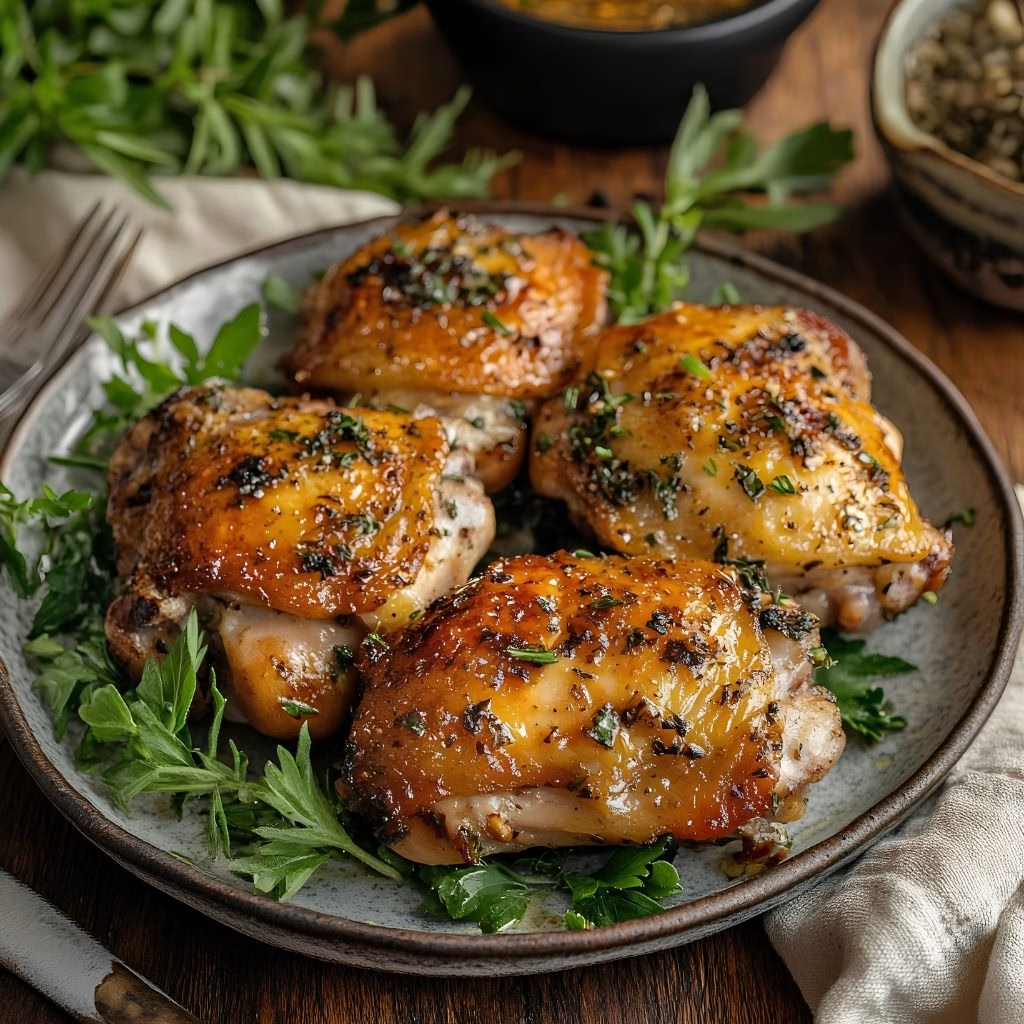
I always start by patting each thigh completely dry with paper towels. Any leftover moisture on the skin will steam instead of crisp in the oven, and that's the number one reason herb crusts turn soggy. Give this step an extra thirty seconds per piece; it really does matter.
Line your rimmed baking sheet with foil so cleanup is painless later, then set a wire rack on top and give it a light spray of cooking oil. Raising the chicken off the pan lets air move underneath it, which is essential for that crackly herb crust everyone loves. Skip the rack and you'll end up with soggy bottoms.
In a large bowl, stir together the olive oil, garlic, rosemary, thyme, oregano, and chives until it smells fragrant. Add the chicken thighs a few at a time and toss them until every piece is fully coated. This step is really where the "crust" begins to form, so don't rush it.
Arrange the coated thighs skin-side up in a single layer on your prepared rack. Sprinkle salt and pepper over each piece with a heavier hand than you think you need. I've learned the hard way that under-seasoned chicken tastes flat no matter how many herbs you use.
Slide the tray into a 400°F oven and roast for 40 to 45 minutes. You're looking for deep golden skin and an internal temperature of 165°F when checked with a thermometer at the thickest part of the thigh, avoiding the bone. The herb crust should look almost caramelized by this point.
Once out of the oven, let the chicken rest for about 5 minutes before you cut into it. I know it's tempting to serve it right away, but resting lets the juices redistribute so every bite stays moist instead of running out onto the cutting board.