Start by adding sugar and water to a saucepan over medium heat. Stir until the sugar dissolves completely, then add lemon juice. Let the syrup simmer for around 10 minutes until slightly thickened. Remove the syrup from heat and stir in rose water or orange blossom water. Set it aside to cool completely while preparing the cake batter. Cool syrup works best on warm cake.
In a large bowl, combine semolina, desiccated coconut, sugar, baking powder, and salt. Stir everything together until evenly mixed. This ensures the ingredients distribute properly throughout the batter. Using fine semolina helps create a softer texture while still maintaining the classic grainy bite. Avoid coarse semolina if you prefer a tender cake.
Pour melted butter, yogurt, and vanilla extract into the dry mixture. Stir gently using a spatula or spoon until everything is combined. The batter should look thick but spreadable. Do not overmix the batter because semolina absorbs moisture quickly. Let the mixture rest for about 10 minutes so the semolina softens slightly.
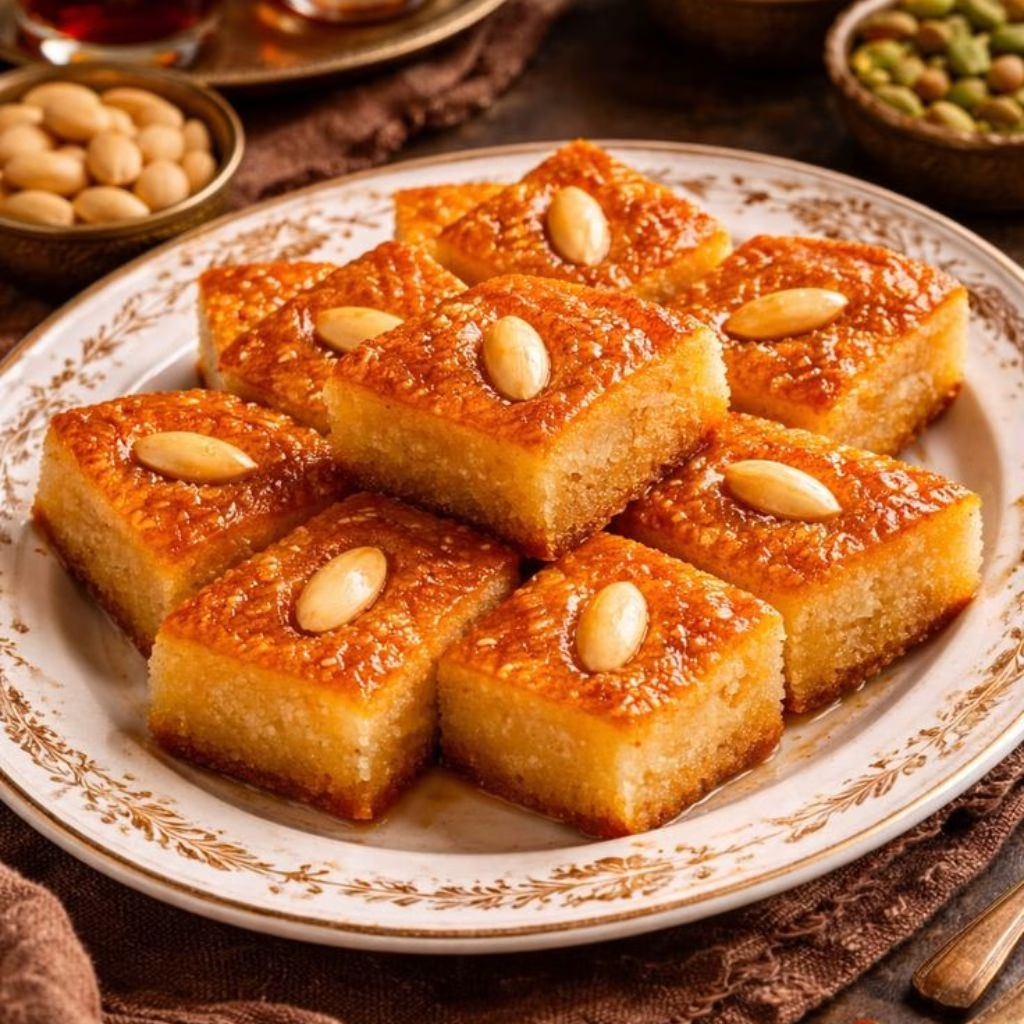
Grease the baking dish lightly with butter or oil to prevent sticking. Spread the batter evenly into the dish using the back of a spoon or spatula. Use a knife to lightly score diamond or square shapes on the surface. Place one almond in the center of each piece for a traditional finish.
Place the dish in a preheated oven at 350°F (175°C). Bake for 35–40 minutes until the top becomes beautifully golden brown and slightly crisp. If needed, broil the top for 1–2 minutes at the end for deeper color. Watch carefully to avoid burning the coconut topping.
As soon as the cake comes out of the oven, slowly pour the cooled syrup evenly over the hot cake. You’ll hear the syrup absorb into the semolina immediately. Allow the cake to rest for at least 30 minutes before serving. This resting time helps the syrup fully soak into every layer.
Once cooled slightly, cut through the scored lines to create clean slices. The cake should feel moist, soft, and rich with syrup. Serve warm or at room temperature with tea or coffee. Garnish with extra coconut or crushed pistachios for a beautiful presentation.