Go Back
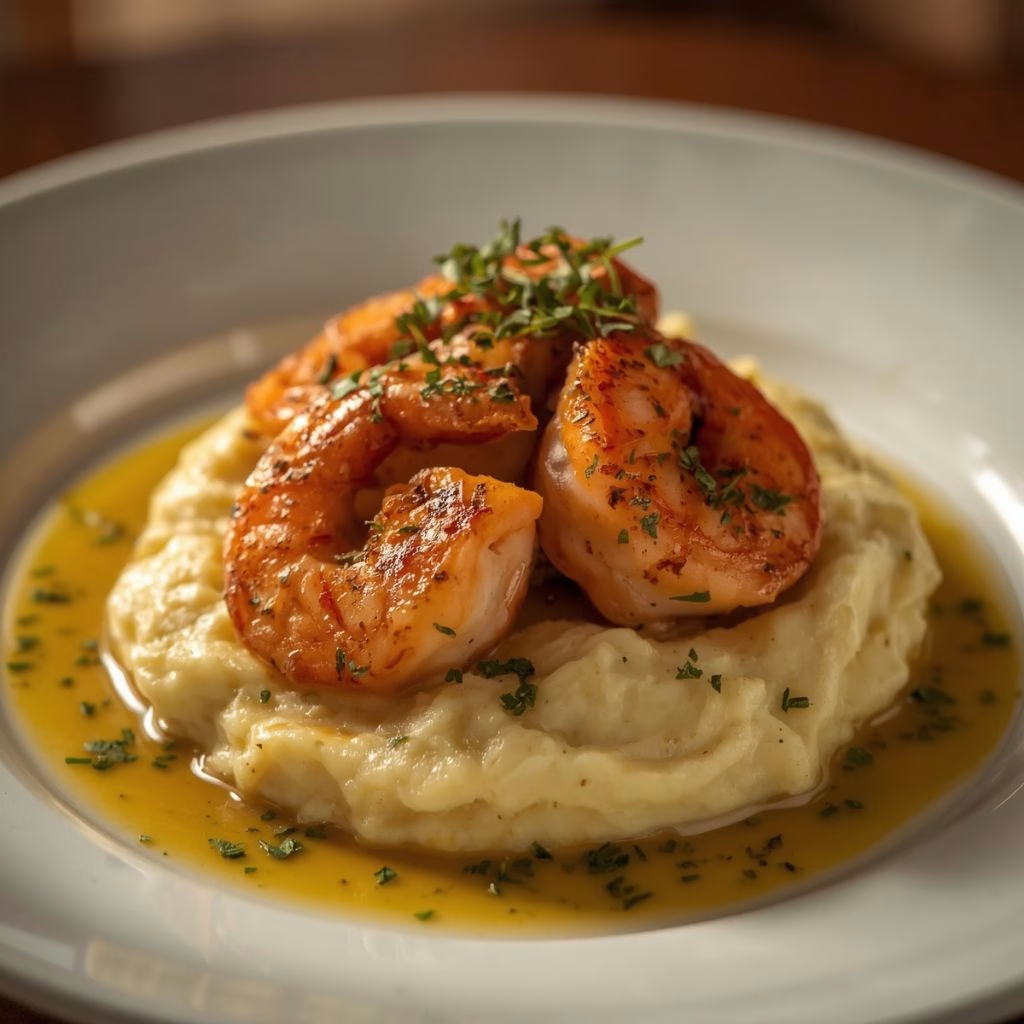
Cajun Salmon Shrimp with Creamy Garlic Sauce Over Mashed Potatoes
Ash Tyrrell

Cajun Salmon Shrimp with Creamy Garlic Sauce Mashed Potatoes Recipe

The first time I made this dish, I honestly didn't expect it to taste this good with so little effort. I seared the salmon and shrimp with a good dusting of Cajun seasoning, whipped up a quick garlic cream sauce in the same pan, and spooned everything over a mound of buttery mashed potatoes
Total Time 45 minutes
Servings: 4

Ingredients
  

  • Salmon fillets 1 lb – the star of the dish, choose skin-on for extra crispiness
  • Shrimp 1 lb, peeled and deveined – adds a juicy, quick-cooking protein alongside the salmon
  • Cajun seasoning 2 tablespoons – this is where all the bold, smoky flavor comes from
  • Olive oil 2 tablespoons – helps the seasoning stick and gives a nice golden sear
  • Unsalted butter 3 tablespoons, divided – adds richness to both the seafood and the sauce
  • Garlic 5 cloves, minced – use fresh cloves, not jarred, for the best punch of flavor
  • Heavy cream 1 cup – the base of the sauce, don't substitute with milk or it won't thicken properly
  • Chicken broth 1/2 cup – thins the sauce slightly while adding savory depth
  • Parmesan cheese 1/2 cup, freshly grated – grate it yourself, pre-shredded cheese doesn't melt as smoothly
  • Lemon juice 1 tablespoon – brightens up the richness of the cream sauce
  • Russet potatoes 2 lbs, peeled and cubed – their starchy texture makes the fluffiest mash
  • Milk 1/2 cup – warm it before adding to the potatoes for a smoother mash
  • Salt and black pepper to taste – essential for balancing every layer of this dish
  • Fresh parsley chopped, for garnish – adds a pop of color and freshness on top

Method
 

  1. I start with the potatoes since they take the longest. I add the cubed russet potatoes to a large pot of salted water and boil them for about 15-20 minutes, until a fork slides in easily. Once drained, I mash them with butter, warm milk, salt, and pepper until they're smooth and creamy.
  2. While the potatoes boil, I pat the salmon fillets and shrimp completely dry with paper towels. This step matters more than people think, since a dry surface helps everything sear instead of steam. I coat both generously with Cajun seasoning, salt, and a little pepper.
  3. I heat olive oil and a tablespoon of butter in a large skillet over medium-high heat. Once it's shimmering, I lay the salmon in skin-side down and let it cook undisturbed for 4-5 minutes. I flip it carefully and cook another 3-4 minutes until it flakes easily.
  4. Using the same skillet, I add the shrimp in a single layer so they cook evenly. It only takes 2-3 minutes per side until they turn pink and opaque. I pull them out right away, since overcooked shrimp turn rubbery fast.
  5. In that same flavorful skillet, I melt the remaining butter and toss in the minced garlic, letting it sizzle for about 30 seconds until fragrant. I pour in the heavy cream and chicken broth, whisking constantly to lift up all those browned bits stuck to the pan.
  6. Once the cream mixture starts to bubble gently, I stir in the Parmesan cheese and lemon juice, letting it simmer for 2-3 minutes until it thickens enough to coat the back of a spoon. I taste and adjust the salt and pepper here.
  7. I return the salmon and shrimp to the skillet, spooning the warm garlic cream sauce generously over the top so everything reheats gently. I let it sit for a minute so the seafood soaks up the sauce before plating.
  8. Finally, I spoon a generous scoop of the mashed potatoes onto each plate, top it with the salmon and shrimp, and drizzle extra sauce over everything. A sprinkle of fresh parsley on top makes it look like it came straight from a restaurant kitchen.
Notes

  • I always pat the seafood completely dry before seasoning, since moisture is the enemy of a good sear.
  • I never overcrowd the skillet, because it drops the pan's temperature and steams the seafood instead of browning it.
  • I grate my own Parmesan instead of using the bagged kind, since it melts into the sauce far more smoothly.
  • I keep my heat at medium once the sauce is going, since cream can scorch or separate if it gets too hot too fast.
  • I warm my milk before mixing it into the potatoes, which keeps the mash silky instead of gluey.