Go Back
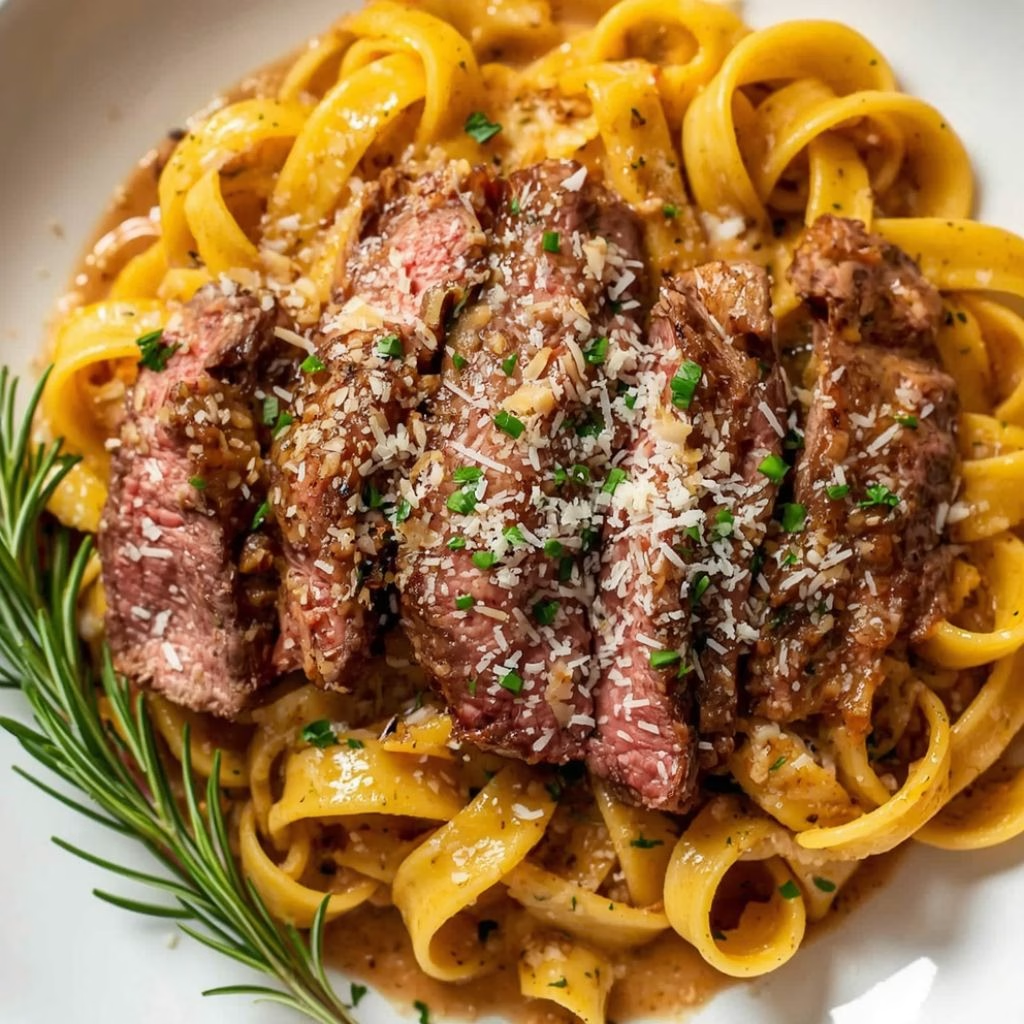
Creamy Steak Pasta Recipe
Ash Tyrrell

Creamy Steak Pasta Recipe

I made this creamy steak pasta on a random Tuesday because I had two steaks in the fridge and zero patience for a complicated dinner. I seared the steaks, whipped up a garlicky Parmesan cream sauce in the same pan, and tossed everything together in under 35 minutes. Honestly, it tasted like something I'd order at a fancy Italian steakhouse, not something I threw together on a weeknight.
Total Time 35 minutes
Servings: 4

Ingredients
  

  • 2 rump steaks about 1 lb / 450 g total – rump is tender and won't break the bank, but flank or skirt steak work too if that's what you've got
  • Salt and pepper – season generously right before searing not hours ahead, so you don't draw out too much moisture
  • 1 tablespoon olive oil – use a neutral high smoke-point oil so the pan gets properly hot without burning
  • 4 tablespoons butter divided, unsalted – unsalted lets you control the seasoning yourself instead of guessing how salty the sauce will end up
  • 4 garlic cloves finely chopped, divided – split between the steak and the sauce for garlic flavor in every bite
  • 1 sprig fresh rosemary – just one sprig is enough to add an earthy herby aroma while the steak rests in butter
  • 8 oz 250 g pasta, penne or rigatoni – ridged, tubular shapes grip the creamy sauce far better than smooth noodles
  • 1 teaspoon Italian seasoning – a fast substitute for mixing your own blend of oregano thyme, and basil
  • ½ cup 125 ml low-sodium chicken stock – this loosens and deepens the sauce before the cream goes in
  • 1 cup 250 ml heavy cream – this is what gives the sauce its rich, silky texture, so don't swap in a lighter cream here
  • cup Parmesan freshly grated – pre-shredded bags are coated in anti-caking starch and won't melt smoothly, so grate your own
  • A handful of fresh parsley roughly chopped – adds color and a fresh, slightly peppery finish
  • Salt and freshly ground black pepper to taste

Method
 

  1. Season your rump steaks generously with salt and pepper on both sides. Heat olive oil in a large skillet over high heat until it shimmers. Add the steaks and cook for 3-4 minutes per side, undisturbed, until a deep brown crust forms.
  2. Add butter, chopped garlic, and the rosemary sprig straight into the pan with the steaks. Tilt the pan and spoon the melted, garlicky butter over the steaks as they finish cooking to your preferred doneness. Remove the steaks and let them rest for 5 minutes before slicing thinly.
  3. While the steak rests, bring a large pot of salted water to a rolling boil. Cook the pasta according to the package directions until al dente. Before draining, scoop out 1-2 cups of starchy pasta water and set it aside for the sauce.
  4. Using the same skillet you cooked the steak in (scraping up those flavorful browned bits), melt more butter over medium-low heat. This reuses all the leftover steak flavor instead of wasting it.
  5. Add the remaining chopped garlic and cook for about 1 minute, just until fragrant. Stir in the Italian seasoning, then pour in the chicken stock and let it simmer for 1-2 minutes to build a flavorful base.
  6. Pour in the heavy cream and let the sauce simmer gently for a couple of minutes until it starts to thicken slightly. Keep the heat moderate so the cream doesn't scorch or separate.
  7. Add the cooked pasta and sliced steak into the sauce, then stir in the freshly grated Parmesan until it melts and coats every piece. If the sauce looks too thick or dry, splash in a little of the reserved pasta water to loosen it.
  8. Fold in the chopped parsley and adjust the seasoning with more salt and pepper if needed. Serve the pasta right away while it's hot, topped with a little extra Parmesan if you're feeling generous.
Notes

  • I always let my skillet get properly hot before the steak goes in, since a lukewarm pan just steams the meat instead of searing it
  • If my pan feels crowded, I cook the steaks in two batches so each one gets a proper crust instead of steaming next to the other
  • I never skip the resting time after cooking, because slicing too soon lets all the juices run out onto the board
  • I always slice against the grain, since cutting with the muscle fibers makes even a good steak taste chewy
  • I keep that pasta water on hand every single time, because it's the easiest fix for a sauce that's gone a little too thick