Go Back
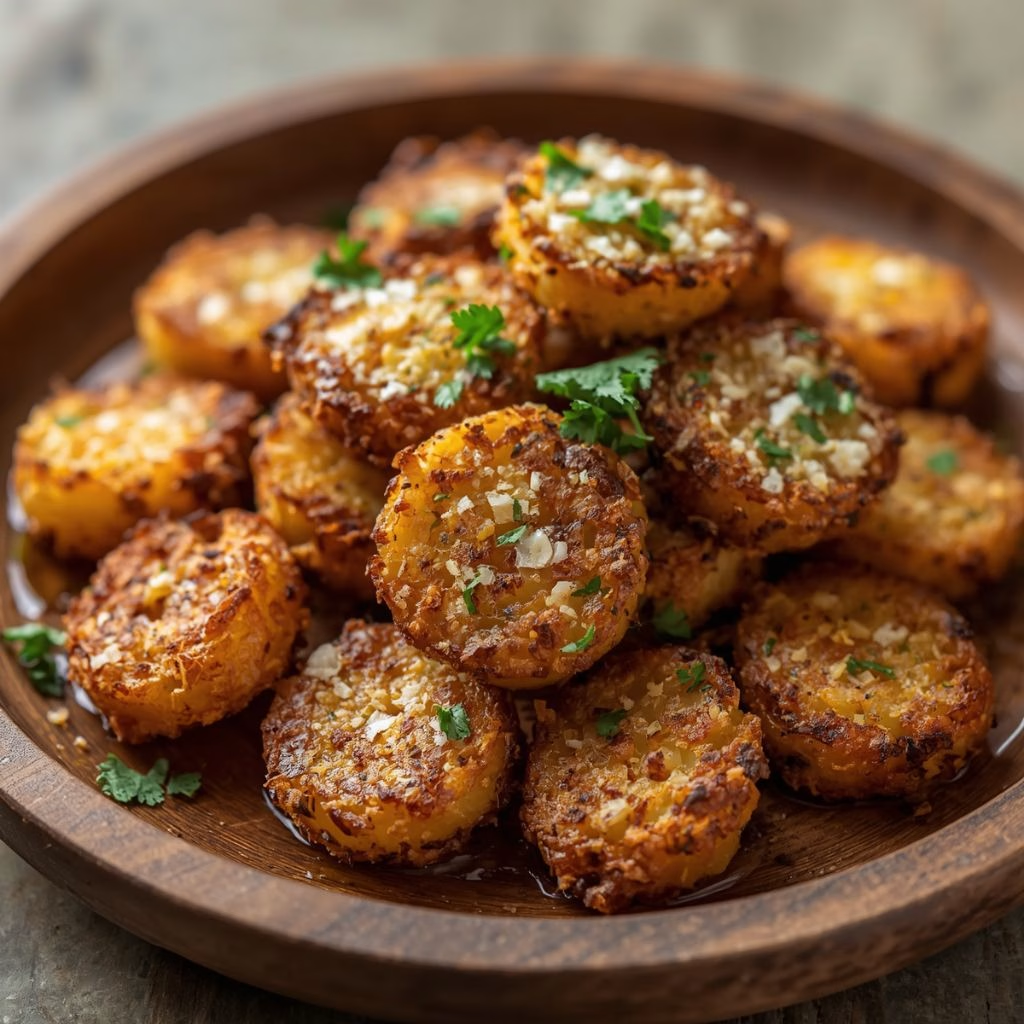
Crispy Garlic Parmesan Hash Browns
Ash Tyrrell

Crispy Garlic Parmesan Hash Browns

I made these crispy garlic parmesan hash browns on a lazy weekend morning, and I honestly couldn't stop eating them straight off the tray. The outside turns wonderfully crunchy while the inside stays soft, garlicky, and cheesy in every bite
Total Time 1 hour 45 minutes
Servings: 4

Ingredients
  

  • 2 large russet potatoes peeled and cut into chunks – russets work best here because their starchy texture crisps up beautifully and holds its shape once grated
  • 6 to 8 garlic cloves finely minced – fresh garlic gives a much bolder, fragrant flavor than the jarred kind, so I always mince it myself
  • 1 tablespoon unsalted butter – used to gently cook the garlic and mellow its sharpness before it goes into the mixture
  • 1 large egg – acts as the binder that holds the shredded potato together while frying
  • 1/4 cup parmesan cheese plus extra for serving – grate it fresh instead of using the pre-shredded kind, since fresh parmesan melts smoother and tastes far richer
  • 1 tablespoon cornstarch – helps absorb extra moisture from the potatoes so the hash browns crisp up instead of turning soggy
  • 1/2 to 1 teaspoon salt adjusted to taste – start light since parmesan already brings some saltiness
  • 1/2 teaspoon ground white pepper – gives a subtle warmth without dark specks showing on the pale potato mixture
  • 1/2 teaspoon onion powder optional – adds a nice background flavor if you want an extra savory note
  • Vegetable oil or your preferred frying oil – enough for shallow frying about 2 cups

Method
 

  1. Melt the butter in a small saucepan over medium heat until it turns liquid and starts to bubble slightly. Add the minced garlic and stir constantly so it doesn't burn or turn bitter. Cook for just one to two minutes until fragrant, then set it aside to cool.
  2. Place the potato chunks in a large pot and cover them with cold water. Bring the pot to a boil over medium-high heat and let the potatoes cook for eight to nine minutes. They should still have some resistance when poked with a skewer, not fully soft.
  3. Drain the parboiled potatoes right away and spread them out on a baking sheet. Let them sit for six to eight minutes until they're cool enough to handle comfortably. Skipping this cooling step can make grating messy and difficult.
  4. Grate the cooled potatoes directly into a large mixing bowl using a box grater. Add the cooked garlic, parmesan, egg, cornstarch, salt, white pepper, and onion powder if using. Stir everything together until it's evenly combined and holds together well.
  5. Line a baking sheet with parchment paper and divide the mixture into eight equal portions. With slightly wet hands, shape each portion into a patty or your preferred hash brown shape. Wetting your hands again between portions keeps the mixture from sticking.
  6. Cover the shaped hash browns with plastic wrap and place the tray in the freezer. Let them firm up for 45 to 60 minutes so they hold their shape during frying. This step makes a big difference in how crispy and intact they turn out.
  7. Heat about two cups of oil in a large skillet to 350°F. Fry the chilled hash browns in batches for six to eight minutes, flipping halfway, until deeply golden and crisp. Transfer them to a wire rack over paper towels to drain excess oil.
  8. Grate a little extra fresh parmesan over the hot hash browns right before serving. Serve them immediately while they're still warm and at their crispiest. This final touch makes them look and taste even more irresistible.
Notes

  • I always squeeze the grated potatoes lightly with a paper towel before mixing, since removing extra moisture helps them crisp up faster
  • I never skip the freezer chilling step because it keeps the hash browns from falling apart in the hot oil
  • I keep my oil temperature steady around 350°F, since oil that's too hot burns the outside before the inside cooks through
  • I fry in small batches so the oil temperature doesn't drop, which keeps every piece evenly crispy
  • I use a thermometer if I have one handy, just to avoid guessing the oil temperature