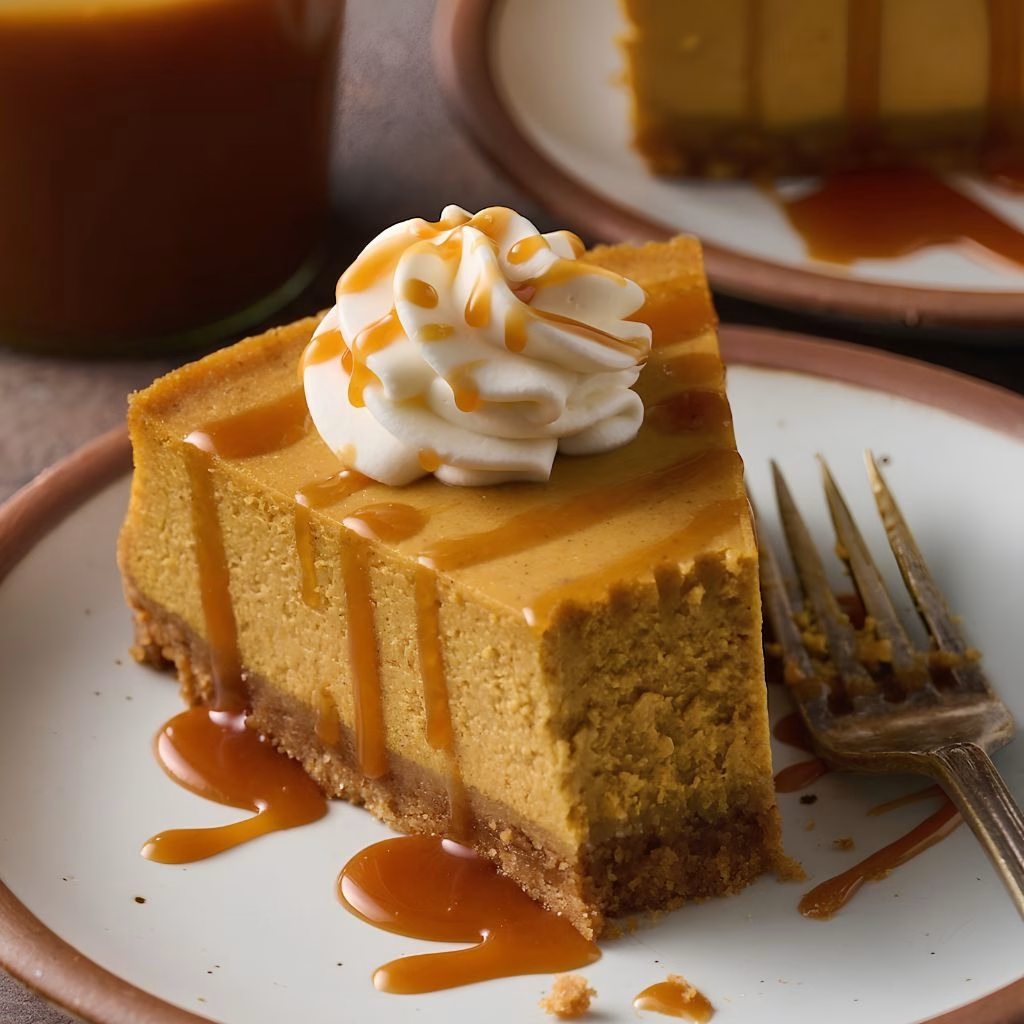
Preheat your oven to 350°F and pulse the graham crackers in a food processor until they turn into fine crumbs. Stir the crumbs together with melted butter, sugar, and cinnamon in a bowl until everything looks like wet sand. This only takes a couple of minutes and sets the foundation for the whole dessert.
Press the crumb mixture firmly into a 9-inch springform pan, pushing it about half an inch up the sides. Place the pan on a foil-lined baking sheet and bake for 8 minutes, then let it cool while you make the filling. This short bake keeps the crust from turning soggy under the batter.
Lower your oven temperature to 325°F. In a stand mixer, beat the room-temperature cream cheese with brown sugar for about 5 minutes on medium speed, scraping the bowl once or twice. You're looking for a smooth, fluffy texture with zero lumps, almost like frosting.
In a separate bowl, whisk together the pumpkin puree, eggs, sour cream, flour, pumpkin pie spice, salt, and vanilla until fully combined. Pour this mixture into the cream cheese on low speed and mix just until blended. Overmixing at this stage is one of the biggest reasons cheesecakes crack, so keep the speed low.
Pour the filling into your cooled crust and tap the pan on the counter about 15 times to pop any trapped air bubbles. Place a loaf pan half filled with hot water on the rack next to the cheesecake, then bake for 50 to 60 minutes until the edges are set but the center still jiggles slightly. That little wobble is exactly what you want to see.
Turn off the oven and prop the door open with a wooden spoon, letting the cheesecake sit inside for 30 minutes. This slow cool-down is the real secret behind a crack-free top. Run a knife around the edges as soon as it comes out to release any tension in the batter.
Let the cheesecake finish cooling to room temperature on a wire rack, then cover and refrigerate for at least 4 hours, or overnight if you can wait. Chilling fully is what gives it that dense, sliceable texture instead of a soft, runny center.