Go Back
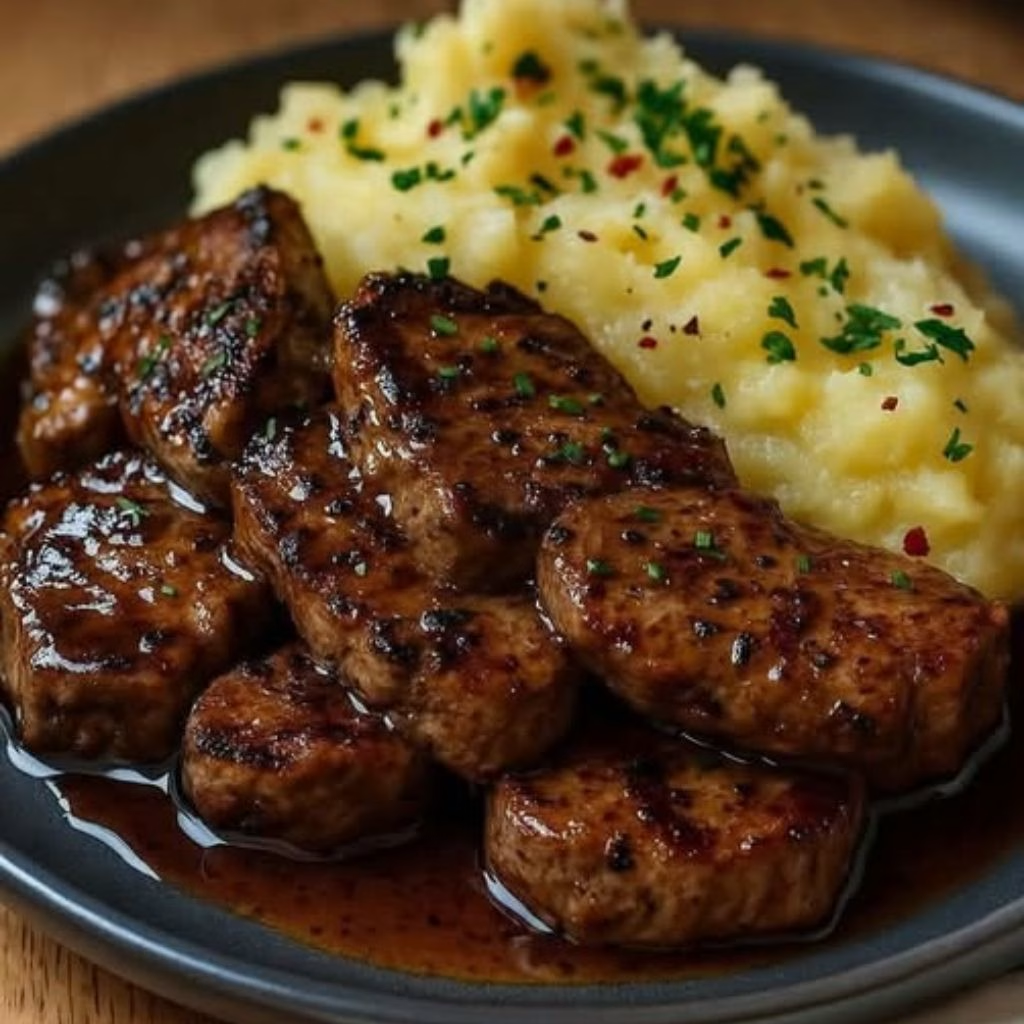
Garlic Butter Steak Medallions with Creamy Mashed Potatoes
Ash Tyrrell

Garlic Butter Steak Medallions with Creamy Mashed Potatoes

I made this dish on a random Tuesday night when I wanted something that felt fancy without the fuss, and it completely changed my weeknight dinner game. The steak medallions come out so tender and juicy, swimming in a garlicky, herby butter sauce that I could honestly drink with a spoon
Total Time 35 minutes
Servings: 4

Ingredients
  

  • beef tenderloin or sirloin cut into 1.5-inch medallions – 1.5 lbs (choose a cut with good marbling for the juiciest bites)
  • salt – 1 tsp season generously; steak needs more salt than you think
  • black pepper freshly ground – ½ tsp (pre-ground pepper loses its punch fast, so grind it fresh if you can)
  • olive oil – 2 tbsp for searing; it handles high heat better than butter alone
  • unsalted butter divided – 6 tbsp (unsalted lets you control the seasoning yourself)
  • garlic cloves minced – 4 (fresh garlic gives a rounder flavor than the jarred stuff)
  • fresh thyme sprigs – 2 dried thyme works in a pinch, but fresh smells so much better
  • fresh rosemary sprig – 1 this is what makes the butter taste steakhouse-worthy
  • fresh parsley chopped – 2 tbsp (adds a pop of color and freshness at the end)
  • russet potatoes peeled and cubed – 2 lbs (starchy potatoes mash up fluffier than waxy ones)
  • whole milk warmed – ½ cup (warming it first keeps the potatoes from turning gluey)
  • unsalted butter for the potatoes – 4 tbsp (don't skimp here, this is where the creaminess comes from)
  • sour cream – 2 tbsp optional, but it adds a nice tang that balances the richness
  • salt and pepper for the potatoes – to taste

Method
 

  1. I start by placing my cubed potatoes into a large pot and covering them with cold, salted water. Bringing the water to a boil first before lowering the heat helps the potatoes cook evenly all the way through. I let them simmer for about 15 minutes, until a fork slides in with almost no resistance.
  2. Once they're tender, I drain the potatoes well and return them to the warm pot to let excess moisture evaporate. I add the warmed milk, butter, and sour cream, then mash everything until it's smooth and creamy. A final taste test with salt and pepper makes sure the seasoning is just right before I set them aside.
  3. While the potatoes simmer, I pat my steak medallions completely dry with paper towels, since moisture prevents a good sear. I season both sides generously with salt and freshly ground pepper. Letting the meat sit at room temperature for a few minutes helps it cook more evenly once it hits the pan.
  4. I heat olive oil in a cast-iron skillet over high heat until it's shimmering and almost smoking. The medallions go in without crowding the pan, searing for about 3 minutes per side for a beautiful golden crust. I check the internal temperature with a meat thermometer to hit my preferred doneness before removing the steak to rest.
  5. In the same hot skillet, I lower the heat and add the remaining butter along with the minced garlic, thyme, and rosemary. The residual heat toasts the garlic just enough to release its aroma without burning it, which takes under a minute. I spoon this fragrant butter over the resting steak so it soaks in every bit of flavor.
  6. I spread a generous bed of the creamy mashed potatoes onto each plate as the base. The rested steak medallions go right on top, drizzled with extra garlic butter from the pan. A sprinkle of fresh chopped parsley finishes the dish with color and a burst of freshness.
Notes

  • I always let my steak rest for at least 5 minutes after searing, because cutting into it too soon lets all the juices run out onto the plate instead of staying in the meat.
  • I've found that patting the steak bone-dry before seasoning gives a much deeper, crustier sear than skipping that step.
  • I like to baste the steak with the garlic butter using a spoon right in the pan for an extra layer of flavor before it even hits the plate.
  • I never boil my potatoes too vigorously, since a gentle simmer keeps them from breaking apart and getting waterlogged.
  • I warm my milk before adding it to the potatoes because cold milk can make the mash gluey instead of silky