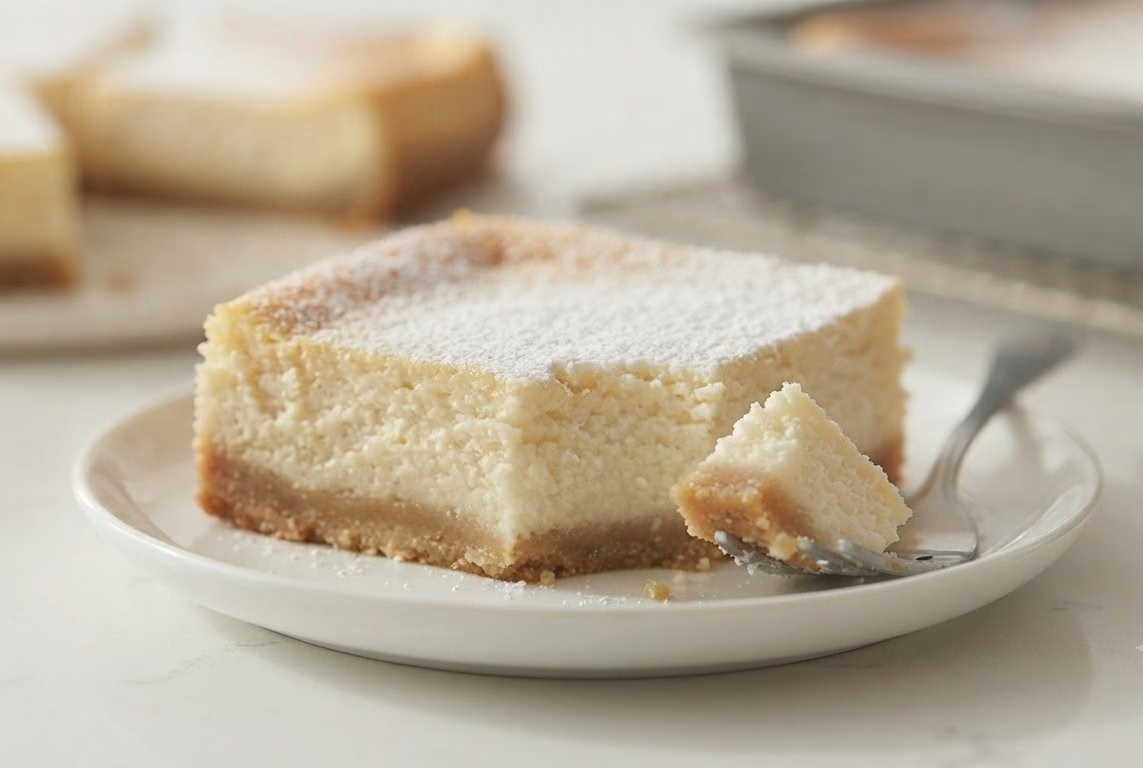
Preheat your oven to 350°F and lightly grease a 9x13-inch baking pan. I like to use nonstick spray so nothing sticks to the corners later. Getting this step done first means you can move straight into mixing without any delays.
In a large bowl, combine the cake mix, one egg, and half of the melted butter. Stir until it forms a thick, dough-like consistency, almost like cookie dough. Don't worry if it feels heavier than typical cake batter, that's exactly how it should be.
Transfer the dough into your greased pan and press it down firmly and evenly using your fingers or the bottom of a measuring cup. A light coating of oil on your fingertips keeps the dough from sticking to your hands. This even layer forms the sturdy base for everything on top.
In a separate bowl, beat the softened cream cheese until it's completely smooth with no lumps. This step matters more than people think, since lumpy cream cheese leads to an uneven, grainy topping. Take your time here for the best texture.
Add the remaining eggs, vanilla extract, and remaining melted butter to the cream cheese and beat until well combined. Slowly mix in the powdered sugar, one cup at a time, until the mixture turns silky and pourable. This gradual approach keeps sugar from clumping or flying everywhere.
Pour the cream cheese mixture directly over the crust layer in the pan. Use a spatula to spread it evenly all the way to the edges. Getting an even layer here helps the cake bake uniformly with that classic golden top.
Bake for 40 to 45 minutes, until the edges turn golden brown and the center still has a slight jiggle. That jiggle is completely normal and is actually the sign of a properly gooey center. Pulling it out too late will give you a drier, cakier result.
Let the cake cool fully in the pan on a wire rack before cutting into it. I know it's tempting to dig in right away, but cutting too early causes the gooey layer to spread and lose its shape. Once cooled, dust generously with powdered sugar and slice.