Go Back
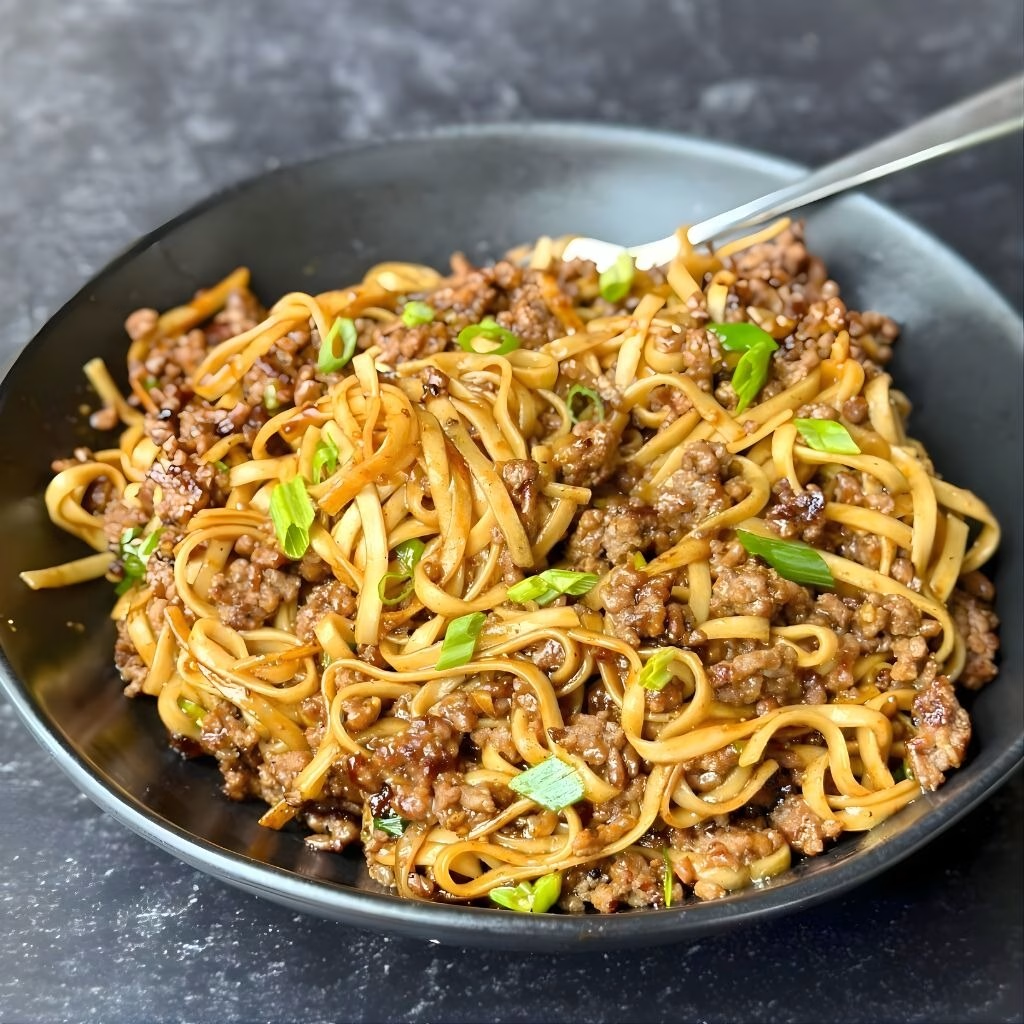
Ground Beef Mongolian Noodles Recipe
Ash Tyrrell

Ground Beef Mongolian Noodles Recipe

I still remember the first time I whipped up this dish; my kitchen smelled amazing, like my favorite local Asian bistro, but better because I knew exactly what went into it. Honestly, finding a weeknight dinner that balances sweet, savory, and just a hint of spice without taking hours is a total game-changer for me.
Prep Time 5 minutes
Cook Time 15 minutes

Ingredients
  

  • 1 lb Lean Ground Beef: I prefer using 90% lean beef so there isn't too much grease to drain off but it still has enough fat for great flavor.
  • 4 tsp Fresh Ginger minced: Use fresh root ginger for a zesty, warm kick; powdered ginger simply cannot replicate that bright, peppery bite essential for this sauce.
  • 6 cloves Garlic minced: Fresh garlic is non-negotiable here for that punchy aroma, though jarred minced garlic in water works in a pinch if you are rushing.
  • 1/2 cup Brown Sugar: This provides the signature sweetness that balances the salty soy sauce; you can reduce this to 1/3 cup if you prefer a less sweet savory profile.
  • 1/2 cup Beef Broth: This forms the savory liquid base of your sauce helping to deglaze the pan and create plenty of gravy for the noodles.
  • 1/2 cup Low-Sodium Soy Sauce: Stick to low-sodium so you can control the saltiness as regular soy sauce can quickly make the dish overpowering.
  • 4 tbsp Hoisin Sauce: This is the secret weapon that adds depth thickness, and that classic barbecue-like Asian flavor you can't get from soy sauce alone.
  • 1/2 tsp Black Pepper: Freshly cracked black pepper adds a subtle background heat that cuts through the sweetness of the sugar and hoisin.
  • 1/2 tsp Red Pepper Flakes Optional: If you like a little kick, toss these in; leave them out if you are feeding kids or sensitive palates.
  • 10 oz Noodles: Linguine fettuccine, or spaghetti all work beautifully here because their shape holds onto the thick sauce perfectly.
  • 1 tbsp Cornstarch: This is your thickening agent that turns the watery broth mixture into a glossy clingy glaze that coats every noodle.
  • 2 tbsp Water: You need cold water to mix with the cornstarch to create a slurry so it doesn't clump when added to the hot pan.
  • 4 medium Green Onions sliced: These add a fresh, crisp onion bite and a pop of color at the end, cutting through the richness of the beef.

Method
 

  1. Start by placing your large skillet over medium-high heat and adding the ground beef to brown. Let it get a nice sear, breaking it into crumbles, and in the last two minutes of cooking, stir in your fresh minced ginger and garlic so they become fragrant without burning.
  2. While your beef is searing away, get a pot of water boiling and cook your noodles according to the package directions. It is best to cook them just until al dente because they will continue to cook slightly when you toss them into the hot sauce later.
  3. Once the beef is fully cooked and drained of excess grease, return it to the pan and pour in the beef broth, soy sauce, brown sugar, hoisin sauce, black pepper, and red pepper flakes. Stir everything well to combine the flavors with the meat.
  4. Whisk your cornstarch and cold water together in a small cup until smooth, then pour this slurry into the bubbling beef mixture. Stir constantly as you bring it to a low boil; you will see the sauce transform from watery to a rich, glossy glaze within a minute.
  5. Finally, toss your drained noodles directly into the skillet with the thickened beef sauce. Use tongs to gently mix until every strand of pasta is coated in that delicious dark glaze, let it sit for a minute to absorb the flavor, and garnish with green onions.
Notes

  • Sear the Meat Properly: I always let the ground beef sit undisturbed in the hot pan for a minute or two before breaking it up; this creates a deep brown crust that adds incredible savory flavor.
  • Don't Overcook Noodles: I make sure to pull the pasta out of the water a minute before it's fully done because it will soak up the hot sauce in the skillet and finish cooking there.
  • Freshness Counts: I never skip using fresh ginger root; the powdered stuff just doesn't provide that zesty, spicy brightness that cuts through the heavy sugar and soy sauce.
  • Toast the Spices: If I'm using red pepper flakes, I like to add them in with the garlic and ginger for thirty seconds to bloom their heat in the fat before adding the liquids.
  • Sauce Consistency: If the sauce gets too thick while tossing, I add a splash of the pasta cooking water (which I always save a cup of!) to loosen it up and make it creamy.