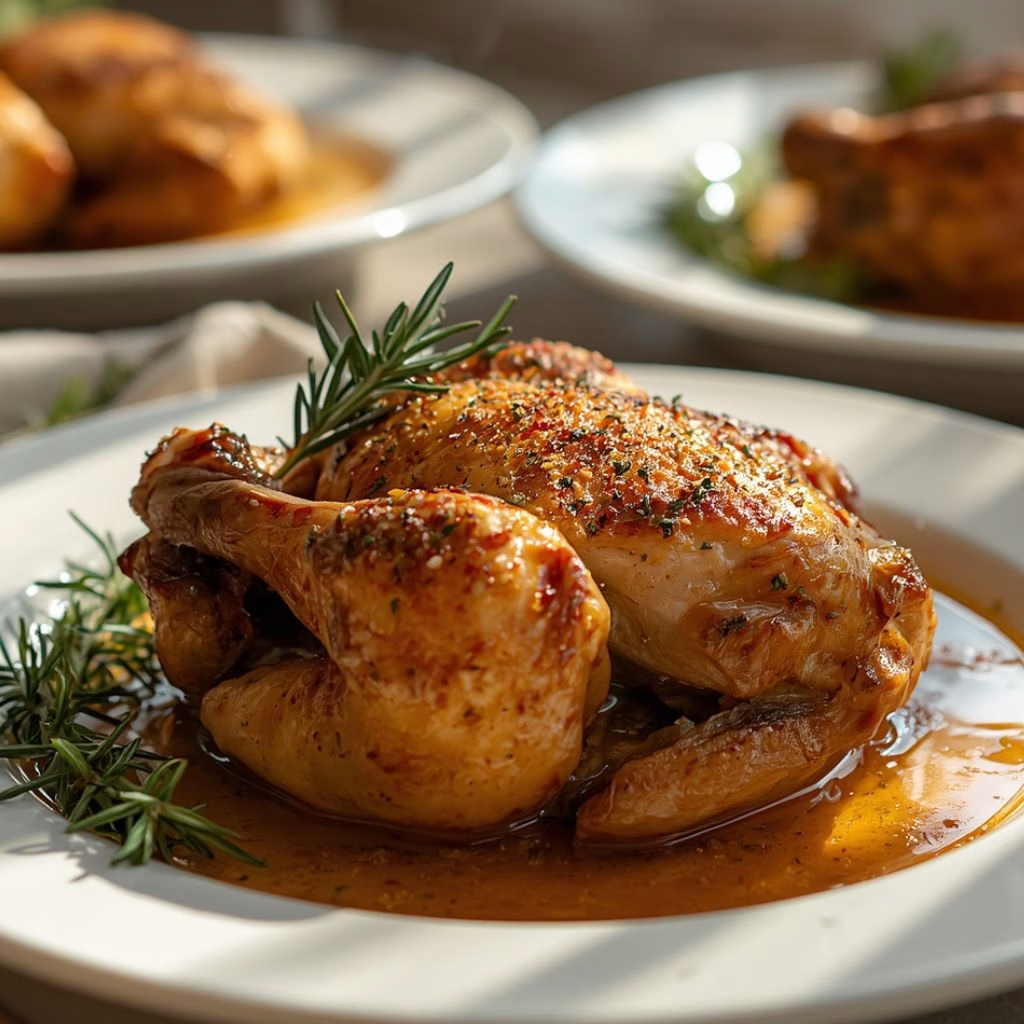
Start by setting your oven to 425°F so it's fully heated by the time the chicken goes in. A hot oven from the very beginning is what gives the skin that deep golden color. While it heats up, this is the perfect time to prep your other ingredients so everything moves quickly once the chicken is seasoned.
In a small bowl, stir together the melted butter, olive oil, salt, pepper, and chopped rosemary and sage. This compound butter for chicken is what makes the whole dish sing, so make sure the herbs are evenly distributed throughout. I like to mix it right before I'm ready to use it so the butter stays soft and spreadable.
Cut your carrots and celery into quarters and slice the onion into thick rounds. These go directly into the bottom of the roasting pan and act as a natural rack for the chicken. As the bird roasts, its juices drip down and caramelize the vegetables, building the base for an incredible pan sauce.
Pat the chicken completely dry with paper towels, inside and out. A dry surface is the real secret to crispy skin. Remove any innards from the cavity, then stuff it with the quartered lemon, halved garlic head, and the reserved sprigs of rosemary and sage.
Gently slide your fingers between the skin and the breast meat to loosen it, being careful not to tear it. Spoon about half of the herb butter mixture directly underneath the skin, massaging it around so it coats the meat evenly. This is the step that really separates a good roast chicken from a great one.
Spread the remaining herb butter all over the outside of the chicken, making sure to cover the legs, wings, and back. This butter herb chicken marinade step is what creates that irresistible golden crust once it hits the oven's heat.
Using cooking twine, tie the legs together with a firm figure-eight knot so they stay close to the body. Then pull the wing tips up and tuck them under the top of the chicken. Trussing keeps the chicken cooking evenly and prevents thin parts like the wings from burning.
Place the chicken on top of the vegetables in the roasting pan and roast for about 1 hour 15 minutes, or slightly longer for a larger bird. Check the internal temperature in the thickest part of the thigh and breast to confirm it's fully cooked before removing it from the oven.
Lift the chicken by the legs so the juices drain back into the pan, then transfer it to a cutting board and tent it loosely with foil. Let it rest for 20 minutes before carving. This resting period locks the juices back into the meat so every slice stays tender.