Go Back
Maple Dijon Roasted Chicken Recipe
Ash Tyrrell

Maple Dijon Roasted Chicken Recipe

I still remember the first time I drizzled maple syrup and Dijon mustard over a tray of chicken and thought, "this is either going to be amazing or a total mess." It turned out to be the former, and now it's on repeat in my kitchen every single week. I love how a handful of pantry staples can turn plain chicken into something sticky, tangy, and downright crave-worthy.
Prep Time 10 minutes
Cook Time 45 minutes
Servings: 4

Ingredients
  

  • 4-6 bone-in skin-on chicken pieces (thighs or drumsticks work beautifully here)
  • Salt to taste, brings out the natural flavor of the chicken before the glaze goes on
  • Black pepper to taste, adds a gentle bite that balances the sweetness of the maple
  • 1/4 cup Dijon mustard the tangy backbone of the glaze, so don't swap it for yellow mustard
  • 1/4 cup pure maple syrup use the real stuff, not pancake syrup, for authentic flavor
  • 2 cloves garlic minced, fresh garlic gives a much rounder flavor than the jarred kind
  • 2 tablespoons brown sugar helps the glaze caramelize into a beautiful golden crust
  • 1 tablespoon olive oil keeps the glaze glossy and helps it cling to the chicken

Method
 

  1. Start by preheating your oven to 350°F so it's fully heated by the time the chicken goes in. Pat the chicken pieces dry with a paper towel, which helps the skin crisp up nicely. Season both sides generously with salt and pepper before moving on to the glaze.
  2. In a small bowl, whisk the Dijon mustard, maple syrup, minced garlic, brown sugar, and olive oil until fully combined. The mixture should look glossy and slightly thick. I always give it a taste at this stage to check the sweet-tangy balance.
  3. Arrange the seasoned chicken pieces in your roasting pan, ideally on a rack. Brush about half of the glaze generously over the top of each piece, making sure every inch gets coated. Save the rest of the glaze for later in the cooking process.
  4. Place the pan in the oven and roast for about 40-45 minutes. Halfway through, brush the reserved glaze over the chicken for an extra layer of flavor and shine. This second coat is what really builds that sticky, caramelized finish.
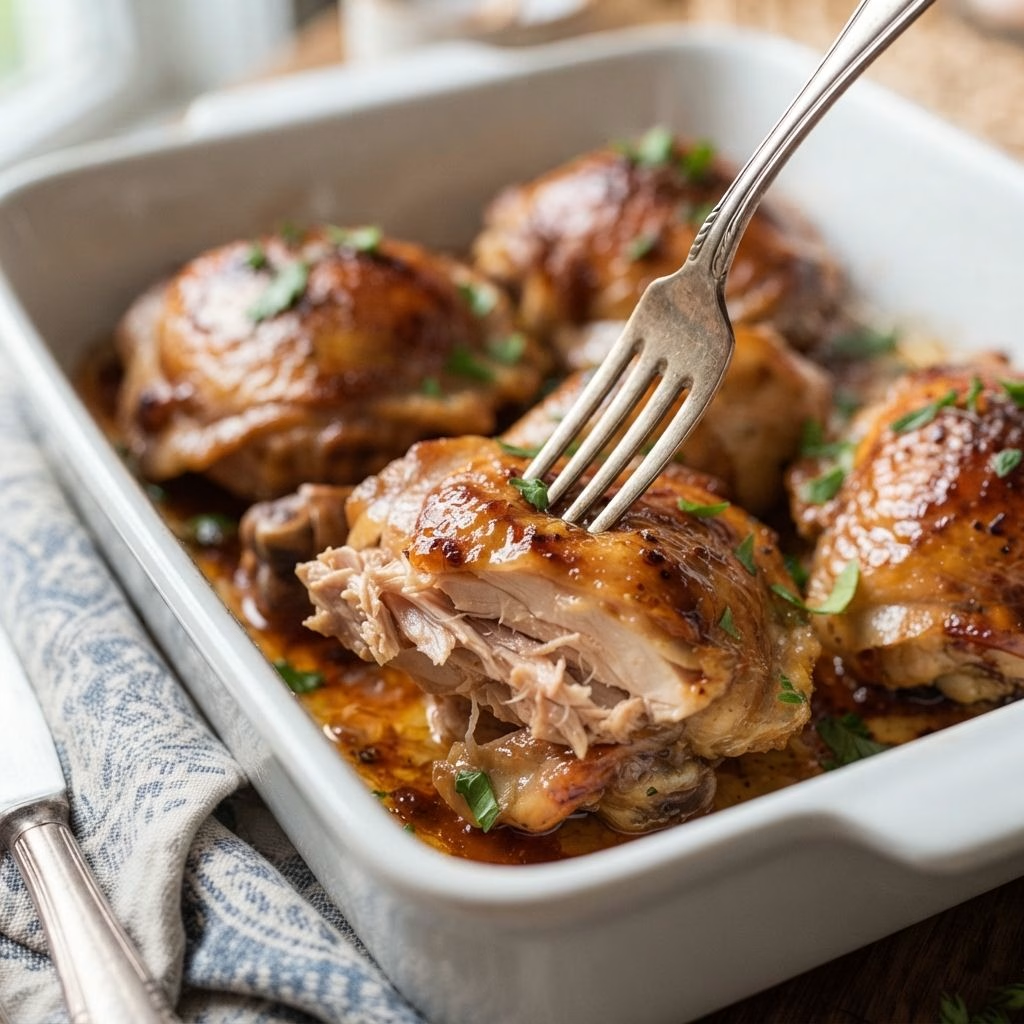
  5. Use a meat thermometer to confirm the chicken has reached 165°F in the thickest part, away from the bone. If it needs a few more minutes, keep it in and check again rather than guessing. Once done, the skin should look deeply golden and glossy.
  6. Let the chicken rest for about 5 minutes before serving so the juices redistribute. This little pause makes a noticeable difference in tenderness. Spoon any remaining pan glaze over the top right before you plate it.
Notes

  • I always pat the chicken completely dry first, since extra moisture keeps the skin from crisping properly.
  • I like to bring the chicken to room temperature for about 15 minutes before roasting, so it cooks more evenly.
  • I sometimes add a pinch of smoked paprika to the glaze when I want a deeper, smokier flavor.
  • I never skip the second glaze coat halfway through, since that's what gives the chicken its glossy finish.
  • I let the chicken rest before slicing, because cutting into it too soon lets all the good juices escape.
  • I keep a close eye on the last 10 minutes of roasting, since the maple sugars can go from perfectly caramelized to burnt quickly.