Go Back
Mediterranean Spaghetti Recipe
Ash Tyrrell

Mediterranean Spaghetti Recipe

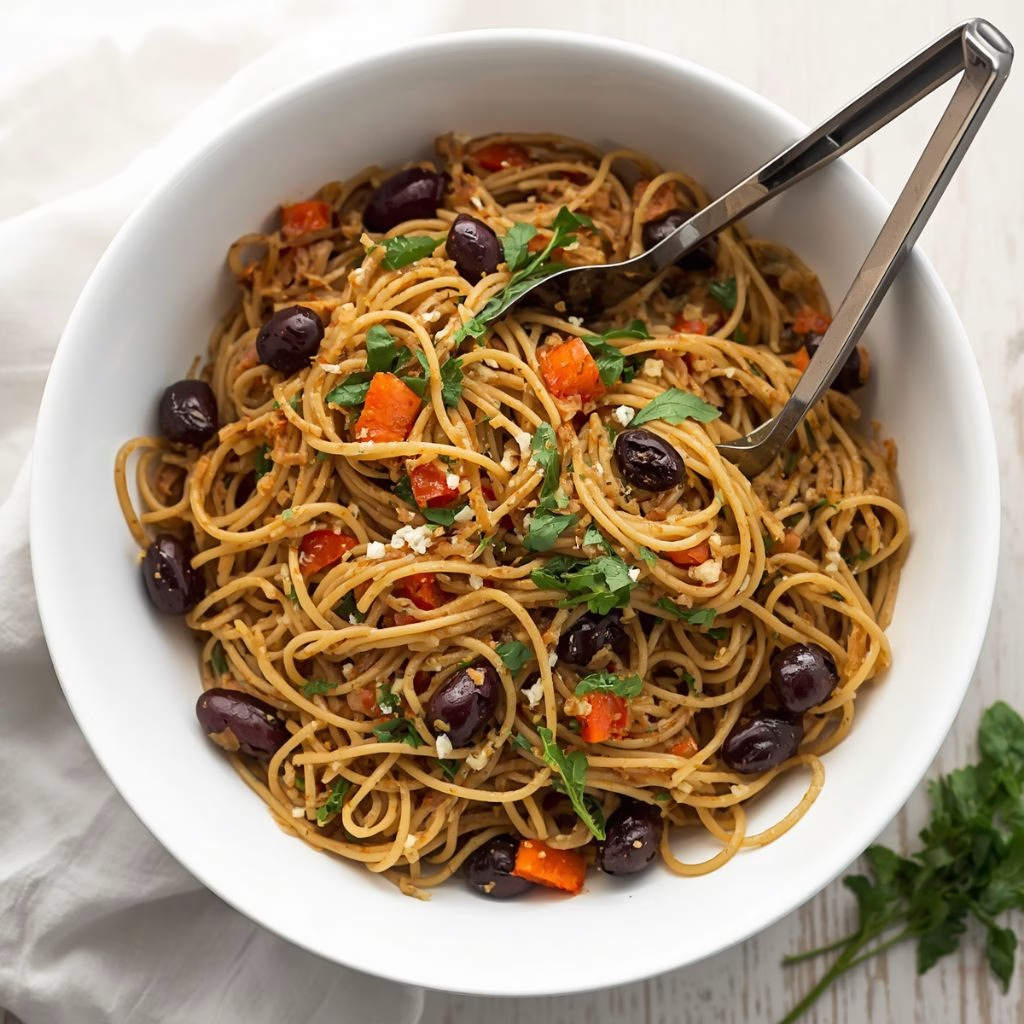
I still remember the first time I tossed spaghetti with a skillet full of blistered tomatoes, briny olives, and wilted spinach, and I knew I had a new weeknight staple. I love how this dish comes together in one pan while I'm still washing the cutting board.
Total Time 22 minutes
Servings: 4

Ingredients
  

  • Spaghetti 12 oz / 340 g – I like thin strands here, so spaghettini or angel hair works just as well if that's what's in the pantry.
  • Extra virgin olive oil 4 tablespoons, divided – use a good-quality oil since so much of the flavor in this dish comes from it, especially the finishing drizzle.
  • Garlic 4 cloves, minced – fresh cloves make a real difference here; the jarred stuff tends to taste flat once it cooks down.
  • Cherry or grape tomatoes 2 cups, halved – these break down into a light sauce faster than large tomatoes and taste sweeter too.
  • Bell pepper 1, diced – any color works, though red or yellow adds a nice pop against the green spinach.
  • Kalamata olives 1/2 cup, pitted and halved – their salty tang deepens the whole dish, so don't skip them even if olives aren't usually your favorite.
  • Baby spinach 3 cups, fresh – always use fresh, never frozen, since frozen spinach releases too much water and turns the dish mushy.
  • Fresh basil 1/4 cup, torn – added at the very end so it stays bright and fragrant instead of wilting into nothing.
  • Lemon 1, juiced and zested – this lifts every other flavor and keeps the dish from tasting heavy.
  • Red pepper flakes 1/2 teaspoon – adjust up or down depending on how much heat you like.
  • Salt and black pepper to taste – season in layers, not all at once, so you can taste as you go.
  • Parmesan cheese 1/2 cup, freshly grated, optional – grate it yourself right before serving, since pre-shredded cheese doesn't melt or taste the same.

Method
 

  1. Bring a large pot of salted water to a boil and add the spaghetti. Cook according to the package directions until al dente, then reserve a small cup of the pasta water before draining. That starchy water comes in handy if the sauce needs loosening later.
  2. While the pasta cooks, warm two tablespoons of olive oil in a large skillet over medium heat. Add the garlic and red pepper flakes, stirring for about a minute until fragrant. Keep the heat moderate so the garlic doesn't turn bitter.
  3. Add the bell pepper and cherry tomatoes to the skillet and cook for four to five minutes, pressing gently so the tomatoes start to burst and release their juices. This forms the light, chunky sauce that coats the noodles later.
  4. Stir in the olives, then add the spinach and basil. Cook for about a minute, just until the spinach wilts down. This step goes fast, so keep everything moving in the pan.
  5. Add the drained spaghetti straight into the skillet along with the remaining olive oil, lemon juice, and zest. Toss everything together, adding a splash of the reserved pasta water if the mixture looks dry.
  6. Taste and adjust the salt, pepper, and lemon as needed. Finish with freshly grated Parmesan if using, then serve right away while everything is still warm and vibrant.
Notes

  • I always taste as I go instead of measuring everything exactly, since the vegetables vary so much in sweetness and moisture.
  • I've learned not to overcook the spinach and basil; a quick wilt keeps the color and flavor much fresher.
  • I like to reserve extra pasta water on purpose, even if I think I won't need it, because it saves the dish if the sauce turns dry.
  • I finish with a drizzle of good olive oil right before serving, not just during cooking, since it adds a noticeably richer flavor.
  • I try to cut the vegetables roughly the same size so everything cooks evenly in the same few minutes.