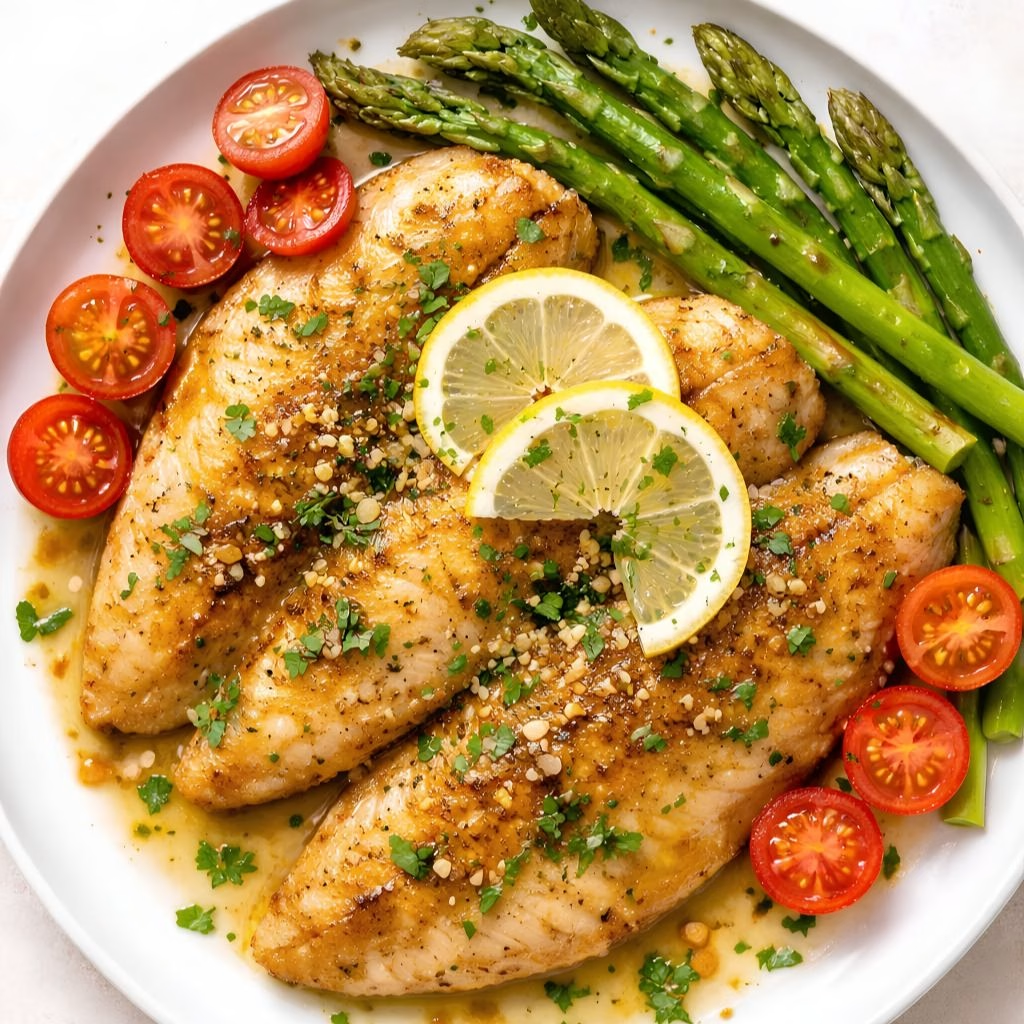
Before anything else, I pat each tilapia fillet dry with a paper towel. Removing extra moisture helps the seasoning stick and lets the flour form a crisp crust instead of turning gummy. This small step makes a noticeable difference in texture once the fish hits the pan.
I sprinkle salt, pepper, paprika, and garlic powder evenly over both sides of each fillet. I like to use my hands to gently press the seasoning in so it doesn't fall off. This step builds the base flavor that carries through the whole dish.
Next, I spread the flour on a shallow plate and coat each fillet lightly on both sides. I shake off any excess flour because too much can make the crust heavy or clumpy instead of light and crisp.
I heat olive oil and butter together in a skillet over medium-high heat until the butter is fully melted and slightly bubbling. Giving the pan enough time to heat properly is key, since a cold pan leads to soggy, oily fish instead of a crisp crust.
I carefully place one or two fillets into the hot pan at a time, depending on the size of my skillet. Cooking in batches keeps the pan from overcrowding, which helps the fish crisp up instead of steaming.
I let each fillet cook for about 2 to 3 minutes per side until it turns golden brown and flakes easily with a fork. I flip gently using a thin spatula since tilapia is delicate and can break apart if handled roughly.
Once cooked, I squeeze fresh lemon juice over the fillets and sprinkle chopped parsley on top. This final touch adds brightness and a fresh, restaurant-style finish to the dish.