Go Back
Poached Salmon in Coconut Lime Sauce Recipe
Ash Tyrrell

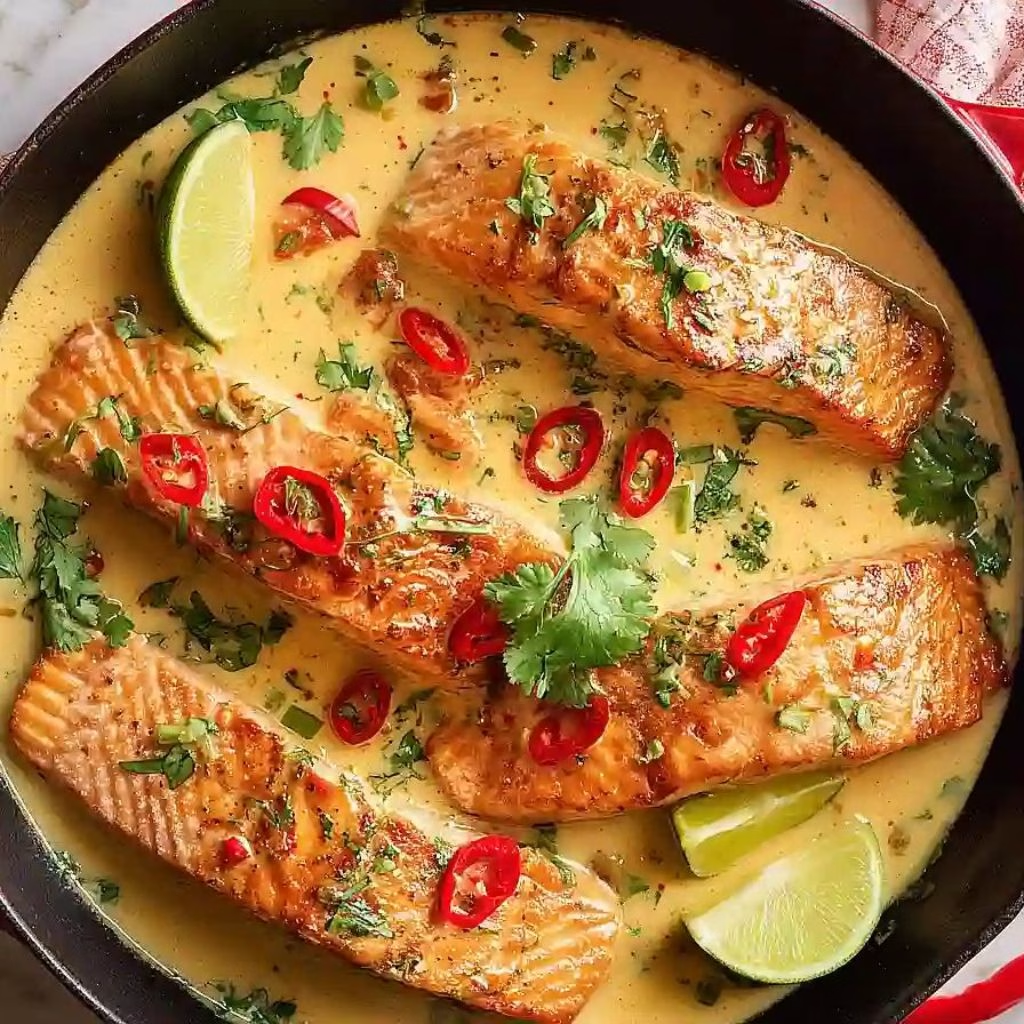
Poached salmon in coconut lime sauce

I recently tried this poached salmon in coconut lime sauce, and honestly, it felt like something straight out of a restaurant. The salmon turned out incredibly tender, soaking up all the creamy, citrusy flavors. I loved how the coconut milk balanced the tanginess of lime so beautifully. It’s one of those dishes that looks fancy but is surprisingly easy to make
Total Time 25 minutes
Servings: 4

Ingredients
  

  • salmon fillets 4 pieces, skinless or skin-on – choose fresh, high-quality salmon for the best texture
  • coconut milk 1 can, full-fat – gives the sauce its creamy richness; full-fat works best
  • lime juice 2–3 tablespoons, freshly squeezed – adds brightness and balances the richness
  • lime zest 1 teaspoon – enhances citrus aroma without extra acidity
  • garlic 3 cloves, minced – adds depth and savory flavor
  • ginger 1 tablespoon, finely grated – gives a subtle warmth and freshness
  • fish sauce 1 tablespoon – boosts umami; don’t skip for authentic flavor
  • brown sugar 1–2 teaspoons – balances the tangy and salty elements
  • chili optional, sliced – for a mild heat kick
  • olive oil 1 tablespoon – used to start the sauce base
  • fresh cilantro for garnish – adds freshness and color

Method
 

  1. Start by gathering and prepping all your ingredients. Mince the garlic, grate the ginger, and squeeze fresh lime juice. Having everything ready makes cooking smooth and stress-free. This step ensures you don’t overcook anything while multitasking.
  2. Heat olive oil in a large skillet over medium heat. Add garlic and ginger, letting them cook until fragrant but not browned. Pour in the coconut milk, then stir in lime juice, zest, fish sauce, and sugar until well combined.
  3. Let the sauce gently simmer for a few minutes. This helps all the flavors blend together beautifully. You’ll notice the aroma becoming rich and slightly tangy, which is exactly what you want.
  4. Carefully place the salmon fillets into the sauce. Spoon some sauce over the top so they are partially submerged. Keep the heat low to medium to avoid overcooking or drying out the fish.
  5. Cover the skillet and let the salmon cook gently. It usually takes about 8–10 minutes depending on thickness. The fish should turn opaque and flake easily with a fork when done.
  6. Once cooked, taste the sauce and adjust seasoning if needed. Sprinkle fresh cilantro and optional chili on top. Serve immediately while warm for the best flavor and texture.
Notes

  • I always use fresh lime juice instead of bottled—it makes a huge difference in flavor
  • Don’t overcook the salmon; I remove it as soon as it flakes easily
  • I like to spoon sauce over the salmon while cooking to keep it moist
  • If the sauce gets too thick, I add a splash of water or broth
  • For extra flavor, I sometimes add a dash of chili oil at the end