Go Back
Slow-Roasted Lemon Dill Salmon Recipe
Ash Tyrrell

Slow-Roasted Lemon Dill Salmon Recipe

I recently made this slow-roasted lemon dill salmon recipe, and honestly, it completely changed how I cook fish at home. The texture turned out incredibly tender, almost buttery, without being overcooked.
Total Time 40 minutes
Servings: 4

Ingredients
  

  • salmon fillet 1½ to 2 pounds – choose fresh, center-cut salmon for even cooking and better texture
  • olive oil 2 tablespoons – helps keep the fish moist and enhances flavor
  • fresh lemon 1 large, sliced + 1 tablespoon juice – fresh lemon is key for brightness; avoid bottled juice
  • fresh dill 2 tablespoons, chopped – adds a fresh, herby taste; dried dill can work but fresh is best
  • garlic 2 cloves, minced – gives a subtle depth of flavor without overpowering
  • salt ¾ teaspoon – enhances all the natural flavors
  • black pepper ½ teaspoon – adds mild heat and balance
  • red pepper flakes optional, ¼ teaspoon – for a slight kick if you like spice

Method
 

  1. Start by preheating your oven to 275°F (135°C). This low temperature is key to achieving that tender, flaky texture. While the oven heats, pat the salmon dry with paper towels and place it on a lined baking dish.
  2. In a small bowl, mix olive oil, minced garlic, lemon juice, salt, and pepper. Rub this mixture evenly over the salmon, making sure every part is coated. This helps lock in moisture and infuses flavor throughout the fish.
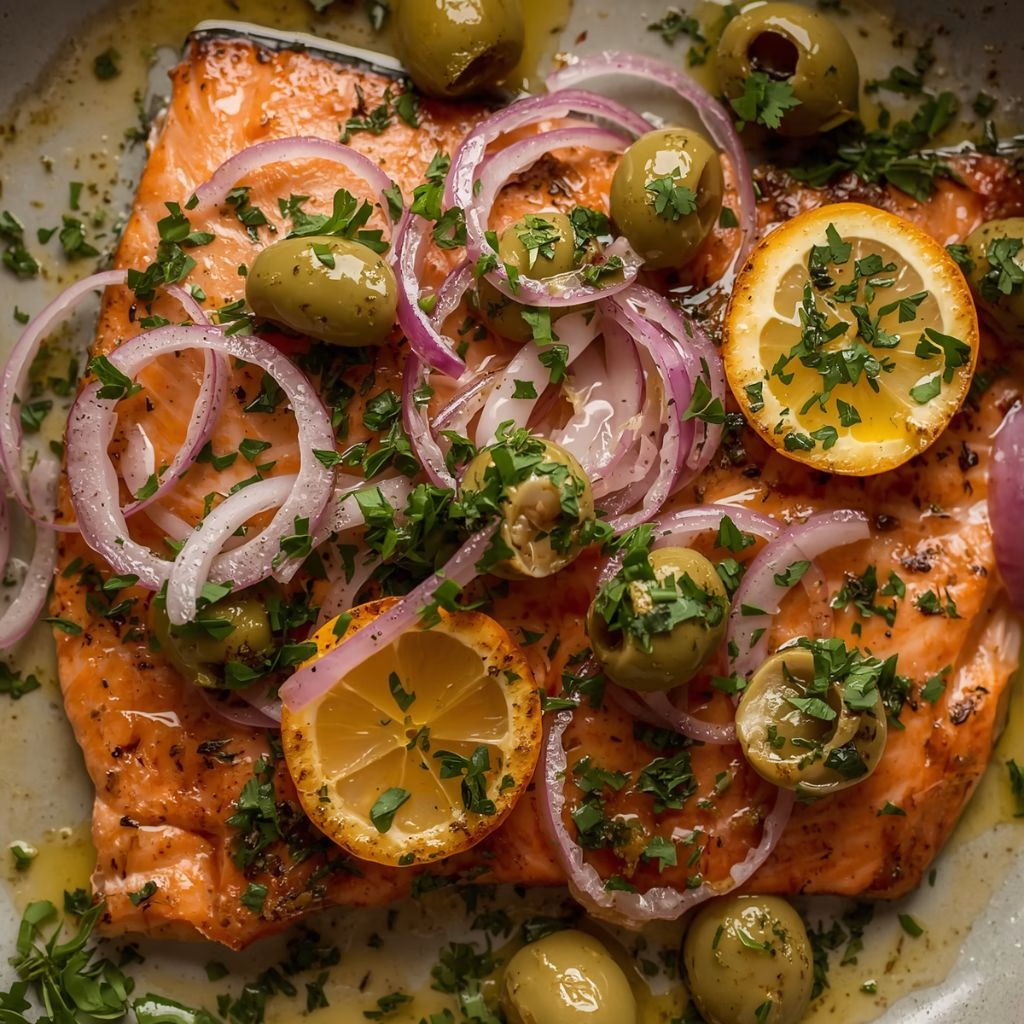
  3. Lay thin lemon slices over the top of the salmon and sprinkle freshly chopped dill evenly. The lemon slices gently roast and release juice, while the dill adds a fragrant, fresh aroma during cooking.
  4. Place the salmon in the oven and let it cook slowly for about 25–30 minutes. The fish should look opaque and flake easily with a fork. Avoid overcooking, as the gentle roasting is what keeps it soft and juicy.
  5. Once done, remove the salmon from the oven and let it rest for a few minutes. This helps the juices redistribute and improves texture. Serve warm with extra dill or a squeeze of lemon if desired.
Notes

  • I always use fresh salmon instead of frozen because the texture is noticeably better
  • I don’t skip patting the fish dry—it helps the seasoning stick properly
  • I like adding lemon slices underneath the salmon for extra flavor infusion
  • I check the fish a few minutes early to avoid overcooking
  • I sometimes drizzle a little extra olive oil right before serving for added richness