Go Back
Spaghetti Squash Pad Thai Recipe
Ash Tyrrell

Spaghetti Squash Pad Thai Recipe

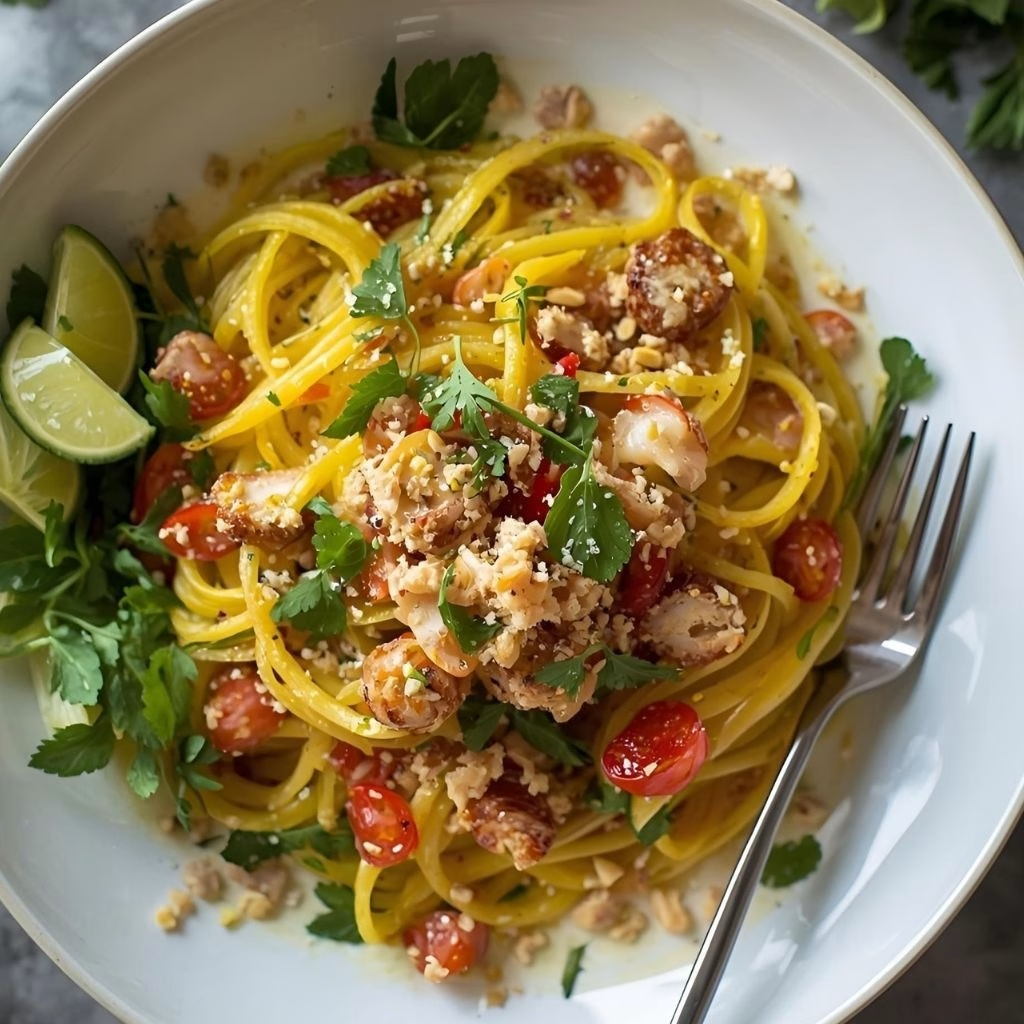
Last weekend, I discovered my new favorite dinner recipe: Spaghetti Squash Pad Thai! Swapping noodles for spaghetti squash turned this classic into a lighter, healthier alternative without losing its bold, tangy flavor. From the sweet-savory sauce to the crunch of fresh veggies, every bite was packed with joy.
Prep Time 15 minutes
Cook Time 40 minutes
Servings: 4

Ingredients
  

  • 1 medium spaghetti squash: Swap noodles with this low-calorie naturally gluten-free alternative. Make sure it’s hard and unblemished for quality strands.
  • 2 tablespoons vegetable oil: For sautéing veggies and ensuring they cook evenly without sticking.
  • 2 garlic cloves minced: Brings a savory punch to the dish’s base flavor.
  • 1 small onion thinly sliced: Adds sweetness and depth to the Pad Thai.
  • 1 red bell pepper julienned: Optional, but its slight sweetness brightens the dish.
  • 1 cup shredded carrots: Brings crunch color, and a hint of natural sweetness.
  • 1 cup bean sprouts: Delivers that classic Pad Thai texture and a fresh bite.
  • 2 eggs lightly beaten: These scrambled eggs add richness and protein.
  • 1/4 cup roasted peanuts chopped (optional): For crunch and a nutty flavor.
  • Fresh cilantro: Garnish for a pop of green and fresh aroma.
  • 3 tablespoons soy sauce: Salty and umami-packed base for the sauce.
  • 2 tablespoons fish sauce: Adds depth and authenticity; swap for coconut aminos if vegetarian.
  • 2 tablespoons tamarind paste: Crucial for tangy sour undertones; don’t leave this out!
  • 1 tablespoon rice vinegar: Helps balance the sweet-sour dynamic.
  • 2 tablespoons brown sugar: Binds the sauce with sweetness for that iconic Pad Thai flavor.
  • 1 teaspoon chili flakes: Adjust for spice preference.

Method
 

  1. Start by preheating your oven to 400°F (200°C). Slice the spaghetti squash in half lengthwise and scoop out the seeds with a spoon. Place the squash halves cut-side up on a baking tray. Drizzle each half with olive oil, sprinkle with salt and pepper, and roast for 40-50 minutes. Once it’s tender, allow the squash to cool for a few minutes before using a fork to scrape out the strands.
  2. While your squash is roasting, whip up the star of the dish: the sauce. Mix soy sauce, fish sauce (or a vegetarian substitute), tamarind paste, rice vinegar, brown sugar, and chili flakes in a bowl. Adjust the flavors based on your taste preferences for sweetness, tanginess, or spice.
  3. Heat vegetable oil in a large pan or wok over medium heat. Add minced garlic and sliced onions, cooking until fragrant. Toss in the bell peppers and shredded carrots, stirring occasionally. Keep the veggies slightly crunchy for the perfect Pad Thai texture.
  4. Push the sautéed veggies to one side of the pan. Pour in the beaten eggs, scrambling them until set. Add the roasted spaghetti squash strands and bean sprouts to the pan, mixing everything well. Pour your prepared sauce over the mixture and toss to coat thoroughly. Cook for an additional 2-3 minutes to ensure the flavors meld together
  5. Plate your Pad Thai and sprinkle roasted peanuts for crunch, along with fresh cilantro for an herby garnish. For an extra touch, serve it with lime wedges on the side for a zesty boost. And if you’re feeling creative, scoop the Pad Thai back into the spaghetti squash shells for a fun and impressive presentation!
Notes

  • Check for ripeness: Choose a firm, golden-yellow spaghetti squash for the best strands.
  • Be patient roasting the squash: Undercooked squash won’t shred properly, so roast it until completely tender.
  • Season as you go: Adjust the sauce to balance sweet, sour, salty, and spicy flavors to your liking.
  • Keep veggies crisp: Overcooked vegetables can lose their texture, so don’t sauté them too long.