Start by removing the turkey from its packaging and taking out the giblets and neck if included. Pat the entire bird dry, inside and out, with paper towels. This step matters more than people think, since excess moisture is the enemy of crispy skin later in the oven.
Place the turkey breast-side down on your cutting board with the tail end facing you. Using poultry shears, cut along one side of the backbone from tail to neck, then repeat on the other side to free it completely. Save the backbone for stock or gravy later.
Flip the turkey breast-side up and press down firmly on the breastbone with the heel of your hand. You'll hear a crack as the bird flattens out, which is exactly what you want. This flattening is what allows the turkey to cook so much faster and more evenly than roasting it whole.
Rub the kosher salt evenly all over the skin and under it where you can reach. Place the turkey uncovered in the fridge overnight, or for at least 8 hours if time allows. This dry brine step draws moisture to the surface, which then gets reabsorbed, seasoning the meat deeply and helping the skin crisp up beautifully.
In a small bowl, mash together the softened butter, minced garlic, rosemary, thyme, and black pepper until fully combined. This compound butter is what gives the turkey its deep, savory flavor right under the skin.
Gently loosen the skin over the breast and thighs with your fingers, then massage about two-thirds of the herb butter directly onto the meat under the skin. Rub the remaining butter over the outside of the skin for extra browning and flavor.
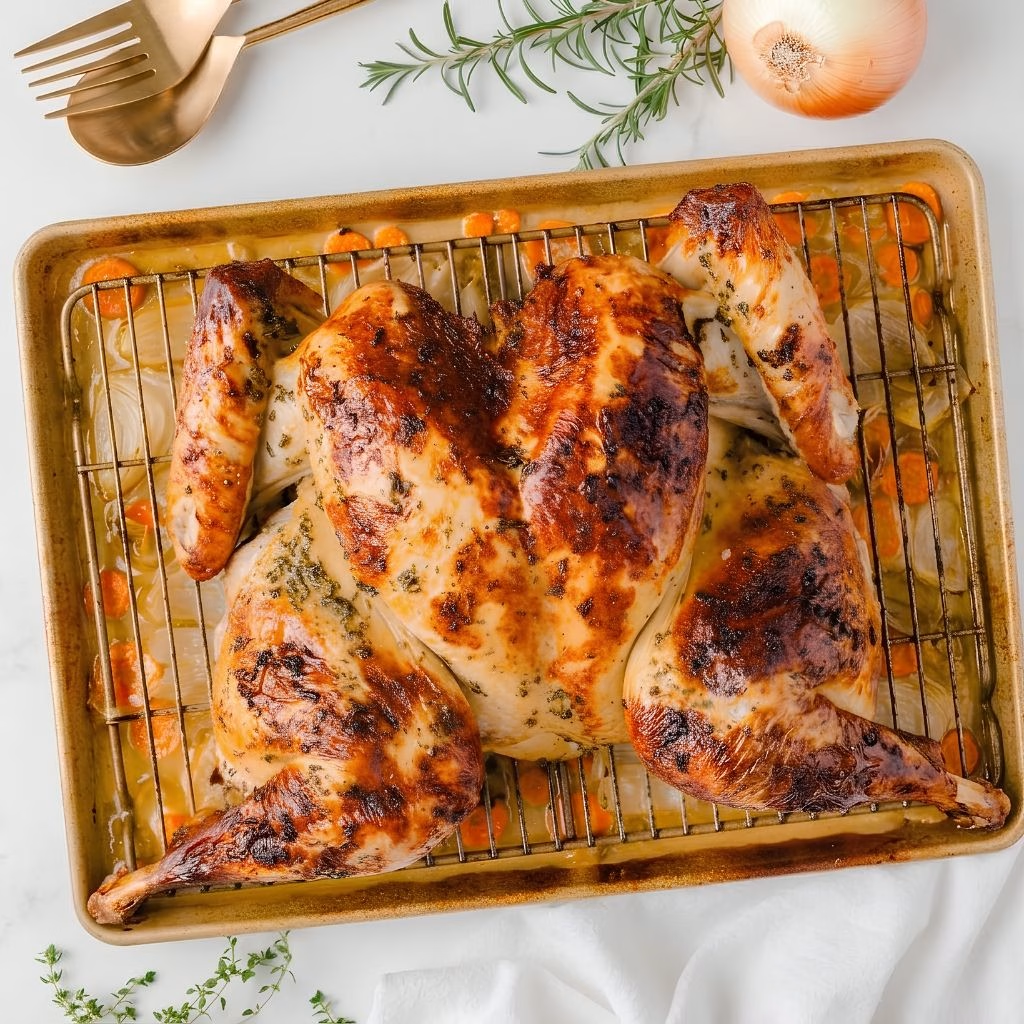
Scatter the onion, carrots, celery, and lemon slices across the bottom of your baking sheet, then place the wire rack on top. Pour the chicken stock into the pan below the rack to keep the drippings from burning during the long roast.
Place the turkey breast-side up on the wire rack, tucking the wing tips underneath and splaying the legs outward. Roast at 450°F for 60–90 minutes, until a thermometer reads 165°F in the breast and 175°F in the thigh.
Remove the turkey from the oven and tent it loosely with foil. Let it rest for 20–30 minutes before carving, which allows the juices to redistribute through the meat instead of spilling out onto your cutting board.