Go Back
Teriyaki Salmon Avocado Rice Stack Recipe
Ash Tyrrell

Teriyaki Salmon Avocado Rice Stack Recipe

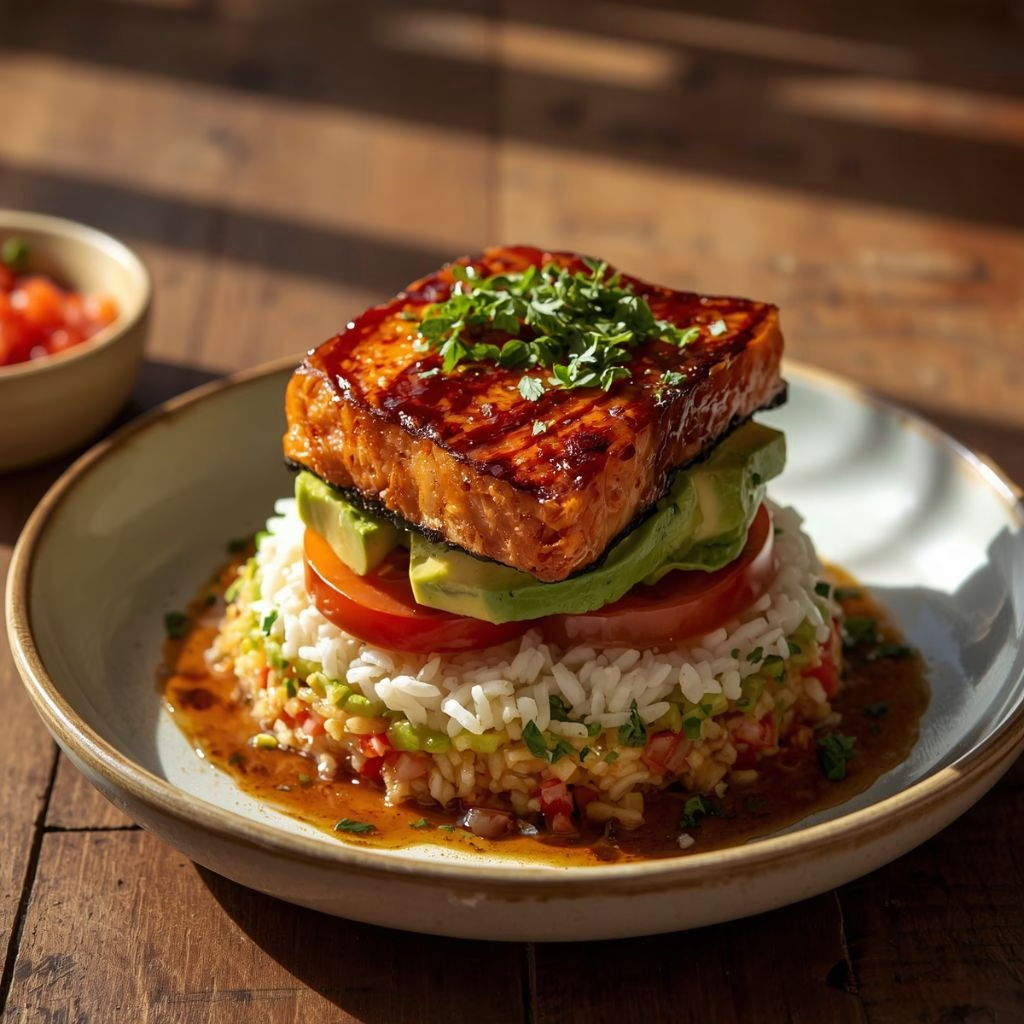
I recently made this Teriyaki Salmon Avocado Rice Stack, and I honestly couldn’t stop admiring how beautiful it looked on the plate. The layers of tender salmon, creamy avocado, and seasoned rice create the perfect balance of texture and flavor. What I loved most was how fresh and satisfying every bite tasted without feeling too heavy
Total Time 30 minutes
Servings: 3

Ingredients
  

  • 2 salmon fillets about 6 ounces each – Fresh salmon gives the best texture and flavor. Skinless fillets work best for stacking neatly.
  • 2 cups of cooked sushi rice – Slightly sticky rice helps the stack hold its shape better than regular long-grain rice.
  • 1 large avocado diced – Choose a ripe but firm avocado so it keeps its shape when layered.
  • 3 tablespoons of teriyaki sauce – Homemade or high-quality bottled sauce adds rich umami flavor.
  • 1 tablespoon soy sauce – Helps deepen the savory taste of the salmon.
  • 1 teaspoon sesame oil – Adds a nutty aroma and authentic Asian-inspired flavor.
  • 1 teaspoon honey – Balances the salty ingredients with a touch of sweetness.
  • 1 teaspoon rice vinegar – Brightens the rice and enhances freshness.
  • 1 teaspoon sesame seeds – Perfect for garnish and a little crunch.
  • 2 green onions thinly sliced – Adds freshness and mild onion flavor.
  • 1 teaspoon sriracha optional – Great for adding a little heat.
  • 1 cucumber finely diced – Adds crisp texture and freshness.
  • Salt and black pepper to taste – Essential for seasoning the salmon properly.
  • Cooking spray or 1 tablespoon olive oil – Prevents sticking while cooking the salmon.

Method
 

  1. Cook the sushi rice according to package instructions until soft and slightly sticky. Once cooked, let it cool for a few minutes before mixing in rice vinegar for extra flavor. The rice should be easy to shape without becoming mushy.
  2. Place the salmon fillets in a bowl and season with soy sauce, sesame oil, honey, salt, and black pepper. Let the salmon marinate for at least 10 minutes so it absorbs the savory teriyaki flavors. This quick step makes the fish incredibly flavorful.
  3. Heat a non-stick skillet over medium heat and lightly grease it with oil or cooking spray. Cook the salmon for about 4 to 5 minutes on each side until tender and slightly caramelized. Brush extra teriyaki sauce on top while cooking for a glossy finish.
  4. Dice the avocado and cucumber into small even pieces for easier layering. Slice the green onions thinly so they blend nicely into the stack. Keeping everything evenly chopped helps create a cleaner presentation.
  5. Once the salmon cools slightly, gently break it into bite-sized flakes using a fork. Remove any remaining bones or skin carefully before stacking. The flaky texture helps distribute flavor evenly in every layer.
  6. Place a food ring mold or measuring cup on the serving plate and start with a layer of rice. Press gently to create a stable base, then add cucumber, avocado, and salmon layers. Repeat gently until the stack looks tall and structured.
  7. Carefully remove the mold to reveal the layered stack underneath. Sprinkle sesame seeds and sliced green onions over the top for extra flavor and visual appeal. Add a drizzle of teriyaki sauce or sriracha for a final touch.
  8. Serve the rice stack fresh while the salmon is still slightly warm and the avocado remains creamy. The contrast between warm salmon and cool vegetables makes every bite refreshing. Enjoy it as a light dinner, lunch, or impressive appetizer.
Notes

  • I always use freshly cooked rice because cold rice becomes too firm and doesn’t stack as nicely.
  • I found that slightly under-ripe avocados hold their shape better and don’t turn mushy.
  • I like adding a little extra teriyaki sauce right before serving for more flavor.
  • I sometimes chill the cucumber before chopping because it makes the stack feel extra refreshing.
  • I prefer pan-searing the salmon instead of baking because it creates a better caramelized surface.
  • I learned that pressing the layers gently prevents the stack from collapsing on the plate.