Go Back
Thai Peanut Noodles with Shrimp and Stir-Fry Veggies Recipe
Ash Tyrrell

Thai Peanut Noodles with Shrimp and Stir-Fry Veggies Recipe

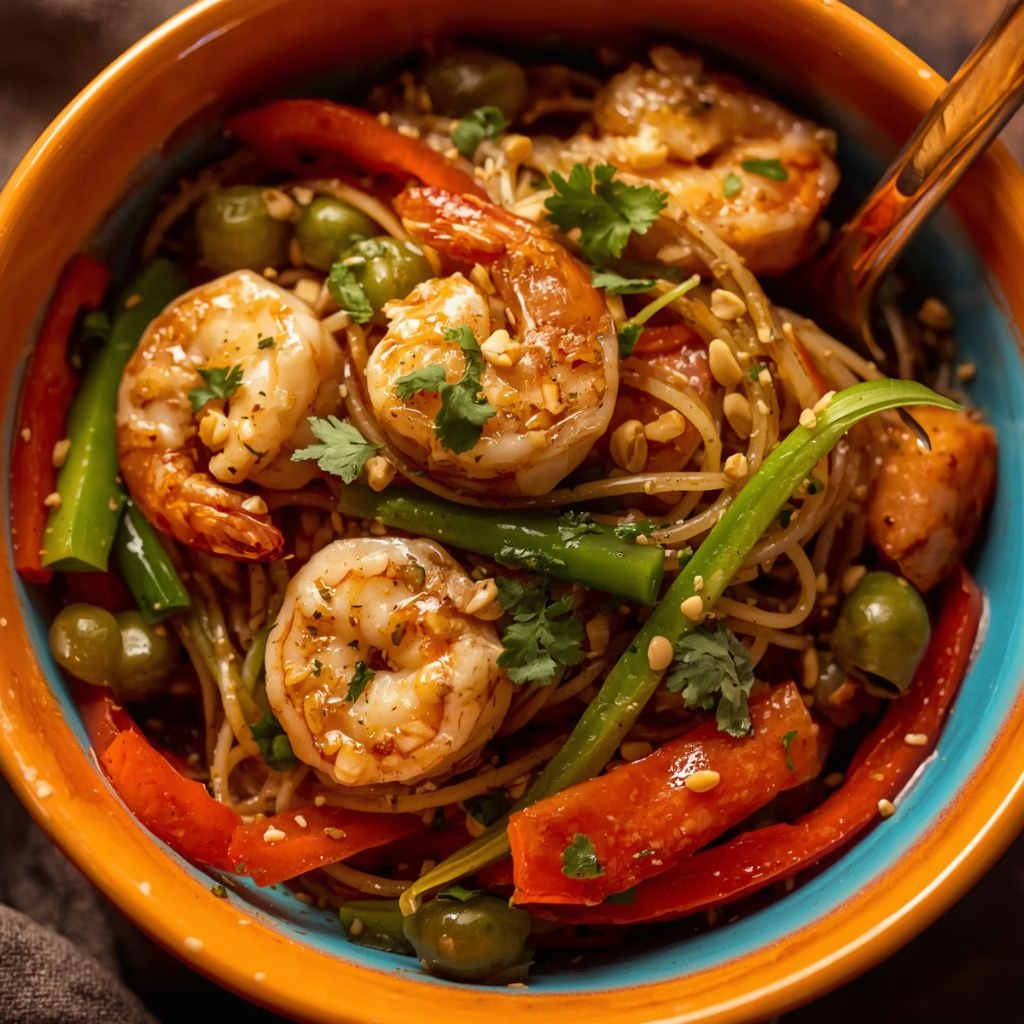
I recently made these Thai Peanut Noodles with Shrimp and Stir-Fry Veggies, and they quickly became one of my favorite weeknight dinners. The creamy peanut sauce coats every strand of noodle perfectly, while the shrimp adds a juicy and satisfying bite. I love how colorful the vegetables make the dish, giving it both texture and freshness
Total Time 25 minutes
Servings: 4

Ingredients
  

  • 8 ounces spaghetti or rice noodles – Spaghetti holds the sauce exceptionally well while rice noodles offer a more traditional Thai-inspired texture.
  • 1 pound large shrimp peeled and deveined – Fresh or thawed shrimp cook quickly and stay tender.
  • 2 tablespoons avocado oil divided – Ideal for stir-frying because of its high smoke point.
  • 8 ounces snap peas – Adds crunch and vibrant color.
  • 6 to 8 mini sweet peppers thinly sliced – Provides natural sweetness and freshness.
  • 1 shallot thinly sliced – Gives the dish a mild onion flavor without overpowering the sauce.
  • 1 tablespoon garlic minced – Fresh garlic creates the best aroma and depth.
  • 1 tablespoon fresh ginger grated – Freshly grated ginger offers brighter flavor than powdered ginger.
  • ½ cup canned coconut milk – Use canned coconut milk for a rich and creamy sauce.
  • ½ cup natural creamy peanut butter – Natural peanut butter creates a smoother nuttier sauce.
  • 2 tablespoons brown sugar – Balances the savory and tangy flavors.
  • 1 to 1½ cups reserved pasta water – Helps create a silky restaurant-style sauce.
  • 1 tablespoon fish sauce – Adds authentic savory depth.
  • 2 tablespoons fresh lime juice – Brightens the entire dish.
  • 1 teaspoon sriracha – Adds gentle heat.
  • ¼ cup crushed roasted peanuts – Provides crunch and nutty flavor.
  • 2 green onions sliced – Adds freshness and color.
  • ¼ cup Thai basil or regular basil chopped – Adds a fragrant finishing touch.
  • Salt and black pepper to taste – Enhances all the flavors.

Method
 

  1. Bring a large pot of salted water to a boil and cook the noodles according to package instructions. Reserve about 1½ cups of pasta water before draining. Set the cooked noodles aside while you prepare the other ingredients.
  2. Heat one tablespoon of avocado oil in a large skillet over medium-high heat. Pat the shrimp dry and season lightly with salt and pepper. Cook for 2 to 3 minutes per side until pink and fully cooked, then transfer to a bowl.
  3. Add the remaining oil to the same skillet. Toss in the snap peas, sliced peppers, and shallot. Stir-fry for 3 to 4 minutes until slightly charred but still crisp.
  4. Reduce the heat slightly and add the garlic and grated ginger. Cook for about 30 seconds while stirring constantly. The mixture should become fragrant without browning.
  5. Pour in the coconut milk and whisk in the peanut butter and brown sugar. Slowly add reserved pasta water until the sauce becomes creamy and smooth. Continue whisking until fully combined.
  6. Stir in the fish sauce, lime juice, and sriracha. Taste the sauce and adjust seasoning if needed. The sauce should be creamy, slightly sweet, tangy, and savory.
  7. Return the shrimp and vegetables to the skillet. Add the cooked noodles and toss until every ingredient is coated in the peanut sauce. Add more pasta water if the sauce becomes too thick.
  8. Fold in the crushed peanuts, sliced green onions, and chopped basil just before serving. This keeps the garnishes fresh and crunchy. Serve immediately while warm.
Notes

  • I always pat the shrimp completely dry before cooking because it helps them develop better color and texture.
  • I gradually add pasta water instead of all at once, which gives me better control over the sauce consistency.
  • I prefer natural peanut butter because it creates a richer peanut flavor.
  • I add basil at the very end so it stays vibrant and aromatic.
  • I sometimes squeeze extra lime juice over the finished dish for a brighter flavor.
  • I like using freshly grated ginger because it tastes much fresher than pre-packaged versions.