Go Back
Chicken Zinger Burger Recipe
Ash Tyrrell

Chicken Zinger Burger Recipe

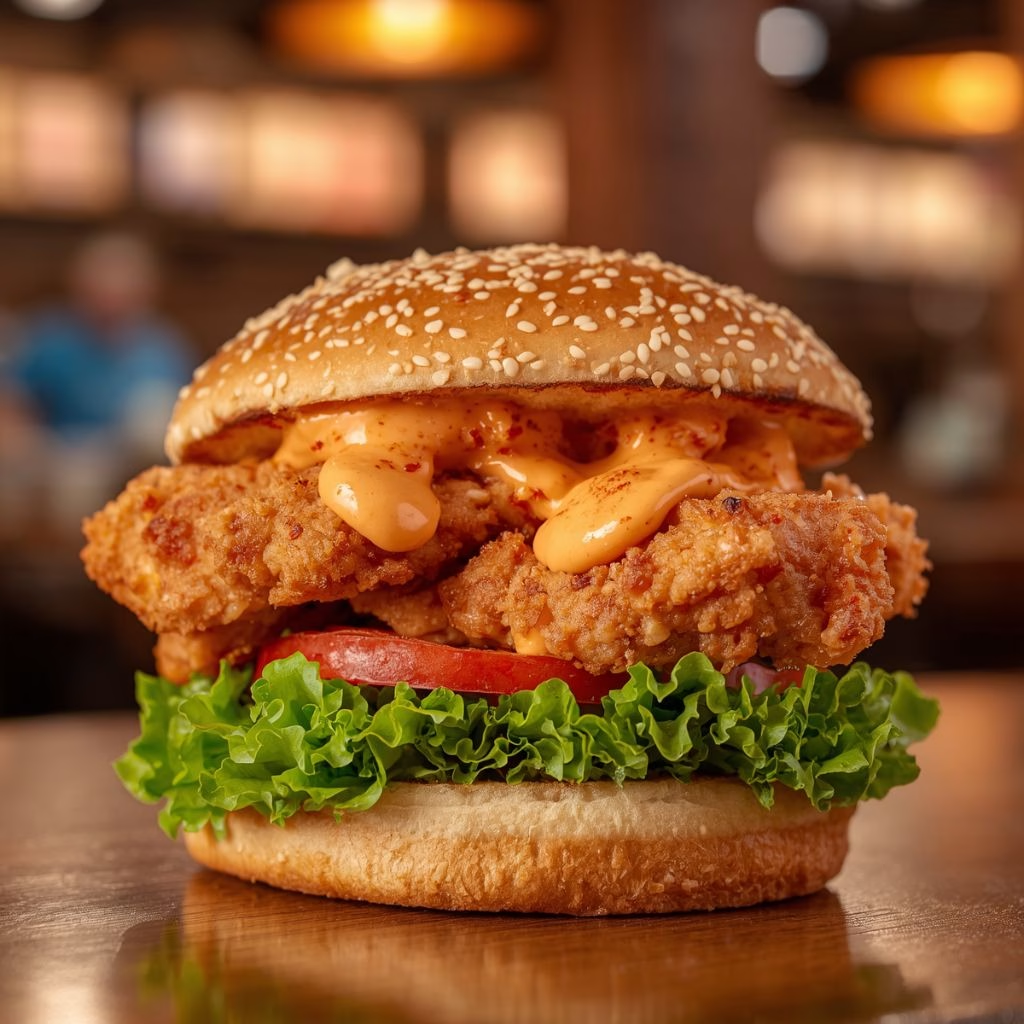
I still remember the first time I made this at home instead of driving to grab one. I wanted that same crunchy, spicy chicken patty, but fresher and made with ingredients I trust. After a few tries, I finally nailed the coating and the marinade balance.
Total Time 1 hour 30 minutes

Ingredients
  

  • 2 boneless skinless chicken breasts (pound them to an even thickness so they cook evenly and stay juicy)
  • 3/4 cup buttermilk the mild acidity tenderizes the chicken; if you don't have any, stir a splash of vinegar into regular milk
  • 1 tablespoon hot sauce adds a subtle background heat to the marinade itself
  • 1 teaspoon paprika for color and a smoky note
  • 1 teaspoon garlic powder
  • 1/2 teaspoon black pepper
  • 1 teaspoon salt
  • 1 cup all-purpose flour the base of your crispy coating
  • 2 tablespoons cornstarch this is my real secret ingredient; it keeps the crust light and shatteringly crisp instead of dense and bready
  • 1 teaspoon cayenne pepper adjust up or down depending on how spicy you like it
  • 1/2 teaspoon onion powder
  • 2 cups vegetable or canola oil for frying avoid olive oil, since it can't handle high frying temperatures
  • 2 burger buns lightly toasted (brioche gives a richer, slightly sweet contrast to the spice)
  • 2 tablespoons mayonnaise
  • A handful of shredded lettuce fresh, crisp lettuce keeps its crunch; skip anything wilted or pre-bagged that's gone soft
  • Pickles or tomato slices optional

Method
 

  1. I start by placing the chicken breasts between two sheets of plastic wrap. Using a meat mallet, I pound them to an even thickness of about three-quarters of an inch. This helps the chicken cook through evenly without drying out the edges.
  2. In a large bowl, I whisk together the buttermilk, hot sauce, paprika, garlic powder, salt, and pepper. This marinade does more than add flavor; the buttermilk's acidity gently breaks down the surface of the chicken, keeping it tender through frying.
  3. I submerge the chicken fully in the marinade, cover the bowl, and refrigerate it for at least an hour. If I have time, I let it sit overnight, since the flavor only gets better the longer it rests.
  4. While the chicken marinates, I combine the flour, cornstarch, cayenne pepper, and onion powder in a shallow dish. The cornstarch is what gives the crust its light, shattering crunch instead of a heavy, doughy texture.
  5. I remove the chicken from the marinade, letting the excess drip off, then press each piece firmly into the flour mixture. Pressing it in on all sides helps the coating stick properly during frying.
  6. I pour oil into a deep skillet until it's about two inches deep and heat it to 350°F. Getting the temperature right matters; oil that's too cool makes the coating greasy instead of crisp.
  7. I carefully lower the coated chicken into the hot oil and fry for about five to six minutes per side, until it's deep golden brown. I always check that the internal temperature reaches 165°F before removing it.
  8. Once cooked, I transfer the chicken to a wire rack instead of a paper towel. This keeps air circulating underneath so the crust doesn't turn soggy while it rests for a couple of minutes.
  9. I toast the buns lightly, spread mayonnaise on both halves, layer on the shredded lettuce, and place the crispy chicken on top. A few pickle slices go on before I close it up and serve right away.
Notes

  • I always pat the chicken dry before marinating; too much surface moisture stops the marinade from really soaking in.
  • I never skip the resting step on a wire rack, since it keeps the bottom of the coating from steaming and going soft.
  • I use a thermometer for the oil rather than guessing, because inconsistent oil temperature is the number one reason coatings turn out greasy or pale.
  • I let the coated chicken sit for ten to fifteen minutes before frying; it helps the crust cling on better instead of flaking off in the oil.
  • I toast my buns in a dry pan for a minute, which stops them from getting soggy once the sauce and chicken go on.