Bring a large pot of water to a rolling boil and add the salt. Drop in the pasta and cook it to just under al dente, since it will soften a little more in the hot sauce. If you are dyeing regular macaroni, stir the black gel coloring into the boiling water before adding the noodles.
Drain the pasta in a colander but do not rinse it. That thin layer of starch on the surface is what helps the cheese sauce grip every noodle. Set it aside and give it an occasional toss so it does not clump together while you finish the sauce.
Melt the butter in your saucepan over medium heat until it foams gently. Whisk in the flour and keep whisking for about a minute until the mixture looks smooth and smells slightly nutty. This short cooking step removes the raw flour taste that ruins so many homemade cheese sauces.
Pour the milk in slowly, a splash at a time, whisking constantly as you go. Adding it all at once is the fastest way to end up with lumps you cannot whisk out. Keep stirring over medium heat until the sauce thickens enough to coat the back of your spoon.
Turn the heat down to low before the cheese goes anywhere near the pan. Add the cheddar and mozzarella in small handfuls, stirring until each addition disappears completely. Low and slow is the rule here, because high heat will split the sauce and leave it oily.
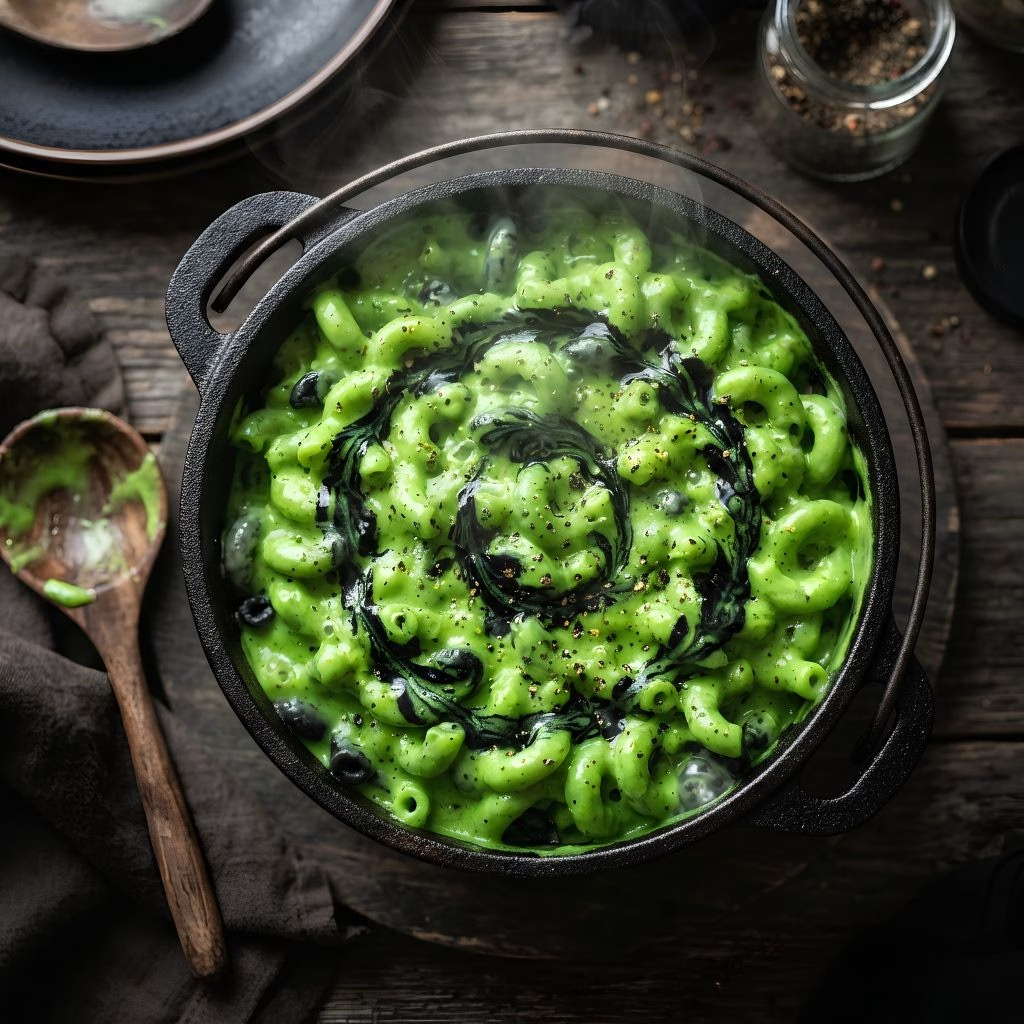
Take the pan off the heat and add the green gel coloring a few drops at a time. Stir thoroughly after each addition until the color is even throughout. I usually stop at four drops, but go deeper if you want that full radioactive swamp effect.
Stir in the black pepper and garlic powder, then taste the sauce properly. Cheese brings its own salt, so season carefully rather than dumping it in. Those black pepper flecks floating in the green also look exactly like ash from a witch's fire.
Tip the drained pasta into the sauce and fold it through gently with your spatula. Keep turning until every strand is coated and the color looks uniform. If it feels too thick, loosen it with a splash of warm milk until it moves like lava.
Spoon it straight into mini cauldrons, black bowls, or a cast iron pan while it is still steaming. A tiny swirl of black gel coloring dragged across the top right before serving makes it look like something is brewing underneath. Serve immediately, because this dish is at its creamiest in the first ten minutes.