Go Back
Flank Steak with Chimichurri Recipe
Ash Tyrrell

Flank Steak with Chimichurri Recipe

I still remember the first time I made this flank steak with chimichurri for a backyard dinner, and I honestly couldn't stop going back for one more bite. The sauce is punchy, garlicky, and herby in the best way, and it turns an affordable cut of beef into something that tastes like it came from a steakhouse
Total Time 32 minutes

Ingredients
  

  • Flank steak 1 ½ to 2 pounds – this cut is lean, affordable, and takes on marinade beautifully; skirt steak works too if that's what your butcher has.
  • Fresh garlic 2 tablespoons, peeled and minced – fresh cloves give the sauce its sharp, punchy backbone, so skip the jarred stuff here.
  • Fresh parsley ½ cup, stems included – the stems carry plenty of flavor, so there's no need to waste them; flat-leaf holds up better in sauce than curly.
  • Fresh cilantro ¼ cup, stems included – it adds a bright, slightly citrusy note that balances the parsley.
  • Olive oil 1 cup – choose a mild, good-quality oil since you'll actually taste it, not just cook with it.
  • Fresh lemon juice ¼ cup (about 1-2 lemons) – this brings the acidity that keeps the sauce from tasting heavy; top it off with red wine vinegar if your lemons come up short.
  • Dried oregano 1 tablespoon – dried oregano brings a deeper, earthier flavor here than fresh leaves would.
  • Crushed red pepper flakes 1 tablespoon – these mellow and bloom once they hit the lemon juice, giving the sauce a gentle, lingering heat.
  • Salt ½ tablespoon, plus more to taste – season in layers, tasting as you go, since the steak also gets a sprinkle before searing.

Method
 

  1. Start by adding the peeled garlic to your food processor and pulsing until it's finely minced. Toss in the parsley and cilantro next, pulsing again until everything is chopped small and even. Finally, add the oil, lemon juice, oregano, red pepper flakes, and salt, then pulse.
  2. If your flank steak is on the larger side or won't fit your skillet, cut it in half first, making sure to slice with the grain rather than against it at this stage. Place the steak in a baking dish or a resealable bag and pour about a third of the chimichurri over it. Turn the meat to coat it fully in the sauce.
  3. Let the steak sit in the marinade for at least 30 minutes, though I usually try to give it closer to one or two hours if I have the time. This step is what really tenderizes the meat and works the garlic, herbs, and lemon deep into the fibers. Keep it covered in the fridge while it marinates.
  4. Set a cast iron skillet over medium-high heat and let it warm for a few minutes before adding any steak. While it heats, pull the steak from the marinade, scrape off the excess, and pat it completely dry with paper towels. A quick sprinkle of salt right before cooking helps the crust form.
  5. Add a tablespoon or two of oil to the hot skillet, depending on how much steak you're cooking, and wait until it shimmers. Carefully lay the steak in with tongs and let it cook undisturbed for three to four minutes per side, adjusting slightly based on thickness and how you like it.
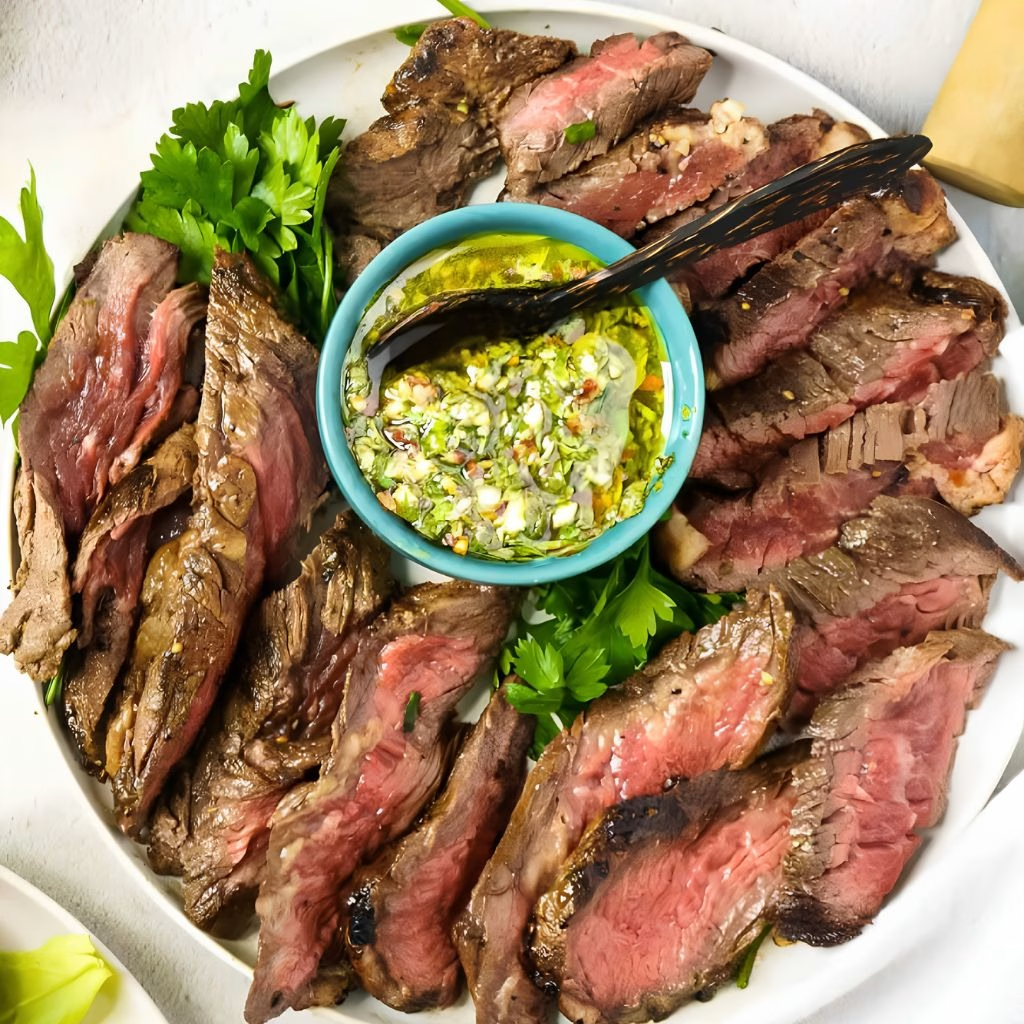
  6. Move the steak to a cutting board and let it rest for about five minutes so the juices redistribute instead of spilling out when you cut. Slice it thinly against the grain, arrange the pieces on a platter, and spoon the remaining fresh chimichurri generously over the top before serving.
Notes

  • I always pat the steak completely dry before it hits the pan, because any leftover moisture makes it steam instead of getting that deep golden crust I'm after.
  • I make sure to identify the grain of the meat before slicing, since cutting against it is really what makes each bite tender instead of chewy.
  • I like using a food processor over a mortar and pestle for the sauce, because pounding it turns the herbs mushy instead of keeping that nice chunky texture.
  • I try to marinate for closer to two hours whenever my schedule allows, since the extra time really deepens the flavor.
  • I keep an extra batch of chimichurri on hand in the fridge, because it's just as good on grilled vegetables, shrimp, or even a sandwich.