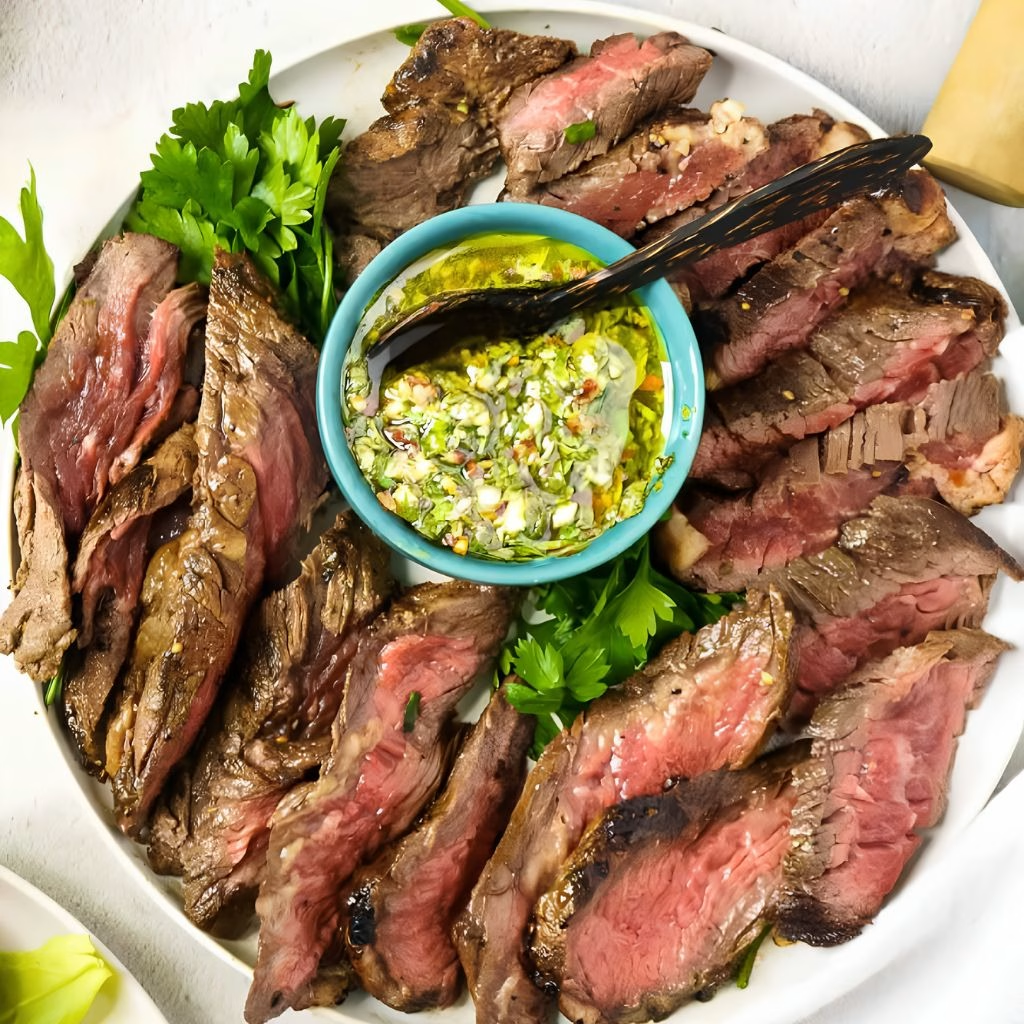
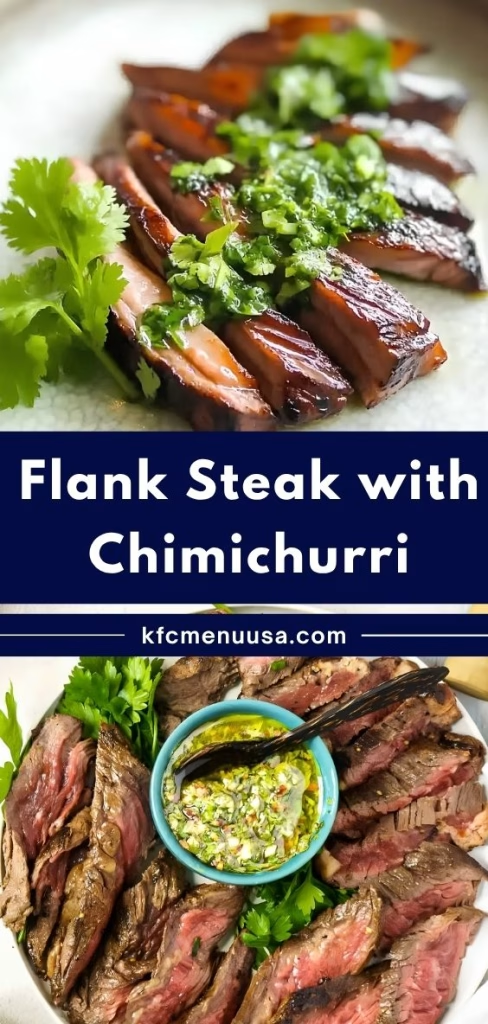
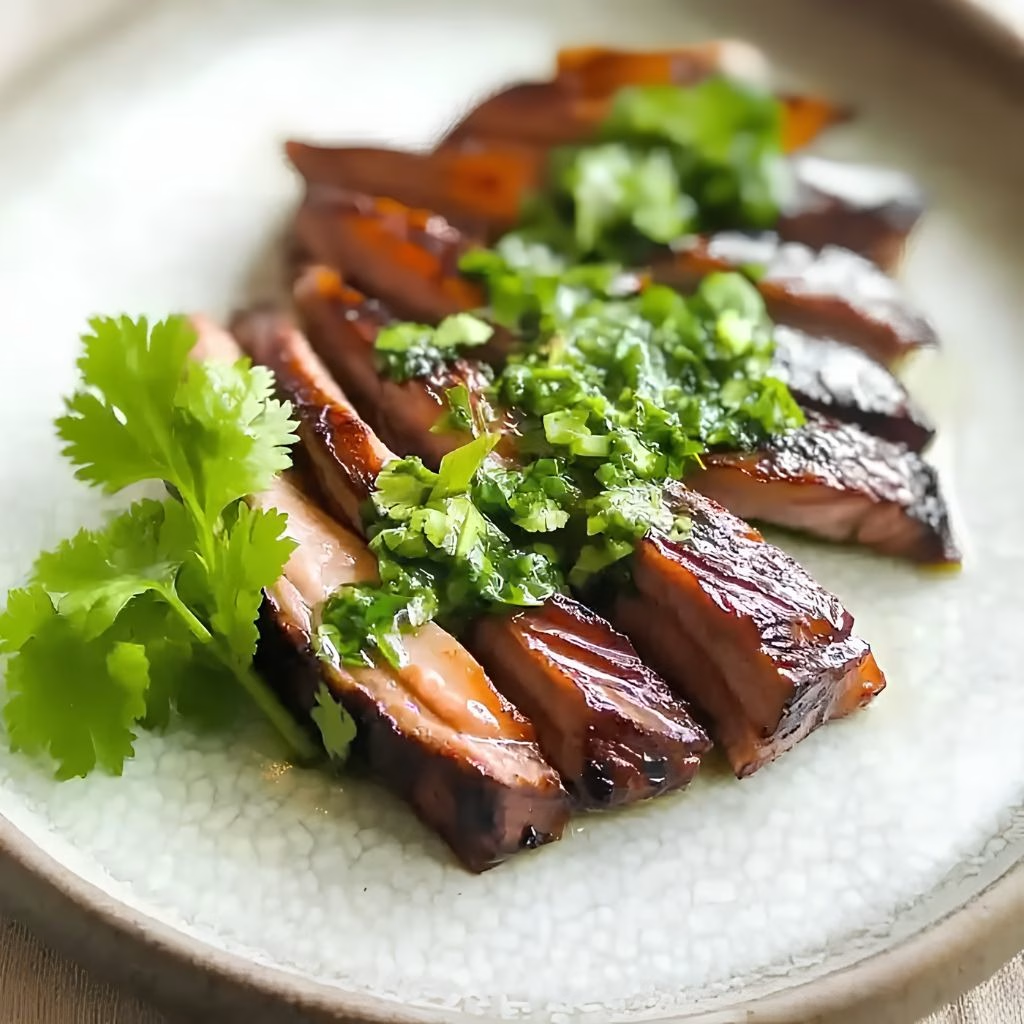
I still remember the first time I made this Flank Steak with Chimichurri Recipe for a backyard dinner, and I honestly couldn’t stop going back for one more bite. The sauce is punchy, garlicky, and herby in the best way, and it turns an affordable cut of beef into something that tastes like it came from a steakhouse.
I love that the whole thing, minus marinating, comes together in about half an hour. It’s become my go-to whenever I want something impressive without a mountain of dishes. Once you try it, I promise it earns a permanent spot in your dinner rotation.
Ingredients
- Flank steak, 1 ½ to 2 pounds – this cut is lean, affordable, and takes on marinade beautifully; skirt steak works too if that’s what your butcher has.
- Fresh garlic, 2 tablespoons, peeled and minced – fresh cloves give the sauce its sharp, punchy backbone, so skip the jarred stuff here.
- Fresh parsley, ½ cup, stems included – the stems carry plenty of flavor, so there’s no need to waste them; flat-leaf holds up better in sauce than curly.
- Fresh cilantro, ¼ cup, stems included – it adds a bright, slightly citrusy note that balances the parsley.
- Olive oil, 1 cup – choose a mild, good-quality oil since you’ll actually taste it, not just cook with it.
- Fresh lemon juice, ¼ cup (about 1-2 lemons) – this brings the acidity that keeps the sauce from tasting heavy; top it off with red wine vinegar if your lemons come up short.
- Dried oregano, 1 tablespoon – dried oregano brings a deeper, earthier flavor here than fresh leaves would.
- Crushed red pepper flakes, 1 tablespoon – these mellow and bloom once they hit the lemon juice, giving the sauce a gentle, lingering heat.
- Salt, ½ tablespoon, plus more to taste – season in layers, tasting as you go, since the steak also gets a sprinkle before searing.
Note: These ingredient amounts are built for a 1 ½ to 2 pound flank steak and yield roughly six servings, so scale everything up or down depending on how many people you’re feeding.
Variations
- Swap the olive oil for avocado oil if you want a slightly higher smoke point or a more neutral flavor.
- Add a spoonful of finely chopped shallot or red onion into the chimichurri for extra sharpness.
- Stir in a splash of red wine vinegar alongside the lemon juice for a tangier, more traditional Argentine-style sauce.
- Use skirt steak or sirloin instead of flank if that’s easier to find at your grocery store.
- Leave out the red pepper flakes entirely, or double them, depending on how much heat you like.
- Add fresh mint or a few basil leaves for a slightly different herbal twist.
Cooking Time
- Prep Time: 15 minutes
- Cook Time: 17 minutes
- Marinating Time: 30 minutes minimum (up to 2 hours for best flavor)
- Total Time: about 32 minutes, not counting marinating
Equipment You Need
- Food processor – makes quick work of finely chopping the herbs and blending the sauce evenly.
- Cast iron skillet – gets screaming hot for a deep, flavorful sear on the steak.
- Sharp chef’s knife – needed for slicing the steak thinly against the grain.
- Cutting board – gives you a stable surface for slicing and resting the meat.
- Tongs – essential for flipping the steak safely in a hot pan.
- Meat thermometer – takes the guesswork out of hitting the right doneness.
- Baking dish or resealable bag – holds the steak while it soaks up the marinade.
How to Make Flank Steak with Chimichurri?
This recipe really comes down to two simple parts: a fast food-processor sauce and a quick sear in a hot skillet. Once the chimichurri is made, most of it goes toward marinating the steak, and the rest gets spooned on top at the end. I’ll walk you through each stage below so nothing feels confusing.
Make the Chimichurri Sauce
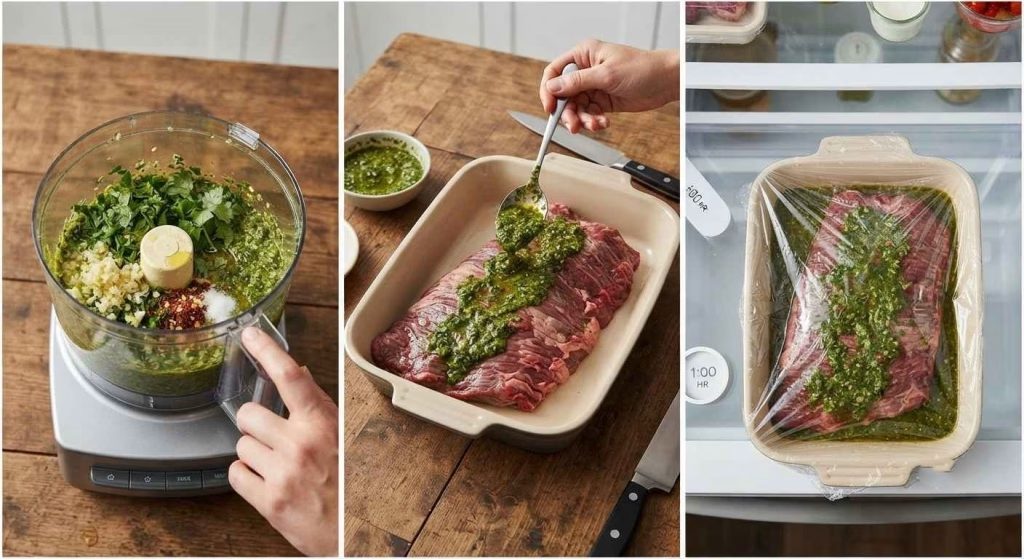
Start by adding the peeled garlic to your food processor and pulsing until it’s finely minced. Toss in the parsley and cilantro next, pulsing again until everything is chopped small and even. Finally, add the oil, lemon juice, oregano, red pepper flakes, and salt, then pulse until the sauce comes together but still has some texture.
Prep the Steak
If your flank steak is on the larger side or won’t fit your skillet, cut it in half first, making sure to slice with the grain rather than against it at this stage. Place the steak in a baking dish or a resealable bag and pour about a third of the chimichurri over it. Turn the meat to coat it fully in the sauce.
Marinate the Meat
Let the steak sit in the marinade for at least 30 minutes, though I usually try to give it closer to one or two hours if I have the time. This step is what really tenderizes the meat and works the garlic, herbs, and lemon deep into the fibers. Keep it covered in the fridge while it marinates.
Heat the Skillet
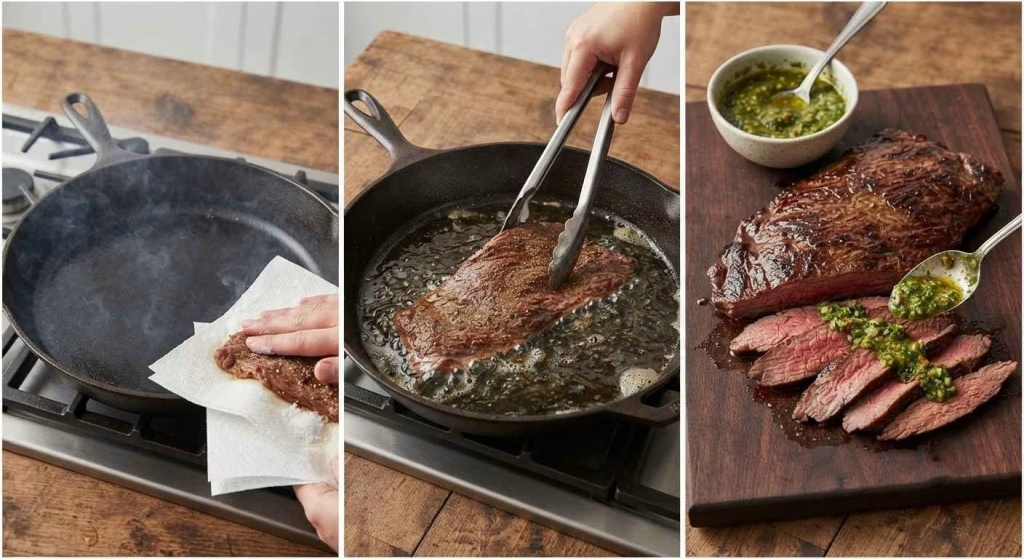
Set a cast iron skillet over medium-high heat and let it warm for a few minutes before adding any steak. While it heats, pull the steak from the marinade, scrape off the excess, and pat it completely dry with paper towels. A quick sprinkle of salt right before cooking helps the crust form.
Sear the Steak
Add a tablespoon or two of oil to the hot skillet, depending on how much steak you’re cooking, and wait until it shimmers. Carefully lay the steak in with tongs and let it cook undisturbed for three to four minutes per side, adjusting slightly based on thickness and how you like it.
Rest and Slice
Move the steak to a cutting board and let it rest for about five minutes so the juices redistribute instead of spilling out when you cut. Slice it thinly against the grain, arrange the pieces on a platter, and spoon the remaining fresh chimichurri generously over the top before serving.
Additional Tips for Making This Recipe Better
- I always pat the steak completely dry before it hits the pan, because any leftover moisture makes it steam instead of getting that deep golden crust I’m after.
- I make sure to identify the grain of the meat before slicing, since cutting against it is really what makes each bite tender instead of chewy.
- I like using a food processor over a mortar and pestle for the sauce, because pounding it turns the herbs mushy instead of keeping that nice chunky texture.
- I try to marinate for closer to two hours whenever my schedule allows, since the extra time really deepens the flavor.
- I keep an extra batch of chimichurri on hand in the fridge, because it’s just as good on grilled vegetables, shrimp, sandwiches, or even alongside Mango Yogurt Parfait with Coconut Crunch Recipe for a refreshing contrast after a hearty meal.
How to Serve Flank Steak with Chimichurri?
I love laying the sliced steak out in slightly overlapping rows on a big platter, then finishing it with a generous spoonful of fresh chimichurri right down the center so the color pops. A side of crispy fries or roasted diced potatoes is always a hit, especially since they’re great for dipping into any extra sauce.
For something lighter, I’ll pair it with roasted summer vegetables or a fresh tomato salad. A small bowl of extra chimichurri on the side lets everyone add as much as they want, and a simple finish like Yogurt Granola Breakfast Cups with Fruit and Honey Recipe makes a satisfying meal from start to finish.
Nutritional Information
Here’s roughly what you can expect per serving of this dish, based on the ingredients used in the recipe.
- Calories: about 488 kcal
- Protein: about 25 grams
- Carbohydrates: about 3 grams
- Fat: about 42 grams
Make Ahead and Storage
Making the Sauce Ahead: Chimichurri actually tastes better after it sits for a bit, so I often make mine a full day before I plan to cook the steak. Just keep it covered and refrigerated until you’re ready to use it.
Storing Leftovers: Any leftover steak keeps well in an airtight container in the fridge for up to three days, and it’s especially good sliced cold over a salad. The extra chimichurri sauce will stay fresh in a sealed jar in the fridge for up to two weeks.
Freezing: You can freeze portions of the chimichurri sauce in an ice cube tray for up to three months, which makes it easy to thaw just what you need. I don’t recommend freezing the cooked steak, since reheating it tends to overcook the meat and dry it out.
Why You’ll Love This Recipe
There are so many reasons this dish has become a regular in my kitchen, and I think it’ll win you over just as quickly.
- It’s genuinely easy to make. Once the steak has marinated, the actual cooking takes only a handful of minutes in a hot skillet, so there’s very little hands-on work involved.
- It’s incredibly versatile. The chimichurri isn’t just for steak; I use leftovers on grilled shrimp, roasted vegetables, grain bowls, and even sandwiches all week long.
- It fits several diets at once. This recipe is naturally low carb, keto-friendly, paleo, and Whole30-compliant, so it works for a lot of different eating styles without any swaps needed.
- The flavor is bold and customizable. You can dial the heat up or down, add extra acidity, or swap in different herbs depending on what you’re craving that day.
- It feels special without much effort. Between the vibrant sauce and the perfectly seared crust, this dish looks and tastes like something from a restaurant, even though it barely takes half an hour of cooking.

Flank Steak with Chimichurri Recipe
Ingredients
Method
- Start by adding the peeled garlic to your food processor and pulsing until it’s finely minced. Toss in the parsley and cilantro next, pulsing again until everything is chopped small and even. Finally, add the oil, lemon juice, oregano, red pepper flakes, and salt, then pulse.
- If your flank steak is on the larger side or won’t fit your skillet, cut it in half first, making sure to slice with the grain rather than against it at this stage. Place the steak in a baking dish or a resealable bag and pour about a third of the chimichurri over it. Turn the meat to coat it fully in the sauce.
- Let the steak sit in the marinade for at least 30 minutes, though I usually try to give it closer to one or two hours if I have the time. This step is what really tenderizes the meat and works the garlic, herbs, and lemon deep into the fibers. Keep it covered in the fridge while it marinates.
- Set a cast iron skillet over medium-high heat and let it warm for a few minutes before adding any steak. While it heats, pull the steak from the marinade, scrape off the excess, and pat it completely dry with paper towels. A quick sprinkle of salt right before cooking helps the crust form.
- Add a tablespoon or two of oil to the hot skillet, depending on how much steak you’re cooking, and wait until it shimmers. Carefully lay the steak in with tongs and let it cook undisturbed for three to four minutes per side, adjusting slightly based on thickness and how you like it.
- Move the steak to a cutting board and let it rest for about five minutes so the juices redistribute instead of spilling out when you cut. Slice it thinly against the grain, arrange the pieces on a platter, and spoon the remaining fresh chimichurri generously over the top before serving.
Notes
- I always pat the steak completely dry before it hits the pan, because any leftover moisture makes it steam instead of getting that deep golden crust I’m after.
- I make sure to identify the grain of the meat before slicing, since cutting against it is really what makes each bite tender instead of chewy.
- I like using a food processor over a mortar and pestle for the sauce, because pounding it turns the herbs mushy instead of keeping that nice chunky texture.
- I try to marinate for closer to two hours whenever my schedule allows, since the extra time really deepens the flavor.
- I keep an extra batch of chimichurri on hand in the fridge, because it’s just as good on grilled vegetables, shrimp, or even a sandwich.