Start by separating your eggs while they're still cold, then let the whites come to room temperature before whipping. Beat them in a clean, dry bowl until stiff peaks form and the mixture holds its shape. Set this bowl aside while you prepare the rest of the batter.
In a separate bowl, beat the egg yolks with the sugar for two to three minutes until the mixture turns pale yellow and slightly thick. This step builds air into the batter, which helps create that lighter top layer later on. Don't rush through it.
Pour in the melted, cooled butter along with the vanilla extract, then mix until everything is evenly combined. Make sure the butter isn't hot, or it can start cooking the egg yolks. This gives the batter its rich, buttery base flavor.
Add the flour to the yolk mixture and stir until just incorporated, with no dry streaks remaining. Overmixing here can develop the gluten too much, which affects how well the layers separate. Keep your mixing gentle and brief.
Stir in the freshly squeezed lemon juice and the grated lemon zest until fully combined. The zest carries most of the essential citrus oils, so be generous when grating it. This is where the cake really starts smelling amazing.
Slowly pour in the lukewarm milk while mixing, letting it fully combine into a thin, almost watery batter. The batter is supposed to look thin at this stage, so don't worry if it seems too loose. This liquid consistency is essential for the layers to form.
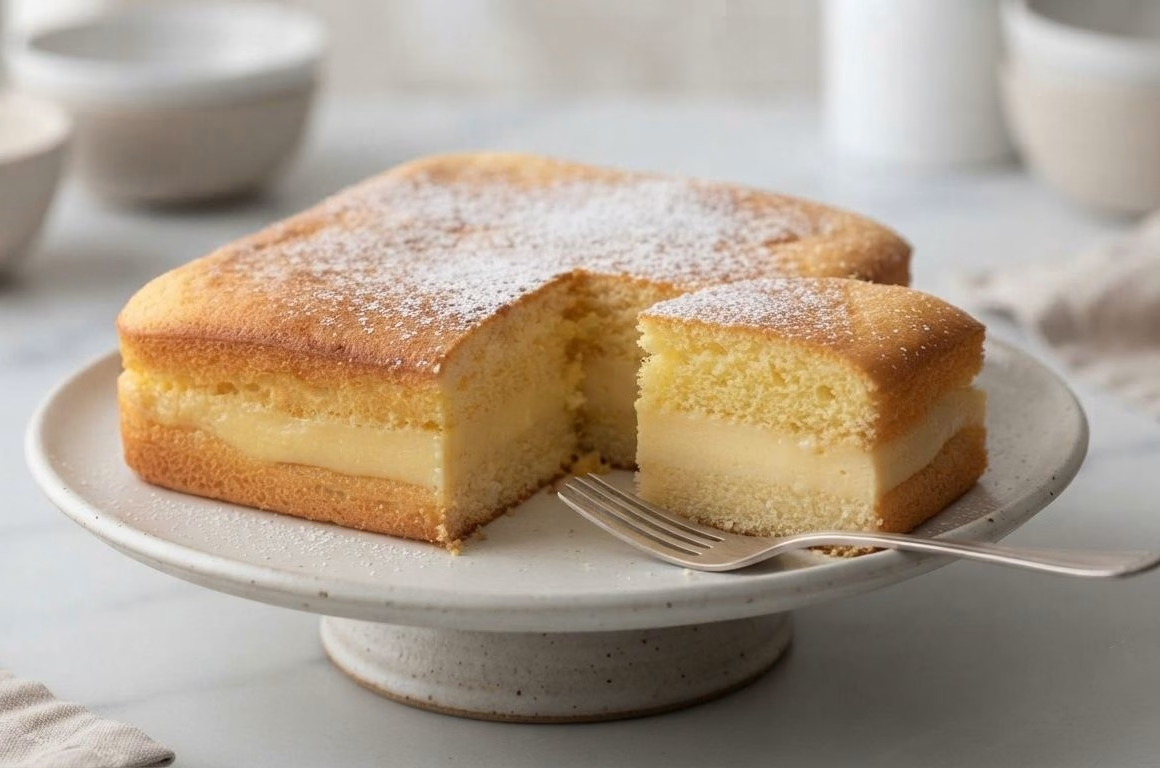
Add your whipped egg whites to the thin batter and whisk gently by hand rather than with a mixer. You don't need to fully incorporate them — small lumps of egg white floating on top are exactly what you want. Those lumps rise to the surface and become the fluffy top layer during baking.
Pour the batter into your prepared, parchment-lined pan and bake at 325°F for 40 to 60 minutes. Start checking around the 35-minute mark, since baking time varies by oven and pan. You're looking for a cake that's barely jiggly in the center but firm to the touch on top.
Let the cake cool completely at room temperature before dusting it with powdered sugar. Cutting into it while warm will cause the custard layer to run instead of holding its shape. Patience here really pays off in presentation.