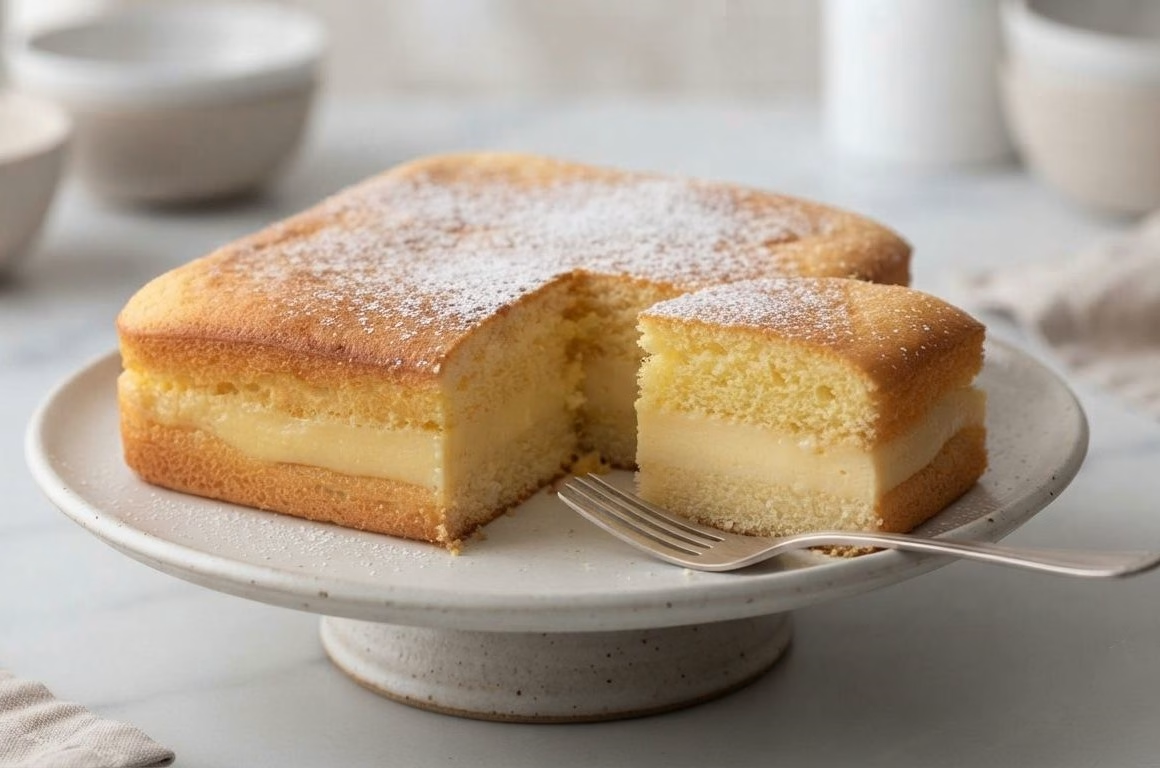
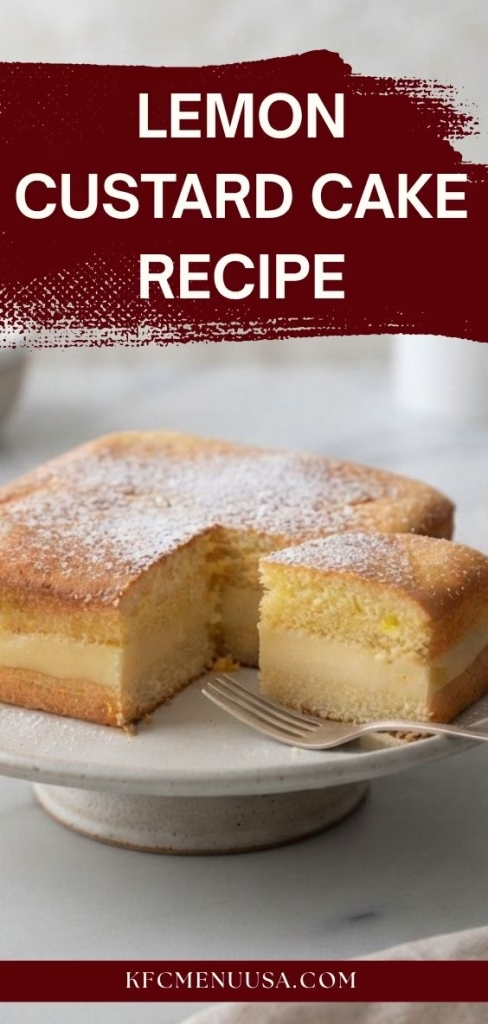
I still remember the first time I pulled this Lemon Custard Cake Recipe out of the oven and had no idea what was hiding underneath that golden top. One bite in, and I found a soft, pudding-like center I hadn’t even mixed in on purpose.
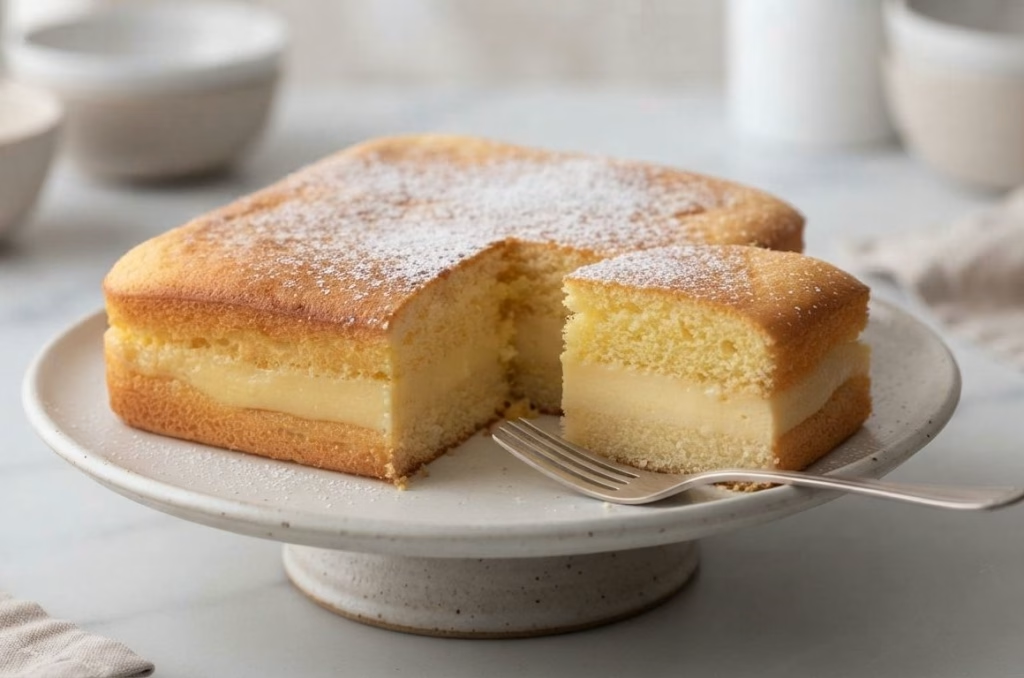
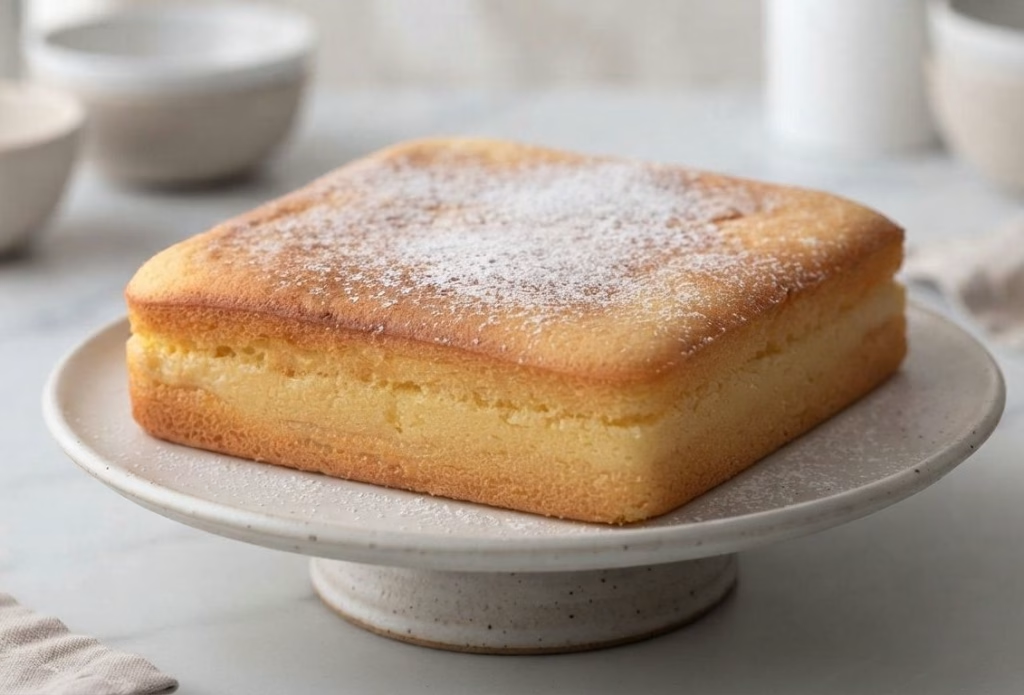
That’s the magic of this recipe: a single batter that splits into three layers all by itself while it bakes. If you love bright citrus desserts, this one is about to become your new favorite. Let me walk you through exactly how I make it.
Ingredients
- 4 large eggs, room temperature, separated — cold eggs won’t whip into stiff peaks properly, so let them sit out for at least 30 minutes before starting
- 3/4 cup granulated sugar — this sweetens the batter and helps the egg yolks turn pale and fluffy when beaten
- 1/2 cup unsalted butter, melted and slightly cooled — using unsalted lets you control the flavor, and cooling it prevents it from scrambling the egg yolks
- 1 teaspoon vanilla extract — adds warmth that balances out the sharp citrus notes
- 3/4 cup all-purpose flour — spoon and level it rather than scooping straight from the bag, since too much flour makes the layers dense
- 1/4 cup freshly squeezed lemon juice — bottled juice tastes flat and lacks the same brightness
- Grated zest from 2 large lemons — don’t skip this, since the zest is where most of the real lemon flavor lives
- 1 3/4 cups milk, lukewarm — whole milk gives the creamiest custard layer; cold milk can deflate your batter
- Powdered sugar, for dusting — added only after the cake cools completely
Note: These quantities make one 8×8-inch cake, yielding about 12 slices, so adjust proportionally if you’re using a larger pan or feeding a bigger crowd.
Variations
- Dairy-free option: swap the butter for melted coconut oil and use almond or oat milk instead of dairy milk
- Lower-sugar option: cut the sugar down to 1/2 cup for a less sweet, more tart custard flavor
- Citrus swap: try orange or lime juice and zest in place of lemon for a completely different but equally refreshing twist
- Extra flavor boost: add a small splash of almond extract along with the vanilla for a subtle depth that plays beautifully with citrus
- Fruity add-in: scatter a few fresh blueberries or raspberries over the batter right before baking for a pop of color and flavor, similar to the freshness in Mini Guacamole Taco Cups with Corn and Jalapeno Recipe
- Extra tang: increase the lemon juice slightly and add a pinch of salt to sharpen the overall flavor profile
Cooking Time
- Prep Time: 15 minutes
- Cook Time: 40–60 minutes
- Total Time: about 1 hour
Equipment You Need
- 8×8-inch baking dish — holds the batter at the right depth for the layers to form correctly
- Parchment paper — lines the pan so the cake lifts out cleanly once baked
- Electric mixer — whips the egg whites to stiff peaks and beats the yolks smooth
- Mixing bowls — you’ll need at least two, one for the egg whites and one for the batter
- Whisk — for gently incorporating the egg whites by hand at the end
- Zester or fine grater — pulls the flavorful oils out of the lemon peel without the bitter white pith
- Cooling rack — lets air circulate under the cake so it cools evenly before slicing
How to Make Lemon Custard Cake?
This recipe comes together in stages, and each one matters for getting those three signature layers. I promise it looks trickier than it actually is once you get going. Just follow the order below and you’ll be fine.
Whip the Egg Whites
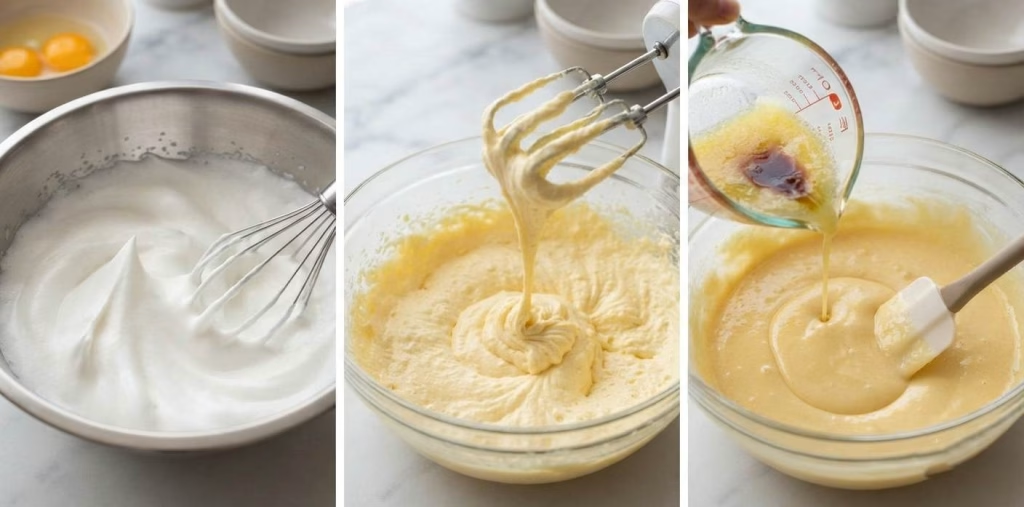
Start by separating your eggs while they’re still cold, then let the whites come to room temperature before whipping. Beat them in a clean, dry bowl until stiff peaks form and the mixture holds its shape. Set this bowl aside while you prepare the rest of the batter.
Beat the Yolks and Sugar
In a separate bowl, beat the egg yolks with the sugar for two to three minutes until the mixture turns pale yellow and slightly thick. This step builds air into the batter, which helps create that lighter top layer later on. Don’t rush through it.
Add Butter and Vanilla
Pour in the melted, cooled butter along with the vanilla extract, then mix until everything is evenly combined. Make sure the butter isn’t hot, or it can start cooking the egg yolks. This gives the batter its rich, buttery base flavor.
Mix In the Flour
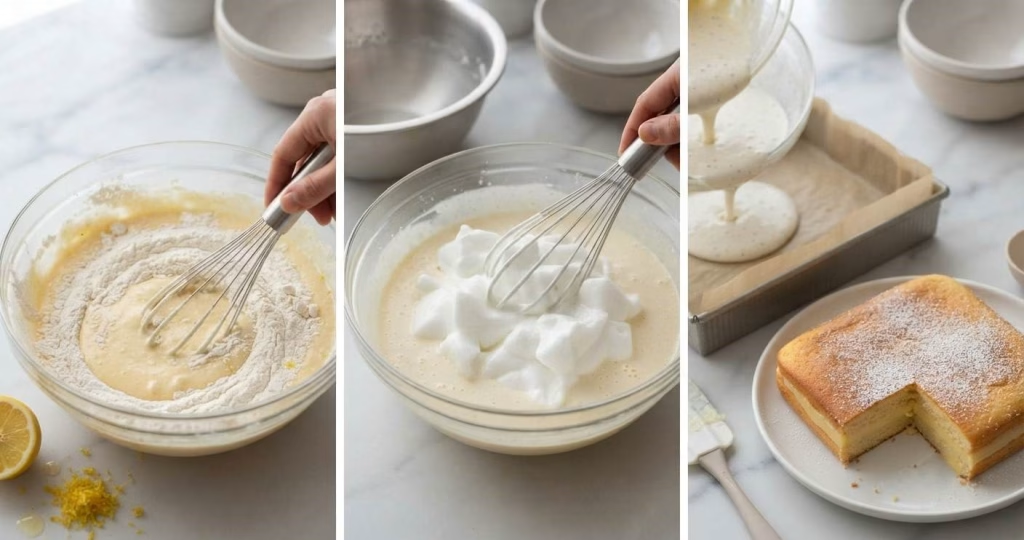
Add the flour to the yolk mixture and stir until just incorporated, with no dry streaks remaining. Overmixing here can develop the gluten too much, which affects how well the layers separate. Keep your mixing gentle and brief.
Add Lemon Juice and Zest
Stir in the freshly squeezed lemon juice and the grated lemon zest until fully combined. The zest carries most of the essential citrus oils, so be generous when grating it. This is where the cake really starts smelling amazing.
Beat in the Milk
Slowly pour in the lukewarm milk while mixing, letting it fully combine into a thin, almost watery batter. The batter is supposed to look thin at this stage, so don’t worry if it seems too loose. This liquid consistency is essential for the layers to form.
Fold in the Egg Whites
Add your whipped egg whites to the thin batter and whisk gently by hand rather than with a mixer. You don’t need to fully incorporate them — small lumps of egg white floating on top are exactly what you want. Those lumps rise to the surface and become the fluffy top layer during baking.
Bake the Cake
Pour the batter into your prepared, parchment-lined pan and bake at 325°F for 40 to 60 minutes. Start checking around the 35-minute mark, since baking time varies by oven and pan. You’re looking for a cake that’s barely jiggly in the center but firm to the touch on top.
Cool and Dust
Let the cake cool completely at room temperature before dusting it with powdered sugar. Cutting into it while warm will cause the custard layer to run instead of holding its shape. Patience here really pays off in presentation.
Additional Tips for Making This Recipe Better
I’ve made this cake enough times now to have a few hard-earned lessons to share with you.
- I always set a timer for 35 minutes and start checking every few minutes after that, since even a minute or two of overbaking turns the custard layer rubbery instead of creamy
- I like adding a small pinch of salt to the flour, since it really wakes up the lemon flavor and keeps the cake from tasting flat
- I never skip room-temperature eggs, because cold egg whites just won’t whip up to those stiff peaks I need for the top layer
- I’ve found a glass baking dish gives me more even results than metal, so I reach for that whenever I make this
- I cover the top loosely with foil if it starts browning too fast, so the inside gets enough time to set into that custard texture
How to Serve Lemon Custard Cake?
This cake looks effortlessly elegant with just a simple dusting of powdered sugar right before serving. For a prettier presentation, add a few thin lemon slices or curls of zest on top as a garnish.
A handful of fresh berries on the side brings a lovely color contrast against the pale yellow cake. I also love plating each slice with a small dollop of lightly sweetened whipped cream for extra richness. Serve it chilled or at room temperature, and it works equally well as a light dessert or an afternoon treat with tea.
Nutritional Information
Each slice is light enough to enjoy as an everyday treat without feeling heavy.
- Calories: 189 per slice
- Protein: 4 grams
- Carbohydrates: 21 grams
- Fat: 10 grams
Make Ahead and Storage
Storing: Keep the cake covered in the refrigerator, where it stays fresh and creamy for up to four days. The cold actually helps the custard layer hold its shape better when slicing.
Freezing: Wrap individual slices tightly in plastic wrap and freeze for up to one month. The texture is best enjoyed fresh, but freezing works fine for longer storage if needed.
Reheating: This cake is meant to be served cold or at room temperature, so I don’t recommend reheating it. If frozen, just thaw slices in the fridge overnight before serving.
Why You’ll Love This Recipe?
This lemon custard cake earns a permanent spot in my dessert rotation for so many reasons.
- It uses one simple batter that magically separates into three distinct layers, so you get a fancy-looking dessert without any complicated layering work
- It’s incredibly easy to customize, whether you want it dairy-free, less sweet, or bursting with a different citrus flavor
- It tastes light and refreshing rather than heavy, making it perfect after a big meal or on a hot summer day
- It comes together with pantry staples you likely already have on hand, no special ingredients required
- It looks impressive enough for guests but is genuinely simple enough for a weeknight bake

Lemon Custard Cake Recipe
Ingredients
Method
- Start by separating your eggs while they’re still cold, then let the whites come to room temperature before whipping. Beat them in a clean, dry bowl until stiff peaks form and the mixture holds its shape. Set this bowl aside while you prepare the rest of the batter.
- In a separate bowl, beat the egg yolks with the sugar for two to three minutes until the mixture turns pale yellow and slightly thick. This step builds air into the batter, which helps create that lighter top layer later on. Don’t rush through it.
- Pour in the melted, cooled butter along with the vanilla extract, then mix until everything is evenly combined. Make sure the butter isn’t hot, or it can start cooking the egg yolks. This gives the batter its rich, buttery base flavor.
- Add the flour to the yolk mixture and stir until just incorporated, with no dry streaks remaining. Overmixing here can develop the gluten too much, which affects how well the layers separate. Keep your mixing gentle and brief.
- Stir in the freshly squeezed lemon juice and the grated lemon zest until fully combined. The zest carries most of the essential citrus oils, so be generous when grating it. This is where the cake really starts smelling amazing.
- Slowly pour in the lukewarm milk while mixing, letting it fully combine into a thin, almost watery batter. The batter is supposed to look thin at this stage, so don’t worry if it seems too loose. This liquid consistency is essential for the layers to form.
- Add your whipped egg whites to the thin batter and whisk gently by hand rather than with a mixer. You don’t need to fully incorporate them — small lumps of egg white floating on top are exactly what you want. Those lumps rise to the surface and become the fluffy top layer during baking.
- Pour the batter into your prepared, parchment-lined pan and bake at 325°F for 40 to 60 minutes. Start checking around the 35-minute mark, since baking time varies by oven and pan. You’re looking for a cake that’s barely jiggly in the center but firm to the touch on top.
- Let the cake cool completely at room temperature before dusting it with powdered sugar. Cutting into it while warm will cause the custard layer to run instead of holding its shape. Patience here really pays off in presentation.
Notes
- I always set a timer for 35 minutes and start checking every few minutes after that, since even a minute or two of overbaking turns the custard layer rubbery instead of creamy
- I like adding a small pinch of salt to the flour, since it really wakes up the lemon flavor and keeps the cake from tasting flat
- I never skip room-temperature eggs, because cold egg whites just won’t whip up to those stiff peaks I need for the top layer
- I’ve found a glass baking dish gives me more even results than metal, so I reach for that whenever I make this
- I cover the top loosely with foil if it starts browning too fast, so the inside gets enough time to set into that custard texture