Go Back
Monkey Bread With Canned Biscuits Recipe
Ash Tyrrell

Monkey Bread With Canned Biscuits Recipe

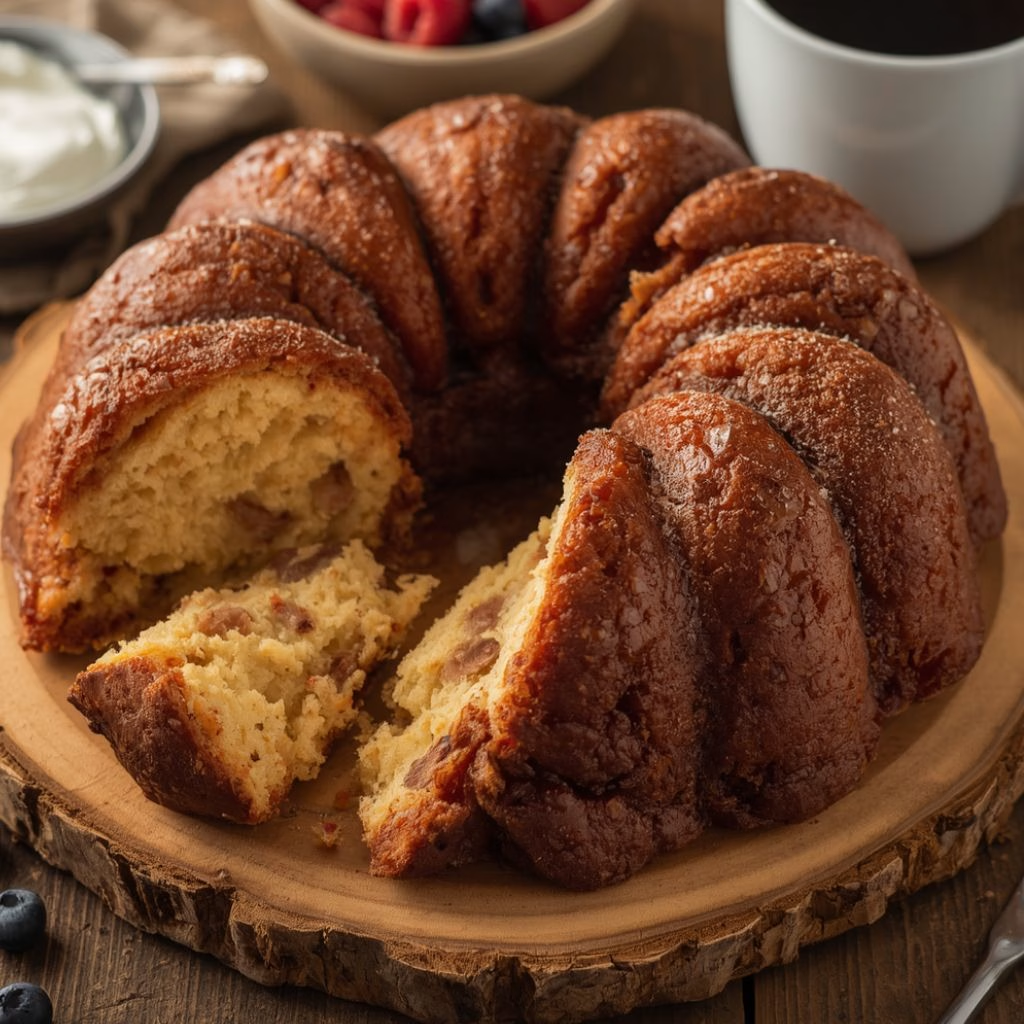
I still remember the first time I pulled this monkey bread out of the oven and watched the whole kitchen fill up with that warm cinnamon smell. I made it on a lazy Sunday morning just to see if canned biscuits could really turn into something this good, and honestly, I was shocked at how easy it came together.
Total Time 50 minutes
Servings: 10

Ingredients
  

  • 2 cans 16 oz each refrigerated biscuit dough (buttermilk or plain works best; flaky layers tend to fall apart)
  • 1 cup granulated sugar for coating the dough pieces in that classic sweet crust
  • 2 ½ teaspoons ground cinnamon fresh cinnamon gives a stronger, warmer flavor than one that's been sitting in your pantry for years
  • 1 cup unsalted butter 2 sticks, melted; unsalted lets you control the overall sweetness
  • 1 cup packed brown sugar light or dark, dark brown sugar gives a deeper caramel-like taste
  • ½ teaspoon salt balances the sweetness and keeps the flavor from tasting flat
  • ½ cup chopped pecans or walnuts optional (adds crunch and a nutty contrast to the soft dough)

Method
 

  1. Preheat your oven to 350°F so it's fully heated by the time your dough is ready to go in. Grease your Bundt pan generously with butter or nonstick spray, making sure to coat every ridge. This step matters more than people think, because a poorly greased pan is the main reason monkey bread sticks and breaks apart when you flip it.
  2. Open your cans of biscuit dough and cut each biscuit into four even pieces using kitchen scissors. In a bowl, mix the granulated sugar and cinnamon together, then toss the dough pieces in this mixture until every piece is fully coated. Layer the coated pieces into your prepared Bundt pan, scattering nuts in between if you're using them.
  3. In a small saucepan, melt the butter over medium-low heat, then stir in the brown sugar and salt. Let the mixture bubble gently for about a minute, stirring constantly so the sugar fully dissolves into the butter. Remove it from the heat as soon as it looks smooth and glossy so it doesn't turn grainy or burn.
  4. Slowly pour the warm butter and brown sugar syrup evenly over the layered dough pieces in the pan. Try to cover as much surface area as possible so every piece gets soaked in that buttery goodness. This syrup is what seeps down into the dough while baking and creates that sticky, caramelized bottom everyone loves.
  5. Place the pan in the center of your preheated oven and bake for 32 to 38 minutes. You'll know it's ready when the top turns deep golden brown and the syrup is bubbling around the edges of the pan. If the top browns too fast, loosely tent it with foil for the last 10 minutes.
  6. Let the pan rest on a cooling rack for about 8 to 10 minutes before flipping it. Place a large serving plate over the top of the pan and carefully invert it in one confident motion. Let the bread sit for a couple of minutes so the caramel syrup settles before pulling it apart and serving.
Notes

  • I always cut my dough pieces roughly the same size so they bake evenly, since uneven chunks mean some parts stay doughy while others overcook.
  • I let the syrup cool for about a minute before pouring it, because pouring it too hot can make the dough pieces slide instead of holding their layered shape.
  • I never skip greasing the very center tube of the Bundt pan, because that's the spot that sticks the most when you go to flip it.
  • I like to give the pan a gentle shake right after pouring the syrup, which helps it settle into every gap between the dough pieces.
  • If I'm short on time, I prep everything the night before, cover the pan, and refrigerate it so all I have to do in the morning is bake it.