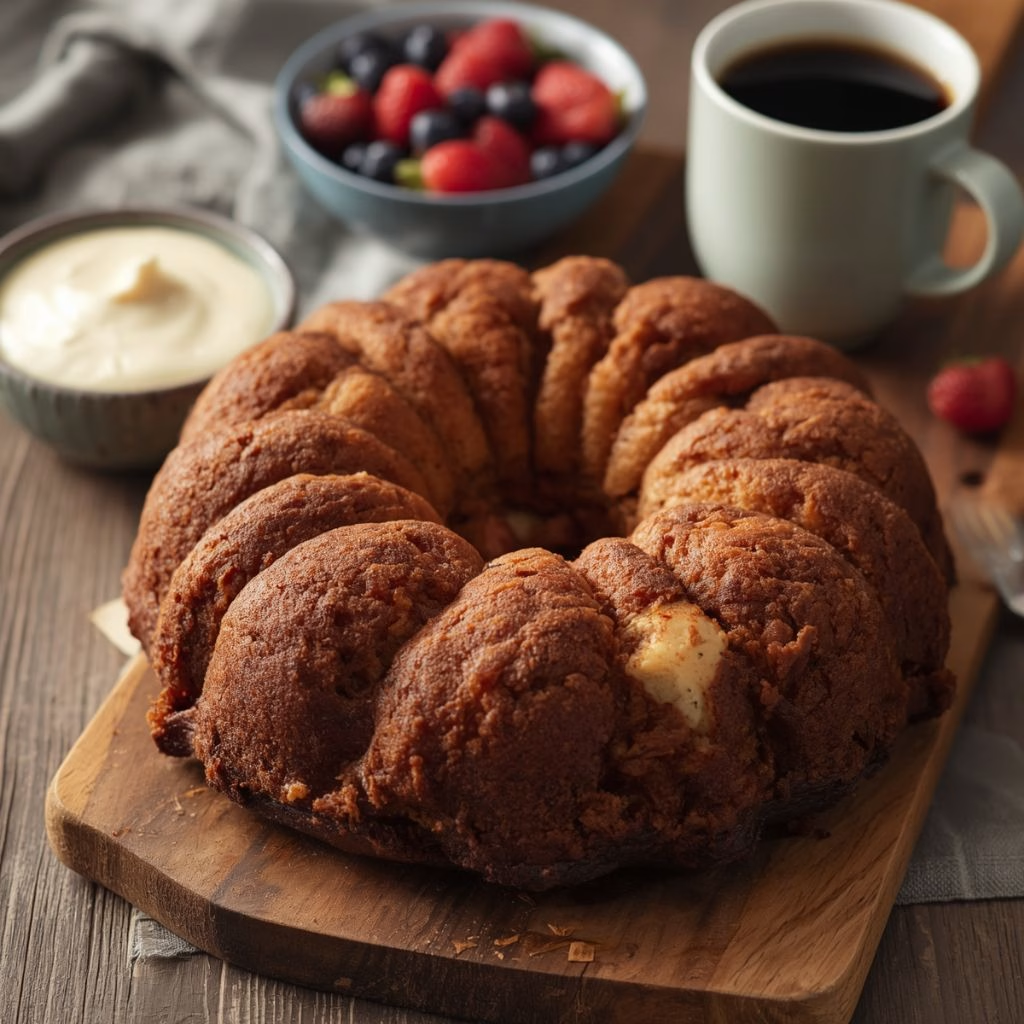
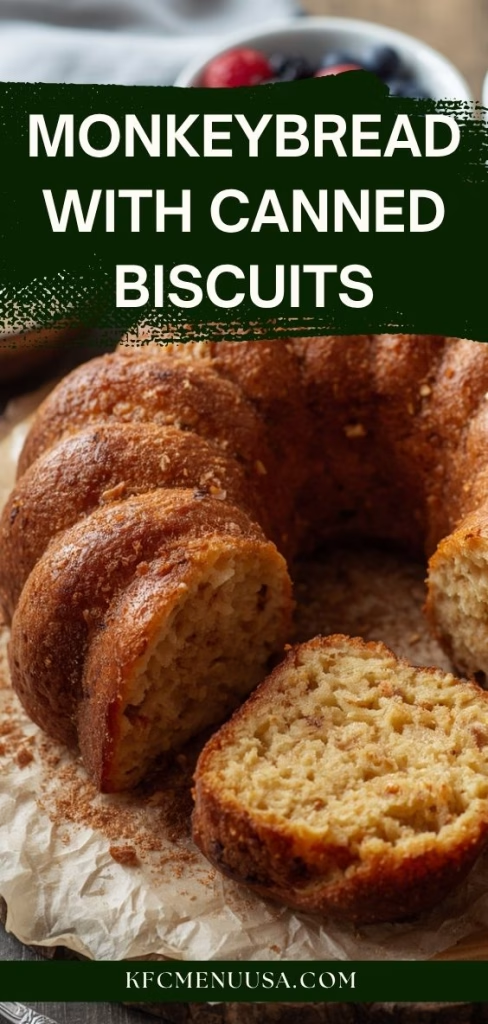
I still remember the first time I pulled this Monkey Bread With Canned Biscuits Recipe out of the oven and watched the whole kitchen fill up with that warm cinnamon smell. I made it on a lazy Sunday morning just to see if canned biscuits could really turn into something this good, and honestly, I was shocked at how easy it came together.
Me and my family finished half the pan before it even cooled down properly. Since then I’ve made it for holidays, weekend brunches, and random Tuesdays when I just wanted something sweet. If you’re looking for a fuss-free, gooey, pull-apart treat, this is the recipe I keep coming back to.
Ingredients
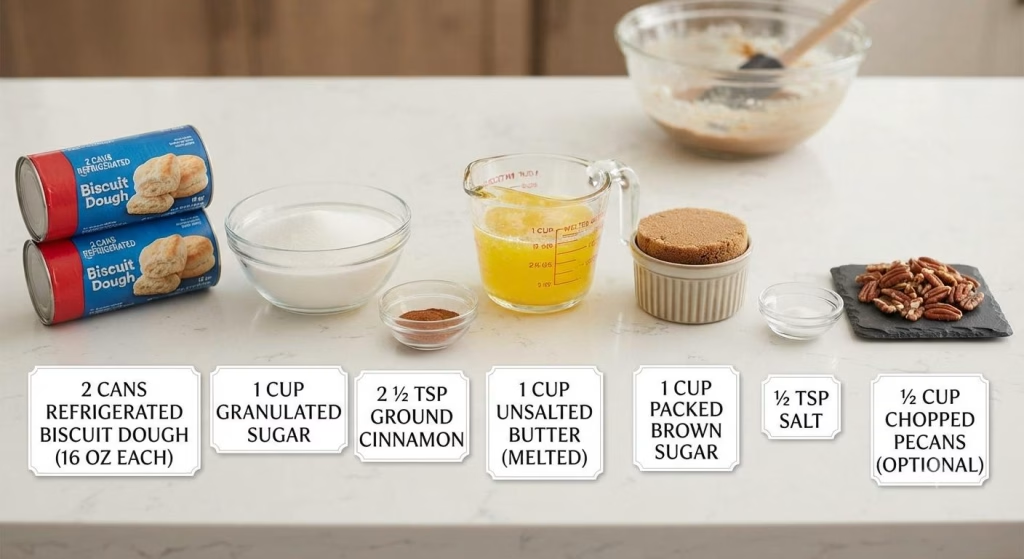
- 2 cans (16 oz each) refrigerated biscuit dough (buttermilk or plain works best; flaky layers tend to fall apart)
- 1 cup granulated sugar (for coating the dough pieces in that classic sweet crust)
- 2 ½ teaspoons ground cinnamon (fresh cinnamon gives a stronger, warmer flavor than one that’s been sitting in your pantry for years)
- 1 cup unsalted butter (2 sticks, melted; unsalted lets you control the overall sweetness)
- 1 cup packed brown sugar (light or dark, dark brown sugar gives a deeper caramel-like taste)
- ½ teaspoon salt (balances the sweetness and keeps the flavor from tasting flat)
- ½ cup chopped pecans or walnuts, optional (adds crunch and a nutty contrast to the soft dough)
Note: These ingredient amounts serve about 10 to 12 people, so if you’re cooking for a smaller group or a bigger crowd, adjust the quantities up or down accordingly.
Variations
- Dairy-free option: Swap the butter for a plant-based butter substitute; it melts and coats just as well.
- Sugar-free version: Use a monk fruit or erythritol blend in place of both the granulated and brown sugar.
- Chocolate lover’s twist: Toss in a handful of mini chocolate chips between layers before baking.
- Fruity add-in: Mix in raisins or dried cranberries for little bursts of natural sweetness.
- Caramel apple style: Fold in small diced apple pieces and drizzle caramel sauce over the top after baking.
- Spiced version: Add a pinch of nutmeg or pumpkin pie spice alongside the cinnamon for a cozier, fall-inspired flavor.
Cooking Time
- Prep Time: 15 minutes
- Cooking Time: 35 minutes
- Total Time: 50 minutes
Equipment You Need
- Bundt pan – gives the bread its signature ring shape and lets the syrup coat every piece evenly
- Mixing bowls – one for the cinnamon sugar coating and one for the butter mixture
- Small saucepan – used to melt the butter and dissolve the brown sugar into a syrup
- Kitchen scissors or a sharp knife – makes cutting the biscuit dough into pieces quick and clean
- Measuring cups and spoons – keeps your sugar, butter, and cinnamon ratios accurate
- Cooling rack – helps the pan rest evenly before you flip it onto a serving plate
How to Make Monkey Bread With Canned Biscuits?
Making this recipe is really just a few simple stages: cutting the dough, coating it, layering it, and baking it low and slow until golden. None of the steps require any special baking skill, which is exactly why this recipe works so well for beginners.
If you enjoy simple desserts and viral kitchen ideas, Easy TikTok Recipes offer plenty of quick inspirations alongside classics like this. Here’s exactly how I put it together every time.
Step 1: Prepare the Pan and Oven
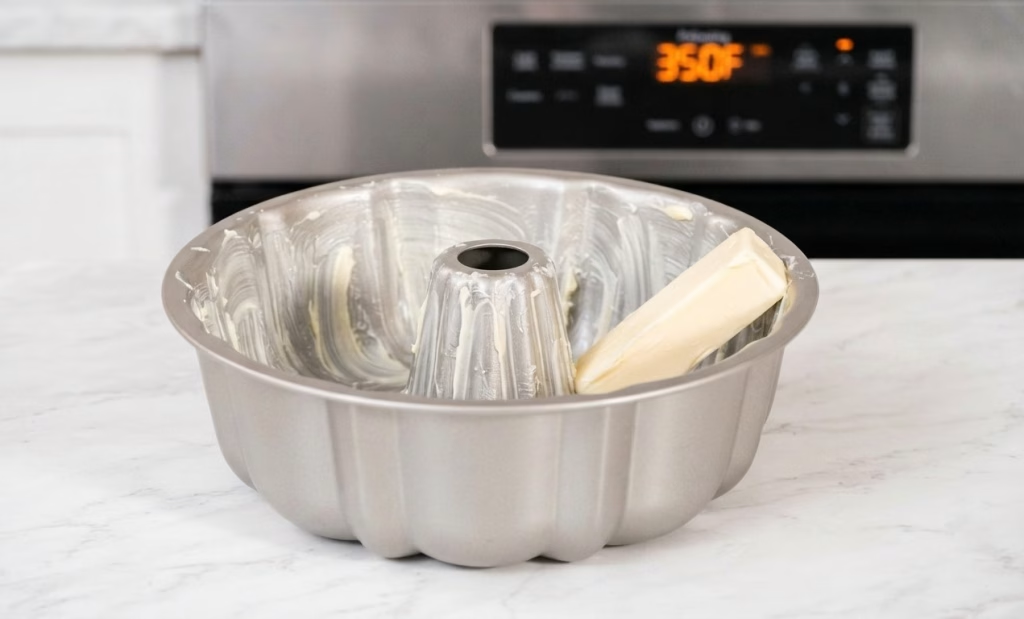
Preheat your oven to 350°F so it’s fully heated by the time your dough is ready to go in. Grease your Bundt pan generously with butter or nonstick spray, making sure to coat every ridge. This step matters more than people think, because a poorly greased pan is the main reason monkey bread sticks and breaks apart when you flip it.
Step 2: Cut and Coat the Biscuit Dough
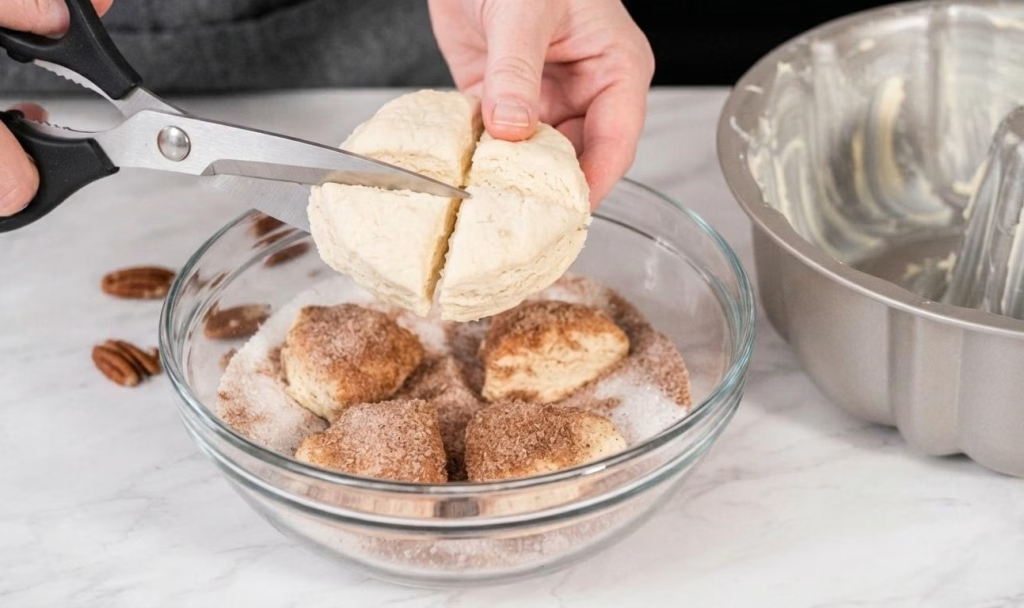
Open your cans of biscuit dough and cut each biscuit into four even pieces using kitchen scissors. In a bowl, mix the granulated sugar and cinnamon together, then toss the dough pieces in this mixture until every piece is fully coated. Layer the coated pieces into your prepared Bundt pan, scattering nuts in between if you’re using them.
Step 3: Make the Butter and Brown Sugar Syrup
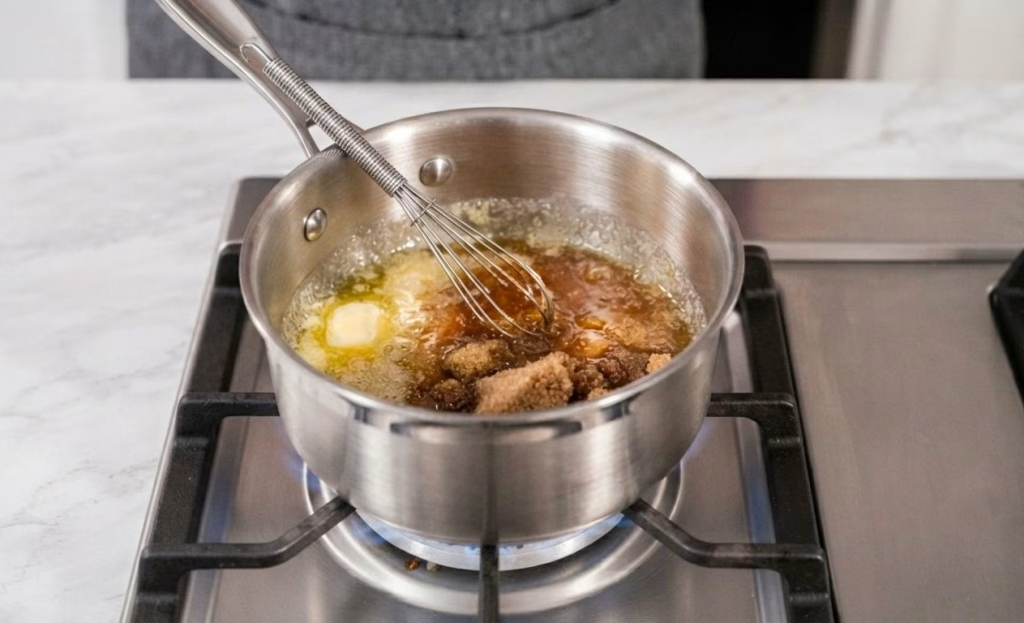
In a small saucepan, melt the butter over medium-low heat, then stir in the brown sugar and salt. Let the mixture bubble gently for about a minute, stirring constantly so the sugar fully dissolves into the butter. Remove it from the heat as soon as it looks smooth and glossy so it doesn’t turn grainy or burn.
Step 4: Pour the Syrup Over the Dough
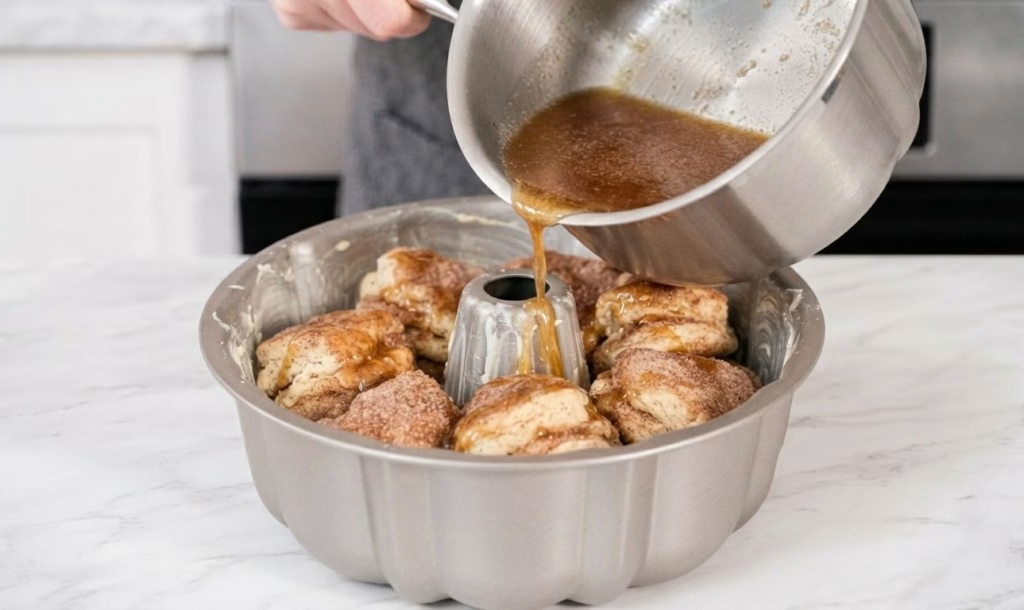
Slowly pour the warm butter and brown sugar syrup evenly over the layered dough pieces in the pan. Try to cover as much surface area as possible so every piece gets soaked in that buttery goodness. This syrup is what seeps down into the dough while baking and creates that sticky, caramelized bottom everyone loves.
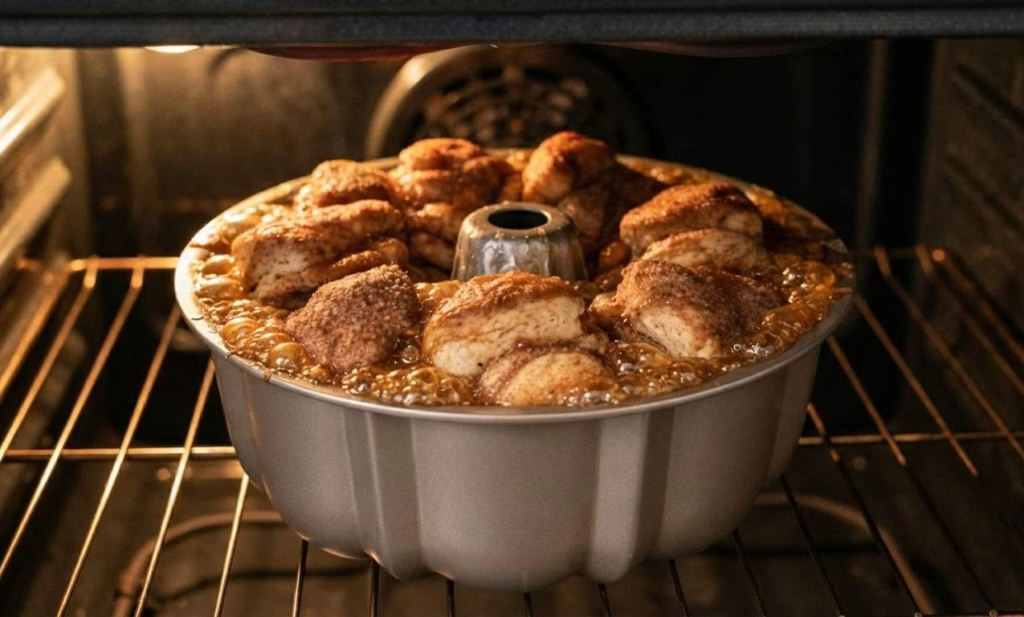
Step 5: Bake Until Golden and Bubbly
Place the pan in the center of your preheated oven and bake for 32 to 38 minutes. You’ll know it’s ready when the top turns deep golden brown and the syrup is bubbling around the edges of the pan. If the top browns too fast, loosely tent it with foil for the last 10 minutes.
Step 6: Cool, Flip, and Serve
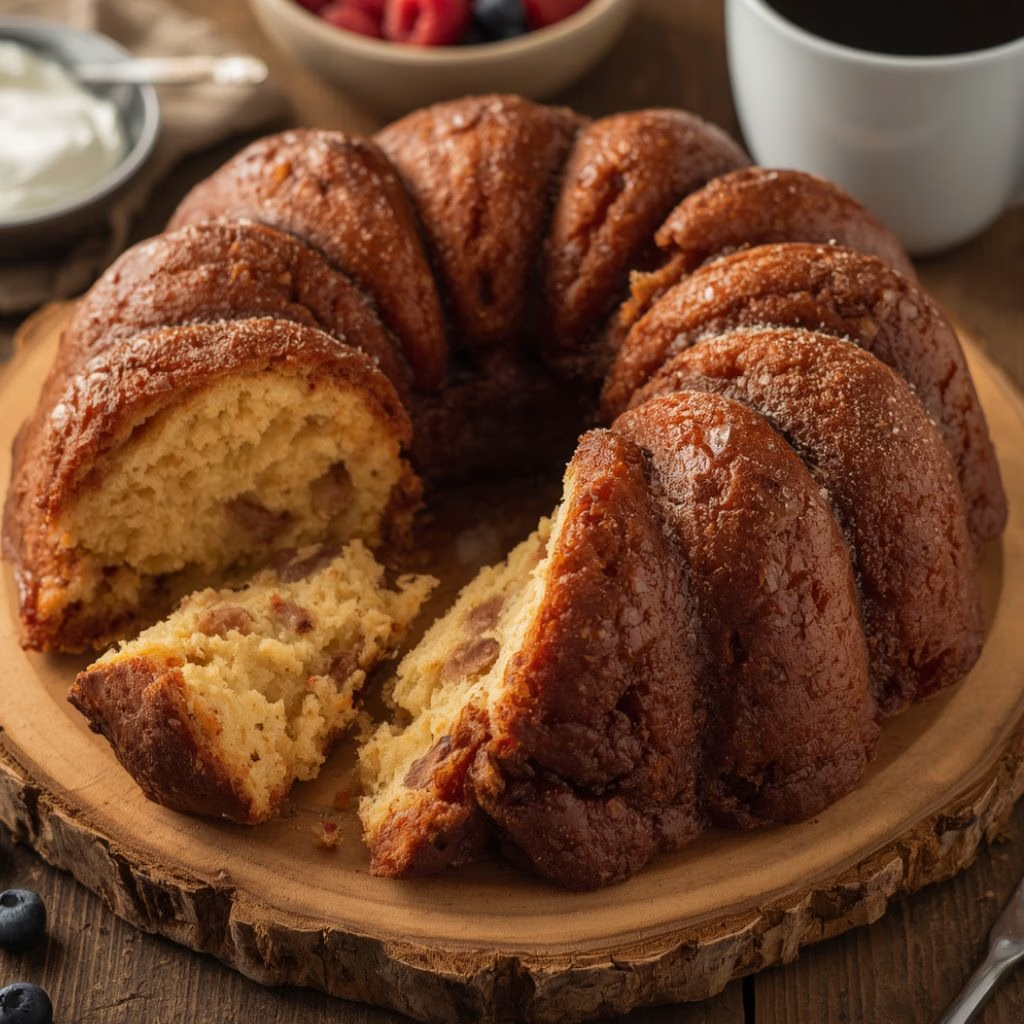
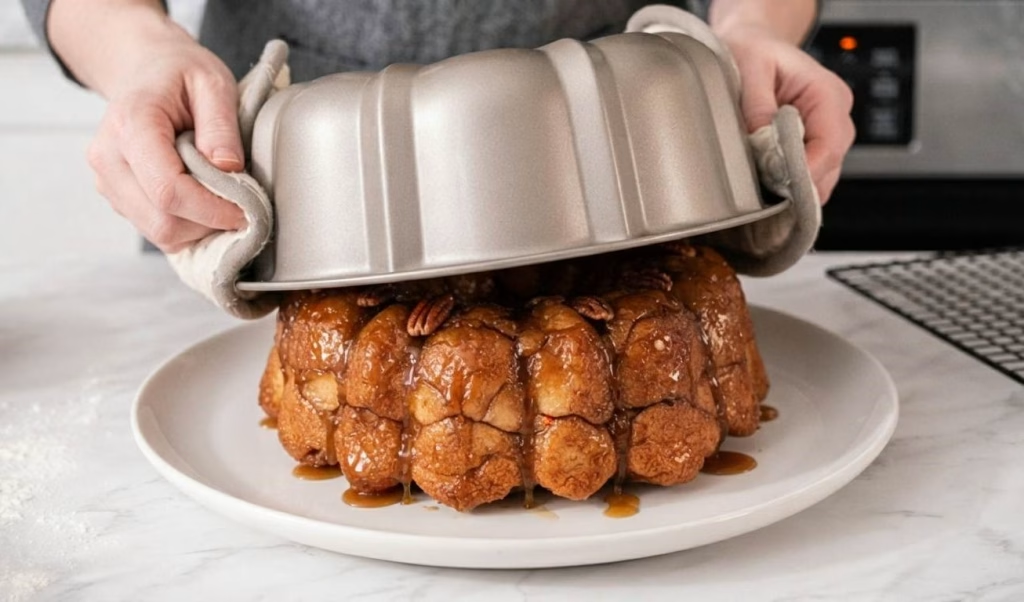
Let the pan rest on a cooling rack for about 8 to 10 minutes before flipping it. Place a large serving plate over the top of the pan and carefully invert it in one confident motion. Let the bread sit for a couple of minutes so the caramel syrup settles before pulling it apart and serving.
Additional Tips for Making This Recipe Better
- I always cut my dough pieces roughly the same size so they bake evenly, since uneven chunks mean some parts stay doughy while others overcook.
- I let the syrup cool for about a minute before pouring it, because pouring it too hot can make the dough pieces slide instead of holding their layered shape.
- I never skip greasing the very center tube of the Bundt pan, because that’s the spot that sticks the most when you go to flip it.
- I like to give the pan a gentle shake right after pouring the syrup, which helps it settle into every gap between the dough pieces.
- If I’m short on time, I prep everything the night before, cover the pan, and refrigerate it so all I have to do in the morning is bake it.
How to Serve Monkey Bread?
Monkey bread is best served warm, straight from the pan, while the caramel syrup is still soft and gooey. I like to place mine on a rustic wooden board or a simple white plate so the golden color really pops against the background.
A light dusting of extra cinnamon sugar on top right before serving makes it look bakery-fresh. For an extra special touch, serve it alongside a small bowl of cream cheese glaze or vanilla icing for dipping.
It also pairs really well with a hot cup of coffee or fresh fruit on the side for a fuller breakfast spread. Fresh peaches also make a wonderful seasonal side, especially if you’ve tried Freezing Peaches Ideas to keep ripe peaches on hand throughout the year.
Nutritional Information
Here’s a general breakdown of what one serving of this monkey bread typically contains, based on standard ingredient measurements.
- Calories: 310 kcal
- Protein: 3 g
- Carbohydrates: 38 g
- Fat: 17 g
Make Ahead and Storage
Make Ahead: You can assemble the entire pan the night before, cover it tightly with plastic wrap, and store it in the refrigerator. In the morning, just let it sit at room temperature for about 15 minutes before baking as directed.
Freezing: Once baked and fully cooled, you can freeze monkey bread in an airtight container for up to two months. Wrap individual portions in foil first if you want to freeze and reheat single servings later.
Reheating: Warm leftovers in the microwave for 20 to 30 seconds per piece, or reheat the whole pan in a 300°F oven for about 10 minutes. This brings back that soft, gooey texture without drying out the bread.
Why You’ll Love This Recipe?
This monkey bread earns its spot in your regular baking rotation for so many reasons, and here are the ones that stand out most to me.
- It’s incredibly beginner-friendly: There’s no yeast to activate or dough to knead, so even if you’ve never baked before, this recipe comes out right every time.
- It’s endlessly customizable: You can swap in nuts, chocolate, fruit, or different spices depending on what you’re craving that day.
- It works for any occasion: Whether it’s a holiday breakfast, a potluck dessert, or just a weekend treat, this recipe fits right in.
- It’s a fun, hands-on food: Since you pull it apart with your fingers, it naturally becomes a shared, social dish that gets everyone talking at the table.
- It can be prepped ahead: Assembling it the night before means less morning stress and more time to actually enjoy it with everyone around you.

Monkey Bread With Canned Biscuits Recipe
Ingredients
Method
- Preheat your oven to 350°F so it’s fully heated by the time your dough is ready to go in. Grease your Bundt pan generously with butter or nonstick spray, making sure to coat every ridge. This step matters more than people think, because a poorly greased pan is the main reason monkey bread sticks and breaks apart when you flip it.
- Open your cans of biscuit dough and cut each biscuit into four even pieces using kitchen scissors. In a bowl, mix the granulated sugar and cinnamon together, then toss the dough pieces in this mixture until every piece is fully coated. Layer the coated pieces into your prepared Bundt pan, scattering nuts in between if you’re using them.
- In a small saucepan, melt the butter over medium-low heat, then stir in the brown sugar and salt. Let the mixture bubble gently for about a minute, stirring constantly so the sugar fully dissolves into the butter. Remove it from the heat as soon as it looks smooth and glossy so it doesn’t turn grainy or burn.
- Slowly pour the warm butter and brown sugar syrup evenly over the layered dough pieces in the pan. Try to cover as much surface area as possible so every piece gets soaked in that buttery goodness. This syrup is what seeps down into the dough while baking and creates that sticky, caramelized bottom everyone loves.
- Place the pan in the center of your preheated oven and bake for 32 to 38 minutes. You’ll know it’s ready when the top turns deep golden brown and the syrup is bubbling around the edges of the pan. If the top browns too fast, loosely tent it with foil for the last 10 minutes.
- Let the pan rest on a cooling rack for about 8 to 10 minutes before flipping it. Place a large serving plate over the top of the pan and carefully invert it in one confident motion. Let the bread sit for a couple of minutes so the caramel syrup settles before pulling it apart and serving.
Notes
- I always cut my dough pieces roughly the same size so they bake evenly, since uneven chunks mean some parts stay doughy while others overcook.
- I let the syrup cool for about a minute before pouring it, because pouring it too hot can make the dough pieces slide instead of holding their layered shape.
- I never skip greasing the very center tube of the Bundt pan, because that’s the spot that sticks the most when you go to flip it.
- I like to give the pan a gentle shake right after pouring the syrup, which helps it settle into every gap between the dough pieces.
- If I’m short on time, I prep everything the night before, cover the pan, and refrigerate it so all I have to do in the morning is bake it.