The night before baking, mix the sourdough starter, bread flour, whole wheat flour, and water in a bowl. Stir until smooth and cover loosely with a towel. Leave it at room temperature overnight until bubbly and active.
A healthy levain should double in size and smell slightly tangy by morning. I usually place mine in a slightly warm kitchen spot for better fermentation. This step helps create airy and flavorful bagels.
The active levain gives the dough its classic sourdough flavor while helping the bagels rise naturally. Don’t rush this stage because an underactive levain can lead to dense bagels.
In a large bowl, combine the active levain, tomato sauce, water, bread flour, salt, and dried basil. Stir everything together until a shaggy dough forms. Let the dough rest for about 30 minutes.
After resting, knead the dough for around 5 minutes until smoother and elastic. The dough should feel firm but still manageable. Bagel dough is naturally stiffer than bread dough.
The tomato sauce adds moisture and rich flavor while also giving the dough a beautiful reddish color. I noticed the basil aroma becomes stronger as the dough rests.
Transfer the dough to a lightly greased bowl and cover it with a towel. Let it ferment for about 3 to 5 hours depending on room temperature and starter activity.
During fermentation, perform stretch-and-folds every 30 minutes for the first couple of hours. This strengthens the gluten and improves the chewy texture of the bagels.
I usually stop fermenting once the dough looks puffier and slightly airy. It doesn’t need to double fully like sandwich bread dough because bagels are meant to stay dense and chewy.
Dust baking sheets with parchment paper, flour, and cornmeal. Divide the dough into 12 equal portions and shape each into a tight ball.
Use your thumb to poke a hole in the center of each dough ball and gently stretch it into a bagel shape. Make the hole slightly larger because it shrinks during proofing.
Place the shaped bagels on prepared baking sheets. I like keeping enough space between them so they don’t stick together while rising overnight.
Cover the trays tightly with plastic wrap and let the bagels rest at room temperature for about 30 minutes. Then transfer them to the refrigerator overnight.
The cold proof develops deeper sourdough flavor and improves the chewy texture. It also makes the bagels easier to handle before boiling.
I’ve found overnight proofing gives the best flavor and structure. The dough becomes smoother, puffier, and much easier to boil without deflating.
The next morning, bring a large pot of water to a gentle boil and add sugar and baking soda. Carefully place 3 to 4 bagels into the water at a time.
Boil each side for about 30 seconds before flipping. This step creates the shiny crust and chewy texture that makes bagels unique.
After boiling, place the bagels on a cooling rack for a minute to drain excess water. They may look slightly wrinkled at first, but they puff beautifully in the oven.
Preheat your oven to 450°F and line baking sheets with parchment paper. Arrange the boiled bagels evenly on the trays before baking.
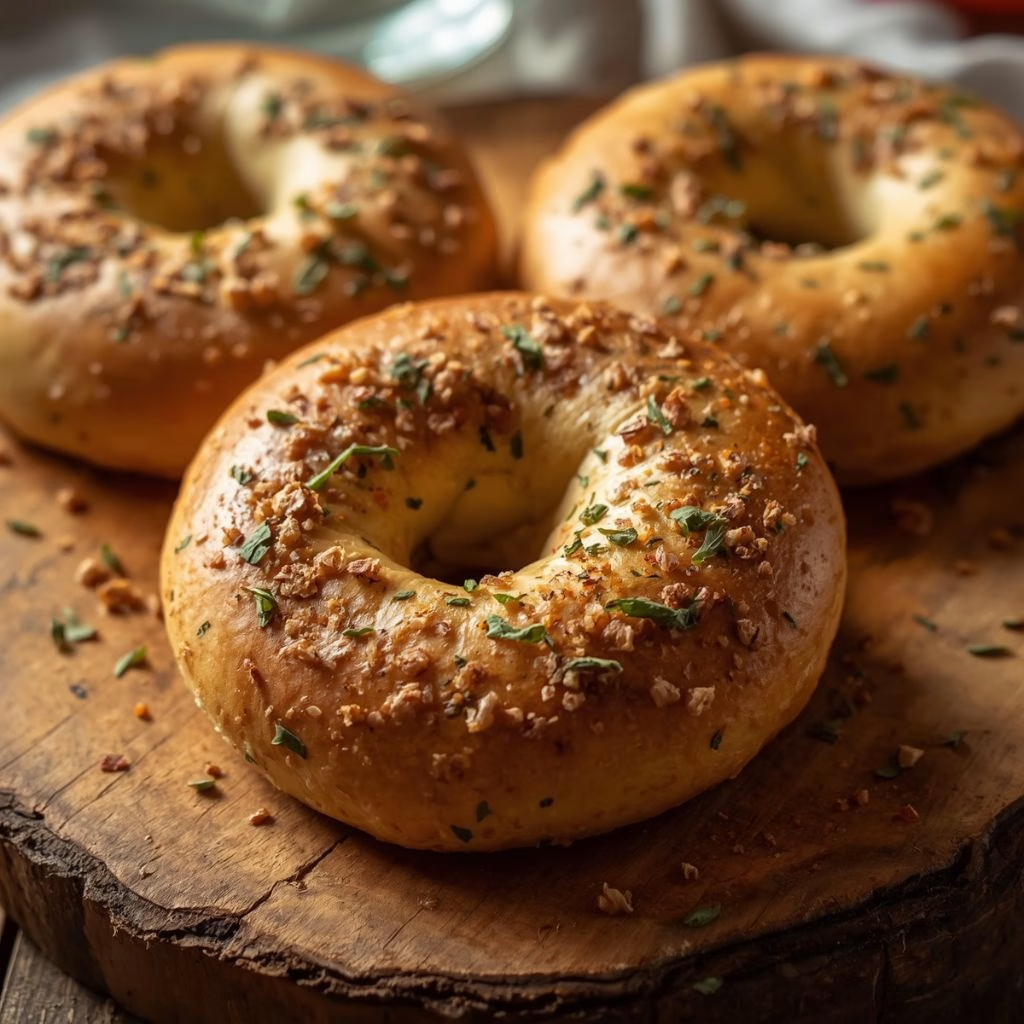
Bake for 20 to 22 minutes until the tops become golden brown. The crust should feel firm while the inside stays soft and chewy.
Let the bagels cool slightly before slicing. I usually spread them with sun-dried tomato cream cheese while they’re still warm for the best flavor.