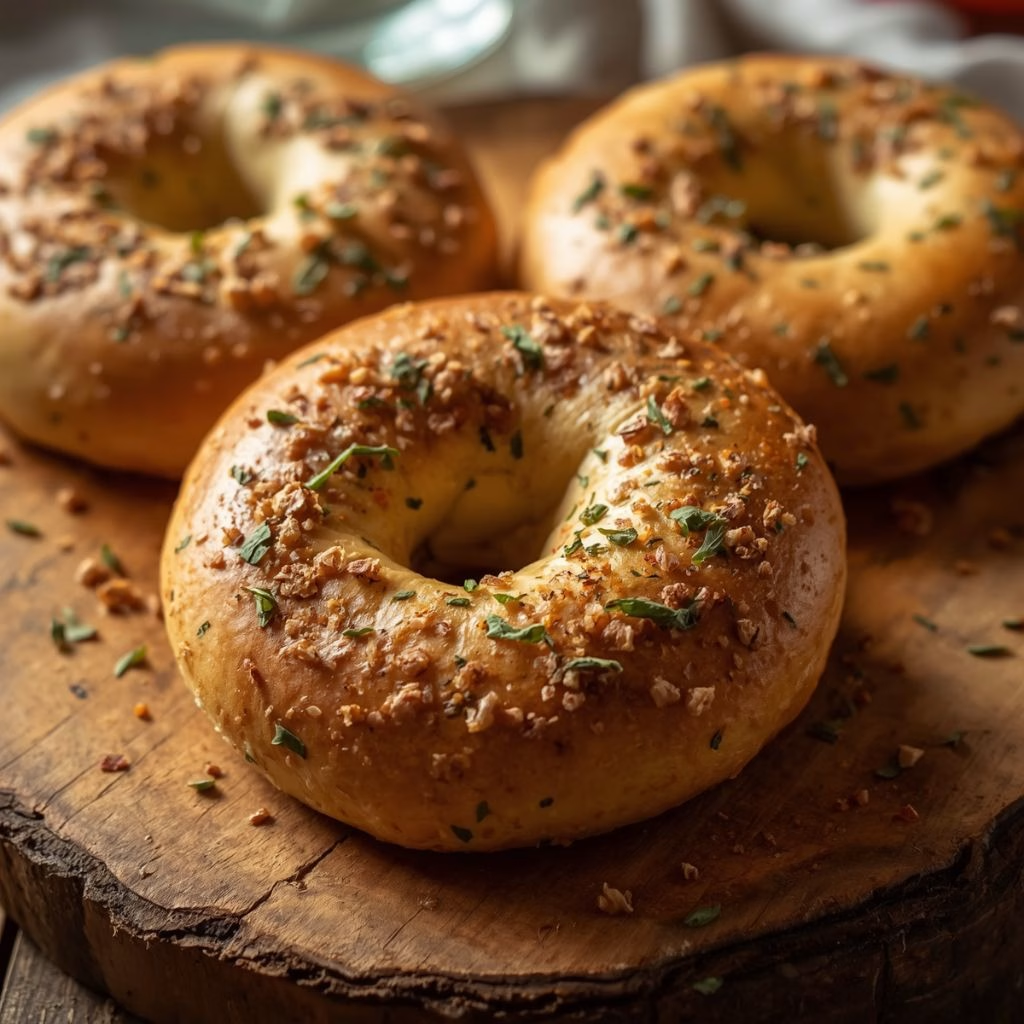
There’s something so satisfying about pulling warm homemade bagels out of the oven, especially when the kitchen smells like roasted tomatoes and basil. I made these Tomato Basil Sourdough Bagels Recipe on a weekend baking day, and honestly, they tasted even better than the ones from my favorite café.
The crust turned out perfectly chewy while the inside stayed soft and flavorful. I also loved how the tomato sauce gave the dough a rich color and subtle savory taste. If you enjoy sourdough baking and want a creative twist on classic bagels, this recipe is absolutely worth trying.
Ingredients
These ingredients work together to create chewy, flavorful sourdough bagels with a savory tomato basil flavor.
- 1 tablespoon active sourdough starter – Make sure your starter is bubbly and active for the best rise.
- 50 grams white bread flour – Bread flour gives the bagels their signature chewy texture.
- 50 grams whole wheat flour – Adds a light nutty flavor and improves fermentation.
- 100 grams water (for levain) – Room-temperature water helps the starter activate evenly.
- 350 grams tomato sauce – Use smooth tomato sauce without large chunks for a softer dough.
- 100 grams water (for dough) – Helps balance the thickness of the tomato sauce.
- 700 grams bread flour – High-protein flour creates sturdy, bakery-style bagels.
- 15 grams salt – Enhances flavor and strengthens the dough structure.
- 5 grams dried basil – Dried basil distributes flavor more evenly throughout the dough.
- 1/4 cup granulated sugar – Added to boiling water for a glossy crust.
- 2 teaspoons baking soda – Helps create the chewy outer texture.
- Cornmeal and flour for dusting – Prevents sticking and adds a classic bagel finish.
- Sun-dried tomato cream cheese for serving – Complements the tomato basil flavor perfectly.
Note: This recipe makes approximately 12 medium-sized sourdough bagels, perfect for breakfast meal prep or weekend brunches.
Variations
You can easily customize these sourdough bagels depending on your taste preferences.
- Add shredded parmesan cheese for a richer savory flavor.
- Mix chopped sun-dried tomatoes into the dough for extra texture.
- Use fresh basil instead of dried basil for a brighter herbal taste.
- Replace tomato sauce with roasted tomato puree for deeper flavor.
- Make them dairy-free by serving with vegan cream cheese.
- Sprinkle sesame or everything bagel seasoning on top before baking.
- Add garlic powder or Italian seasoning for extra savory notes.
- Use whole wheat bread flour for a heartier texture.
Cooking Time
These sourdough bagels take time because of fermentation, but the flavor is completely worth it.
- Prep Time: 40 minutes
- Fermentation & Proofing Time: 12–18 hours
- Cooking Time: 20–22 minutes
- Total Time: About 14–19 hours
Equipment You Need
Having the right tools makes sourdough bagel baking much easier and more enjoyable.
- Large mixing bowl – For combining and fermenting the dough.
- Kitchen scale – Helps measure ingredients accurately for sourdough baking.
- Dough scraper – Useful for dividing and shaping the dough.
- Baking sheets – Needed for proofing and baking the bagels.
- Parchment paper – Prevents sticking during baking.
- Large pot – Used for boiling the bagels before baking.
- Cooling rack – Helps the bagels cool evenly after baking.
- Plastic wrap or towel – Keeps dough from drying during proofing.
How to Make Tomato Basil Sourdough Bagels?
These homemade sourdough bagels come together in stages, but every step adds amazing flavor and texture. Take your time with the fermentation process because that’s what gives these bagels their chewy bite and tangy depth.
Prepare the Levain
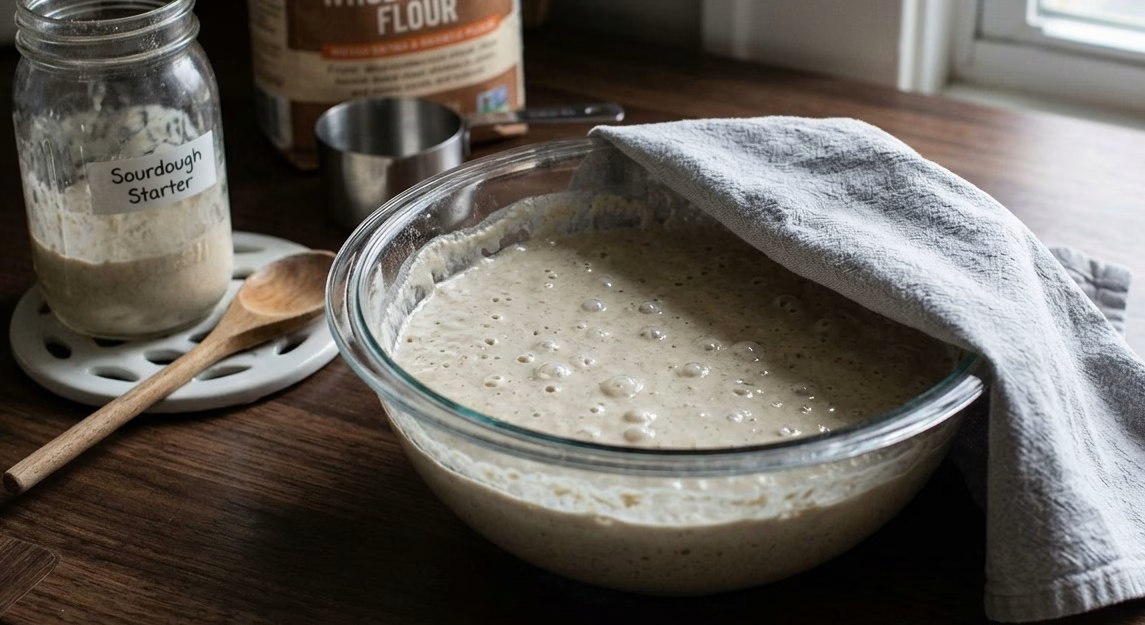
The night before baking, mix the sourdough starter, bread flour, whole wheat flour, and water in a bowl. Stir until smooth and cover loosely with a towel. Leave it at room temperature overnight until bubbly and active.
A healthy levain should double in size and smell slightly tangy by morning. I usually place mine in a slightly warm kitchen spot for better fermentation. This step helps create airy and flavorful bagels.
The active levain gives the dough its classic sourdough flavor while helping the bagels rise naturally. Don’t rush this stage because an underactive levain can lead to dense bagels.
Mix the Dough
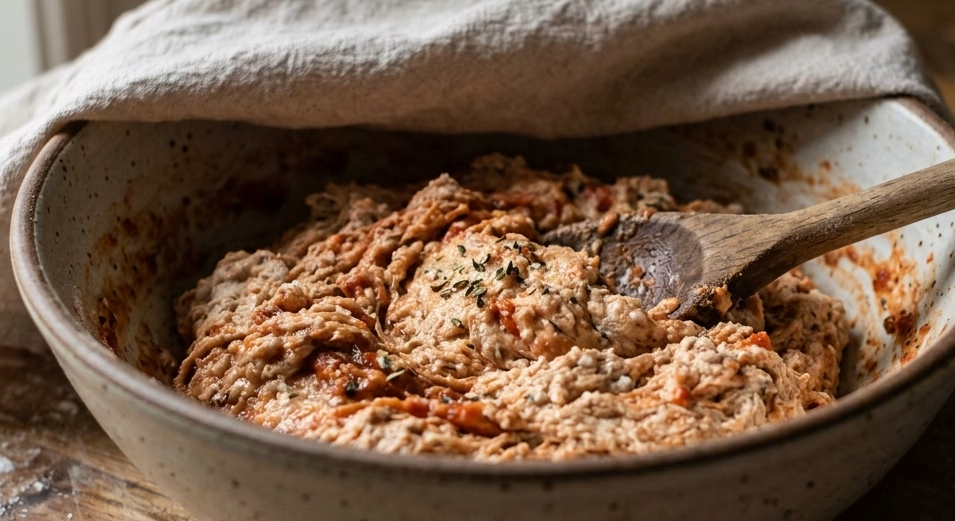
In a large bowl, combine the active levain, tomato sauce, water, bread flour, salt, and dried basil. Stir everything together until a shaggy dough forms. Let the dough rest for about 30 minutes.
After resting, knead the dough for around 5 minutes until smoother and elastic. The dough should feel firm but still manageable. Bagel dough is naturally stiffer than bread dough.
The tomato sauce adds moisture and rich flavor while also giving the dough a beautiful reddish color. I noticed the basil aroma becomes stronger as the dough rests.
Bulk Fermentation
Transfer the dough to a lightly greased bowl and cover it with a towel. Let it ferment for about 3 to 5 hours depending on room temperature and starter activity.
During fermentation, perform stretch-and-folds every 30 minutes for the first couple of hours. This strengthens the gluten and improves the chewy texture of the bagels.
I usually stop fermenting once the dough looks puffier and slightly airy. It doesn’t need to double fully like sandwich bread dough because bagels are meant to stay dense and chewy.
Shape the Bagels
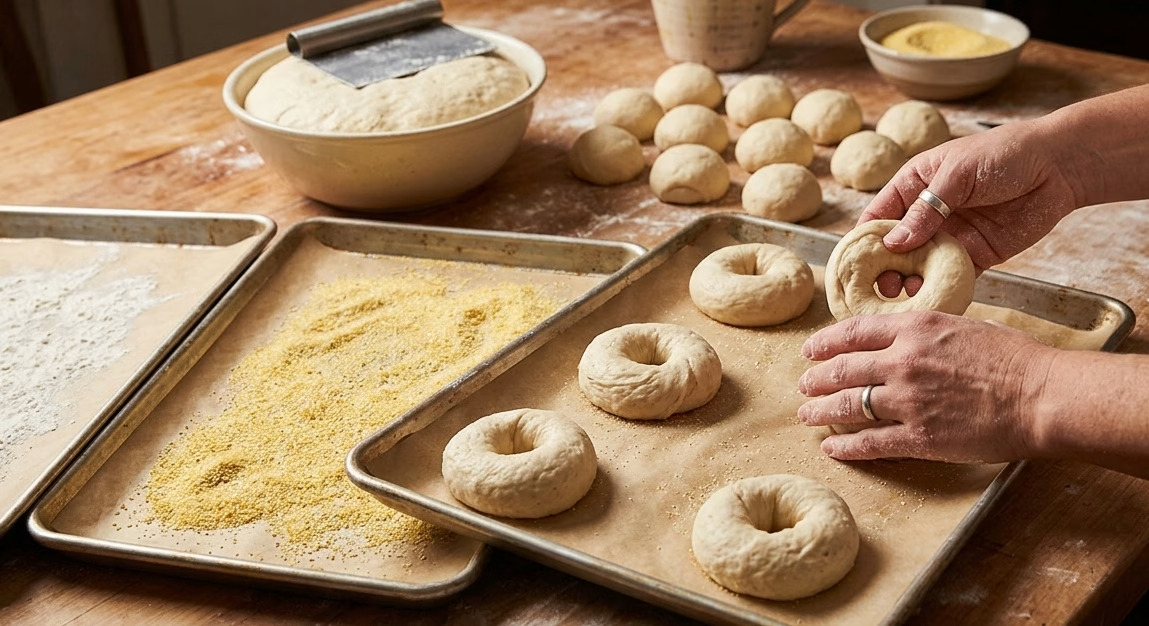
Dust baking sheets with parchment paper, flour, and cornmeal. Divide the dough into 12 equal portions and shape each into a tight ball.
Use your thumb to poke a hole in the center of each dough ball and gently stretch it into a bagel shape. Make the hole slightly larger because it shrinks during proofing.
Place the shaped bagels on prepared baking sheets. I like keeping enough space between them so they don’t stick together while rising overnight.
Overnight Cold Proof
Cover the trays tightly with plastic wrap and let the bagels rest at room temperature for about 30 minutes. Then transfer them to the refrigerator overnight.
The cold proof develops deeper sourdough flavor and improves the chewy texture. It also makes the bagels easier to handle before boiling.
I’ve found overnight proofing gives the best flavor and structure. The dough becomes smoother, puffier, and much easier to boil without deflating.
Boil the Bagels
The next morning, bring a large pot of water to a gentle boil and add sugar and baking soda. Carefully place 3 to 4 bagels into the water at a time.
Boil each side for about 30 seconds before flipping. This step creates the shiny crust and chewy texture that makes bagels unique.
After boiling, place the bagels on a cooling rack for a minute to drain excess water. They may look slightly wrinkled at first, but they puff beautifully in the oven.
Bake Until Golden
Preheat your oven to 450°F and line baking sheets with parchment paper. Arrange the boiled bagels evenly on the trays before baking.
Bake for 20 to 22 minutes until the tops become golden brown. The crust should feel firm while the inside stays soft and chewy.
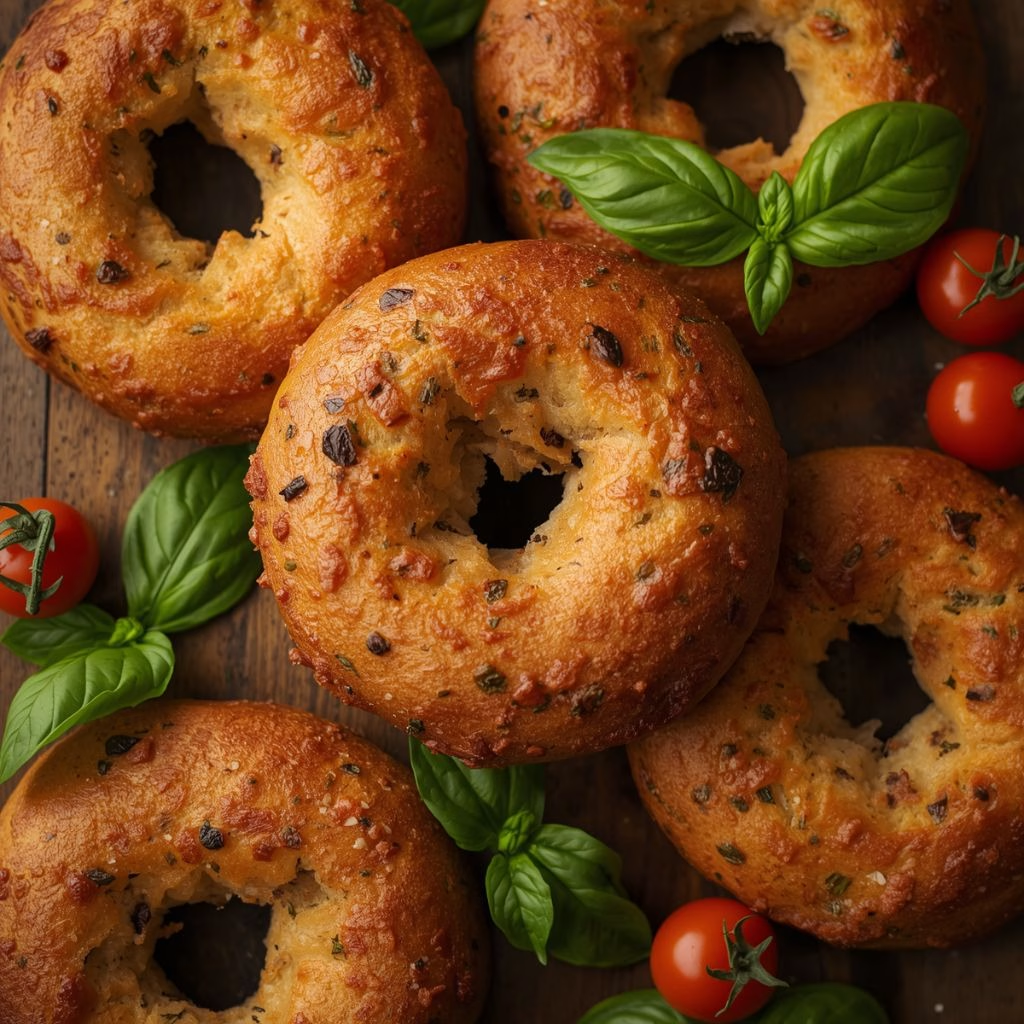
Let the bagels cool slightly before slicing. I usually spread them with sun-dried tomato cream cheese while they’re still warm for the best flavor.
Additional Tips for Making this Recipe Better
After making these bagels several times, I discovered a few tricks that really improve the final texture and flavor.
- I always use bread flour because it creates a chewier bagel texture than all-purpose flour.
- I prefer thick tomato sauce instead of watery sauce so the dough stays manageable.
- I learned that overnight proofing gives the bagels a much deeper sourdough flavor.
- I like adding extra dried basil on top before baking for stronger herb aroma.
- I usually toast the bagels lightly before serving because it enhances the tomato flavor.
- I found that boiling the bagels longer creates a thicker and chewier crust.
How to Serve Tomato Basil Sourdough Bagels?
These savory bagels pair well with both breakfast and lunch toppings. Their tomato and basil flavor makes them incredibly versatile.
Serve them warm with sun-dried tomato cream cheese for a bakery-style experience. You can also fill them with mozzarella, fresh tomatoes, and basil for a Caprese-inspired sandwich.
For breakfast, I love topping them with scrambled eggs and avocado. They also pair wonderfully with soup, salads, or roasted vegetables for a cozy meal.
To make them look extra appealing, garnish the serving plate with fresh basil leaves and a drizzle of olive oil. Warm toasted bagels always look inviting on a brunch table.
Nutritional Information
These nutritional values are approximate for one medium bagel without cream cheese.
- Calories: Around 260 calories
- Protein: Approximately 8 grams
- Carbohydrates: About 50 grams
- Fat: Around 2 grams
Make Ahead and Storage
These bagels store beautifully, making them great for meal prep and busy mornings.
Storing in the Refrigerator
Keep the cooled bagels in an airtight container for up to 5 days. I usually toast refrigerated bagels before serving because it brings back the chewy texture.
Avoid storing them uncovered because they can dry out quickly. A sealed bag or container works best for freshness.
Freezing Instructions
Freeze the bagels in a single layer first, then transfer them to a freezer-safe bag. They stay fresh for up to 3 months.
I like slicing the bagels before freezing so they can go directly into the toaster. This saves time during busy mornings.
Reheating Tips
You can reheat frozen bagels in the microwave for about 30 seconds or toast them directly from frozen. Toasting gives the crust a crispier texture.
For the best bakery-style taste, I sometimes warm them in the oven for a few minutes before serving.
Why You’ll Love This Recipe?
These homemade Tomato Basil Sourdough Bagels are flavorful, satisfying, and surprisingly fun to make.
- The tomato and basil combination gives the bagels a savory bakery-style flavor that feels unique and comforting. They taste amazing with cream cheese or sandwich fillings.
- The sourdough fermentation creates a chewy texture and rich tangy flavor that regular bagels don’t have. The overnight proof also improves digestibility.
- This recipe is highly customizable with toppings, herbs, cheeses, and seasoning blends. You can easily make them your own favorite flavor.
- Homemade bagels freeze beautifully, making them perfect for breakfast meal prep. I love having a batch ready for quick mornings.
- Even though the process takes time, the actual hands-on work is simple and beginner-friendly. The results feel incredibly rewarding.

Tomato Basil Sourdough Bagels Recipe
Ingredients
Method
- The night before baking, mix the sourdough starter, bread flour, whole wheat flour, and water in a bowl. Stir until smooth and cover loosely with a towel. Leave it at room temperature overnight until bubbly and active.
- A healthy levain should double in size and smell slightly tangy by morning. I usually place mine in a slightly warm kitchen spot for better fermentation. This step helps create airy and flavorful bagels.
- The active levain gives the dough its classic sourdough flavor while helping the bagels rise naturally. Don’t rush this stage because an underactive levain can lead to dense bagels.
- In a large bowl, combine the active levain, tomato sauce, water, bread flour, salt, and dried basil. Stir everything together until a shaggy dough forms. Let the dough rest for about 30 minutes.
- After resting, knead the dough for around 5 minutes until smoother and elastic. The dough should feel firm but still manageable. Bagel dough is naturally stiffer than bread dough.
- The tomato sauce adds moisture and rich flavor while also giving the dough a beautiful reddish color. I noticed the basil aroma becomes stronger as the dough rests.
- Transfer the dough to a lightly greased bowl and cover it with a towel. Let it ferment for about 3 to 5 hours depending on room temperature and starter activity.
- During fermentation, perform stretch-and-folds every 30 minutes for the first couple of hours. This strengthens the gluten and improves the chewy texture of the bagels.
- I usually stop fermenting once the dough looks puffier and slightly airy. It doesn’t need to double fully like sandwich bread dough because bagels are meant to stay dense and chewy.
- Dust baking sheets with parchment paper, flour, and cornmeal. Divide the dough into 12 equal portions and shape each into a tight ball.
- Use your thumb to poke a hole in the center of each dough ball and gently stretch it into a bagel shape. Make the hole slightly larger because it shrinks during proofing.
- Place the shaped bagels on prepared baking sheets. I like keeping enough space between them so they don’t stick together while rising overnight.
- Cover the trays tightly with plastic wrap and let the bagels rest at room temperature for about 30 minutes. Then transfer them to the refrigerator overnight.
- The cold proof develops deeper sourdough flavor and improves the chewy texture. It also makes the bagels easier to handle before boiling.
- I’ve found overnight proofing gives the best flavor and structure. The dough becomes smoother, puffier, and much easier to boil without deflating.
- The next morning, bring a large pot of water to a gentle boil and add sugar and baking soda. Carefully place 3 to 4 bagels into the water at a time.
- Boil each side for about 30 seconds before flipping. This step creates the shiny crust and chewy texture that makes bagels unique.
- After boiling, place the bagels on a cooling rack for a minute to drain excess water. They may look slightly wrinkled at first, but they puff beautifully in the oven.
- Preheat your oven to 450°F and line baking sheets with parchment paper. Arrange the boiled bagels evenly on the trays before baking.
- Bake for 20 to 22 minutes until the tops become golden brown. The crust should feel firm while the inside stays soft and chewy.
- Let the bagels cool slightly before slicing. I usually spread them with sun-dried tomato cream cheese while they’re still warm for the best flavor.
Notes
- I always use bread flour because it creates a chewier bagel texture than all-purpose flour.
- I prefer thick tomato sauce instead of watery sauce so the dough stays manageable.
- I learned that overnight proofing gives the bagels a much deeper sourdough flavor.
- I like adding extra dried basil on top before baking for stronger herb aroma.
- I usually toast the bagels lightly before serving because it enhances the tomato flavor.
- I found that boiling the bagels longer creates a thicker and chewier crust.