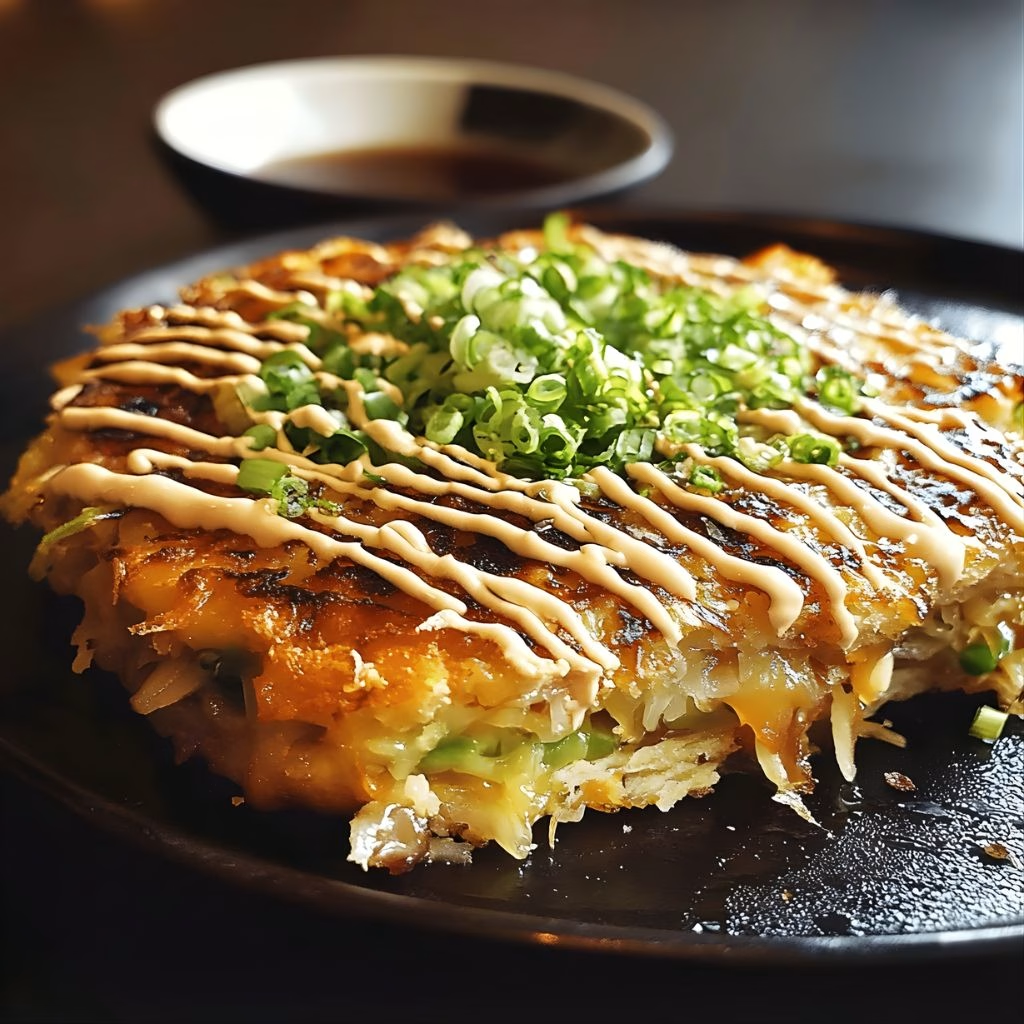
I recently tried making Okonomiyaki Recipe, and wow—it was such a fun and delicious experience! I love how customizable this Japanese savory pancake is, and it really brings people together around the table.
I want to share my version that’s easy to follow, flavorful, and perfect for any meal. After making it a few times, I’ve learned tips that make it turn out perfectly every time. Let’s dive in!
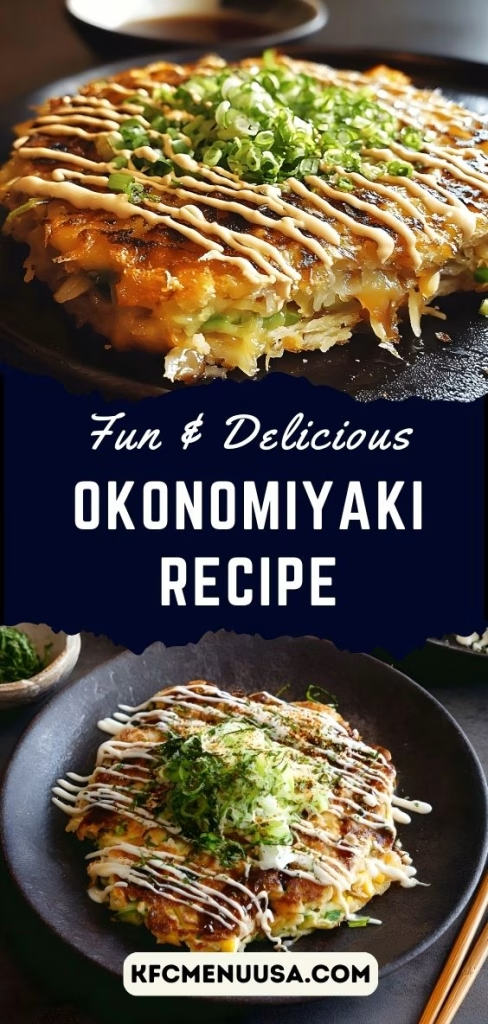
Ingredients for Okonomiyaki
Here’s everything you’ll need to make this tasty Japanese pancake. I’ve added tips for why each ingredient works best.
- All-purpose flour – Forms the base; sift for a lighter batter.
- Salt – Enhances overall flavor; adjust to taste.
- Sugar – Balances savory elements; optional if you like less sweetness.
- Baking powder – Helps the pancake puff up; fresh powder works best.
- Grated mountain yam (nagaimo/yamaimo) – Adds stickiness and tenderness; avoid frozen if possible.
- Dashi (Japanese soup stock) – Gives authentic umami; I use homemade or instant.
- Eggs – Bind the batter; large eggs preferred.
- Cabbage, finely shredded – Main filling; fresh cabbage is crunchier than pre-shredded.
- Tempura scraps (tenkasu) – Adds crunch; skip if you prefer a softer texture.
- Pork belly slices – Classic topping; can swap with chicken, shrimp, or tofu.
- Okonomiyaki sauce – Sweet-savory finishing touch; store-bought works well. You can also enjoy similar hearty flavors like in this Hearty Cheddar Garlic Herb Potato Soup Recipe.
- Kewpie mayonnaise – Creamy drizzle; don’t use regular mayo for authentic taste.
- Aonori (dried seaweed) – Garnish; enhances umami.
- Bonito flakes – Adds smoky flavor; they “dance” when hot!
Note: several servings.
Variations
You can easily adjust okonomiyaki to suit dietary preferences or flavor experiments:
- Use tofu or tempeh instead of pork for a vegetarian version.
- Swap regular mayo with vegan mayonnaise for a dairy-free option.
- Add grated cheese for extra richness.
- Mix in kimchi or green onions for bold flavor.
- Use sweet potato or pumpkin in place of yam for a seasonal twist. You might also enjoy a hearty breakfast twist like Chorizo Potato Egg Casserole Recipe.
Cooking Time
- Prep Time: 15 minutes
- Cooking Time: 25 minutes
- Total Time: 40 minutes
Equipment You Need
- Large mixing bowl – To combine batter and ingredients.
- Grater – For grating yam and vegetables.
- Non-stick skillet or griddle – Ensures pancakes cook evenly.
- Spatula – For flipping the okonomiyaki without breaking it.
- Knife and cutting board – To prep cabbage and toppings.
How to Make Okonomiyaki Recipe?
Prepare the Batter
Start by mixing flour, salt, sugar, and baking powder in a bowl. Gradually add grated yam, dashi, and eggs. Stir until smooth and slightly sticky for a soft, fluffy texture.
Mix in the Cabbage and Toppings
Fold in shredded cabbage and tempura scraps. If you want protein, add pork, shrimp, or your preferred ingredient. Make sure everything is evenly coated with batter.
Cook the Pancakes
Heat a lightly oiled skillet over medium heat. Pour batter into rounds, press slightly, and cook until golden brown on both sides. Flip carefully to avoid breaking the pancake.
Add Sauce and Garnish
Brush okonomiyaki sauce on top and drizzle with Kewpie mayonnaise. Sprinkle aonori and bonito flakes. Serve immediately while hot and enjoy the “dancing” flakes!
Additional Tips for Making this Recipe Better
From my experience, a few tweaks make a huge difference:
- I always squeeze excess water from cabbage to prevent soggy pancakes.
- I preheat my skillet fully; it helps achieve a golden crust.
- I don’t overcrowd the pan; each pancake cooks evenly this way.
- I like adding a little extra tenkasu for a crunchier bite.
- I use fresh dashi for the most authentic flavor; instant works in a pinch.
How to Serve Okonomiyaki Recipe?
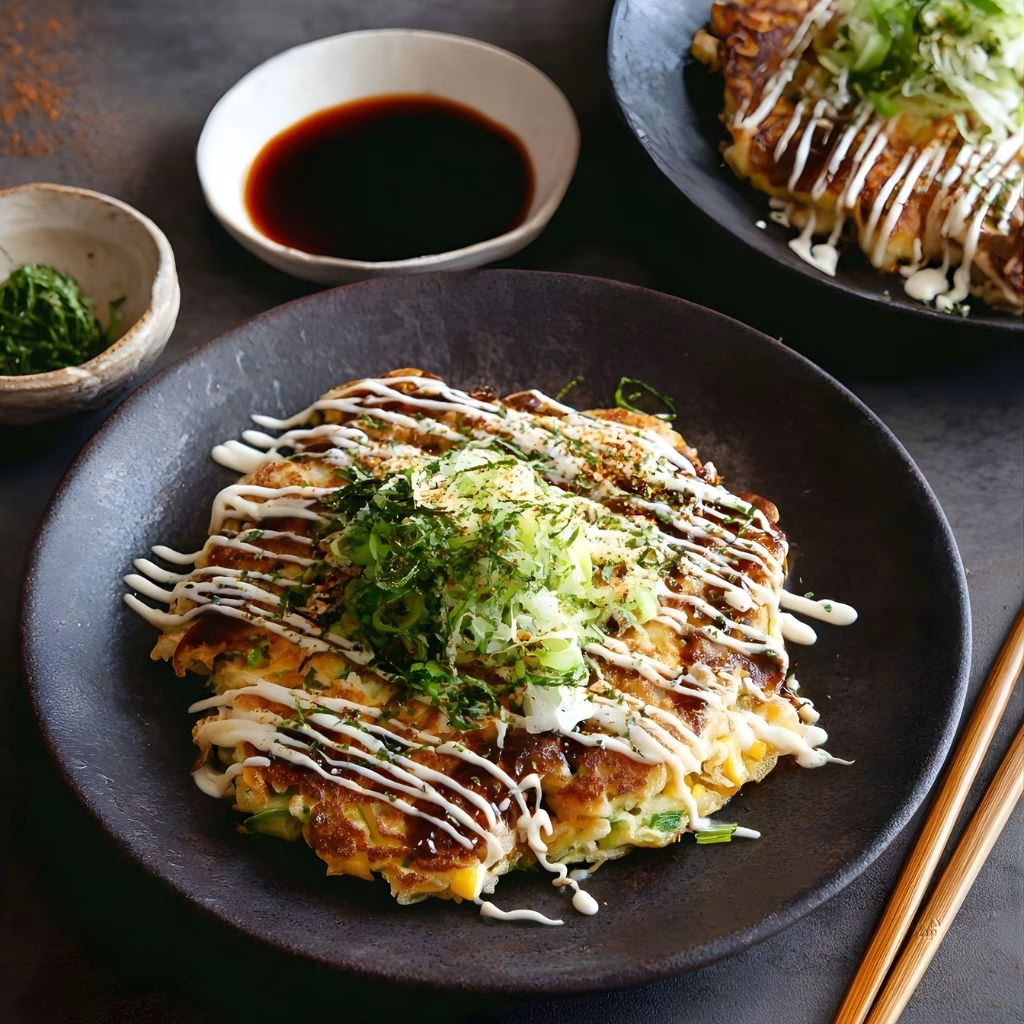
Serving okonomiyaki is almost as fun as making it. Place the pancake on a plate, drizzle sauce and mayo in decorative patterns, and sprinkle seaweed and bonito flakes on top. I like serving it with pickled ginger and a side of miso soup for a complete Japanese-style meal.
Nutritional Information
Here’s a rough estimate for one serving:
- Calories: 450–500 kcal – hearty and filling.
- Protein: 18–20 g – from eggs and pork/shrimp.
- Carbohydrates: 50–55 g – mainly from flour and vegetables.
- Fat: 20–22 g – from oil, mayo, and pork.
Make Ahead and Storage
Storing
Okonomiyaki keeps well in the fridge for up to 2 days. Store in an airtight container to maintain moisture.
Freezing
You can freeze cooked pancakes individually in foil or airtight containers for up to 1 month. Thaw before reheating.
Reheating
Reheat in a skillet over low-medium heat for best texture; avoid microwaving if you want to keep it crispy.
Why You’ll Love This Recipe?
Here’s why this okonomiyaki recipe is my favorite:
- It’s incredibly easy to make, even for beginners.
- Versatile: you can swap proteins and veggies any way you like.
- Kid-friendly: everyone can customize their own pancake.
- Perfect for meal prep and reheating without losing flavor.
- Flavor-packed: sweet-savory sauce and umami-rich toppings make it irresistible.
This okonomiyaki recipe is more than just a dish; it’s a fun, interactive meal that you can enjoy with friends and family anytime. Making it at home gives me a sense of accomplishment, and the flavors are unbeatable!

Okonomiyaki Recipe
Ingredients
Method
- Start by mixing flour, salt, sugar, and baking powder in a bowl. Gradually add grated yam, dashi, and eggs. Stir until smooth and slightly sticky for a soft, fluffy texture.
- Fold in shredded cabbage and tempura scraps. If you want protein, add pork, shrimp, or your preferred ingredient. Make sure everything is evenly coated with batter.
- Heat a lightly oiled skillet over medium heat. Pour batter into rounds, press slightly, and cook until golden brown on both sides. Flip carefully to avoid breaking the pancake.
- Brush okonomiyaki sauce on top and drizzle with Kewpie mayonnaise. Sprinkle aonori and bonito flakes. Serve immediately while hot and enjoy the “dancing” flakes!
Notes
- I always squeeze excess water from cabbage to prevent soggy pancakes.
- I preheat my skillet fully; it helps achieve a golden crust.
- I don’t overcrowd the pan; each pancake cooks evenly this way.
- I like adding a little extra tenkasu for a crunchier bite.
- I use fresh dashi for the most authentic flavor; instant works in a pinch.