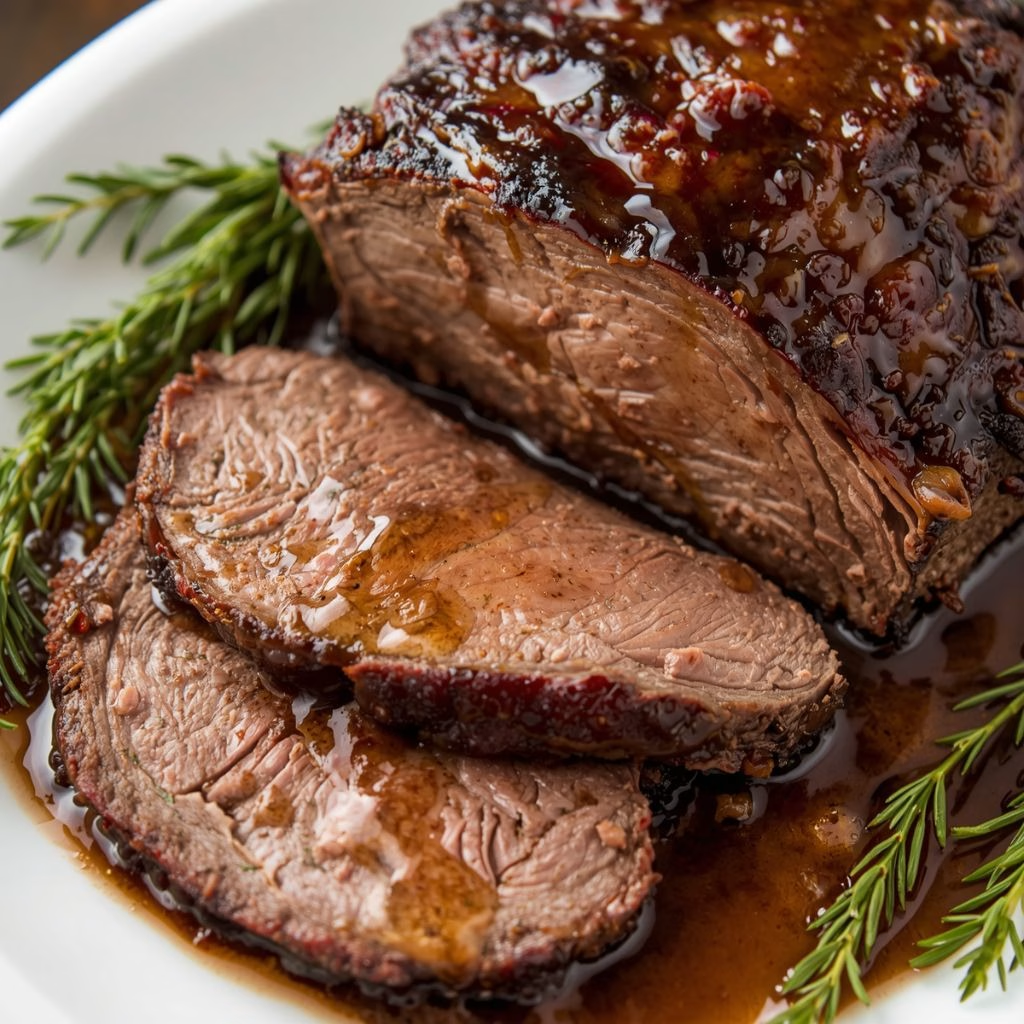
I still remember the first time I made this Slow Cooker Balsamic Glazed Roast Beef Recipe, and honestly, I didn’t expect it to turn out this good. I threw everything into the slow cooker in the morning and hoped for the best while going about my day.
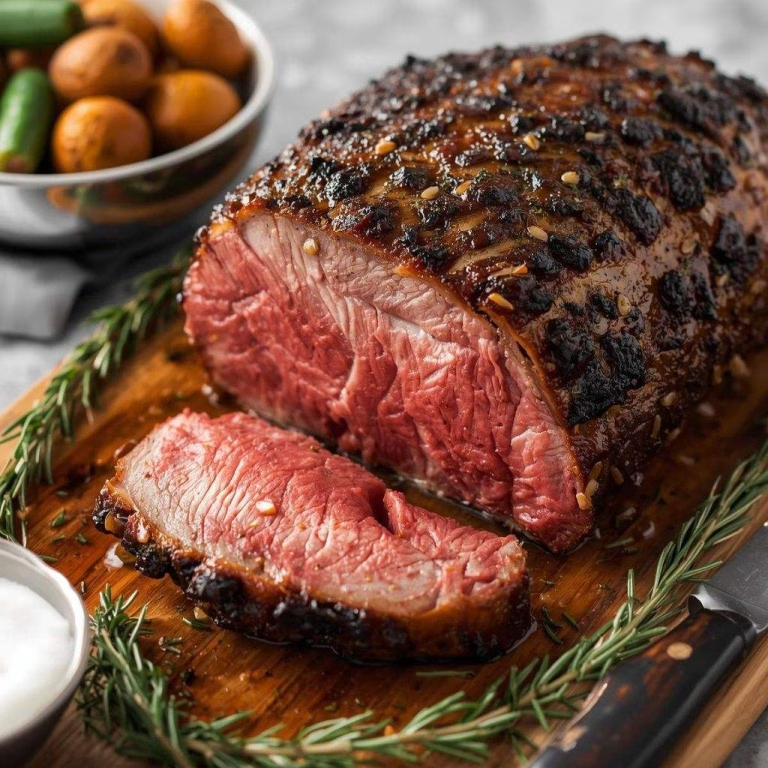
When I came back, the smell alone felt like a restaurant-quality meal waiting for me at home. The beef was tender, juicy, and coated in a rich, tangy-sweet balsamic glaze. Since then, I’ve made it many times, and it never disappoints.
Ingredients
Here’s everything I use to make this flavorful slow cooker roast beef. Each ingredient plays an important role in building depth and tenderness.
- beef chuck roast (3–4 pounds) – This cut is perfect because it becomes melt-in-your-mouth tender when slow-cooked. Don’t use lean cuts; they dry out quickly.
- olive oil (2 tablespoons) – Helps sear the meat and lock in flavor before slow cooking.
- salt (1½ teaspoons) – Enhances the natural beef flavor and balances the glaze.
- black pepper (1 teaspoon) – Adds mild heat and depth. Freshly ground works best.
- garlic cloves (5–6, minced) – Gives a rich aroma and deep savory base.
- onion (1 large, sliced) – Adds sweetness as it cooks down.
- balsamic vinegar (¾ cup) – The star ingredient that creates tangy richness.
- beef broth (1 cup) – Keeps the meat moist and enhances savory flavor.
- brown sugar (2–3 tablespoons) – Balances acidity and helps create a glossy glaze.
- Worcestershire sauce (2 tablespoons) – Adds umami depth and complexity.
- dried thyme (1 teaspoon) – Brings an earthy herbal note.
- cornstarch (1 tablespoon, optional) – Used to thicken the glaze at the end.
Note: This recipe comfortably serves 6–8 people depending on portion size and side dishes.
Variations
Here are some easy ways I like to customize this roast beef recipe depending on dietary needs or flavor preferences.
- honey instead of brown sugar – gives a more natural sweetness and slightly floral glaze.
- coconut aminos instead of Worcestershire sauce – great for a gluten-free option.
- add red pepper flakes – for a subtle spicy kick that balances the sweetness.
- swap beef broth with vegetable broth – lighter but still flavorful.
- add mushrooms or carrots – makes it a complete one-pot meal.
Cooking Time
This recipe is slow-cooked for maximum tenderness and flavor.
- Prep Time: 15–20 minutes
- Cooking Time: 8 hours (low) or 4–5 hours (high)
- Total Time: 8 hours 20 minutes (approx.)
Equipment You Need
Here’s what I use every time I make this recipe.
- Slow cooker – cooks the beef low and slow for tenderness.
- Large skillet – used for searing the roast before slow cooking.
- Sharp knife – for slicing onions and trimming beef.
- Mixing bowl – for combining the balsamic glaze ingredients.
- Tongs – helps flip and handle the beef while searing.
How to Make Slow Cooker Balsamic Glazed Roast Beef Recipe?
Step 1: Prepare and Season the Beef
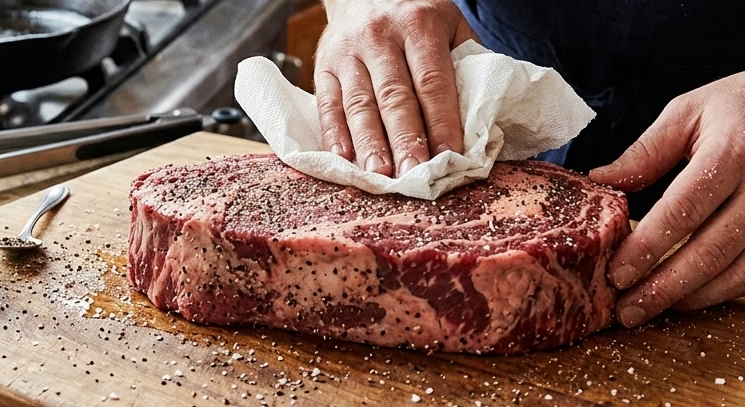
I always start by patting the beef dry because moisture prevents good browning. Then I season it generously with salt and black pepper on all sides. This step builds the foundation of flavor for the entire dish.
Step 2: Sear the Roast for Extra Flavor
I heat olive oil in a skillet until it’s hot and shimmering. Then I sear the beef for a few minutes on each side until a golden crust forms. This locks in juices and adds a rich, deep flavor to the final dish.
Step 3: Prepare the Balsamic Sauce
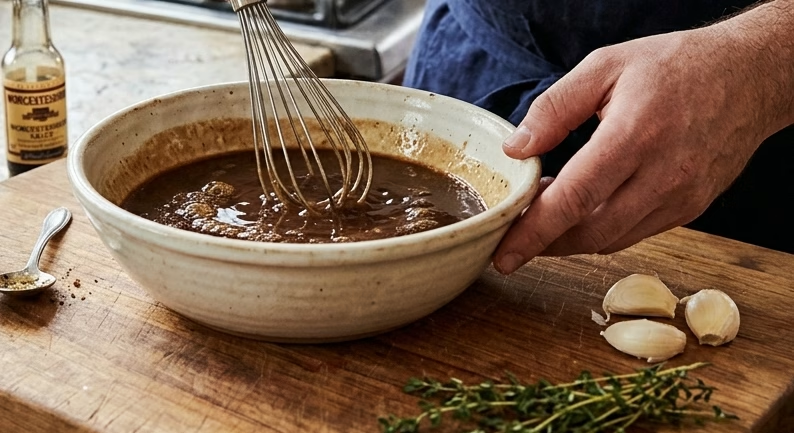
In a bowl, I mix balsamic vinegar, beef broth, Worcestershire sauce, brown sugar, garlic, and thyme. I whisk everything until the sugar dissolves and the mixture looks smooth. This sauce will slowly transform into a glossy glaze during cooking.
Step 4: Assemble in the Slow Cooker
I place sliced onions at the bottom of the slow cooker first. Then I add the seared beef on top and pour the sauce all over it. This ensures even flavor absorption while it cooks.
Step 5: Slow Cook Until Tender
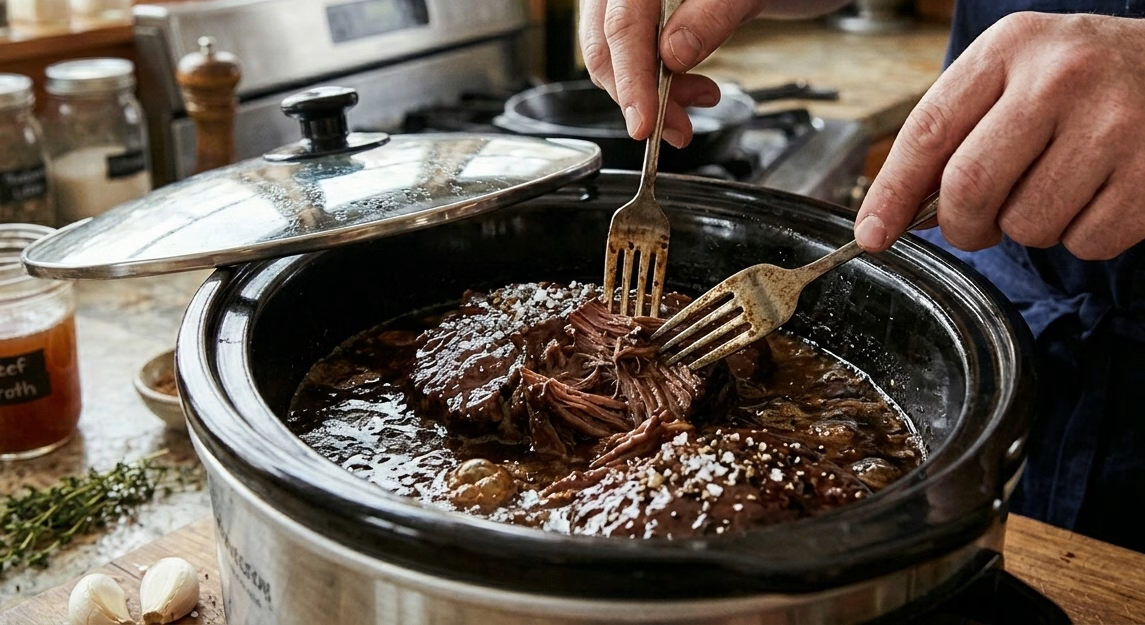
I cook on low for 8 hours or high for about 4–5 hours. The beef becomes so tender that it easily pulls apart with a fork. During this time, the sauce thickens and infuses deeply into the meat.
Step 6: Finish with a Rich Glaze
Once cooked, I remove the beef and let it rest before slicing or shredding. I simmer the leftover sauce with cornstarch if I want a thicker glaze. Then I drizzle it over the beef before serving for extra richness.
Additional Tips for Making This Recipe Better
From my personal experience, these small tweaks make a big difference in flavor and texture.
- I always sear the beef because skipping it makes the flavor less deep and rich.
- I let the beef rest before slicing so the juices stay locked inside.
- I prefer low and slow cooking because it makes the meat more tender than high heat.
- I sometimes double the sauce if I want extra glaze for rice or mashed potatoes.
- I taste the sauce before serving and adjust sweetness or acidity if needed.
How to Serve Slow Cooker Balsamic Glazed Roast Beef Recipe?
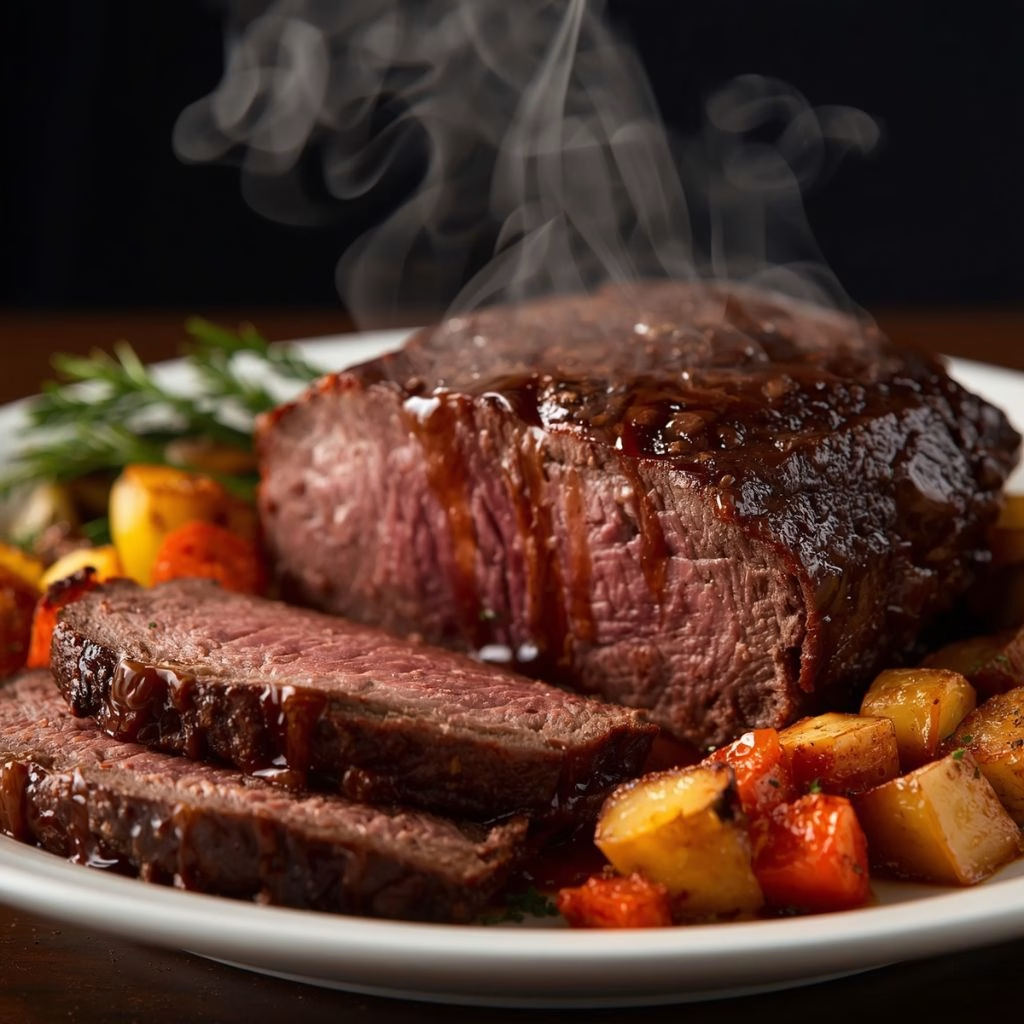
I love serving this roast beef in a way that highlights its rich glaze and tender texture. I usually slice it thick or shred it, then drizzle extra balsamic sauce on top. It pairs beautifully with creamy mashed potatoes, buttered noodles, or roasted vegetables. For presentation, I like adding fresh parsley or thyme for a pop of color and freshness.
Nutritional Information
Here’s an approximate breakdown per serving.
- Calories: ~380 kcal
- Protein: ~35g
- Carbohydrates: ~12g
- Fat: ~20g
This can vary depending on portion size and ingredients used.
Make Ahead and Storage
Refrigeration
I usually store leftovers in an airtight container once cooled completely. It stays fresh in the fridge for up to 4 days without losing flavor. The sauce actually gets better as it sits and deepens in taste.
Freezing
I freeze portions in sealed containers or freezer bags for up to 3 months. It’s best to include some sauce so the meat doesn’t dry out later. I thaw it overnight in the fridge before reheating.
Reheating
I reheat gently on the stove or microwave with a splash of broth. This helps bring back moisture and keeps the beef tender. I avoid overheating so the meat doesn’t become tough.
Why You’ll Love This Recipe?
This recipe is one of my go-to comfort meals, and here’s why I think you’ll love it too.
- effortless cooking process – I just set it and forget it, making it perfect for busy days.
- incredibly tender beef – slow cooking transforms even tough cuts into melt-in-your-mouth bites.
- rich sweet and tangy flavor – the balsamic glaze creates a perfect balance of taste.
- versatile serving options – works well with rice, potatoes, sandwiches, or pasta.
- great for meal prep – I often make extra because it tastes even better the next day.
If you’re looking for a cozy, flavorful, and low-effort dinner, this slow cooker balsamic glazed roast beef is one recipe I always come back to.

Slow Cooker Balsamic Glazed Roast Beef Recipe
Ingredients
Method
- I always start by patting the beef dry because moisture prevents good browning. Then I season it generously with salt and black pepper on all sides. This step builds the foundation of flavor for the entire dish.
- I heat olive oil in a skillet until it’s hot and shimmering. Then I sear the beef for a few minutes on each side until a golden crust forms. This locks in juices and adds a rich, deep flavor to the final dish.
- In a bowl, I mix balsamic vinegar, beef broth, Worcestershire sauce, brown sugar, garlic, and thyme. I whisk everything until the sugar dissolves and the mixture looks smooth. This sauce will slowly transform into a glossy glaze during cooking.
- I place sliced onions at the bottom of the slow cooker first. Then I add the seared beef on top and pour the sauce all over it. This ensures even flavor absorption while it cooks.
- I cook on low for 8 hours or high for about 4–5 hours. The beef becomes so tender that it easily pulls apart with a fork. During this time, the sauce thickens and infuses deeply into the meat.
- Once cooked, I remove the beef and let it rest before slicing or shredding. I simmer the leftover sauce with cornstarch if I want a thicker glaze. Then I drizzle it over the beef before serving for extra richness.
Notes
- I always sear the beef because skipping it makes the flavor less deep and rich.
- I let the beef rest before slicing so the juices stay locked inside.
- I prefer low and slow cooking because it makes the meat more tender than high heat.
- I sometimes double the sauce if I want extra glaze for rice or mashed potatoes.
- I taste the sauce before serving and adjust sweetness or acidity if needed.