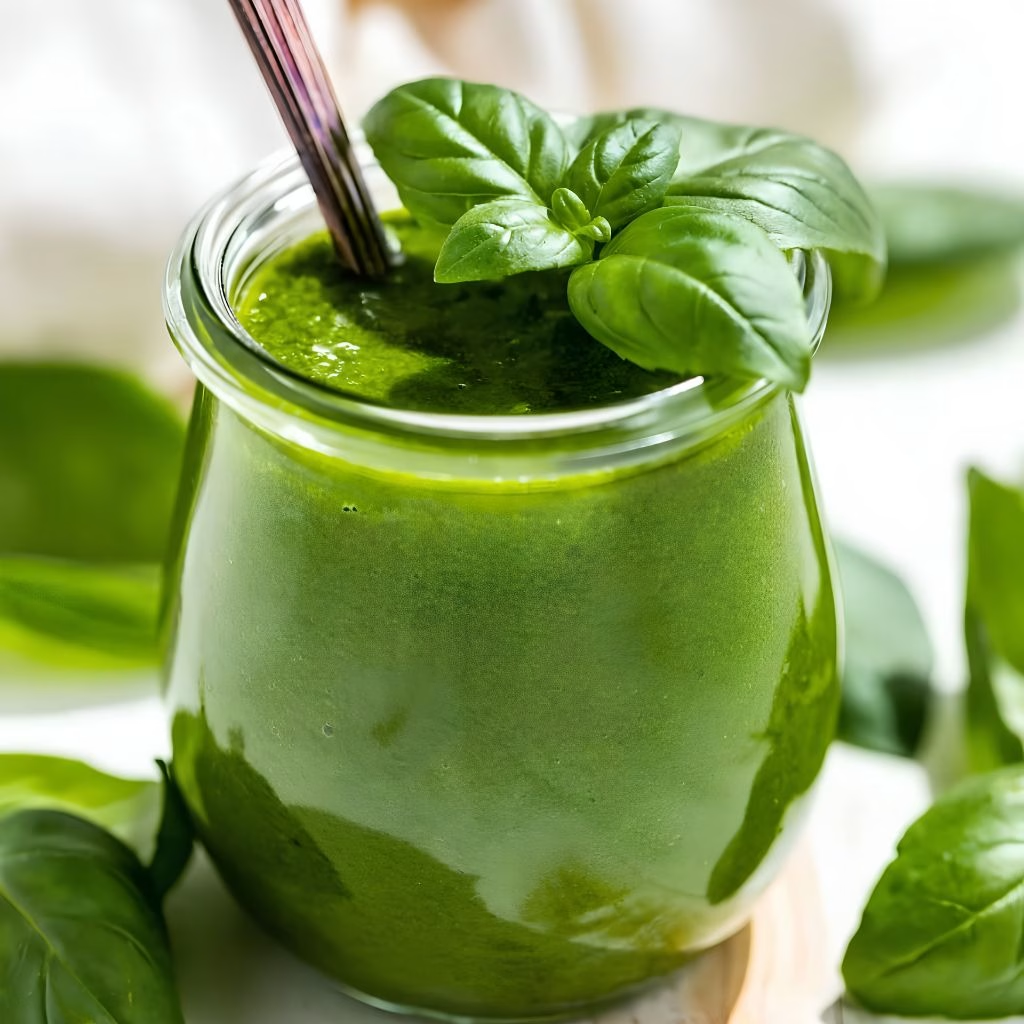
I make this Fresh Basil Vinaigrette Recipe on repeat all summer long, and honestly, it’s the one dressing I never get tired of. It came together one afternoon when I had way too much basil sitting on my counter and didn’t want it to go to waste.
Five minutes and a blender later, I had a jar of the most vibrant, herby dressing I’d ever tasted. Now I keep a batch in my fridge at all times because it turns even the most boring salad into something I actually look forward to eating.

Cooking Time
- Prep Time: 5 minutes
- Cooking Time: 0 minutes (no cooking required)
- Total Time: 5 minutes
Ingredients
- 2 cups fresh basil leaves, tightly packed, stems removed — this is the star of the show, so use leaves, not stems, for the smoothest texture
- ½ cup extra virgin olive oil — go for a good, fruity one since there’s no cooking to mellow out a cheap-tasting oil
- 2 tablespoons red wine vinegar — brings the tang that balances the richness of the oil
- 1 small shallot, roughly chopped — adds a soft, mild onion flavor without overpowering the basil
- 2 cloves garlic — fresh cloves give a much brighter punch than the jarred stuff
- ½ teaspoon red pepper flakes (optional) — a little heat that wakes up every other flavor in the jar
- 1 teaspoon kosher salt, plus more to taste — season generously, basil can handle it
- Black pepper, a few cracks, to taste — totally optional but I always add a little
Note: This recipe makes about 1 cup of vinaigrette and serves 8-10 people, depending on how generously you drizzle it.
Equipment You Need
- High-powered blender — gets the vinaigrette silky smooth and fully emulsified
- Measuring cups and spoons — for accurate ingredient amounts
- Airtight glass jar — for storing leftovers in the fridge
- Rubber spatula — to scrape down every last drop from the blender
How to Make Fresh Basil Vinaigrette Recipe?
This part could not be simpler, which is exactly why I make it so often. There’s no chopping technique to master and no stovetop involved. You basically just load up a blender and let it do all the work for you.
Prep Your Ingredients
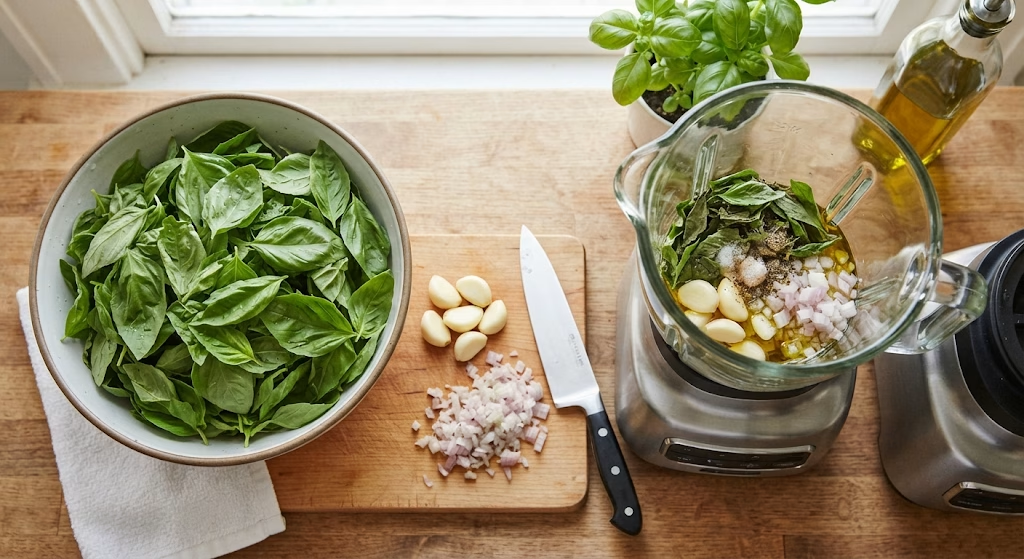
Before anything goes into the blender, I like to rinse my basil leaves and pat them completely dry. Wet basil waters down the dressing and dulls the flavor. I also peel my garlic and roughly chop the shallot so the blender doesn’t have to work too hard to break everything down evenly.
Blend Everything Together
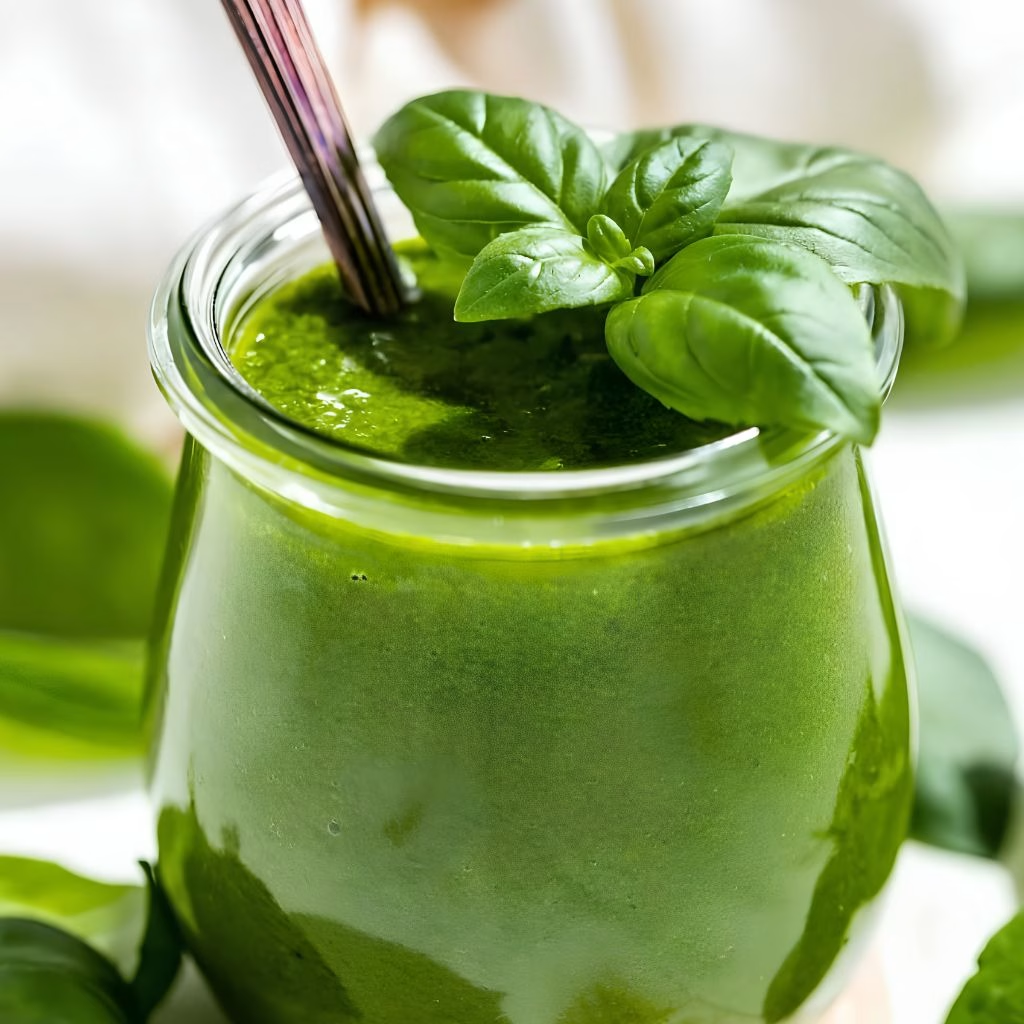
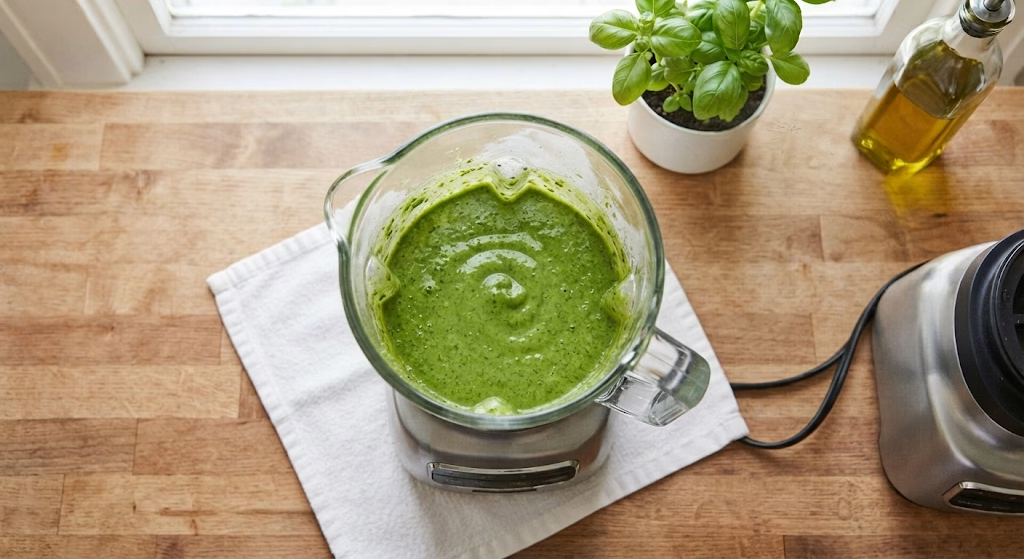
Add the basil, shallot, garlic, red pepper flakes, olive oil, red wine vinegar, and salt straight into your blender. Blend on high for about 60 seconds, stopping once or twice to scrape down the sides if needed. You’re looking for a smooth, pourable, vivid green sauce with no visible chunks left behind.
Taste and Adjust
Once it’s blended, I always dip a spoon in and taste it before calling it done. If it needs more brightness, I add a splash more vinegar. If it tastes flat, a pinch more salt usually fixes it. This step matters more than people think, since basil varies in how peppery or mild it is.
Serve or Chill
You can use the vinaigrette immediately while it’s fresh and vibrant, or transfer it to an airtight jar and pop it in the fridge to firm up slightly. I usually let mine chill for at least 15 minutes if I’m using it on a salad, just so the flavors settle in.
Additional Tips for Making This Recipe Better
I’ve made this vinaigrette more times than I can count, so here’s what actually makes a difference in my kitchen:
- I always use the freshest basil I can find, since anything wilted or spotted makes the dressing taste bitter and muddy.
- I stream the olive oil in slowly if I’m using a food processor instead of a blender, which helps it emulsify properly instead of separating.
- I start with less vinegar than I think I need, taste, then add more, because it’s much easier to add acid than to fix an overly sharp dressing.
- I let the vinaigrette sit for a few minutes after blending, since the flavors mellow and blend together beautifully with just a short rest.
- I give the jar a good shake before every use, because the oil naturally settles and separates slightly in the fridge.
Common Mistakes to Avoid
- I’ve used basil that sat in the fridge too long, and it turned my vinaigrette a dull, brownish green instead of that bright color I want.
- I once dumped in the salt without tasting it first, and it came out way too salty, so now I always season gradually and taste as I go.
- I tried making this in a weak blender once and ended up with flecked, unevenly blended dressing instead of that silky consistency.
- I forgot to dry my basil leaves thoroughly one time, and the extra water thinned out the whole batch.
- I’ve skipped tasting before serving more than once, only to find the balance was off, so now I never skip that final check.
How to Serve Fresh Basil Vinaigrette
This dressing is incredibly versatile, so I rarely stick to just one use. I love drizzling it generously over a caprese salad with ripe tomatoes and fresh mozzarella, letting it pool slightly on the plate for that restaurant-style presentation. It’s also fantastic tossed through a simple green salad, spooned over grilled chicken or salmon right off the grill, or swirled into a bowl of warm pasta.
For seafood-inspired meals, the bright garlic and herb flavors also pair nicely with dishes such as Creamy Garlic Paprika Shrimp Skillet Recipe and Lemon Butter Fish Bites with Garlic Aioli Recipe. For a pretty finishing touch, I sometimes scatter a few extra whole basil leaves or a light sprinkle of flaky salt on top right before serving.
Variations
- Swap the red wine vinegar for balsamic vinegar if you want a slightly sweeter, deeper flavor profile.
- Use apple cider vinegar instead for a lighter, fruitier tang that works beautifully in everyday salads.
- Blend in a few tablespoons of grated parmesan or a spoonful of Greek yogurt for a creamier, richer dressing.
- Add extra garlic cloves if you love a bolder, more pungent finish.
- Try avocado oil in place of olive oil for a milder, more neutral base.
- Mix in a handful of baby spinach or arugula for a slightly different, more peppery green flavor.
- Stir in a small squeeze of lemon juice alongside the vinegar for an extra citrusy lift.
Nutritional Information
Here’s a rough breakdown per serving, based on about 2 tablespoons of vinaigrette:
- Calories: 100 kcal
- Protein: 0.2 g
- Carbohydrates: 1 g
- Fat: 11 g
Make Ahead and Storage
You can absolutely make this vinaigrette a few days ahead of time. It actually tastes even better after the flavors have had a little time to meld together in the fridge.
Store it in a sealed jar or airtight container in the refrigerator, where it will stay fresh for about 5 to 7 days. Just give it a good shake before each use since the oil naturally separates as it sits.
This vinaigrette also freezes surprisingly well. I like pouring it into ice cube trays, freezing until solid, then popping the cubes into a freezer bag for easy, portioned servings whenever I need a quick burst of basil flavor.
Why You’ll Love This Recipe?
This basil vinaigrette has earned a permanent spot in my fridge rotation, and here’s why I think you’ll feel the same way:
- It’s ready in five minutes flat. There’s no cooking involved, so it’s the easiest way to upgrade a meal without adding extra time in the kitchen.
- It’s endlessly versatile. I use it on salads, pasta, grilled meats, roasted vegetables, and even as a sandwich spread when I want something extra flavorful.
- It fits so many diets. It’s naturally vegetarian, vegan-friendly, gluten-free, and dairy-free, so I can serve it to basically anyone.
- It’s easy to customize. Whether I want it creamier, sweeter, or spicier, a small tweak to the ingredients changes the whole personality of the dressing.
- It makes basil actually worth buying. Instead of a few leaves going to waste in my fridge, I get an entire jar of flavor out of one bunch.
FAQs
Can I make a balsamic basil vinaigrette version of this recipe?
Yes, simply swap the red wine vinegar for balsamic vinegar. It gives the dressing a deeper, slightly sweeter flavor that pairs beautifully with tomatoes and mozzarella.
How do I turn this into a creamy basil dressing?
Blend in a few tablespoons of Greek yogurt, mayonnaise, or grated parmesan cheese along with the other ingredients. It thickens the texture while keeping that fresh basil flavor front and center.
Is this a good basil dressing for tomato salad?
Absolutely, it’s one of my favorite pairings. The bright, herby flavor complements ripe tomatoes perfectly, especially when drizzled over a simple tomato and mozzarella caprese-style salad.
Can I make a simple basil salad dressing without a blender?
You can, though the texture won’t be quite as smooth. Finely mince the basil, garlic, and shallot by hand, then whisk everything together with the oil and vinegar until well combined.
Is this considered a healthy basil salad dressing?
Yes, it’s made with wholesome, simple ingredients like fresh basil, olive oil, and vinegar, with no added sugar or preservatives, making it a clean choice compared to many store-bought dressings.
Can I use apple cider vinegar in basil vinaigrette instead of red wine vinegar?
Definitely, apple cider vinegar works well here and gives the dressing a slightly fruitier, milder tang that’s great for everyday salads.
Does this work as a basil dressing for caprese salad?
It’s honestly one of the best uses for it. Drizzle it generously over sliced tomatoes and fresh mozzarella for a simple, elegant caprese that tastes like it came from a restaurant.
How do I make a garlic basil vinaigrette with a bolder flavor?
Add an extra clove or two of garlic when blending. It intensifies the punchy, savory notes without overwhelming the fresh basil flavor.

Fresh Basil Vinaigrette Recipe
Ingredients
Method
- Before anything goes into the blender, I like to rinse my basil leaves and pat them completely dry. Wet basil waters down the dressing and dulls the flavor. I also peel my garlic and roughly chop the shallot so the blender doesn’t have to work too hard to break everything down evenly.
- Add the basil, shallot, garlic, red pepper flakes, olive oil, red wine vinegar, and salt straight into your blender. Blend on high for about 60 seconds, stopping once or twice to scrape down the sides if needed. You’re looking for a smooth, pourable, vivid green sauce with no visible chunks left behind.
- Once it’s blended, I always dip a spoon in and taste it before calling it done. If it needs more brightness, I add a splash more vinegar. If it tastes flat, a pinch more salt usually fixes it. This step matters more than people think, since basil varies in how peppery or mild it is.
- You can use the vinaigrette immediately while it’s fresh and vibrant, or transfer it to an airtight jar and pop it in the fridge to firm up slightly. I usually let mine chill for at least 15 minutes if I’m using it on a salad, just so the flavors settle in.
Notes
- I always use the freshest basil I can find, since anything wilted or spotted makes the dressing taste bitter and muddy.
- I stream the olive oil in slowly if I’m using a food processor instead of a blender, which helps it emulsify properly instead of separating.
- I start with less vinegar than I think I need, taste, then add more, because it’s much easier to add acid than to fix an overly sharp dressing.
- I let the vinaigrette sit for a few minutes after blending, since the flavors mellow and blend together beautifully with just a short rest.
- I give the jar a good shake before every use, because the oil naturally settles and separates slightly in the fridge.