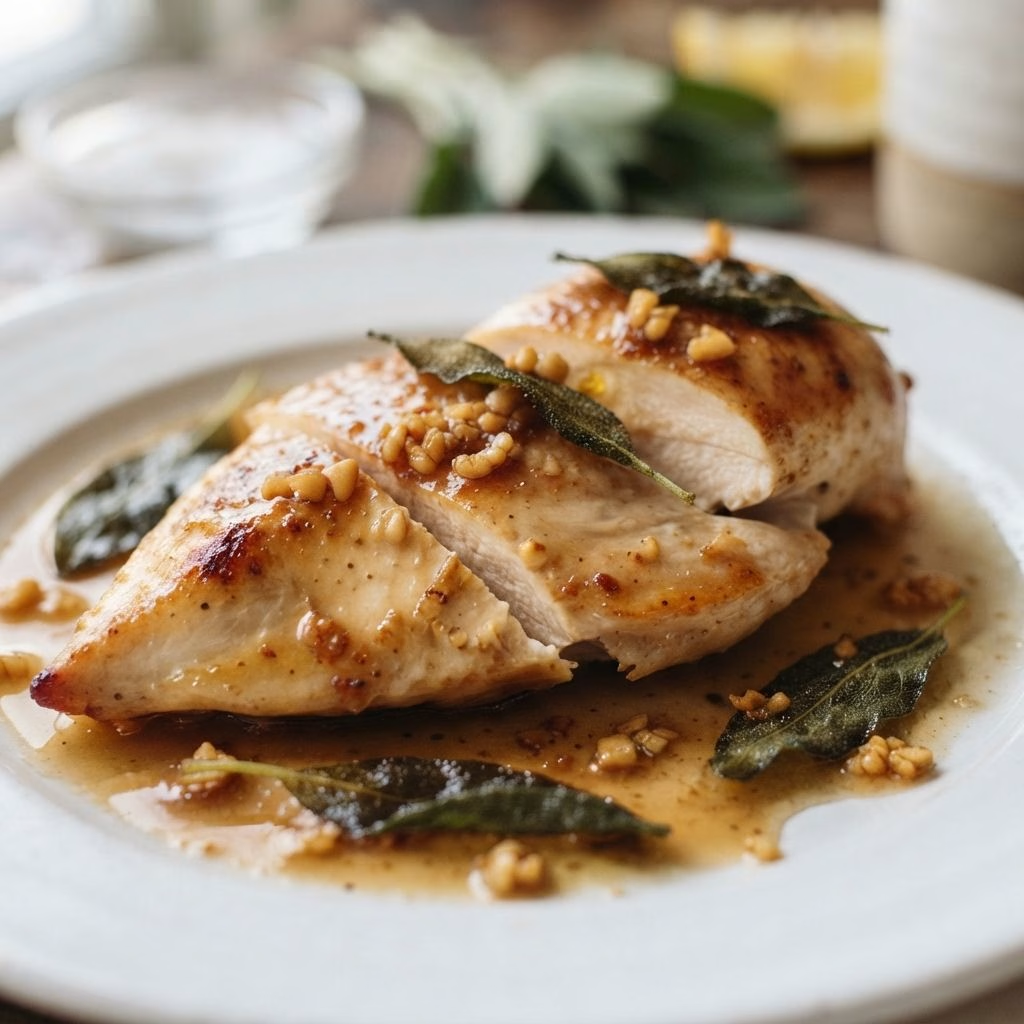
I make this Brown Butter Sage Chicken Recipe whenever I want dinner to feel special without actually working hard for it. I picked up the trick years ago on a night when all I had in the fridge was chicken, butter, and a few sage leaves from an old pot on my windowsill.
One bite of that nutty, herby pan sauce and I was hooked for good. It’s turned into one of those meals I lean on constantly, especially once the weather starts cooling down. If you love a rich, restaurant-style dinner made entirely in one pan, I think this one’s going to become a regular in your house too.

Cooking Time
- Prep Time: 10 minutes
- Cooking Time: 20 minutes
- Total Time: 30 minutes
Ingredients
- 4 boneless, skinless chicken breasts — slice thick ones in half lengthwise so they cook evenly and stay juicy
- salt and black pepper, to taste — season generously, it’s the base flavor for everything else in the pan
- 2 tablespoons olive oil — helps get a good golden sear before the butter goes in
- 6 tablespoons unsalted butter, divided — using unsalted lets you control the saltiness of the finished sauce
- 12 fresh sage leaves — fresh sage crisps up beautifully in butter, dried sage won’t give you that same texture
- 2 cloves garlic, minced — adds depth and rounds out the nutty flavor of the browned butter
- ¼ cup dry white wine — deglazes the pan and lifts all those flavorful browned bits, chicken broth works as a swap
- 1 tablespoon lemon juice — brightens the richness of the butter so the dish doesn’t feel too heavy
Note: this recipe serves 4.
Equipment You Need
- Large skillet — a wide, heavy-bottomed pan gives even heat for searing and browning butter
- Tongs — makes flipping the chicken and adding it back to the pan much safer and easier
- Meat thermometer — confirms your chicken hits a safe internal temperature without guesswork
- Cutting board — for slicing chicken breasts evenly before they hit the pan
- Wooden spoon or spatula — perfect for scraping up browned bits when deglazing the skillet
How to Make Brown Butter Sage Chicken Recipe?
This dish comes together faster than most weeknight dinners, and every step happens right in the same skillet. There’s no marinating and no fussy prep involved here. Just sear, simmer, and spoon that glossy sauce right over the top.
Season and Sear the Chicken
Pat your chicken breasts dry and season both sides generously with salt and pepper. Heat the olive oil in your skillet over medium-high heat until it shimmers. Add the chicken and sear for about 5 to 6 minutes per side until golden and cooked through, then transfer it to a plate.
Brown the Butter
Lower the heat slightly and add the butter to the same skillet. Let it melt and bubble, swirling occasionally, until it turns a deep amber color and smells toasty and nutty. This usually takes just a couple of minutes, so keep a close eye on it the whole time.
Crisp the Sage and Garlic
Add your sage leaves directly into the browned butter and let them sizzle for about 30 seconds until they turn crispy and fragrant. Stir in the minced garlic right after and cook it for another 30 seconds, just until it turns golden and aromatic.
Deglaze With Wine and Lemon
Pour in the white wine and use your wooden spoon to scrape up any browned bits stuck to the bottom of the pan. Let the sauce bubble and reduce slightly for a minute or two, then stir in the fresh lemon juice to balance out the richness.
Return the Chicken and Serve
Nestle the seared chicken breasts back into the skillet, spooning the brown butter sage sauce generously over each piece. Let everything warm through together for a minute, then plate it up while the sauce is still glossy and hot.
Additional Tips for Making This Recipe Better
I’ve made this dish more times than I can count, and these are the little things that always make a difference for me.
- I always slice thick chicken breasts in half so they cook through quickly without drying out on the outside.
- I watch the butter closely once it starts foaming, since it can go from perfectly browned to burnt in seconds.
- I use a light-colored pan when I can, which makes it so much easier to see the butter change color as it browns.
- I keep my sage leaves completely dry before adding them, since any moisture causes the butter to spatter more than usual.
- I always taste the sauce before serving and adjust with a touch more lemon if it feels too rich.
Common Mistakes to Avoid
- I once walked away from the butter for a minute and came back to a burnt, bitter mess, so now I never leave the pan unattended once it starts browning.
- I used chicken breasts straight from the fridge without patting them dry, and they didn’t sear properly at all.
- I overcrowded my skillet with too much chicken at once, which steamed the meat instead of giving it a nice crust.
- I skipped the resting step early on, and cutting into the chicken too soon let all those juices spill right out.
- I forgot to season the chicken generously before searing, thinking the sauce would make up for it, but it really doesn’t.
How to Serve Brown Butter Sage Chicken?
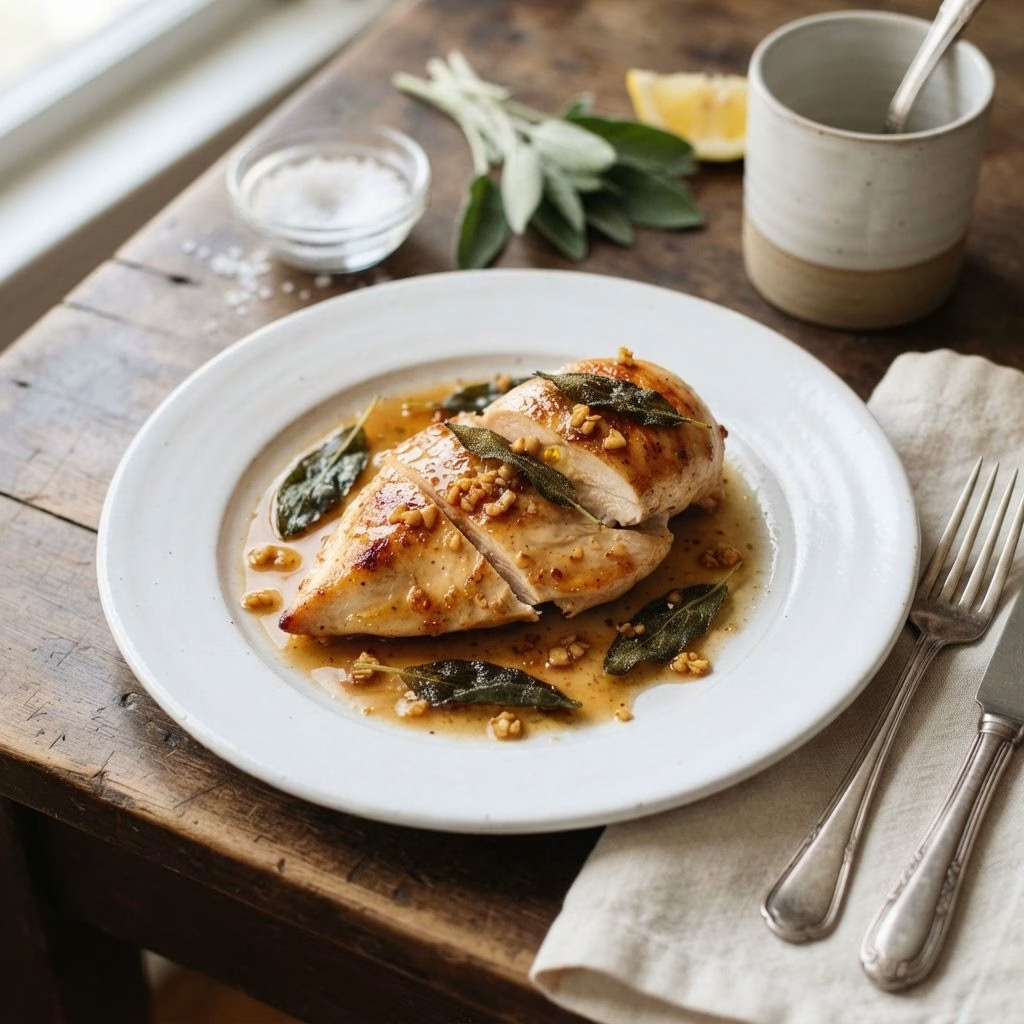
I like slicing the chicken on a diagonal and fanning the pieces out on a plate so all that glossy sauce pools underneath. A few extra crispy sage leaves scattered on top always makes it look like it came from somewhere fancier than my own kitchen.
This dish pairs beautifully with a bed of mashed potatoes, creamy risotto, or roasted vegetables that can soak up the leftover sauce.
If you want to round out the meal with something equally crave-worthy, a batch of golden, crunchy honey butter chicken nuggets makes a fun contrast on the same table for anyone who wants a little extra crunch alongside the skillet chicken.
Variations
- Swap the chicken breasts for boneless chicken thighs if you prefer a juicier, more forgiving cut, which leans closer to a brown butter sage chicken thighs style
- Add fresh thyme along with the sage for a chicken with sage and thyme flavor profile that’s a touch more herbal
- Use dairy-free butter alternatives to keep the sauce rich while making the dish fully dairy-free
- Toss in a splash of extra lemon zest for a brighter lemon sage chicken twist
- Turn this into a marinade base by mixing the browned butter with sage and letting raw chicken sit in it for an hour before cooking, for a deeper sage chicken marinade flavor
- Roast the whole thing in the oven instead of the stovetop for a brown butter sage roasted chicken variation that works well for feeding a crowd
Nutritional Information
Here’s a general breakdown per serving, though this will vary slightly depending on your exact ingredients.
- Calories: 380 kcal
- Protein: 35 g
- Carbohydrates: 2 g
- Fat: 25 g
Make Ahead and Storage
You can season and prep the chicken up to a day ahead of time, keeping it covered in the fridge until you’re ready to sear and cook it fresh.
Store leftovers in an airtight container in the refrigerator, where the chicken and sauce will stay fresh for up to 3 days.
To reheat, warm gently in a skillet over low heat so the sauce doesn’t separate, or freeze cooked chicken for up to 2 months and thaw overnight in the fridge before reheating.
Why You’ll Love This Recipe?
This dish has earned its spot as one of my most-requested dinners, and here’s why I think it’ll win you over too.
- It comes together fast: With everything happening in one skillet in about 30 minutes, this feels like a special dinner without eating up your whole evening.
- It’s naturally low-carb: Since there’s no flour or breading involved, this works well for anyone following a keto or low-carb chicken breast recipe style diet.
- It’s endlessly adaptable: From swapping in chicken thighs to adding extra herbs, this recipe flexes to fit whatever you have on hand.
- It feels fancy without the fuss: That glossy brown butter sauce makes this taste like something from a restaurant menu, even on a busy weeknight.
FAQs
Can I make this into a sage chicken casserole?
Yes, you can shred the cooked chicken, mix it with the brown butter sauce, and bake it with pasta or rice for a comforting sage chicken and casserole style bake.
What can I use instead of white wine?
Chicken broth works well as a non-alcoholic swap and still lets the sauce deglaze the pan nicely without losing much flavor.
Why did my butter turn out bitter instead of nutty?
This usually means the butter is browned for too long or the heat was too high, so keep it on medium-low and pull it off the moment it smells toasty.
Can I use dried sage instead of fresh?
Fresh sage is really what makes this dish shine texturally, but if it’s all you have, use about a third of the amount since dried herbs are more concentrated.
How do I know when the chicken is fully cooked?
The safest way is checking with a meat thermometer, and you’re looking for an internal temperature of 165°F at the thickest part of the breast.
If you’re planning a bigger spread and want something a little more indulgent alongside this skillet chicken, a tray of crispy parmesan chicken nuggets rounds things out nicely for anyone at the table who wants seconds.

Brown Butter Sage Chicken Recipe
Ingredients
Method
- Pat your chicken breasts dry and season both sides generously with salt and pepper. Heat the olive oil in your skillet over medium-high heat until it shimmers. Add the chicken and sear for about 5 to 6 minutes per side until golden and cooked through, then transfer it to a plate.
- Lower the heat slightly and add the butter to the same skillet. Let it melt and bubble, swirling occasionally, until it turns a deep amber color and smells toasty and nutty. This usually takes just a couple of minutes, so keep a close eye on it the whole time.
- Add your sage leaves directly into the browned butter and let them sizzle for about 30 seconds until they turn crispy and fragrant. Stir in the minced garlic right after and cook it for another 30 seconds, just until it turns golden and aromatic.
- Pour in the white wine and use your wooden spoon to scrape up any browned bits stuck to the bottom of the pan. Let the sauce bubble and reduce slightly for a minute or two, then stir in the fresh lemon juice to balance out the richness.
- Nestle the seared chicken breasts back into the skillet, spooning the brown butter sage sauce generously over each piece. Let everything warm through together for a minute, then plate it up while the sauce is still glossy and hot.
Notes
- I always slice thick chicken breasts in half so they cook through quickly without drying out on the outside.
- I watch the butter closely once it starts foaming, since it can go from perfectly browned to burnt in seconds.
- I use a light-colored pan when I can, which makes it so much easier to see the butter change color as it browns.
- I keep my sage leaves completely dry before adding them, since any moisture causes the butter to spatter more than usual.
- I always taste the sauce before serving and adjust with a touch more lemon if it feels too rich.