Lasagna Bolognese Recipe | Classic Italian Comfort Dish
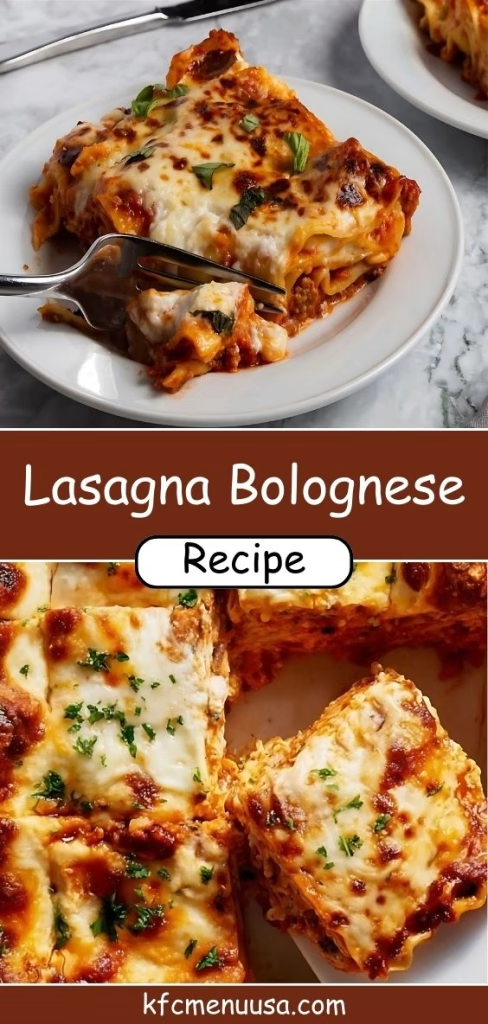
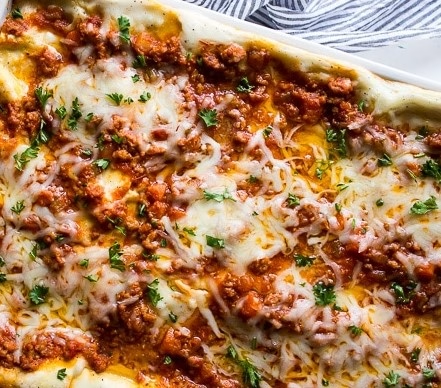
I just made this Lasagna Bolognese and wow — the layers of tender pasta, rich meat sauce, and creamy béchamel made me feel like I was in Italy.
It takes some time, but every minute waiting is totally worth it when you get that bubbly, golden top. I love how this version skips the ricotta but still feels indulgent.
When I served it, everyone smiled before they even tasted it. If you enjoy hearty pasta bakes, you can also explore this ground beef lasagna recipe for another delicious twist.
Ingredients Section
Here are everything you need, with tips from my kitchen experiments to make it extra good:
Ragu
- 1 tablespoon cooking oil (olive oil works well; grapeseed or avocado oil are good too because of their more neutral flavor and higher smoke points) — helps brown the meat without burning, yields better flavor.
- 1½ pounds ground beef (93% lean) — lean enough to avoid too much grease, but still juicy.
- ½ teaspoon salt — helps bring out beef’s flavor.
- ¼ teaspoon black pepper — fresh-ground is preferred for aroma.
- 4 cloves garlic, chopped — never skip fresh garlic; pre-minced loses flavor.
- 1 tablespoon dried basil — dried herbs have concentrated flavor if fresh aren’t on hand.
- 2 teaspoons dried oregano — same as basil: adds that classic Italian herbal note.
- ½ cup water — keeps the sauce from being too thick or sticky.
- 1 (28 ounce) can crushed tomatoes — best quality you can find; whole-peeled, crushed fresh-taste works great.
- 1 teaspoon sugar — balances the natural acidity of tomatoes.
Béchamel
- 4 tablespoons butter — gives richness; salted or unsalted depending on other seasoning.
- ¼ cup all-purpose flour — the thickening agent; cook it properly so no raw flour taste.
- 3 1⁄2 cups milk, divided (preferably whole milk for creaminess; 2% works in a pinch) — whole milk gives the best texture.
- Pinch ground nutmeg — small but noticeable; gives warmth to white sauce.
Lasagna Assembly
- 1 pound dried lasagna noodles — I prefer dried over “no-boil” for better texture and those curly edges.
- 4 ounces Parmigiano-Reggiano, finely grated — the only cheese you need here; it adds sharpness and richness.
Note: Serves about 9 people.
Variations
If you want to put a twist on this Lasagna Bolognese, here are some alternate routes:
- Dairy-free swap: Use plant-based milk (oat or almond type that’s creamy) and a vegan meltable cheese or nutritional yeast instead of Parmigiano-Reggiano.
- Lower fat option: Use ground turkey or a mix of beef + pork for ragu, and 2% milk in béchamel.
- Add more veggies: I like to toss in sautéed mushrooms, chopped spinach, or bell peppers into the ragu for extra nutrients & texture.
- Spice it up: A pinch of red pepper flakes or a splash of hot sauce added to the tomato sauce gives a nice kick.
- Herb variation: Fresh basil and fresh oregano (if you have them) make the flavor more vibrant; add them near the end of cooking.

Cooking Time
Here’s how long the recipe takes:
- Prep Time: about 1 hour — includes chopping, browning meat, boiling noodles, making béchamel.
- Cooking Time: about 1 hour 15 minutes — baking in the oven, final browning.
- Total Time: ≈ 2 hours 15 minutes from start to finish.
Equipment you need
Here are tools I used and why they matter:
- 9×13 Baking Dish — for layering the pasta, sauce, béchamel, and cheese properly.
- Stockpot — to boil the lasagna noodles so they cook evenly without sticking.
- Large Skillet or Dutch Oven — for browning the beef and simmering the ragu sauce.
- Large Saucepan — to make the béchamel sauce, where you whisk milk, butter, flour.
- Whisk — needed constantly for béchamel so it becomes smooth and not lumpy.
How to Make a Lasagna Bolognese Recipe?
Here’s how I go from raw ingredients to that perfect slice of lasagna:
Make the Ragu
I start by heating oil in a heavy skillet or Dutch oven over medium heat. Once hot, I brown the ground beef with salt and pepper, breaking it into small pieces.
Then I stir in garlic, dried herbs, water, and crushed tomatoes, let it come to a gentle boil, cover, and let it simmer for about 30 minutes so flavors meld. At the end, I taste and adjust with sugar, salt, pepper until everything is balanced.
Make the Béchamel
While the ragu simmers, I melt butter in another saucepan over medium heat. I whisk in flour and cook it for a few minutes until it’s lightly golden.
Then I slowly add milk (first a cup while whisking vigorously, then the rest) on medium-low heat until it thickens and becomes smooth. I finish by adding nutmeg, and if I needed more salt if butter was unsalted.
Boil the Noodles
I bring a large pot of well-salted water to a rolling boil, put in the dried lasagna noodles, and stir gently so they don’t stick. Once they’re cooked according to package directions, I drain them and lay them flat on a baking sheet so they don’t clump together.
Assemble and Bake
First, I preheat the oven to 325°F (about 165°C). I oil or spray the baking dish lightly. Then I spread a thin layer of ragu. I add noodles, béchamel, a sprinkle of Parmigiano, then another layer of ragu. I keep layering until ingredients are used, finishing with noodles, béchamel, and cheese on top.
I cover the dish tightly with foil, bake it for about 1 hour. After that, remove foil, increase heat to around 400°F (200°C), and bake for another 10-15 minutes so edges get golden and cheesy. Let it rest about 10 minutes before cutting so it sets.
Additional Tips for Making this Recipe Better
From my own kitchen tests, here are things that made this lasagna even more delicious:
- I always taste the ragu sauce before assembling. Adjusting seasoning there (salt, pepper, sugar) makes a big difference later.
- I don’t rush the béchamel — whisking slowly on low heat keeps it silky. If milk boils, texture suffers.
- Laying noodles flat and separated after boiling stops them sticking together, giving nicer layers.
- Let the lasagna rest 10 minutes before slicing. Slices hold shape better when it cools down just a bit.
- If edges brown too fast, cover loosely with foil and continue baking so the top finishes without burning.
How to Serve Lasagna Bolognese Recipe?
I cut lasagna into generous squares or rectangles, so each has a good amount of sauce, pasta and cheese in every bite. I garnish with a sprinkle of fresh parsley or chopped basil for color.
Serving on warmed plates helps keep the lasagna warm longer. Pair it with a crisp green salad (e.g. arugula with lemon-olive oil) and some crusty bread. For more ideas, you can browse other lunch recipes that pair beautifully with this dish.
Nutritional Information
When I looked into the nutrition, here’s what I found approximately per serving (serves 9):
- Calories: ~ 475 kcal — a satisfying amount for a main dish.
- Protein: ~ 31 g — good protein because of the beef and a bit from the cheese.
- Carbohydrates: ~ 47 g — mostly from pasta and tomatoes.
- Fat: ~ 18 g — includes fat from meat, butter, cheese; saturated fat makes up about half of that.
Make Ahead and Storage
Restoring / Refrigerating
You can assemble the entire lasagna and refrigerate it (covered) up to 24 hours before baking. It’s great if you want to prepare ahead for a gathering or dinner. Before putting it into the oven, remove from the fridge and bake as directed.
Freezing
If freezing, it works well either baked or unbaked. For unbaked, assemble completely, wrap tightly with foil, and freeze for up to 4 months. For baked portions, cool fully first before freezing. Label clearly so you remember what it is and how to reheat.
Reheating
For baked lasagna that was refrigerated, reheat in the oven at about 325°F (≈163°C) for around one hour—nice and slow so it warms through without drying. If reheating from frozen, plan for an additional ~ 45 minutes to an hour depending on thickness; still, foil can help prevent top from over-browning while heating.
Why You’ll Love This Recipe?
Here are some reasons this version of Lasagna Bolognese wins big, in my opinion:
- It feels indulgent and luxurious, without overloading on cheese — the béchamel gives creaminess and Parmigiano adds punch, so you get richness without being too heavy.
- Great for feeding a crowd — making 9 servings means leftovers are possible, or big family dinners.
- Flexible to dietary preferences — you can adjust meat type, milk type, or add veggies; easy to adapt (and still delicious).
- Make-ahead friendly — I can do large parts ahead (sauce, noodles, assembly) so final baking is stress-free.
- Flavor layering: slow-simmered ragu gives deep, savory depth; béchamel warms you; tomato and herbs bring brightness—each bite has contrast. And if you crave another creative twist, try this easy stovetop gnocchi lasagna when you’re in a hurry.

Lasagna Bolognese Recipe
Ingredients
Method
- I start by heating oil in a heavy skillet or Dutch oven over medium heat. Once hot, I brown the ground beef with salt and pepper, breaking it into small pieces.
- Then I stir in garlic, dried herbs, water, and crushed tomatoes, let it come to a gentle boil, cover, and let it simmer for about 30 minutes so flavors meld. At the end, I taste and adjust with sugar, salt, pepper until everything is balanced.
- While the ragu simmers, I melt butter in another saucepan over medium heat. I whisk in flour and cook it for a few minutes until it’s lightly golden.
- Then I slowly add milk (first a cup while whisking vigorously, then the rest) on medium-low heat until it thickens and becomes smooth. I finish by adding nutmeg, and if I needed more salt if butter was unsalted.
- I bring a large pot of well-salted water to a rolling boil, put in the dried lasagna noodles, and stir gently so they don’t stick. Once they’re cooked according to package directions, I drain them and lay them flat on a baking sheet so they don’t clump together.
- First, I preheat the oven to 325°F (about 165°C). I oil or spray the baking dish lightly. Then I spread a thin layer of ragu (just enough so the noodles don’t stick but the bottom still shows). I add noodles, béchamel, a sprinkle of Parmigiano, then another layer of ragu. I keep layering until ingredients are used, finishing with noodles, béchamel, and cheese on top. I cover the dish tightly with foil, bake it for about 1 hour. After that, remove foil, increase heat to around 400°F (200°C), and bake for another 10-15 minutes so edges get golden and cheesy. Let it rest about 10 minutes before cutting so it sets.
Notes
- I always taste the ragu sauce before assembling. Adjusting seasoning there (salt, pepper, sugar) makes a big difference later.
- I don’t rush the béchamel — whisking slowly on low heat keeps it silky. If milk boils, texture suffers.
- Laying noodles flat and separated after boiling stops them sticking together, giving nicer layers.
- Let the lasagna rest 10 minutes before slicing. Slices hold shape better when it cools down just a bit.
- If edges brown too fast, cover loosely with foil and continue baking so the top finishes without burning.