Scalloped Potatoes Recipe | Creamy, Cheesy & Comforting Side
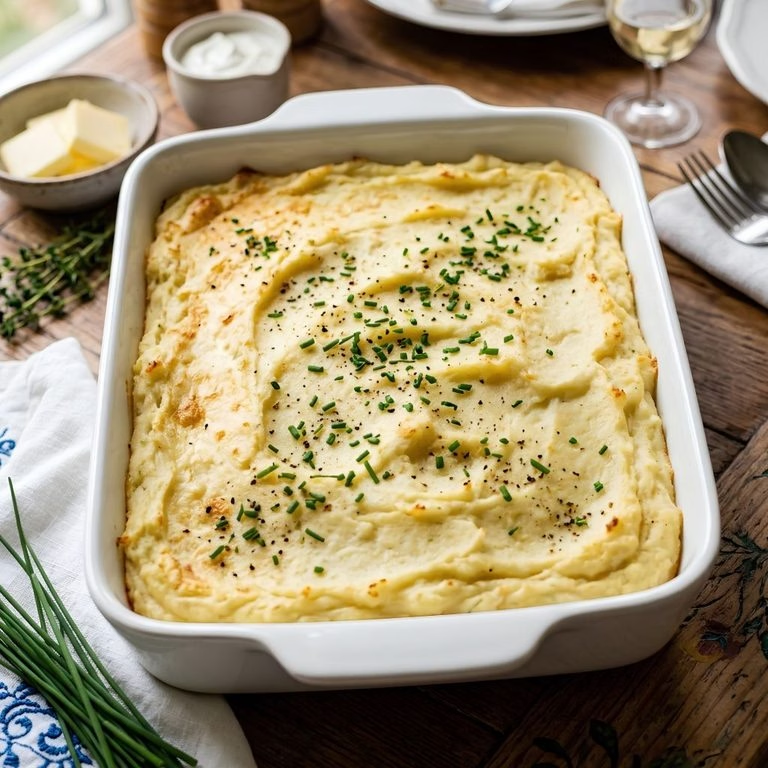
I remember the first time I baked this scalloped potatoes dish—its golden top and creamy insides immediately won me over. The buttery, garlicky aroma filled my kitchen, and I couldn’t wait to dig in.
Each forkful felt like a warm hug. After making it dozens of times, I’m excited to share exactly how to achieve that perfect balance of cream, cheese, and tender potatoes.
Whether you’re cooking for a crowd or just craving comfort food, this is one of my go-to side dishes. Let me walk you through it step by step—you can also enjoy similar festive ideas like this Christmas Tree Pull Apart Bread Recipe.
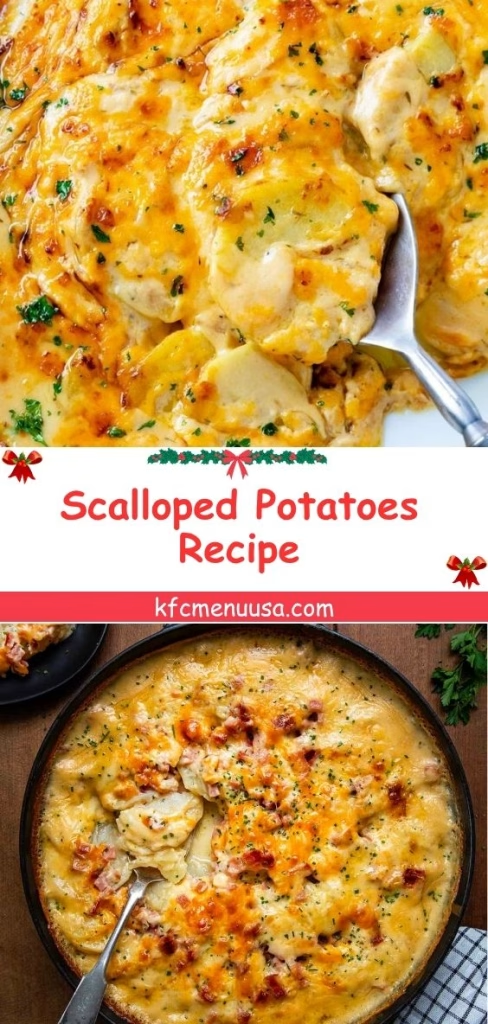
Ingredients
Here’s what I use every time I make this scalloped potatoes recipe (roughly 10–12 servings).
Note: serves 10–12
- 3 tablespoons unsalted butter – for making the roux and flavoring the sauce
- 1 small white or yellow onion, thinly sliced – adds depth; I like to sauté and then strain bits into the layers
- 4 large garlic cloves, minced – garlic boosts the savory richness
- ¼ cup all-purpose flour – this thickens the sauce gently
- 1 cup chicken stock or vegetable stock – gives flavor and thins the creaminess slightly
- 2 cups whole milk (or part half-and-half) – for a silky, lush sauce
- 1½ teaspoons kosher salt – balances all flavors
- ½ teaspoon freshly ground black pepper – a subtle kick without overpowering
- 2 teaspoons fresh thyme leaves, divided – thyme brings a delicate herb note
- 4 pounds Yukon Gold potatoes, sliced into about ⅛-inch rounds – Yukon Golds remain creamy and tender under heat
- 2 cups freshly grated sharp cheddar cheese, divided – grated fresh melts better than pre-shredded
- ½ cup freshly grated Parmesan cheese, plus extra for sprinkling – Parmesan adds savory depth
Variations
If you want to tweak this recipe, here are some of my favorite options:
- Dairy-free: Use a plant-based milk (like oat or cashew) plus a dairy-free cheese; substitute a gluten-free flour or cornstarch for thickening.
- Lower fat / lighter: Use 2% milk instead of whole, and reduce butter by about a tablespoon.
- Extra flavor add-ins: Stir in cooked bacon or ham bits into the layers, or swirl in ¼ cup of basil pesto for a herby twist.
- Greens: Add a handful of baby spinach or tender kale into the sauce before layering.
- Sweet & savory: Swap half the Yukon potatoes for sweet potatoes for a unique contrast.
- Cheese swaps: Try gruyère, fontina, gouda, or mozzarella—just don’t use heavily aged cheeses that won’t melt well.
- Gluten-free: Use a gluten-free all-purpose flour in place of regular flour, or whisk 2 tablespoons cornstarch into cold milk before heating.
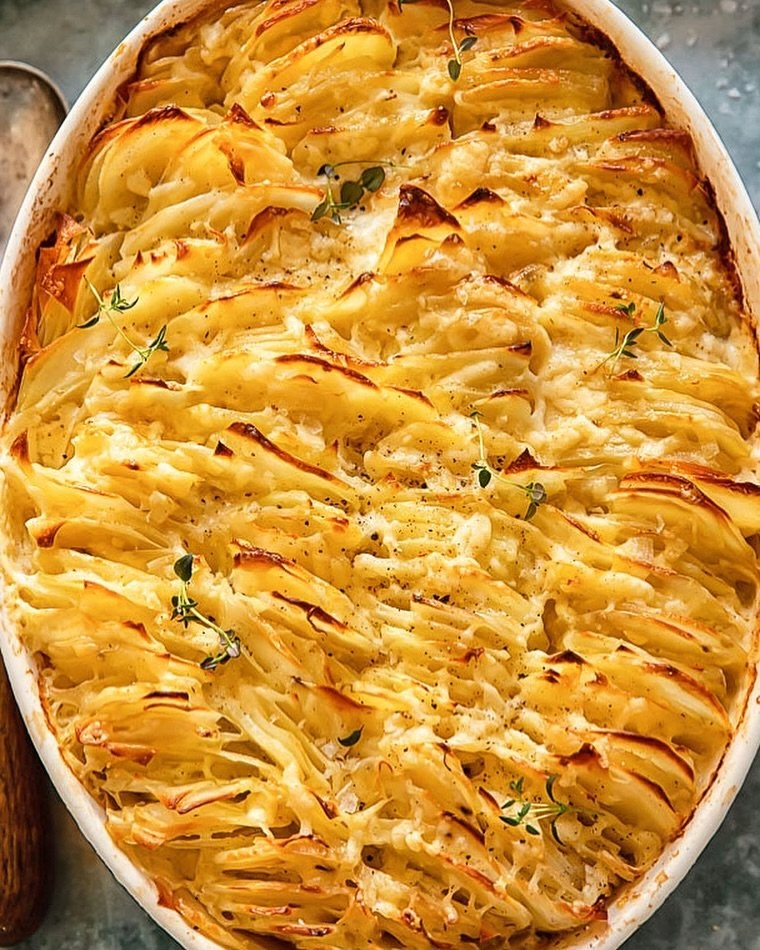
Cooking Time
Here’s the time breakdown for this recipe:
- Prep Time: ~15 minutes
- Cooking / Baking Time: ~55 minutes (30–35 min covered, then 25–30 min uncovered
- Total Time: ~80 minutes
Equipment You Need
- 9 × 13-inch baking dish – to layer all components and bake evenly
- Large sauté pan – to cook the onion/garlic, make the roux and sauce
- Box grater – to grate your own fresh cheddar and Parmesan
- Wire rack – to allow the baked dish to rest before serving
How to Make Scalloped Potatoes Recipe
Prepare and preheat
First, preheat your oven to 400°F (about 200 °C). Generously butter or grease the baking dish so nothing sticks. Meanwhile, get your potatoes sliced uniformly—about an eighth of an inch thick—as even slices ensure consistent cooking.
Make the cream sauce
In your sauté pan over medium heat, melt butter and then cook onion until translucent, about 4–5 minutes. Add garlic for another minute. Stir in flour and cook for one more minute to form a roux. Then whisk in warm stock and milk, add salt, pepper, and half the thyme. Let it gently simmer (don’t let it boil) until thickened.
Layer the dish
Place half of your potato slices in an even bottom layer. Pour over half of the cream sauce (you can strain onion bits out first if preferred). Sprinkle one cup of cheddar and all the Parmesan. Then layer the rest of the potatoes, the remainder of sauce, and the other cup of cheddar.
Bake covered, then uncover
Cover the pan loosely with aluminum foil and bake for 30–35 minutes or until bubbling around the edges. Remove the foil and bake uncovered for an additional 25–30 minutes until the cheese is golden and potatoes are fully cooked (use a fork to test). If the top browns too quickly, loosely cover it again.
Cool and serve
Move the pan onto a wire rack and let it rest for about 10 minutes. Sprinkle with the remaining thyme and extra Parmesan, slice, and serve while warm.
Additional Tips for Making This Recipe Better
From my own experience, here are a few tricks I always use:
- I always grate my cheese fresh—store-bought shredded cheese often contains anti-caking agents that inhibit smooth melting.
- I cut all potato slices exactly the same thickness (a sharp mandoline helps) so no slices end up undercooked or mushy.
- I let the baked dish rest a bit before serving so the sauce settles and doesn’t run everywhere.
- I sometimes place the baking dish on a rimmed sheet pan in the oven to catch any overflow and make cleanup easier.
- I don’t skip seasoning each layer lightly with salt and pepper—it builds flavor throughout, not just on top.
How to Serve Scalloped Potatoes Recipe
I love serving this scalloped potatoes dish straight in the baking dish for a rustic presentation. Sprinkle a bit of fresh thyme or finely chopped parsley just before serving for a pop of green.
For visual appeal, I sometimes finish with a light dusting of grated Parmesan on top. Pair it with roasted meats, grilled vegetables, or a simple green salad to balance the richness.
You can also explore hearty plant-based options like this Vegan Christmas Roast Recipe for a festive main course that complements this side dish perfectly.
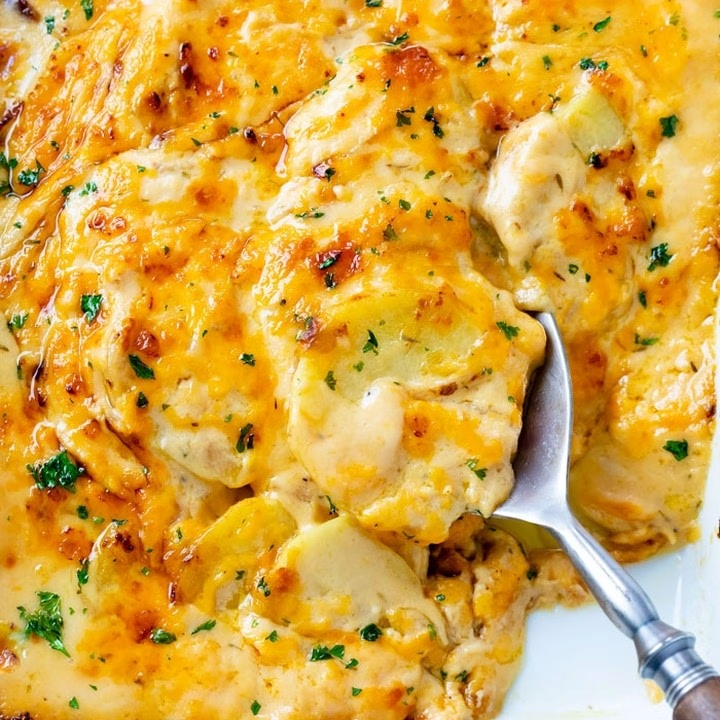
Nutritional Information
Here are the rough nutritional values per serving based on the full recipe yield:
- Calories: ~300–350 kcal
- Protein: ~10–12 g
- Carbohydrates: ~25–30 g
- Fat: ~18–22 g
Make Ahead and Storage
Refrigerating and reheating
You can bake the full dish ahead of time, cool it to room temperature, cover tightly, and refrigerate for up to 3 days. When ready, bake (covered) at 350°F for about 30 minutes or until warmed through.
Freezing
This recipe doesn’t freeze optimally because dairy sauces tend to separate. I don’t usually freeze it; instead, I recommend preparing fresh when possible.
Why You’ll Love This Recipe
After trying it yourself, you’ll understand why I keep coming back to it:
- It’s comforting and crowd-pleasing—cheesy, creamy, and deeply satisfying.
- The recipe is versatile—you can swap cheeses, add meat or herbs, or make it lighter.
- It’s traveler- and make-ahead friendly—you can prep or bake ahead and reheat.
- You get a beautiful presentation—a golden top and neat slices make it look gourmet.
- It’s forgiving—small tweaks in thickness or timing tend not to break the dish.
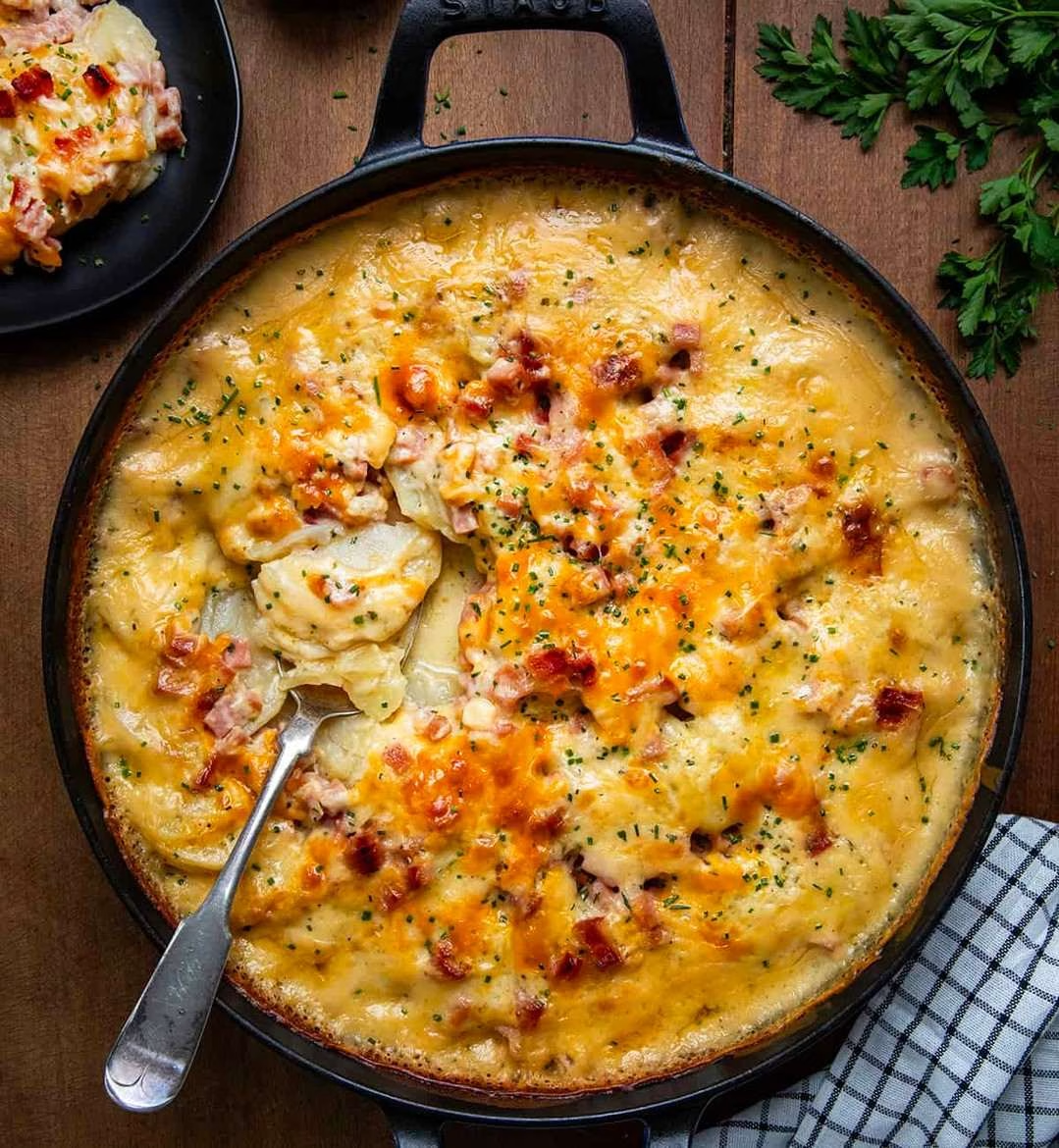

Scalloped Potatoes Recipe
Ingredients
Method
- First, preheat your oven to 400°F (about 200 °C). Generously butter or grease the baking dish so nothing sticks. Meanwhile, get your potatoes sliced uniformly—about an eighth of an inch thick—as even slices ensure consistent cooking.
- In your sauté pan over medium heat, melt butter and then cook onion until translucent, about 4–5 minutes. Add garlic for another minute. Stir in flour and cook for one more minute to form a roux. Then whisk in warm stock and milk, add salt, pepper, and half the thyme. Let it gently simmer (don’t let it boil) until thickened.
- Place half of your potato slices in an even bottom layer. Pour over half of the cream sauce (you can strain onion bits out first if preferred). Sprinkle one cup of cheddar and all the Parmesan. Then layer the rest of the potatoes, the remainder of sauce, and the other cup of cheddar.
- Cover the pan loosely with aluminum foil and bake for 30–35 minutes or until bubbling around the edges. Remove the foil and bake uncovered for an additional 25–30 minutes until the cheese is golden and potatoes are fully cooked (use a fork to test). If the top browns too quickly, loosely cover it again.
- Move the pan onto a wire rack and let it rest for about 10 minutes. Sprinkle with the remaining thyme and extra Parmesan, slice, and serve while warm.
Notes
- I always grate my cheese fresh—store-bought shredded cheese often contains anti-caking agents that inhibit smooth melting.
- I cut all potato slices exactly the same thickness (a sharp mandoline helps) so no slices end up undercooked or mushy.
- I let the baked dish rest a bit before serving so the sauce settles and doesn’t run everywhere.
- I sometimes place the baking dish on a rimmed sheet pan in the oven to catch any overflow and make cleanup easier.
- I don’t skip seasoning each layer lightly with salt and pepper—it builds flavor throughout, not just on top.