Butternut Squash & Sage Pasta Recipe | Creamy, Cozy & Easy
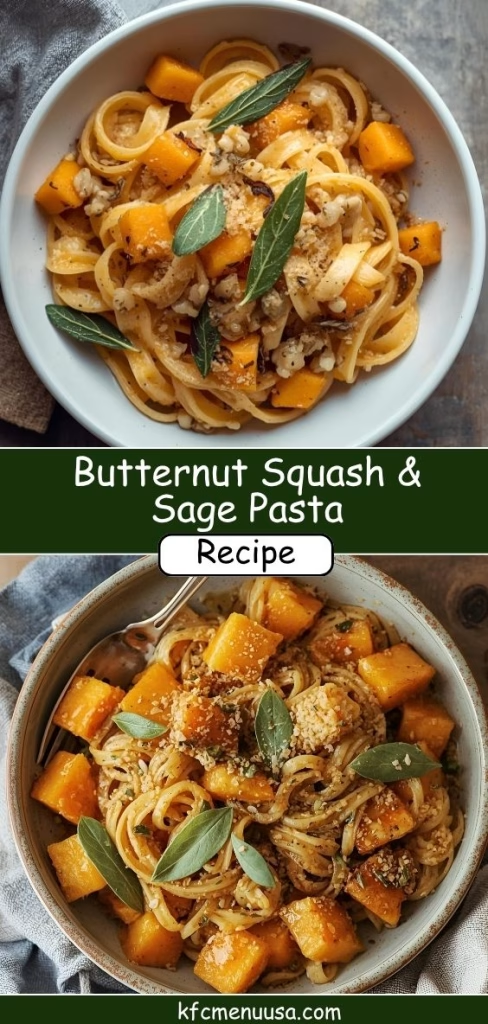
I made this recipe on a cozy evening when I was craving something warm and comforting. I roasted fresh butternut squash until it was sweet and tender, then tossed it with pasta and a fragrant sage-pesto. The aroma of caramelized onion and garlic filled the kitchen and I couldn’t wait to dig in.
Once I took that first bite, I knew I’d found a new favourite fall dish. It’s rich but light, simple but impressive, and I’m excited to share it with you. You can also enjoy similar creamy dishes like the Pappadeaux Mardi Gras Pasta Recipe for another comforting and flavorful meal idea.
Ingredients
Here’s what you’ll need to bring this dish to life, along with why each ingredient really matters:
- 300 g butternut squash (peeled, cubed) – Roasting squash brings out its natural sweetness and gives a creamy texture.
- 200 g pasta (such as cavatappi or other short curly pasta) – The curled shape holds sauce nicely and gives a fun texture.
- 1 medium onion (finely chopped) – Caramelizing the onion adds depth and a mild sweetness.
- 2 cloves garlic (minced) – Garlic lifts the flavours and balances the sweetness of squash.
- 1 cup almond milk (unsweetened) – A creamy dairy-free base that keeps things rich without heavy cream.
- 2 Tbsp olive oil – Helps roast squash and sauté the onions; good flavour and healthy fat.
- ½ cup walnuts (coarsely chopped) – Adds crunch and a nutty flavour; walnuts complement the squash beautifully.
- 2 Tbsp fresh sage leaves (finely chopped) – Sage is the star herb here; its savory, slightly peppery taste pairs perfectly with squash.
- 1 Tbsp parsley (chopped) – Adds fresh green colour and a hint of brightness.
- 1 Tbsp balsamic vinegar – A splash of acidity to balance the richness.
- ¼ tsp thyme (dried) – Adds a subtle earthy flavour underneath.
- Salt and pepper to taste – Essential for seasoning the dish properly.
Note: Several servings
Makes about 4 servings.
Variations
If you’d like to tweak the dish to your needs or try something new, here are some options:
- Dairy-free / vegan: Use almond milk (as above) or oat milk, and skip any cheese or butter if you’d normally add.
- Add protein: Stir in some cooked chickpeas, grilled chicken strips, or crispy tofu cubes for extra protein.
- Sugar-free: The recipe already uses no added sugar, but avoid sweet toppings or glazes and rely on natural sweetness from the squash.
- Flavor-enhancing add-ins:
- Add a pinch of smoked paprika for warmth and subtle smokiness.
- Toss in roasted Brussels-sprout leaves or kale for extra greens.
- Sprinkle in grated Parmesan (if not vegan) or nutritional yeast for a cheesy note.
- Finish with some toasted pumpkin seeds for extra crunch and autumnal flair.
For pasta lovers who enjoy creamy and colorful dishes, the Creamy Jamaican Shrimp Rasta Pasta Recipe is another fantastic option to try next time.
Cooking Time
- Prep Time: 15 minutes
- Cooking Time: 25 minutes
- Total Time: 40 minutes
Equipment you need
- Large baking sheet – for roasting the butternut squash.
- Large pot – to cook the pasta.
- Skillet or sauté pan – to cook onion, garlic and then combine sauce with pasta.
- Wooden spoon or spatula – to stir ingredients and ensure everything mixes well.
- Colander – to drain the pasta.
How to Make Butternut Squash & Sage Pasta Recipe
1. Prepare and roast the squash
Preheat your oven to about 425°F (220°C). Toss the cubed butternut squash with 1 Tbsp olive oil, salt, pepper and thyme, then spread it in a single layer on your baking sheet. Roast until the squash is tender and edges are lightly caramelized—about 20 minutes.
2. Cook the pasta and sauté aromatics
While the squash roasts, cook your pasta in salted boiling water according to package instructions until al dente. Drain and set aside. In a skillet over medium heat, add the remaining olive oil and sauté the chopped onion until golden, then add the minced garlic and cook for an additional minute until fragrant.
3. Make the sauce and combine everything
To the skillet, add the roasted butternut squash, almond milk and balsamic vinegar and gently mash or break up some of the squash to create a creamy base. Stir in the chopped sage and parsley, then add the drained pasta and walnuts, tossing everything together so the sauce coats the pasta evenly. Season with salt and pepper, and serve immediately while warm.
Additional Tips for Making this Recipe Better
From my experience:
- I found that roasting the squash in a single layer ensures even caramelization and prevents steaming.
- I pre-snapped the pasta a minute before the minimum time to keep it firm and prevent mushiness once tossed in the sauce.
- I add the walnuts toward the end of mixing to preserve their crunch—if you add too early, they lose texture.
- I finely chop the sage rather than using whole leaves so its flavour distributes evenly through the sauce.
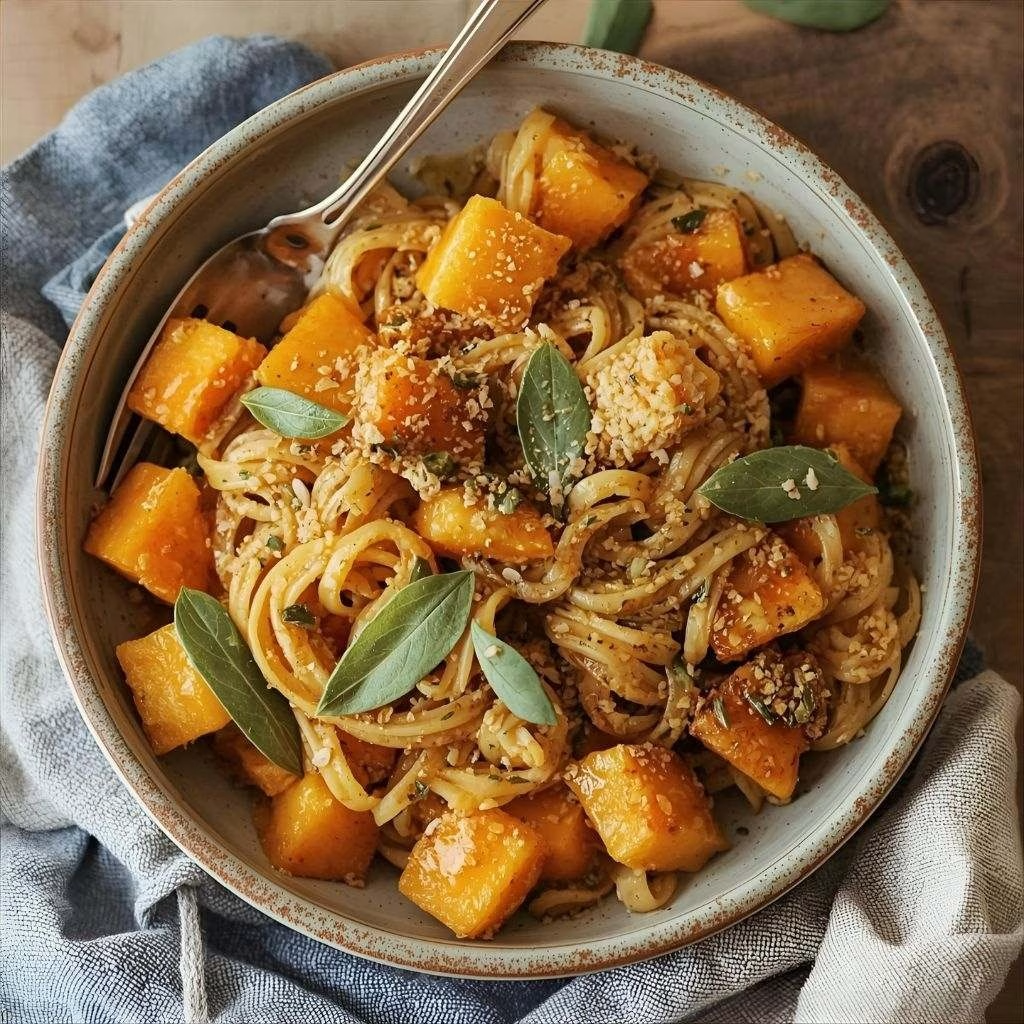
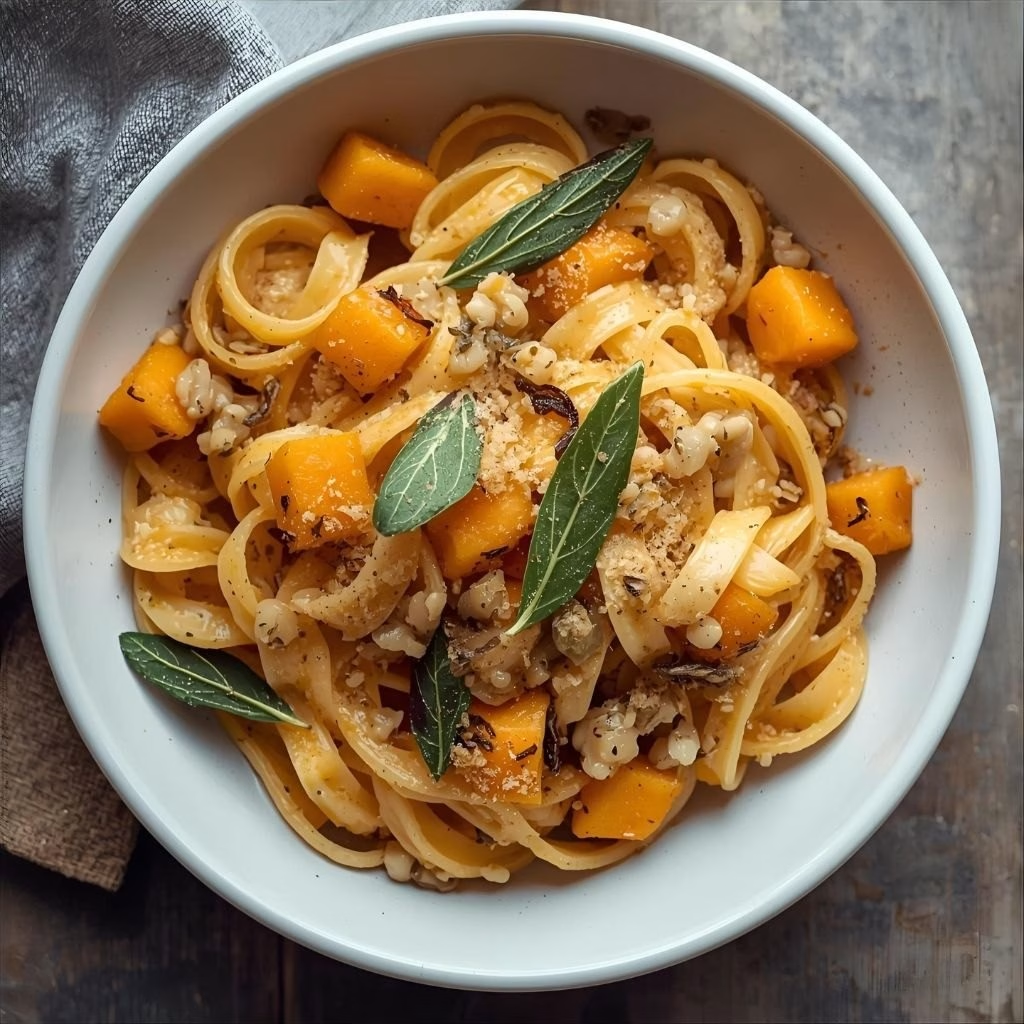
- I garnish with a few fresh sage leaves and a drizzle of extra virgin olive oil just before serving for an elevated presentation.
How to Serve Butternut Squash & Sage Pasta Recipe?
This dish really shines when served hot and fresh. Spoon the pasta into shallow bowls so you can see the golden butternut cubes and green flecks of sage. Garnish with a few extra chopped walnuts and a crisp fresh sage leaf on top.
If you’re not vegan, a light dusting of freshly grated Parmesan works beautifully. Pair it with a simple green salad dressed with lemon and olive oil to cut through the richness. For a cozy look, serve in rustic bowls and add a side of crusty bread to soak up any leftover sauce.
Nutritional Information
Here are some key nutrition facts per serving (based on roughly four servings):
- Calories: ~540 kcal
- Protein: ~13 g
- Carbohydrates: ~69 g
- Fat: ~26 g
Make Ahead and Storage
Storage: Once cooled, store the pasta in an airtight container and keep it in the refrigerator for up to 2–3 days.
Freezing: The pasta can be frozen in a freezer-safe container for up to 1 month; thaw overnight in the fridge before reheating.
Reheating: Reheat gently in a skillet over low heat with a splash of almond milk or water to loosen the sauce and prevent drying out; stir frequently until heated through.
Why You’ll Love This Recipe?
Here’s a quick snapshot of what makes this dish so great:
- Comforting yet light: It offers the rich, creamy feel of a comfort pasta without heavy cream—thanks to the roasted squash and almond milk.
- Fall-flavour brilliance: The combination of butternut squash and sage gives you all those cozy autumn vibes in a single bowl.
- Versatile and adaptable: From dairy-free to protein-boosted, it can easily be tailored to your dietary needs or cravings.
- Impressive but easy: It looks restaurant-worthy and tastes like it took ages, but it comes together in under 45 minutes.
- Balanced flavour and texture: Sweet roasted squash, fragrant sage, crunchy walnuts and silky pasta create an exciting harmony of taste and feel.
I hope you enjoy making this Butternut Squash & Sage Pasta recipe as much as I did. It’s one of those dishes that feels like a hug in bowl form—perfect for a chilly evening when you want something both satisfying and special. Let me know how it turns out for you!

Butternut Squash & Sage Pasta Recipe
Ingredients
Method
- Preheat your oven to about 425°F (220°C). Toss the cubed butternut squash with 1 Tbsp olive oil, salt, pepper and thyme, then spread it in a single layer on your baking sheet. Roast until the squash is tender and edges are lightly caramelized—about 20 minutes.
- While the squash roasts, cook your pasta in salted boiling water according to package instructions until al dente. Drain and set aside. In a skillet over medium heat, add the remaining olive oil and sauté the chopped onion until golden, then add the minced garlic and cook for an additional minute until fragrant.
- To the skillet, add the roasted butternut squash, almond milk and balsamic vinegar and gently mash or break up some of the squash to create a creamy base. Stir in the chopped sage and parsley, then add the drained pasta and walnuts, tossing everything together so the sauce coats the pasta evenly. Season with salt and pepper, and serve immediately while warm.
Notes
- I found that roasting the squash in a single layer ensures even caramelization and prevents steaming.
- I pre-snapped the pasta a minute before the minimum time to keep it firm and prevent mushiness once tossed in the sauce.
- I add the walnuts toward the end of mixing to preserve their crunch—if you add too early, they lose texture.
- I finely chop the sage rather than using whole leaves so its flavour distributes evenly through the sauce.
- I garnish with a few fresh sage leaves and a drizzle of extra virgin olive oil just before serving for an elevated presentation.