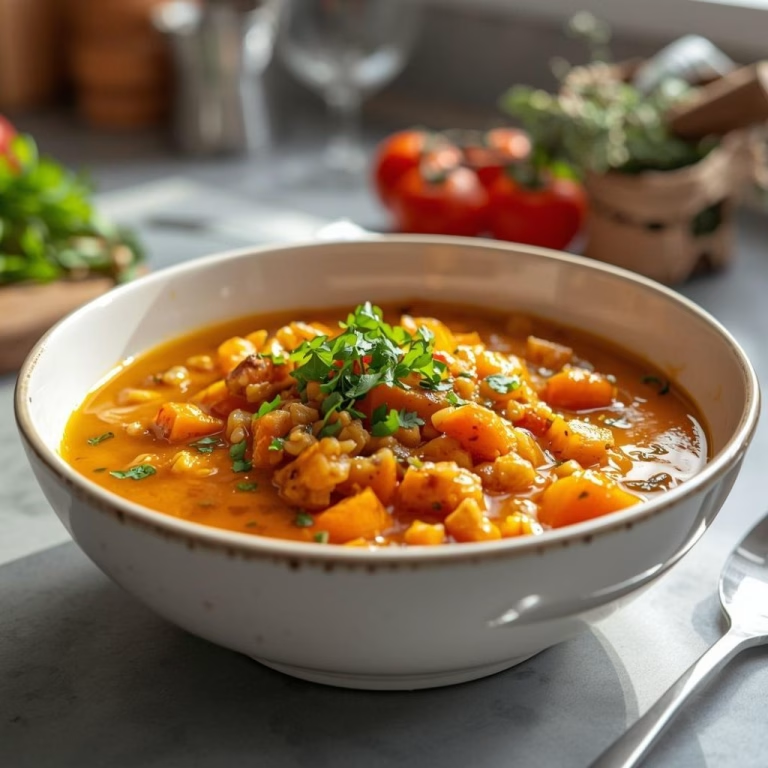
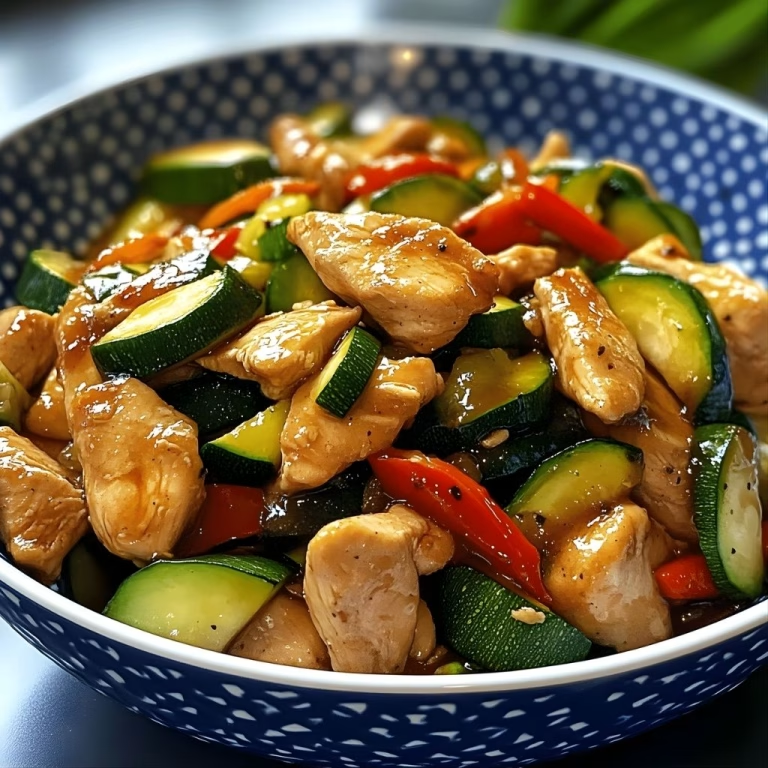
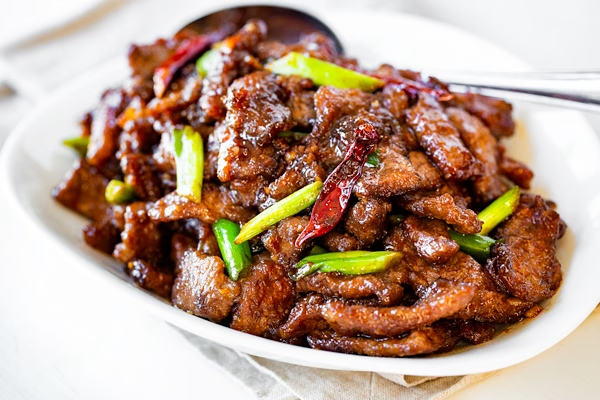
I recently made this Chicken and Vegetable Curry with Rice Recipe – Flavorful & Comforting, and I have to say, it quickly became one of my favorite weeknight meals. I love how the spices fill the kitchen, and the aroma makes everyone hungry even before dinner. The dish is comforting, colorful, and packed with flavor without being complicated.
I also enjoy that it’s versatile—I can switch up the vegetables depending on what I have in my fridge. After trying it a few times, I’ve perfected a version that’s both satisfying and simple to make. You can also enjoy similar sweet treats like Thick and Chewy Peanut Butter Butterfinger Cookies Recipe for dessert alongside this curry.

Ingredients
Here’s what you’ll need to make this delicious curry:
- 1 lb (450 g) chicken breast, diced – I prefer fresh chicken for the best texture; avoid frozen if possible.
- 2 tablespoons vegetable oil – Use a neutral oil so the spices shine without competing flavors.
- 1 medium onion, finely chopped – Adds sweetness and depth; don’t skip sautéing for full flavor.
- 2 garlic cloves, minced – Fresh garlic always gives the curry a punch; pre-minced jars are fine in a pinch.
- 1 tablespoon ginger, grated – Fresh ginger works best for a zesty, aromatic curry.
- 2 medium carrots, sliced – Adds natural sweetness; I like using organic carrots for crunch.
- 1 bell pepper, chopped – Red or yellow bell peppers bring sweetness and color.
- 1 cup green beans, trimmed – Use fresh for a crisp bite; frozen beans are softer but still work.
- 2 medium tomatoes, chopped – Fresh tomatoes provide a natural tang and rich color.
- 1 tablespoon curry powder – Adjust based on your spice preference; I always start mild.
- 1 teaspoon turmeric – Adds warmth and a golden hue.
- 1 teaspoon cumin – I toast it lightly in the pan for a deeper flavor.
- 1 cup coconut milk – Full-fat gives a creamy texture, but light works too.
- ½ cup chicken stock – Enhances the flavor without making it watery.
- Salt and pepper, to taste – Essential for balancing flavors.
- 2 cups cooked rice – Jasmine or basmati rice works best; it soaks up the curry sauce beautifully. You can also enjoy similar savory meals like Authentic Southern Shrimp and Grits Recipe for a seafood twist on comfort food.
Note: several servings
Variations
You can tweak this curry to fit your needs:
- Dairy-free: Swap cream or yogurt additions with coconut milk or almond cream.
- Sugar-free: Avoid adding sugar; the natural sweetness from carrots and bell peppers is enough.
- Spicy kick: Add fresh chili or a pinch of cayenne to make it hotter.
- Extra veggies: Throw in zucchini, peas, or spinach for added nutrition.
- Protein swaps: Try shrimp, tofu, or chickpeas instead of chicken.
Cooking Time
Here’s what you need to know about timing:
- Prep Time: 15 minutes
- Cooking Time: 25 minutes
- Total Time: 40 minutes
Equipment You Need
- Large skillet or saucepan – For sautéing the chicken and vegetables evenly.
- Cutting board – Essential for chopping all your vegetables safely.
- Sharp knife – Makes prep faster and safer.
- Wooden spoon – For stirring without scratching your pan.
- Measuring cups and spoons – To ensure accurate spice and liquid amounts.
How to Make Chicken and Vegetable Curry with Rice Recipe
Preparing the Ingredients
Start by chopping all your vegetables and dicing the chicken. Having everything ready ensures smooth cooking, and I always like to keep my spices measured nearby to add at the right time.
Sautéing the Chicken
Heat oil in a large skillet over medium heat, then add the chicken. Cook until slightly golden; this locks in the flavor and keeps the meat juicy. Remove from the pan and set aside.
Cooking the Vegetables
In the same skillet, sauté onions, garlic, and ginger until fragrant. Then add carrots, bell pepper, and green beans. I like them slightly tender but still crisp.
Adding the Spices
Sprinkle in curry powder, turmeric, and cumin. Stir for about a minute so the spices release their aroma. This step is crucial for a rich, layered curry flavor.
Simmering the Curry
Add the chopped tomatoes, coconut milk, and chicken stock. Return the chicken to the pan and simmer for 10–15 minutes. I taste and adjust seasoning here, adding salt or pepper as needed.
Serving with Rice
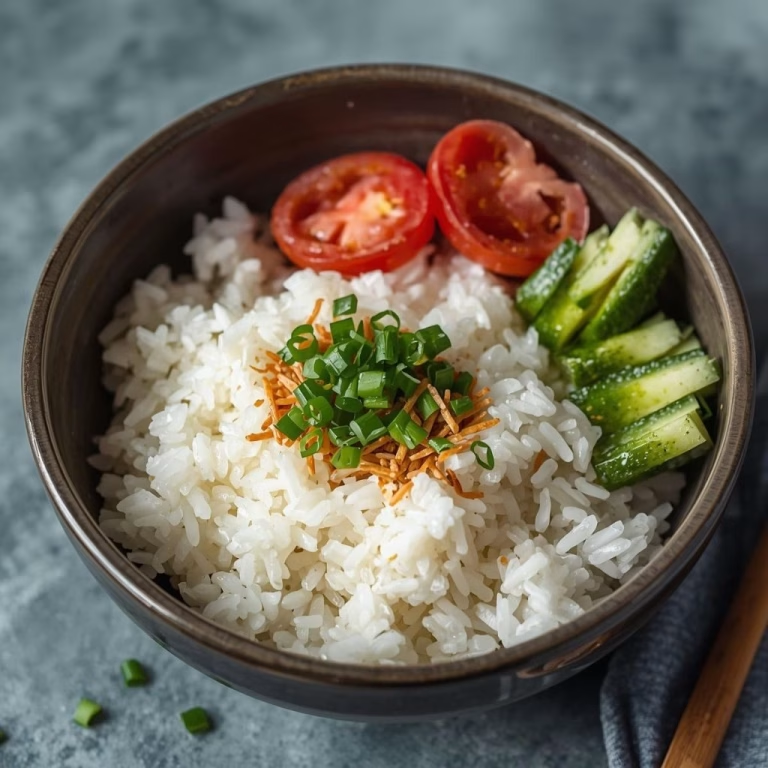
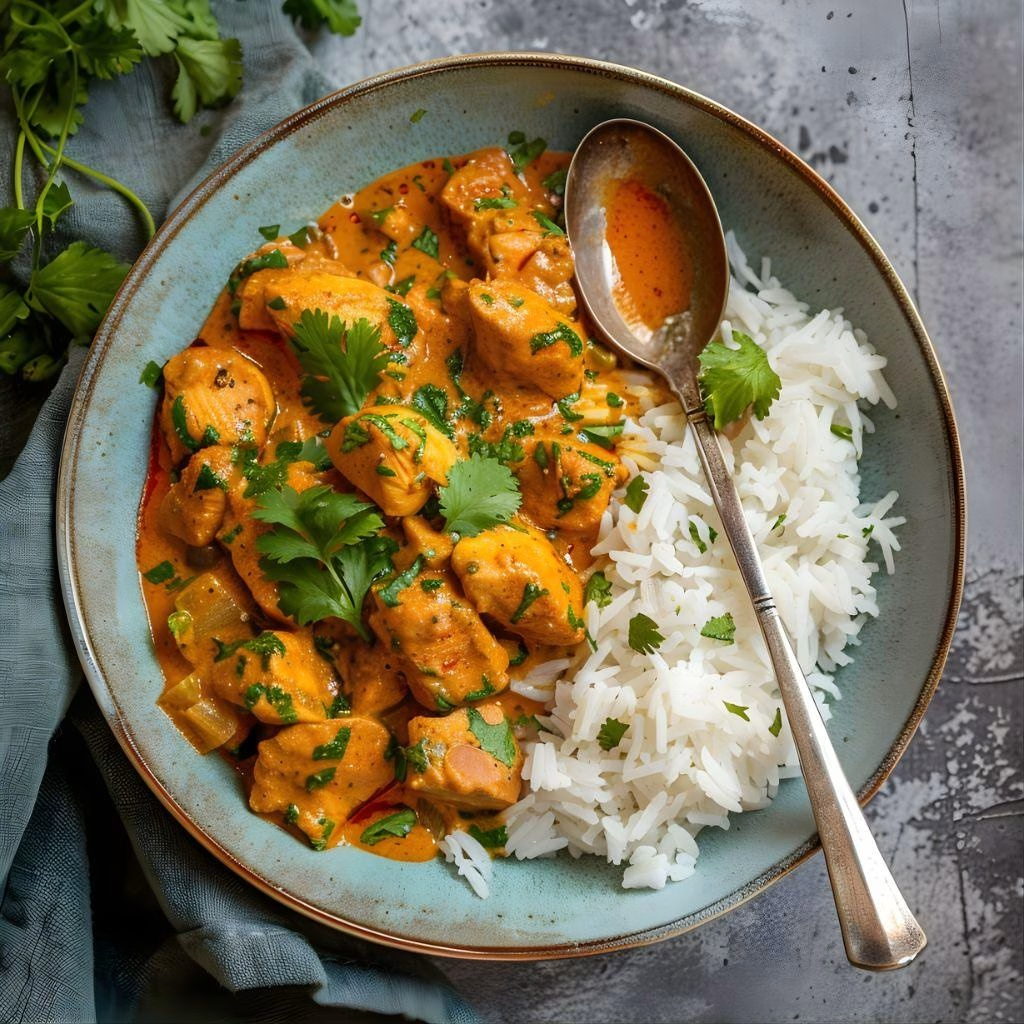
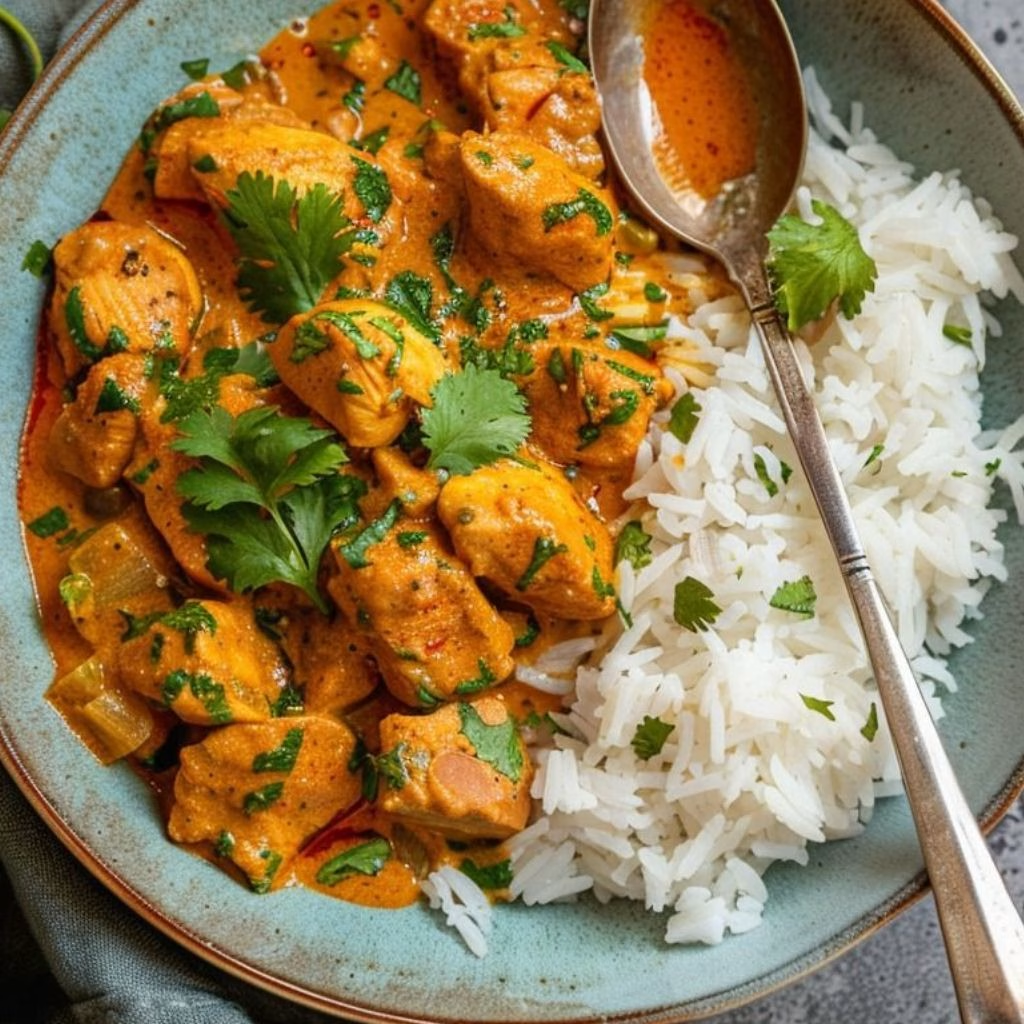
Spoon the curry over a bed of fluffy rice. Garnish with fresh cilantro or a squeeze of lime if desired. I love seeing the vibrant colors of the vegetables pop against the white rice.
Additional Tips for Making this Recipe Better
From my experience making this curry multiple times, here’s what I’ve learned:
- I always sauté spices first; it really unlocks the flavor.
- Cutting vegetables uniformly ensures even cooking.
- Let the curry simmer on low for a few extra minutes to deepen the flavor.
- Coconut milk is best added gradually while stirring to avoid curdling.
- I prefer cooking rice in a separate pot so it doesn’t absorb too much curry liquid.
How to Serve Chicken and Vegetable Curry with Rice
Serving this curry can be simple yet elegant:
- Serve in shallow bowls with rice neatly molded using a small cup.
- Sprinkle fresh cilantro or parsley on top for a pop of color.
- Add a wedge of lime or lemon on the side for a fresh zing.
- Pair with warm naan or flatbread to soak up the sauce.
Nutritional Information
Here’s a quick overview of the nutrition in one serving:
- Calories: 350–400 kcal – A satisfying portion without feeling heavy.
- Protein: 28 g – Great for a protein-packed meal.
- Carbohydrates: 35 g – Mostly from rice and vegetables.
- Fat: 15 g – Primarily from coconut milk and cooking oil.
Make Ahead and Storage
Storage:
Store leftover curry in an airtight container in the fridge for up to 3 days. I always make sure it cools before sealing.
Freezing:
You can freeze the curry for up to 2 months. I recommend freezing it without the rice for the best texture.
Reheating:
Reheat gently on the stovetop or microwave, adding a splash of water or stock to bring back the creaminess. I avoid boiling it again to prevent overcooking the vegetables.
Why You’ll Love This Recipe
Here’s why this dish is a winner every time:
- Quick and easy: Perfect for weeknight dinners without spending hours in the kitchen.
- Versatile: You can swap vegetables or protein depending on what’s on hand.
- Flavorful: The combination of spices and coconut milk creates a rich, comforting taste.
- Nutritious: Packed with lean protein and colorful vegetables.
- Crowd-pleaser: Mild enough for kids but easy to spice up for adults.
This Chicken and Vegetable Curry with Rice is now one of my go-to recipes. It’s simple, satisfying, and endlessly customizable. Every time I make it, I tweak it just slightly to suit my mood or pantry contents, and it always turns out delicious. I love that it’s both hearty and healthy, making it a perfect dinner for any night of the week.

Chicken and Vegetable Curry with Rice Recipe
Ingredients
Method
- Start by chopping all your vegetables and dicing the chicken. Having everything ready ensures smooth cooking, and I always like to keep my spices measured nearby to add at the right time.
- Heat oil in a large skillet over medium heat, then add the chicken. Cook until slightly golden; this locks in the flavor and keeps the meat juicy. Remove from the pan and set aside.
- In the same skillet, sauté onions, garlic, and ginger until fragrant. Then add carrots, bell pepper, and green beans. I like them slightly tender but still crisp.
- Sprinkle in curry powder, turmeric, and cumin. Stir for about a minute so the spices release their aroma. This step is crucial for a rich, layered curry flavor.
- Add the chopped tomatoes, coconut milk, and chicken stock. Return the chicken to the pan and simmer for 10–15 minutes. I taste and adjust seasoning here, adding salt or pepper as needed.
- Spoon the curry over a bed of fluffy rice. Garnish with fresh cilantro or a squeeze of lime if desired. I love seeing the vibrant colors of the vegetables pop against the white rice.
Notes
- I always sauté spices first; it really unlocks the flavor.
- Cutting vegetables uniformly ensures even cooking.
- Let the curry simmer on low for a few extra minutes to deepen the flavor.
- Coconut milk is best added gradually while stirring to avoid curdling.
- I prefer cooking rice in a separate pot so it doesn’t absorb too much curry liquid.