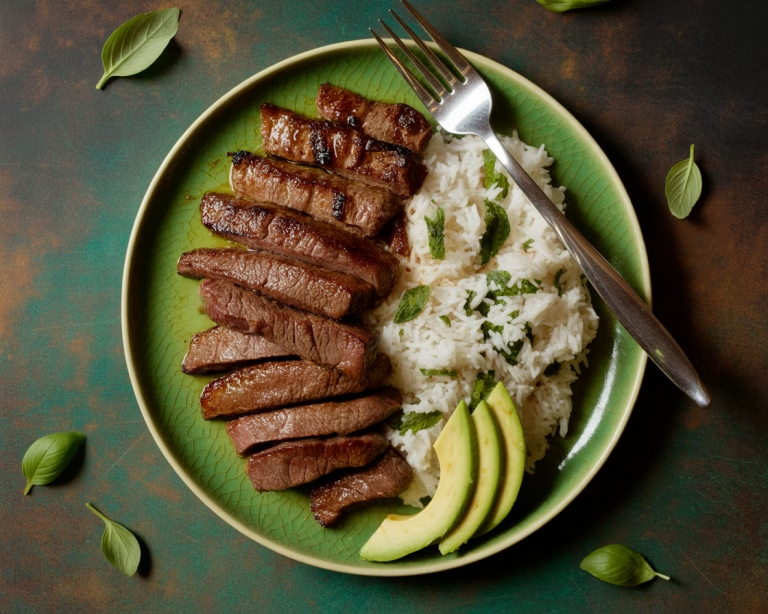
Classic Steak Diane Recipe | Rich, Elegant & Flavorful
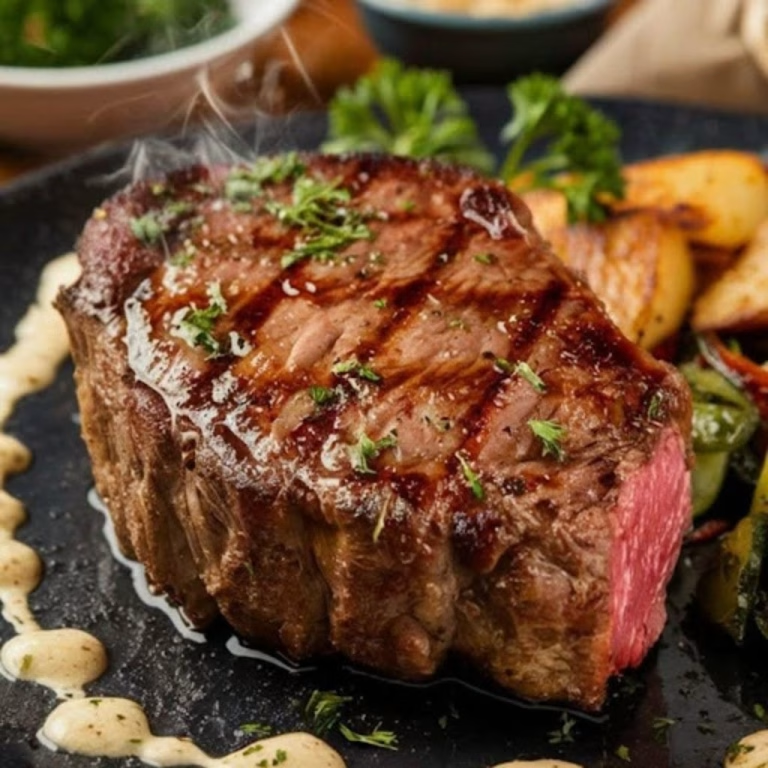
When I first tried making Steak Diane at home, I was amazed at how it felt like gourmet dining without needing hours in the kitchen. The tender, juicy steak paired with a rich, velvety sauce created an explosion of flavors that I couldn’t get enough of.
Serving it made me feel like a chef at a fine-dining restaurant! Whether you’re planning a romantic dinner for two or simply treating yourself after a long day, this dish is bound to impress. Trust me, Steak Diane is not just a recipe; it’s an experience.
With just a handful of simple ingredients, quick prep, and a little flair thanks to flambéing the sauce, it was easier to make than I imagined—but it tasted so luxurious. I promise, once you try this recipe, you’ll want to make it again and again! You can also enjoy similar comfort flavors with a chicken tortilla soup recipe for a warm, hearty meal.

Why You’ll Love This Recipe?
Steak Diane manages to be a standout dish for so many reasons. Here’s why it deserves a place at your dinner table:
1. Effortless Elegance
You don’t have to be a professional chef to cook like one! This recipe yields restaurant-quality results without any complicated techniques. The steps are simple yet effective, ensuring everyone can pull this off beautifully.
2. Rich, Luxurious Flavor
The signature Diane sauce, made with shallots, brandy, beef broth, and cream, is bursting with bold flavors. It’s savory, creamy, and slightly tangy with just the right hint of sweetness.
Combined with a perfectly seared steak, every bite feels indulgent. If you enjoy bold flavors, you might also appreciate the spice and aroma in a classic tandoori chicken recipe.
3. Customizable for Your Preferences
You can easily swap out ingredients or adjust seasoning to suit your palate. Don’t like brandy? No problem. Prefer an extra-creamy sauce? Just tweak it! It’s a versatile recipe that can cater to various flavor preferences.
4. Quick to Make
Despite its fancy appearance, Steak Diane is on the table in about 20 minutes. Whether you’re rushing after work or prepping for a last-minute dinner, this recipe will save the day.
5. Perfect for Entertaining
Because it looks and tastes so elegant, this dish is a crowd-pleaser for gatherings. Your guests will think you hired a personal chef!
Cooking Time
Here are the quick cooking details so you can plan your evening:
- Prep Time: 5 minutes
- Cooking Time: 15 minutes
- Total Time: 20 minutes
Ingredients
- Tenderloin or ribeye steaks
- Salt
- Freshly ground black pepper
- Olive oil
- Butter
- Shallots, finely chopped
- Garlic, minced
- Brandy or cognac
- Beef broth
- Dijon mustard
- Worcestershire sauce
- Heavy cream
- Fresh parsley, chopped
- Chives (for garnish)
Variations
Ingredient Substitutions
- Substitute brandy or cognac with additional beef broth for an alcohol-free version.
- For a dairy-free sauce, use coconut cream instead of heavy cream.
- Prefer a leaner steak? Use sirloin instead of ribeye or tenderloin.
Flavor Add-Ins
- Add a hint of heat with a pinch of crushed red chili flakes.
- A splash of balsamic vinegar can deepen the sauce’s flavor.
- Experiment with smoked paprika for a subtle smokiness.
Equipment You’ll Need
- Skillet (for searing steak and cooking the sauce)
- Tongs (to flip steaks easily)
- Whisk (to combine sauce ingredients smoothly)
- Knife and cutting board (for chopping and prepping)
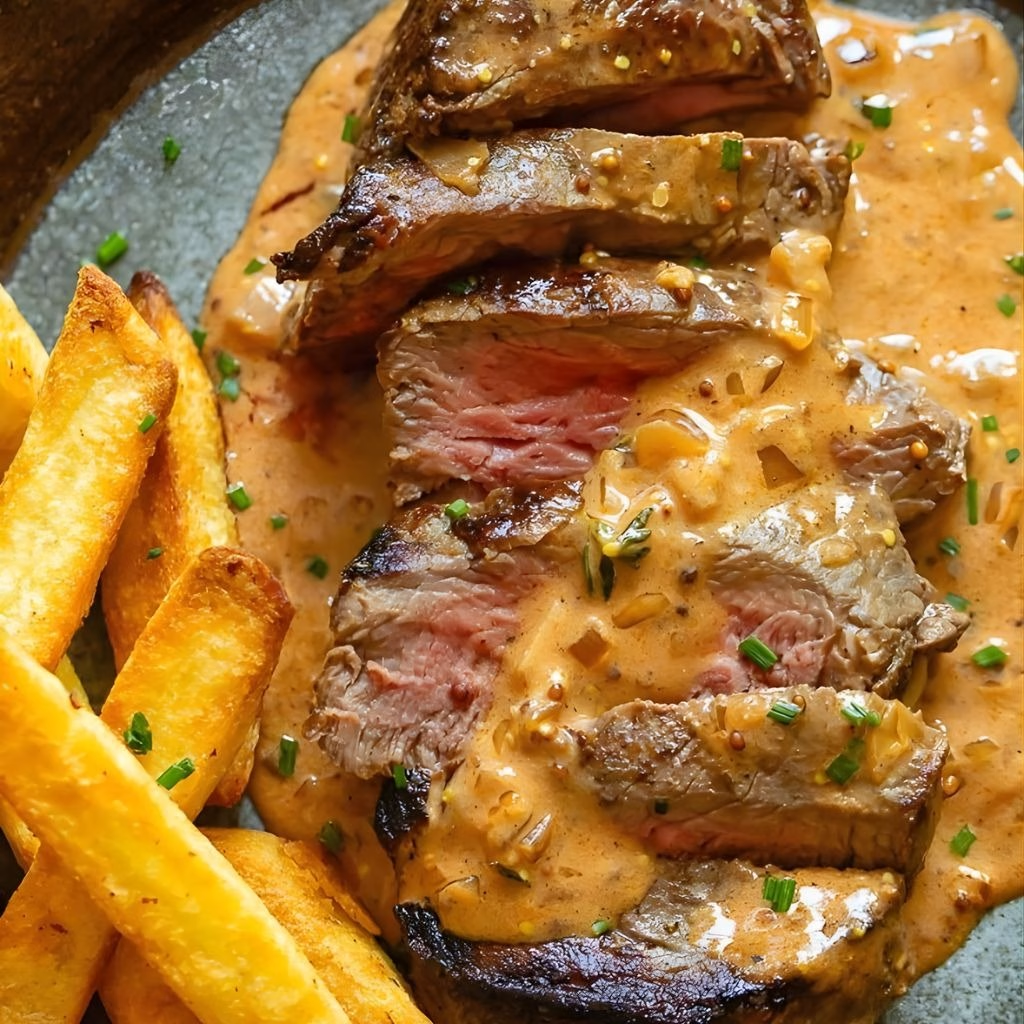
How to Make Classic Steak Diane?
Steak Diane is surprisingly simple to make! You’ll only need a few steps to prepare this elegant meal. Here’s how:
Step 1. Season and Sear the Steaks
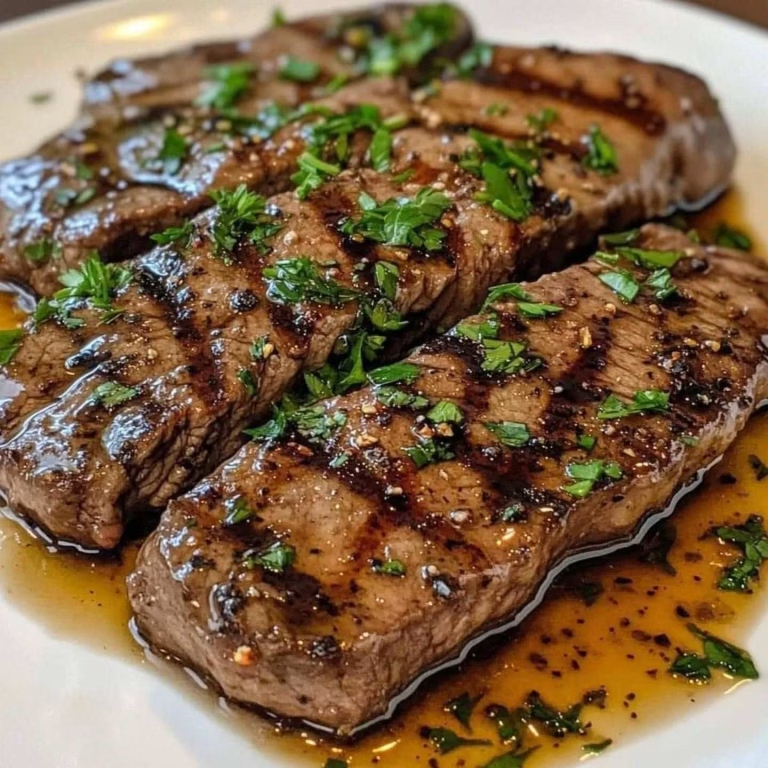
Start by seasoning your steaks generously with salt and black pepper. Heat olive oil and butter in a skillet over medium-high heat. Once it’s hot, place the steaks in the pan and sear each side for 3–4 minutes (or longer, depending on doneness preference). Remove and set aside, covering them with foil to keep warm.
Step 2. Sauté the Aromatics
Using the same skillet, melt the remaining butter. Add finely chopped shallots and minced garlic, stirring until they’re fragrant and translucent. This takes about 2 minutes, but keep an eye on them so they don’t burn!
Step 3. Flambé with Brandy
Pour in brandy or cognac (carefully!) into the skillet. Light it using a long-stemmed lighter or match, letting the flames burn off the alcohol. This step elevates the flavor while adding a touch of drama to your kitchen.
Step 4. Simmer the Sauce
Stir in the beef broth, Dijon mustard, and Worcestershire sauce. Allow everything to simmer for a few minutes, reducing slightly while thickening beautifully.
Step 5. Add the Cream
Pour the heavy cream into the sauce and mix well. Lower the heat and simmer until the sauce is glossy and rich, about 2–3 minutes. Adjust seasonings to your taste.
Step 6. Finish the Dish
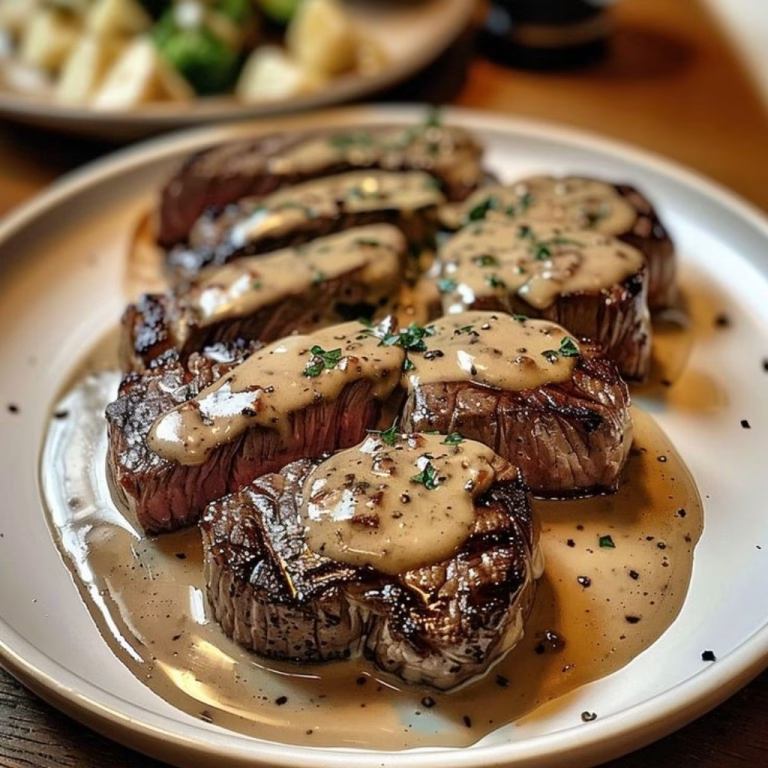
Return the cooked steaks to the skillet, spooning the sauce over them while they warm up for about a minute. Sprinkle fresh parsley on top and garnish with finely chopped chives.
Now you’re ready to serve and impress!
Tips for Making the Recipe
- Room Temperature Steaks: Take the steaks out of the fridge at least 20 minutes beforehand. This helps them cook evenly and enhances flavor.
- Perfect Sear: Pat your steaks dry with paper towels before seasoning them. A dry steak achieves better browning!
- Flambé Safely: Make sure your skillet isn’t directly under the range hood when performing this step; it keeps things safer!
How to Serve Classic Steak Diane?
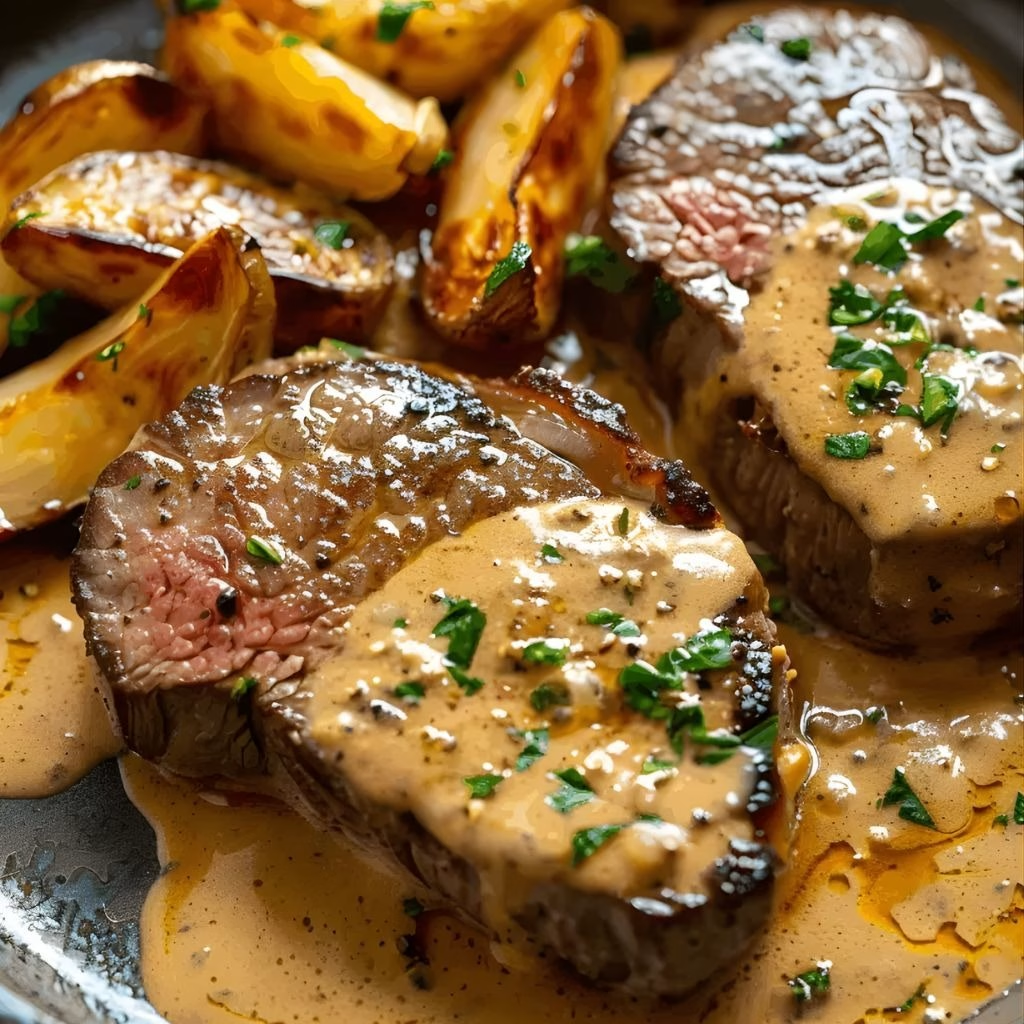
The presentation adds elegance to this dish. Arrange the steaks on a warm plate and drizzle the sauce generously over and around the meat. Garnish with extra parsley or chives for a pop of color. Steak Diane pairs beautifully with creamy mashed potatoes or roasted asparagus.
Nutritional Information
This recipe offers a wholesome yet indulgent dining experience. Here’s what you’ll get per serving (approx.):
- Calories: 450
- Protein: 28g
- Carbohydrates: 6g
- Fat: 33g
Make Ahead and Storage
Steak Diane is best served fresh right after preparation, but you can make certain aspects ahead of time.
If you prepare the Diane sauce early, store it in an airtight container in the fridge for up to 2 days. Reheat gently on the stove over low heat before serving. Leftover steak can be refrigerated in a sealed container for 3 days or frozen for up to 2 months. When reheating, add a splash of water or broth to keep the sauce silky.
And just like that, you’ve turned a classic into your signature dish. Classic Steak Diane is all about the magic of home-cooked elegance and flavor-packed perfection. Enjoy!

Classic Steak Diane Recipe
Ingredients
Method
- Start by seasoning your steaks generously with salt and black pepper. Heat olive oil and butter in a skillet over medium-high heat. Once it’s hot, place the steaks in the pan and sear each side for 3–4 minutes (or longer, depending on doneness preference). Remove and set aside, covering them with foil to keep warm.
- Using the same skillet, melt the remaining butter. Add finely chopped shallots and minced garlic, stirring until they’re fragrant and translucent. This takes about 2 minutes, but keep an eye on them so they don’t burn!
- Pour in brandy or cognac (carefully!) into the skillet. Light it using a long-stemmed lighter or match, letting the flames burn off the alcohol. This step elevates the flavor while adding a touch of drama to your kitchen.
- Stir in the beef broth, Dijon mustard, and Worcestershire sauce. Allow everything to simmer for a few minutes, reducing slightly while thickening beautifully.
- Pour the heavy cream into the sauce and mix well. Lower the heat and simmer until the sauce is glossy and rich, about 2–3 minutes. Adjust seasonings to your taste.
- Return the cooked steaks to the skillet, spooning the sauce over them while they warm up for about a minute. Sprinkle fresh parsley on top and garnish with finely chopped chives.
Notes
- Room Temperature Steaks: Take the steaks out of the fridge at least 20 minutes beforehand. This helps them cook evenly and enhances flavor.
- Perfect Sear: Pat your steaks dry with paper towels before seasoning them. A dry steak achieves better browning!
- Flambé Safely: Make sure your skillet isn’t directly under the range hood when performing this step; it keeps things safer!