Mongolian Beef Recipe | Easy, Saucy, Flavor-Packed Dinner
I remember the very first time I made Mongolian Beef at home—it smelled like my favorite takeout place before I even finished slicing the beef. I wanted something bold, sweet, savory, and fast, something I could whip up after work yet impress.
After trying this recipe, I fell in love with how tender the beef turns out and how the sauce clings to every slice. It’s become my go-to when I want restaurant flavors without leaving the kitchen.
If you love hearty beef dishes like this, you can also enjoy Enchilada Style Ground Beef Burritos Recipe for another comforting dinner idea.
Ingredients
Here are what I use to make this Mongolian Beef recipe sing:
- flank steak – 1 lb, thinly sliced: Pro tip: Slice against the grain so the beef stays tender; thinner slices cook fast and soak up flavor better.
- soy sauce – ¼ cup: I use a naturally brewed, low sodium soy sauce to control saltiness but still get that rich umami.
- brown sugar – ¼ cup: Light or dark works, but I often use light brown sugar so it melts more evenly.
- garlic – 3 cloves, minced: Fresh garlic gives you that punch; avoid pre-minced or jarred for this kind of stir-fry.
- ginger – 1 tsp, grated: Fresh ginger adds warmth; the bit of fibrous texture gives interest too.
- cornstarch – ¼ cup: This coats the beef and helps create that lovely glossy sauce without making it floury.
- vegetable oil – 3 Tbsp: High-smoke‐point oil (like canola or peanut) works best so beef gets seared without burning.
- green onions – 2 stalks, sliced: Green onions added at end give freshness and color contrast.
- sesame seeds – 1 Tbsp: Toasted if possible; gives a nutty crunch on top.
Note: several servings – This amount makes about 4 servings (roughly one plate per person).
Variations
Here are some ways to tweak or adapt this recipe depending on dietary needs or flavor goals:
- Sugar-free / reduced sugar: Use a sugar substitute like monk fruit or stevia, or reduce the brown sugar and add a splash of orange juice for natural sweetness.
- Dairy-free & allergen sensitive: The base recipe is already dairy-free. Just ensure your soy sauce is gluten-free (if needed) and that the cornstarch hasn’t been cross-contaminated.
- Spicier version: Add red pepper flakes, Sriracha, or thinly sliced fresh chili in when you sauté the garlic and ginger.
- Protein swaps: Instead of flank steak, try sirloin, skirt steak, or even thinly sliced chicken breast or firm tofu (for vegetarian option). Just adjust cooking time.
- Flavor enhancers: A splash of hoisin sauce or oyster sauce enriches the sauce. A little sesame oil at the very end gives aroma. Lime juice or rice vinegar adds brightness.
For more inspiration, you might browse other dinner recipes that are just as versatile.

Cooking Time
Here’s how long everything will take:
- Prep Time: 15 minutes
- Cooking Time: 10 minutes
- Total Time: 25 minutes
Equipment you need
Here are the tools I use (and why they help):
- large skillet or wok – perfect for quickly searing the beef and letting the sauce reduce evenly.
- mixing bowl – handy for combining the sauce ingredients and tossing beef ahead of cooking.
- tongs – I use these to flip beef slices easily without tearing.
- whisk – to make the sauce smooth, mixing soy, sugar, and any liquids before cooking.
- serving plate – presentation counts; a wide, shallow plate makes that glossy beef look beautiful.
How to Make Mongolian Beef Recipe?
Here’s how I do it step by step:
Step 1: Prepare the Beef
First, I slice the flank steak thinly, always against the grain, which makes it tender. Then I toss those slices in cornstarch, coating each piece lightly and shaking off the excess so it won’t get gummy.
Step 2: Sear the Beef
I heat about half the vegetable oil over medium-high heat in the skillet. I sear the beef in batches so the pan isn’t overcrowded; that way each slice gets crispy edges. Once browned, I set the beef aside so it doesn’t overcook.
Step 3: Build the Sauce
Using the same pan, I add a little more oil if needed, then sauté garlic and ginger just until fragrant. I pour in soy sauce and brown sugar, stirring so sugar dissolves and letting it simmer until the sauce thickens slightly but still flows nicely.
Step 4: Combine Beef and Sauce
I return the beef to the skillet, tossing all pieces in the sauce so every slice is glossy. I cook for a minute more, letting flavors marry. Finally, I garnish with sliced green onions and a sprinkle of sesame seeds before serving hot.
Additional Tips for Making this Recipe Better
These are things I’ve learned from making this many times. They help it come out even more amazing:
- I always cook the beef in batches. If you try to cook everything at once, the pan bogs down and the beef steams instead of searing.
- I use fresh garlic and fresh ginger—jarred works in a pinch, but freshness makes a big flavor difference.
- I don’t overuse cornstarch; just enough to coat. Too much makes clumps or a pastey sauce.
- I adjust sweetness and salt after tasting the sauce before adding beef back—sometimes soy sauce needs balancing.
- I finish with a splash of sesame oil or a few drops of rice vinegar sometimes—just for a subtle layer of flavor. If you like creamy textures with beef, you might also love this creamy beef and shells recipe on another night.
How to Serve Mongolian Beef Recipe?
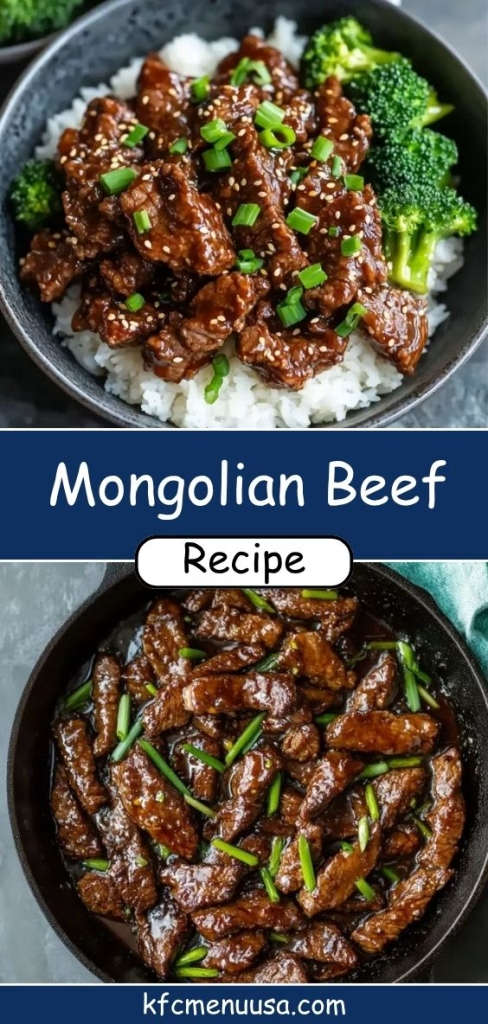
Serve the Mongolian Beef over a bed of steaming white rice or jasmine rice to soak up the sauce. If you want color, do a side of stir-fried vegetables like broccoli or bell peppers. For garnish, sprinkle extra sliced green onions, toasted sesame seeds, maybe thinly sliced red chili (for heat and contrast). Use a shallow, wide serving dish so the beef isn’t piled too high—presentation matters! Lastly, wiping drips from the plate rim makes it look restaurant-worthy.
Nutritional Information
Here are some basic nutrition facts per serving—what I typically see when I make this dish:
- Calories: about 390 kcal
- Protein: roughly 32 g
- Carbohydrates: around 28 g
- Fat: about 14 g
Make Ahead and Storage
Storage
After cooking, I let the beef cool to room temperature, then store in an airtight container in the fridge. It stays good for up to 3-4 days when chilled properly.
Freezing
I don’t usually freeze the full cooked Mongolian Beef because the sauce thickens and texture can change. But you can freeze the cooked beef and sauce separately (without garnishes) in freezer-safe bags for up to 2-3 months. Thaw in the fridge before reheating.
Reheating
When I reheat, I do it gently in a skillet over medium heat, adding a splash of water if the sauce has gotten too thick or sticky. Heat until everything is hot through, then garnish fresh so color and texture come back alive.
Why You’ll Love This Recipe?
Here are some of my favorite reasons why this dish is a keeper:
- It’s quick and easy to prepare—you’ll have dinner on the table in about 25 minutes, which makes it perfect for busy weeknights.
- It delivers bold, restaurant-style flavor but uses simple, accessible ingredients you likely already have.
- It’s versatile—you can switch up the protein, adjust sweetness or heat, or pair it with rice, noodles, or veggies.
- It allows for customization—making it spicier, sweeter, or more aromatic is easy; perfect if you want to tweak it to your taste.
- It’s great for leftovers or meal prep—once cooked, it reheats well so you can enjoy it again without much loss in texture or taste.
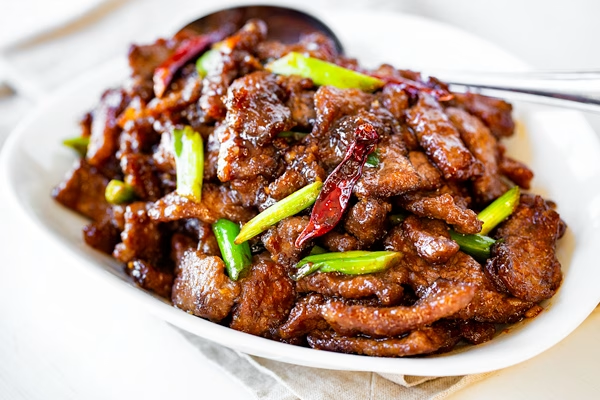

Mongolian Beef Recipe
Ingredients
Method
- First, I slice the flank steak thinly, always against the grain, which makes it tender. Then I toss those slices in cornstarch, coating each piece lightly and shaking off the excess so it won’t get gummy.
- I heat about half the vegetable oil over medium-high heat in the skillet. I sear the beef in batches so the pan isn’t overcrowded; that way each slice gets crispy edges. Once browned, I set the beef aside so it doesn’t overcook.
- Using the same pan, I add a little more oil if needed, then sauté garlic and ginger just until fragrant. I pour in soy sauce and brown sugar, stirring so sugar dissolves and letting it simmer until the sauce thickens slightly but still flows nicely.
- I return the beef to the skillet, tossing all pieces in the sauce so every slice is glossy. I cook for a minute more, letting flavors marry. Finally, I garnish with sliced green onions and a sprinkle of sesame seeds before serving hot.
Notes
- I always cook the beef in batches. If you try to cook everything at once, the pan bogs down and the beef steams instead of searing.
- I use fresh garlic and fresh ginger—jarred works in a pinch, but freshness makes a big flavor difference.
- I don’t overuse cornstarch; just enough to coat. Too much makes clumps or a pastey sauce.
- I adjust sweetness and salt after tasting the sauce before adding beef back—sometimes soy sauce needs balancing.
- I finish with a splash of sesame oil or a few drops of rice vinegar sometimes—just for a subtle layer of flavor.