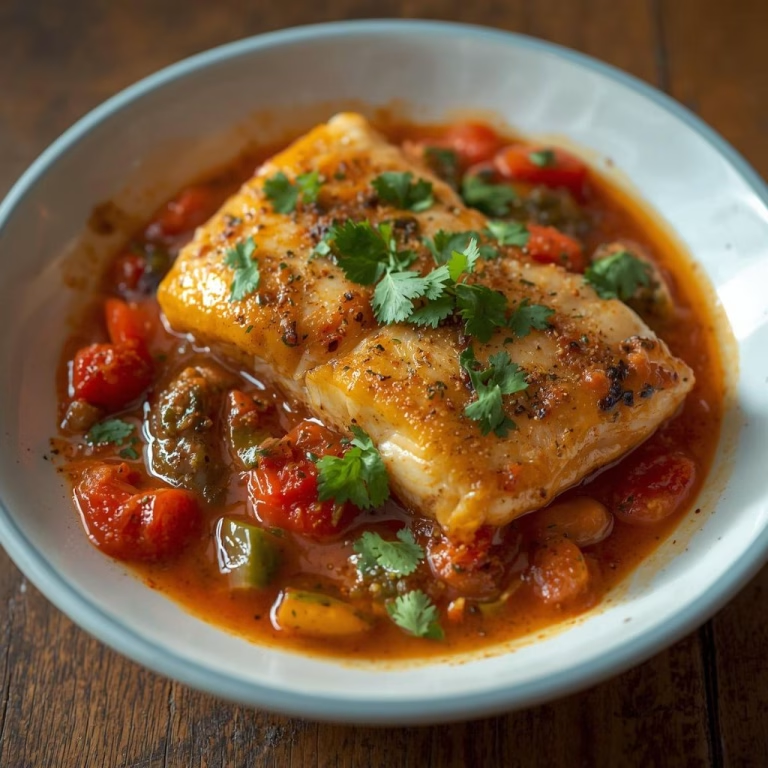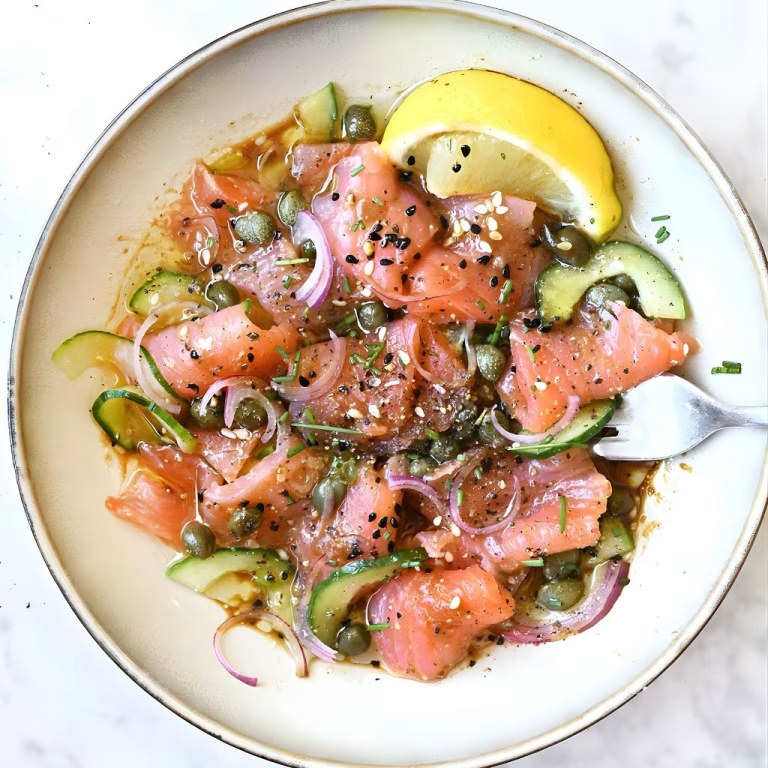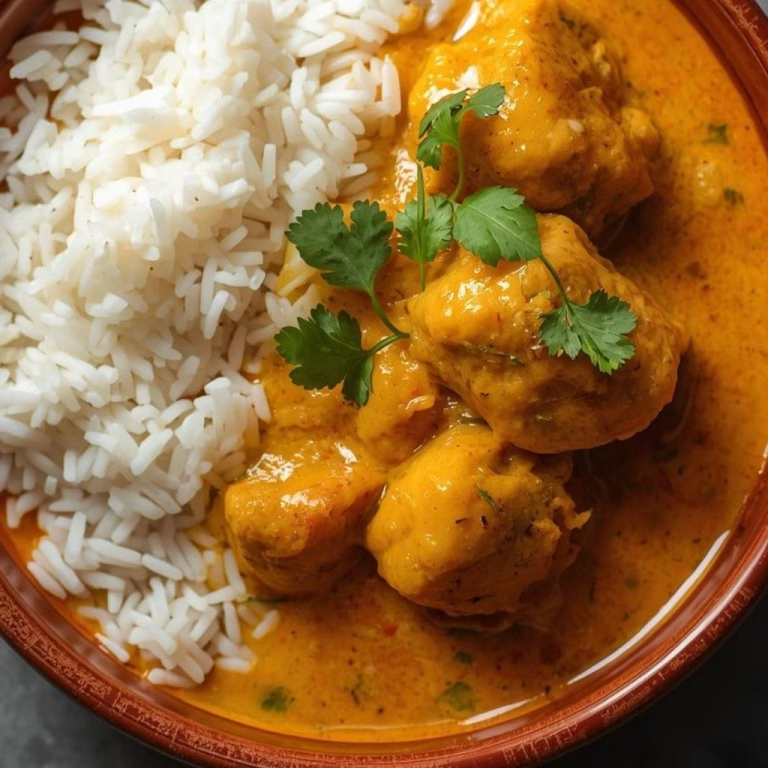
I still remember the first time I made this Thai Coconut Fish Curry Recipe—it instantly became one of my favorite comfort meals. The creamy coconut sauce, paired with tender fish and bold spices, felt like something straight out of a restaurant. I love how quickly it comes together without compromising flavor.
Every bite is rich, slightly spicy, and perfectly balanced. If you enjoy cozy, aromatic dishes, this recipe will definitely win you over. You can also enjoy similar rich flavors in a Tomato and Feta Pizza Recipe or a creamy Spicy Red Risotto Vegan Recipe.

Ingredients
Here’s everything you’ll need to create this flavorful curry, along with helpful tips:
- 500g white fish fillets (like cod or hake) – firm fish works best so it doesn’t fall apart while cooking
- 1 tablespoon oil – use neutral oil like vegetable or coconut oil for authentic flavor
- 1 onion, finely chopped – adds sweetness and depth to the base
- 2 garlic cloves, minced – fresh garlic gives stronger aroma than pre-minced
- 1 tablespoon ginger, grated – fresh ginger adds warmth and brightness
- 2–3 tablespoons Thai red curry paste – adjust based on spice preference
- 400ml coconut milk – full-fat gives a rich, creamy texture
- 1 cup fish or vegetable stock – enhances the overall flavor of the curry
- 1 red bell pepper, sliced – adds color and a slight crunch
- 1 zucchini, sliced – mild flavor that absorbs the curry beautifully
- 1 tablespoon fish sauce – adds umami depth (don’t skip if possible)
- 1 teaspoon brown sugar – balances the spice and acidity
- Juice of 1 lime – fresh lime brightens the dish
- Fresh cilantro, chopped – for garnish and freshness
- Salt and pepper to taste – adjust seasoning at the end
Note: This recipe serves approximately 4 people comfortably.
Variations
You can easily customize this curry based on your taste or dietary needs:
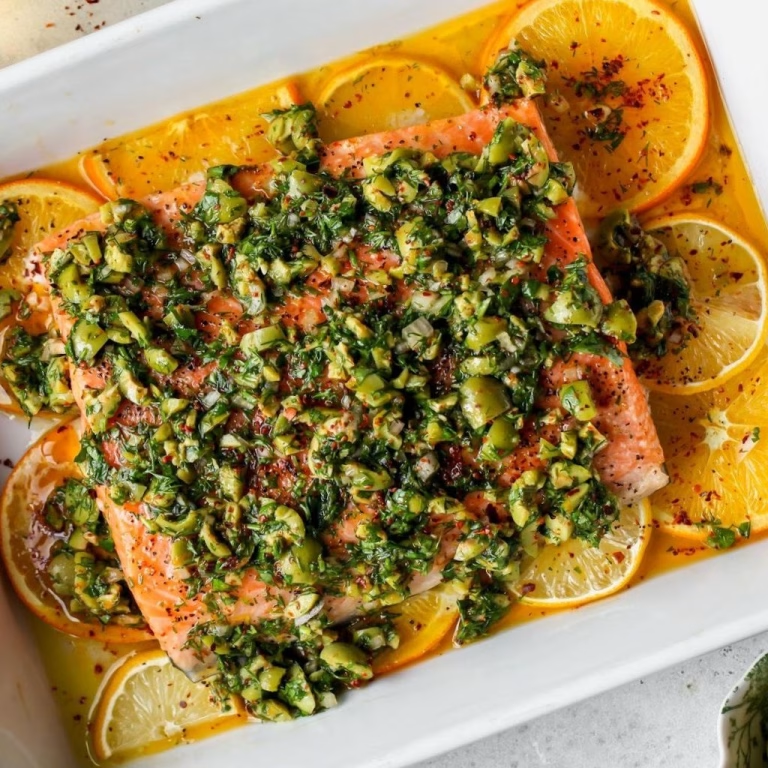
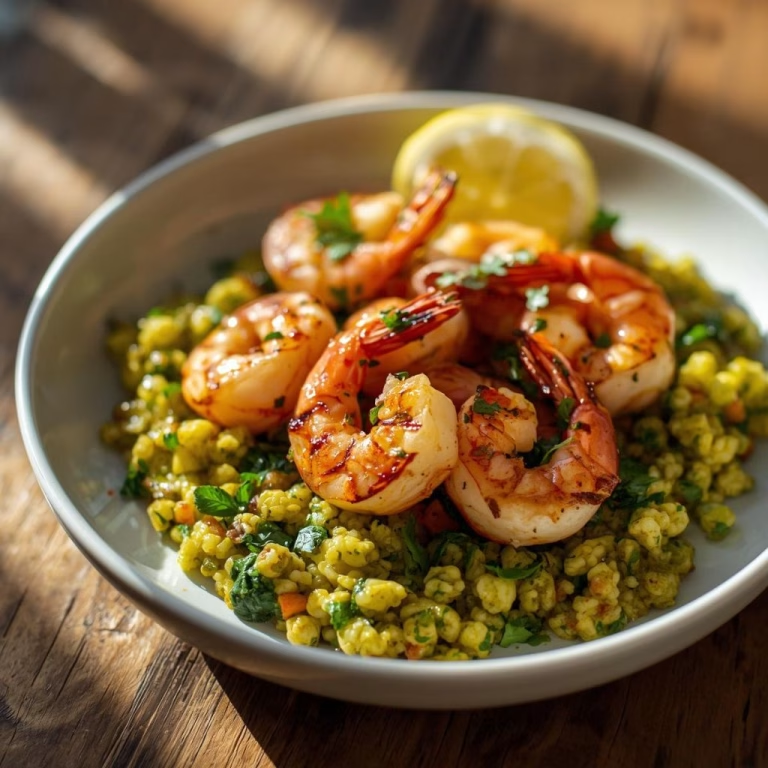
- Use salmon or shrimp instead of white fish for a richer flavor
- Swap coconut milk with light coconut milk for a lower-fat option
- Add spinach or kale for extra nutrients and color
- Use green curry paste instead of red for a fresher, herbier taste
- Make it vegetarian by replacing fish with tofu or chickpeas
- Add chili flakes or fresh chilies if you prefer extra heat
Cooking Time
Here’s how long it takes to prepare this dish:
- Prep Time: 15 minutes
- Cooking Time: 20 minutes
- Total Time: 35 minutes
Equipment You Need
- Large skillet or pan – for cooking the curry evenly
- Sharp knife – to slice vegetables and fish cleanly
- Cutting board – for safe ingredient prep
- Wooden spoon – for stirring without damaging the fish
- Measuring cups and spoons – to ensure accurate ingredient quantities
How to Make Thai Coconut Fish Curry Recipe?
Prepare the Ingredients
Start by chopping all your vegetables and cutting the fish into bite-sized pieces. This helps everything cook evenly and quickly. Having everything ready before cooking makes the process smooth and stress-free.
Sauté Aromatics
Heat oil in a large pan over medium heat and sauté the onions until soft and translucent. Add garlic and ginger, cooking until fragrant. This step builds the base flavor of the curry.
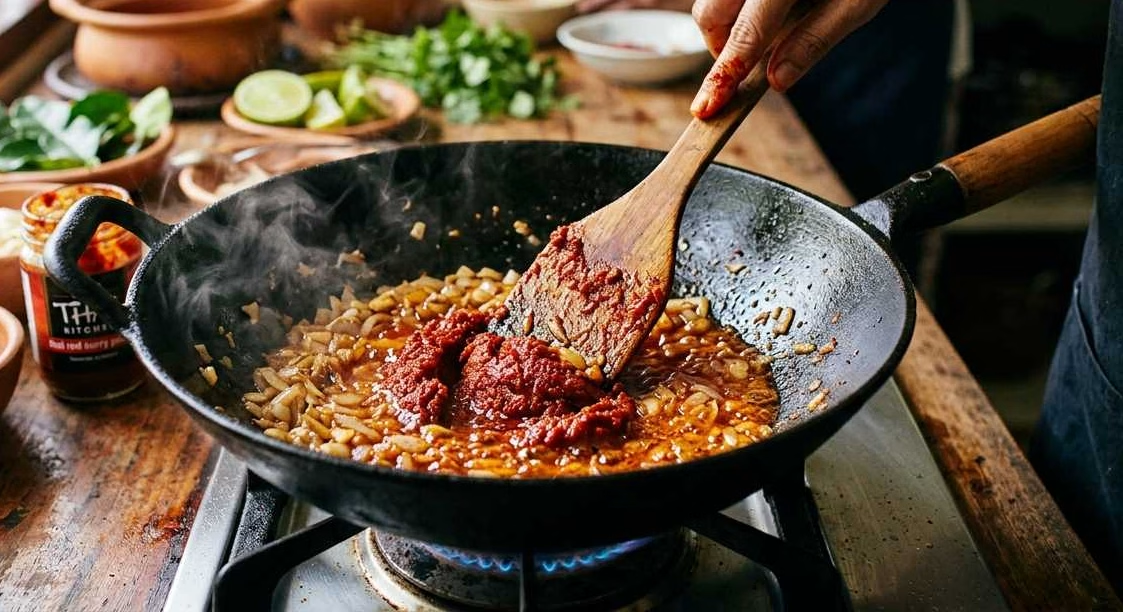
Add Curry Paste
Stir in the Thai red curry paste and cook for a minute to release its oils. This intensifies the flavor and aroma. Make sure it’s well combined with the onion mixture.
Pour in Liquids
Add coconut milk and stock, stirring to combine into a smooth sauce. Bring the mixture to a gentle simmer. The sauce should start smelling rich and slightly spicy.
Add Vegetables
Toss in the sliced bell peppers and zucchini. Let them cook for a few minutes until slightly tender. They should still have a bit of crunch for texture.
Cook the Fish
Gently add the fish pieces into the simmering curry. Let them cook for about 5–7 minutes until flaky and tender. Avoid stirring too much to keep the fish intact.
Season the Curry
Add fish sauce, sugar, lime juice, salt, and pepper. Taste and adjust seasoning as needed. The balance of sweet, salty, and tangy is key to a great curry.
Garnish and Serve
Turn off the heat and sprinkle fresh cilantro on top. Let it sit for a minute before serving. This helps flavors settle and intensify.
Additional Tips for Making This Recipe Better
From my experience, these tips really elevate the dish:
- I always use fresh fish instead of frozen because it holds its texture better
- Don’t overcook the fish—it can become dry and break apart easily
- I like to simmer the sauce a bit longer before adding fish for deeper flavor
- Adding a splash of extra lime juice at the end makes it taste fresher
- If the curry is too thick, I add a little warm water or stock to adjust consistency
How to Serve Thai Coconut Fish Curry Recipe?
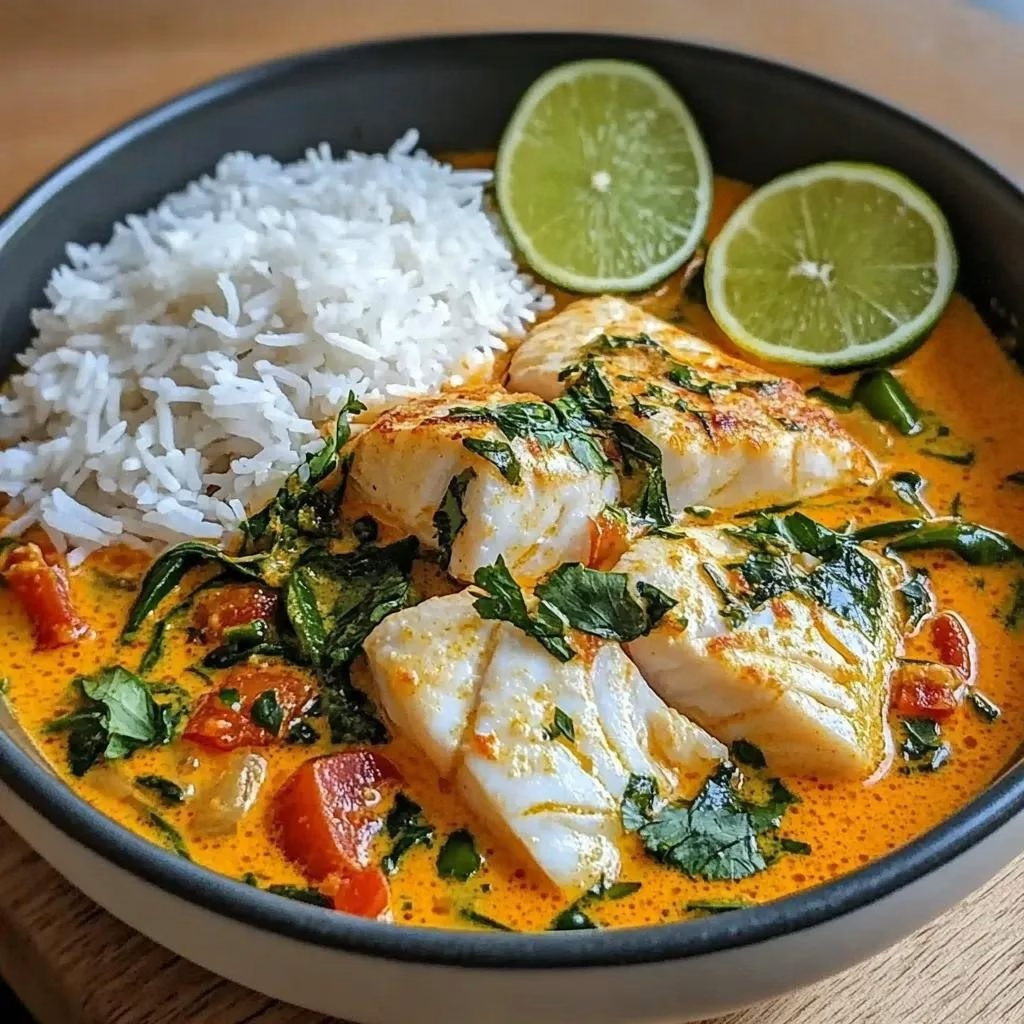
This curry pairs beautifully with steamed jasmine rice, which soaks up the creamy sauce perfectly. You can also serve it with rice noodles for a lighter option. I love garnishing it with extra cilantro, lime wedges, and sometimes sliced chilies for a pop of color. A side of crusty bread also works surprisingly well for dipping.
Nutritional Information
Here’s a quick overview of the nutritional value per serving:
- Calories: 350–400 kcal
- Protein: 25–30g
- Carbohydrates: 15–20g
- Fat: 20–25g
Make Ahead and Storage
Storing
Allow the curry to cool completely before transferring it to an airtight container. Store it in the refrigerator for up to 3 days. The flavors actually deepen over time, making leftovers even tastier.
Freezing
You can freeze the curry, but it’s best to do so without the fish if possible. Coconut milk may slightly change texture when frozen, but it’s still safe to eat. Freeze for up to 2 months.
Reheating
Reheat gently on the stove over low heat, stirring occasionally. Add a splash of water or stock to loosen the sauce. Avoid high heat to prevent the fish from becoming tough.
Why You’ll Love This Recipe?
This curry is a must-try for so many reasons:
- Quick and easy to make
I love that it comes together in under 40 minutes, perfect for busy days. You don’t need complicated techniques or ingredients. - Rich and comforting flavors
The creamy coconut milk combined with spices creates a deeply satisfying dish. Every bite feels indulgent yet balanced. - Highly customizable
You can easily adjust spice levels, swap proteins, or add vegetables. It works for different diets and preferences. - Restaurant-quality at home
Honestly, it tastes just like something you’d order at a Thai restaurant. But making it at home is more affordable and rewarding. - Healthy and nourishing
Packed with protein, healthy fats, and vegetables, it’s both delicious and nutritious. A great option for a wholesome meal.
If you try this Thai coconut fish curry, you’ll see why it’s such a favorite in my kitchen. It’s simple, flavorful, and always impressive—perfect for both weeknight dinners and special occasions.

Thai Coconut Fish Curry Recipe
Ingredients
Method
- Start by chopping all your vegetables and cutting the fish into bite-sized pieces. This helps everything cook evenly and quickly. Having everything ready before cooking makes the process smooth and stress-free.
- Heat oil in a large pan over medium heat and sauté the onions until soft and translucent. Add garlic and ginger, cooking until fragrant. This step builds the base flavor of the curry.
- Stir in the Thai red curry paste and cook for a minute to release its oils. This intensifies the flavor and aroma. Make sure it’s well combined with the onion mixture.
- Add coconut milk and stock, stirring to combine into a smooth sauce. Bring the mixture to a gentle simmer. The sauce should start smelling rich and slightly spicy.
- Toss in the sliced bell peppers and zucchini. Let them cook for a few minutes until slightly tender. They should still have a bit of crunch for texture.
- Gently add the fish pieces into the simmering curry. Let them cook for about 5–7 minutes until flaky and tender. Avoid stirring too much to keep the fish intact.
- Add fish sauce, sugar, lime juice, salt, and pepper. Taste and adjust seasoning as needed. The balance of sweet, salty, and tangy is key to a great curry.
- Turn off the heat and sprinkle fresh cilantro on top. Let it sit for a minute before serving. This helps flavors settle and intensify.
Notes
- I always use fresh fish instead of frozen because it holds its texture better
- Don’t overcook the fish—it can become dry and break apart easily
- I like to simmer the sauce a bit longer before adding fish for deeper flavor
- Adding a splash of extra lime juice at the end makes it taste fresher
- If the curry is too thick, I add a little warm water or stock to adjust consistency