I still remember the first time I whipped up this Ground Beef Mongolian Noodles Recipe; my kitchen smelled amazing, like my favorite local Asian bistro, but better because I knew exactly what went into it. Honestly, finding a weeknight dinner that balances sweet, savory, and just a hint of spice without taking hours is a total game-changer for me.
I was blown away by how the simple ground beef transformed into something so rich and flavorful when paired with that glossy, garlic-ginger sauce. It’s become my absolute go-to for those nights when I’m craving comfort food but don’t want to wait for delivery or pay delivery fees, especially alongside dishes like Baked Tuscan Chicken Breasts Recipe that also deliver bold flavors without complicated prep. Trust me, once you twirl these saucy noodles onto your fork, you’re going to wonder why you didn’t try making this at home sooner.
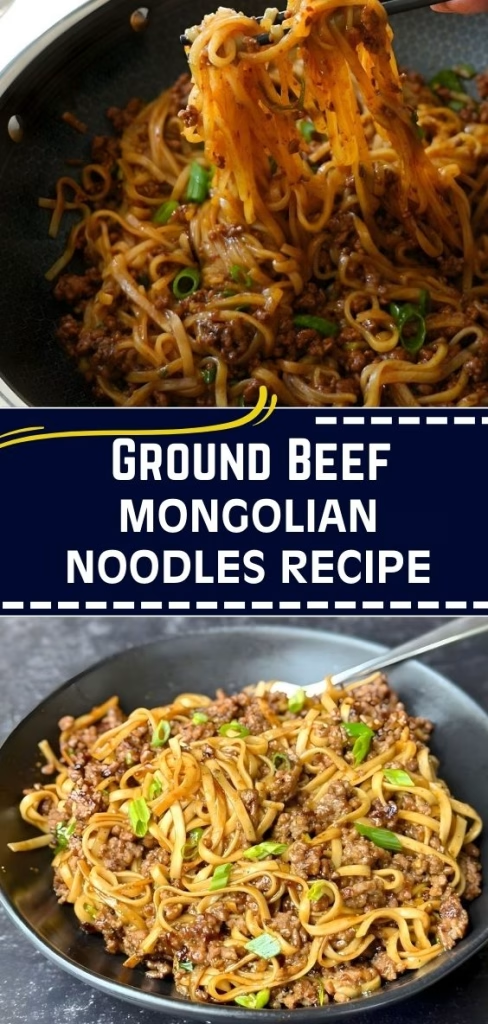
Ingredients Section
Here is everything you need to recreate this savory masterpiece in your own kitchen. I always recommend using fresh aromatics because they truly make the sauce sing.
- 1 lb Lean Ground Beef: I prefer using 90% lean beef so there isn’t too much grease to drain off, but it still has enough fat for great flavor.
- 4 tsp Fresh Ginger, minced: Use fresh root ginger for a zesty, warm kick; powdered ginger simply cannot replicate that bright, peppery bite essential for this sauce.
- 6 cloves Garlic, minced: Fresh garlic is non-negotiable here for that punchy aroma, though jarred minced garlic in water works in a pinch if you are rushing.
- 1/2 cup Brown Sugar: This provides the signature sweetness that balances the salty soy sauce; you can reduce this to 1/3 cup if you prefer a less sweet savory profile.
- 1/2 cup Beef Broth: This forms the savory liquid base of your sauce, helping to deglaze the pan and create plenty of gravy for the noodles.
- 1/2 cup Low-Sodium Soy Sauce: Stick to low-sodium so you can control the saltiness, as regular soy sauce can quickly make the dish overpowering.
- 4 tbsp Hoisin Sauce: This is the secret weapon that adds depth, thickness, and that classic barbecue-like Asian flavor you can’t get from soy sauce alone.
- 1/2 tsp Black Pepper: Freshly cracked black pepper adds a subtle background heat that cuts through the sweetness of the sugar and hoisin.
- 1/2 tsp Red Pepper Flakes (Optional): If you like a little kick, toss these in; leave them out if you are feeding kids or sensitive palates.
- 10 oz Noodles: Linguine, fettuccine, or spaghetti all work beautifully here because their shape holds onto the thick sauce perfectly.
- 1 tbsp Cornstarch: This is your thickening agent that turns the watery broth mixture into a glossy, clingy glaze that coats every noodle.
- 2 tbsp Water: You need cold water to mix with the cornstarch to create a slurry so it doesn’t clump when added to the hot pan.
- 4 medium Green Onions, sliced: These add a fresh, crisp onion bite and a pop of color at the end, cutting through the richness of the beef.
Note: This recipe makes approximately 8 servings.
Variations
Customizing this dish is half the fun, and there are plenty of ways to tweak it to fit your dietary needs or pantry staples.
- Protein Swaps: While ground beef is classic for this quick version, you can easily substitute ground turkey, ground chicken, or even ground pork for a different flavor profile similar to recipes such as Grilled Stuffed Chicken with Cream Sauce Recipe that focus on rich, satisfying proteins.
- Vegetable Overload: Bulking this up is easy; try tossing in steamed broccoli florets, julienned carrots, snap peas, or sliced bell peppers during the final toss for added crunch and nutrition.
- Gluten-Free Option: To make this gluten-free, swap the soy sauce for Tamari or coconut aminos, ensure your Hoisin sauce is certified GF, and use rice noodles instead of wheat pasta.
- Spiciness Level: If you love heat, add a tablespoon of Sambal Oelek or Sriracha into the sauce mixture, or top with chili oil for a fiery finish.
- Sugar Alternatives: If you are watching sugar intake, you can substitute the brown sugar with a brown sugar alternative (like Swerve) or even honey, though honey will change the flavor slightly.
Cooking Time
- Prep Time: 5 minutes
- Cooking Time: 15 minutes
- Total Time: 20 minutes
Equipment You Need
Having the right tools ready makes this fast-paced recipe even smoother to execute.
- 5-Quart Braiser or Large Skillet: Essential for browning the meat and holding all the noodles and sauce without spilling over.
- Large Pasta Pot: Used to boil the water and cook your noodles to the perfect al dente texture.
- Colander: Necessary for safely draining the boiling water from your cooked pasta.
- Small Mixing Bowl: Perfect for whisking together your sauce ingredients or making the cornstarch slurry.
- Wooden Spoon or Spatula: Ideal for breaking up the ground beef and scraping up delicious browned bits from the pan.
- Measuring Cups and Spoons: Crucial for balancing the strong flavors of soy, sugar, and aromatics accurately.
How to Make Ground Beef Mongolian Noodles Recipe
Brown the Beef and Aromatics
Start by placing your large skillet over medium-high heat and adding the ground beef to brown. Let it get a nice sear, breaking it into crumbles, and in the last two minutes of cooking, stir in your fresh minced ginger and garlic so they become fragrant without burning.
Cook the Pasta
While your beef is searing away, get a pot of water boiling and cook your noodles according to the package directions. It is best to cook them just until al dente because they will continue to cook slightly when you toss them into the hot sauce later.
Create the Sauce Base
Once the beef is fully cooked and drained of excess grease, return it to the pan and pour in the beef broth, soy sauce, brown sugar, hoisin sauce, black pepper, and red pepper flakes. Stir everything well to combine the flavors with the meat.
Thicken the Mixture
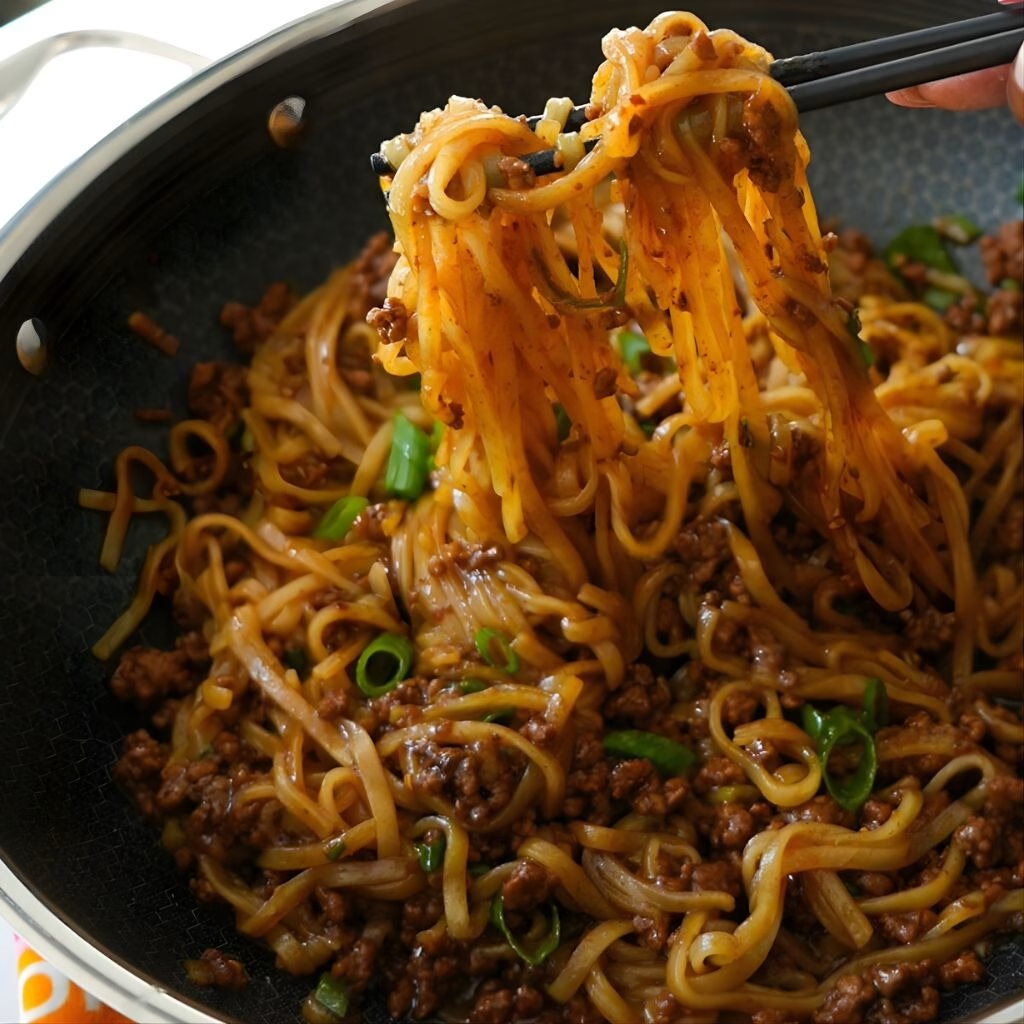
Whisk your cornstarch and cold water together in a small cup until smooth, then pour this slurry into the bubbling beef mixture. Stir constantly as you bring it to a low boil; you will see the sauce transform from watery to a rich, glossy glaze within a minute.
Combine and Serve
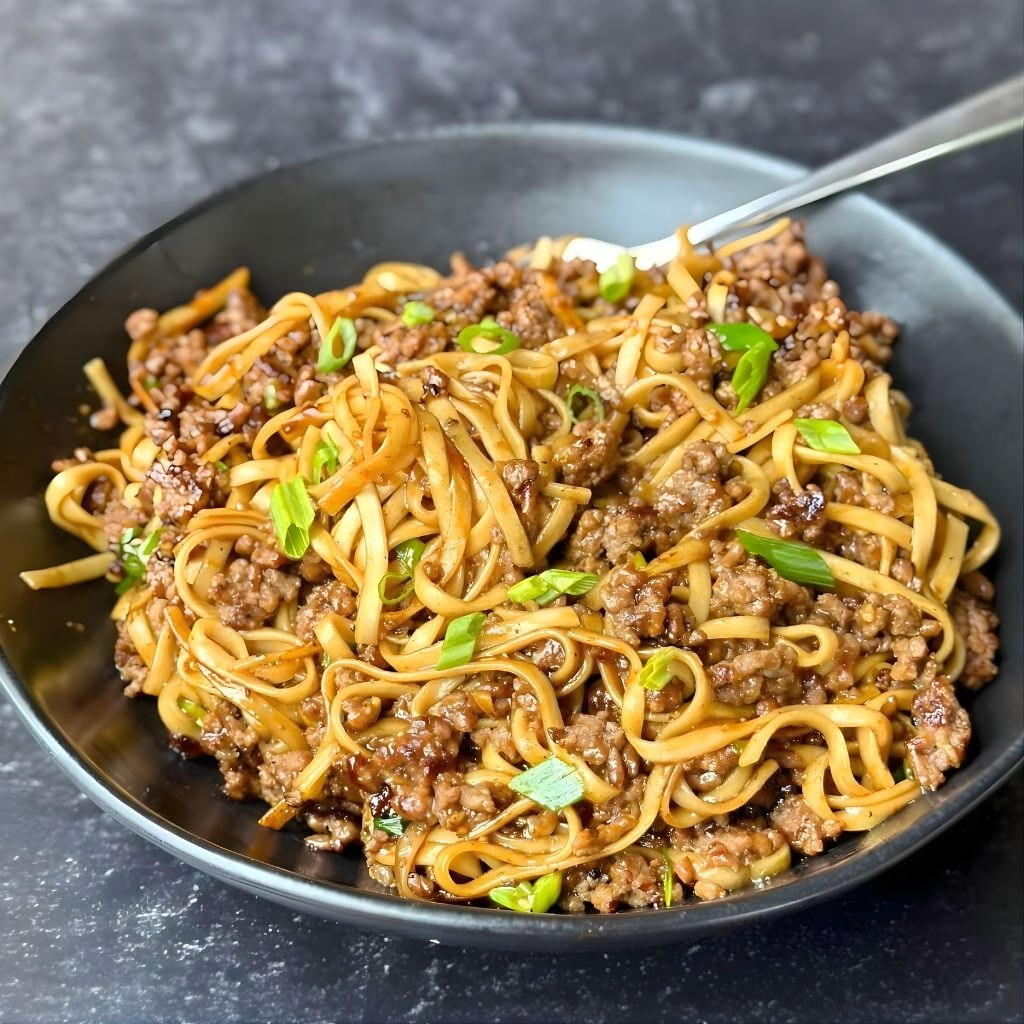
Finally, toss your drained noodles directly into the skillet with the thickened beef sauce. Use tongs to gently mix until every strand of pasta is coated in that delicious dark glaze, let it sit for a minute to absorb the flavor, and garnish with green onions.
Additional Tips for Making this Recipe Better
I have learned a few tricks over the years to take this dish from “good” to “restaurant quality” with minimal effort.
- Sear the Meat Properly: I always let the ground beef sit undisturbed in the hot pan for a minute or two before breaking it up; this creates a deep brown crust that adds incredible savory flavor.
- Don’t Overcook Noodles: I make sure to pull the pasta out of the water a minute before it’s fully done because it will soak up the hot sauce in the skillet and finish cooking there.
- Freshness Counts: I never skip using fresh ginger root; the powdered stuff just doesn’t provide that zesty, spicy brightness that cuts through the heavy sugar and soy sauce.
- Toast the Spices: If I’m using red pepper flakes, I like to add them in with the garlic and ginger for thirty seconds to bloom their heat in the fat before adding the liquids.
- Sauce Consistency: If the sauce gets too thick while tossing, I add a splash of the pasta cooking water (which I always save a cup of!) to loosen it up and make it creamy.
How to Serve Ground Beef Mongolian Noodles Recipe
Presentation can make this simple comfort food feel like a special occasion meal. I love serving this family-style in a large, wide bowl so everyone can dig in. A generous sprinkle of toasted sesame seeds adds a lovely nutty crunch and makes the dish look professional. You can also garnish with extra fresh sliced scallions or even some cilantro for a burst of green.
For sides, this dish pairs wonderfully with simple steamed vegetables like bok choy or broccoli to balance the salty richness. Cucumber salad with a vinegar dressing is another great option to provide a cool, crisp contrast to the warm, savory noodles. If you want to go all out, serve it alongside some crispy egg rolls or potstickers.
Nutritional Information
Here is a quick snapshot of the nutrition per serving to help you plan your meals.
- Calories: Approximately 309 kcal
- Protein: 19g
- Carbohydrates: 49g
- Fat: 4g
Make Ahead and Storage
Planning ahead makes weeknights easier, and this dish stores surprisingly well for a pasta recipe.
Storing Leftovers
Store any leftovers in an airtight container in the refrigerator for up to 3 to 4 days. I find that the flavors actually meld together even better the next day, making it a fantastic option for meal-prep lunches.
Freezing Instructions
You can freeze the beef sauce mixture separately in a freezer-safe bag for up to 3 months. However, I generally don’t recommend freezing the noodles combined with the sauce, as the pasta can become mushy and lose its texture upon thawing.
Reheating Tips
To reheat, simply microwave individual portions with a splash of water to loosen the sauce, or warm it in a skillet over medium heat. If the noodles seem dry, adding a tablespoon of beef broth or water helps bring the glossy texture back to life.
Why You’ll Love This Recipe
There are so many reasons this specific noodle dish deserves a permanent spot in your monthly dinner rotation.
- Incredibly Fast: You can literally have dinner on the table in 20 minutes, which is faster than ordering delivery and waiting for the driver to arrive.
- Pantry Friendly: Most of the ingredients, like soy sauce, brown sugar, cornstarch, and pasta, are items you likely already have sitting in your kitchen cupboards right now.
- Budget Conscious: Using ground beef instead of expensive steak cuts like flank or sirloin makes this a very affordable meal that still delivers huge, satisfying flavor.
- Kid-Approved: The sweetness from the brown sugar and hoisin sauce makes this a massive hit with children who might usually be picky about dinner.
- Highly Versatile: It acts as a perfect blank canvas for whatever vegetables are wilting in your crisper drawer, reducing food waste while making dinner delicious.

Ground Beef Mongolian Noodles Recipe
Ingredients
Method
- Start by placing your large skillet over medium-high heat and adding the ground beef to brown. Let it get a nice sear, breaking it into crumbles, and in the last two minutes of cooking, stir in your fresh minced ginger and garlic so they become fragrant without burning.
- While your beef is searing away, get a pot of water boiling and cook your noodles according to the package directions. It is best to cook them just until al dente because they will continue to cook slightly when you toss them into the hot sauce later.
- Once the beef is fully cooked and drained of excess grease, return it to the pan and pour in the beef broth, soy sauce, brown sugar, hoisin sauce, black pepper, and red pepper flakes. Stir everything well to combine the flavors with the meat.
- Whisk your cornstarch and cold water together in a small cup until smooth, then pour this slurry into the bubbling beef mixture. Stir constantly as you bring it to a low boil; you will see the sauce transform from watery to a rich, glossy glaze within a minute.
- Finally, toss your drained noodles directly into the skillet with the thickened beef sauce. Use tongs to gently mix until every strand of pasta is coated in that delicious dark glaze, let it sit for a minute to absorb the flavor, and garnish with green onions.
Notes
- Sear the Meat Properly: I always let the ground beef sit undisturbed in the hot pan for a minute or two before breaking it up; this creates a deep brown crust that adds incredible savory flavor.
- Don’t Overcook Noodles: I make sure to pull the pasta out of the water a minute before it’s fully done because it will soak up the hot sauce in the skillet and finish cooking there.
- Freshness Counts: I never skip using fresh ginger root; the powdered stuff just doesn’t provide that zesty, spicy brightness that cuts through the heavy sugar and soy sauce.
- Toast the Spices: If I’m using red pepper flakes, I like to add them in with the garlic and ginger for thirty seconds to bloom their heat in the fat before adding the liquids.
- Sauce Consistency: If the sauce gets too thick while tossing, I add a splash of the pasta cooking water (which I always save a cup of!) to loosen it up and make it creamy.