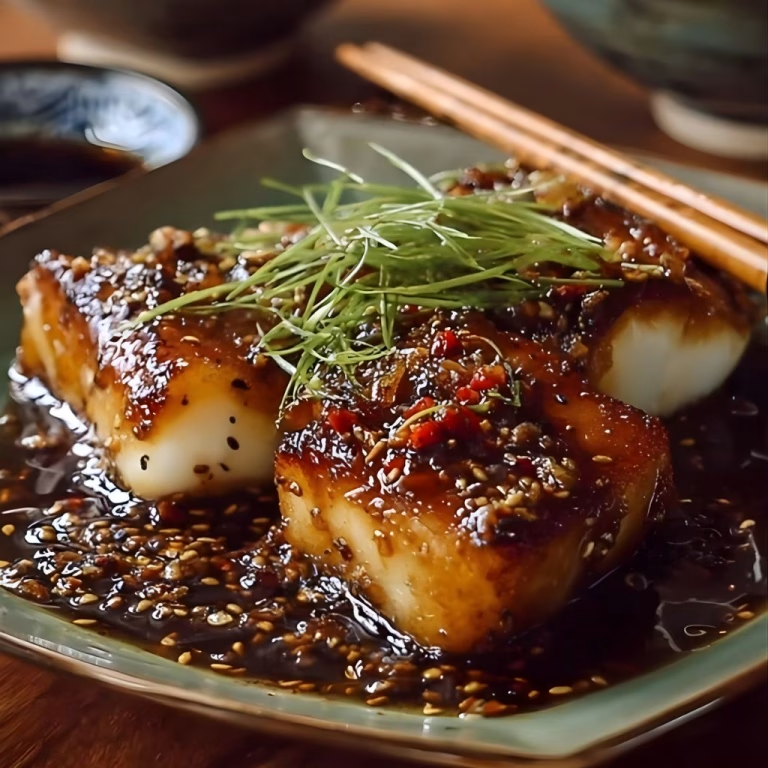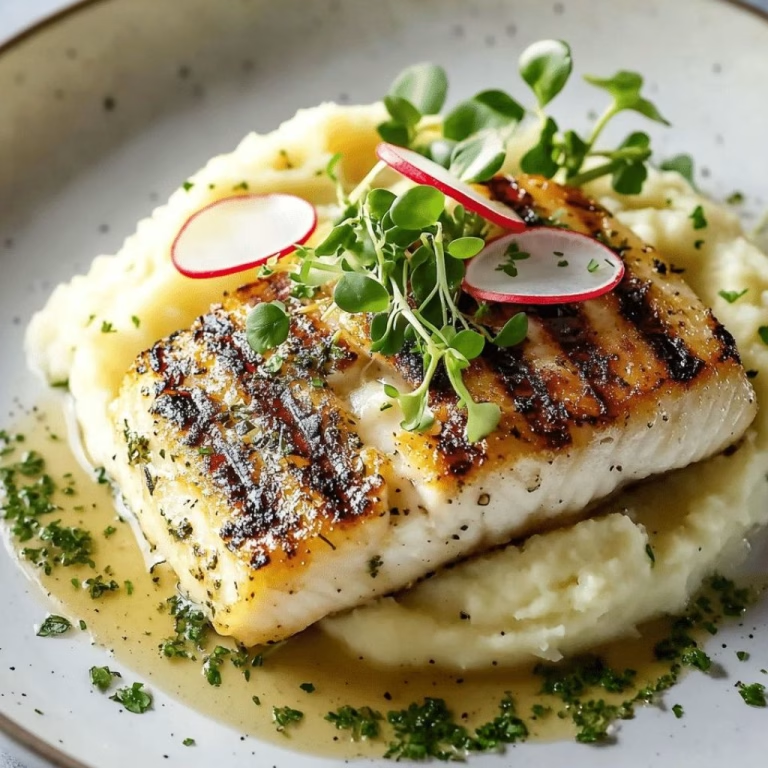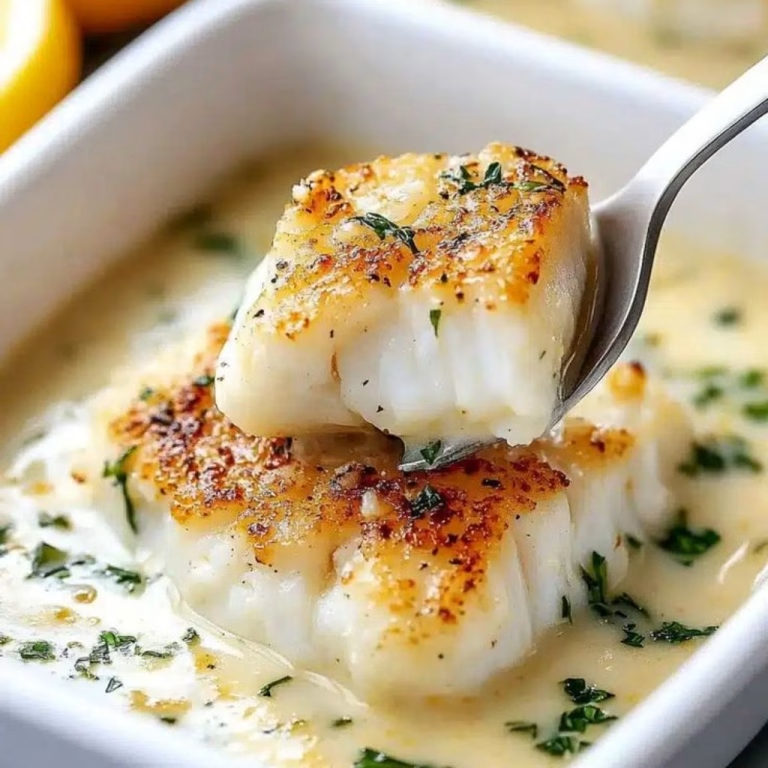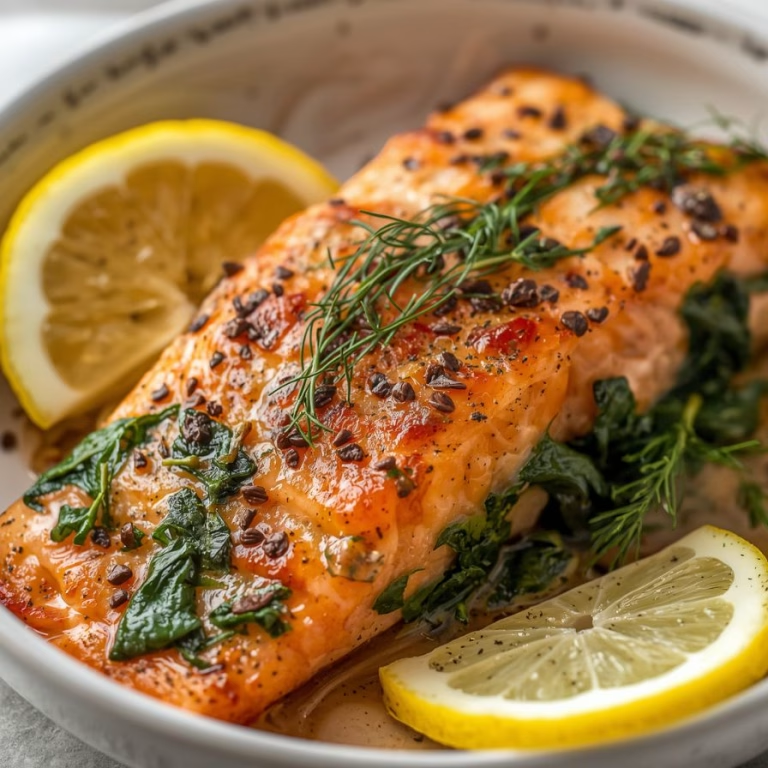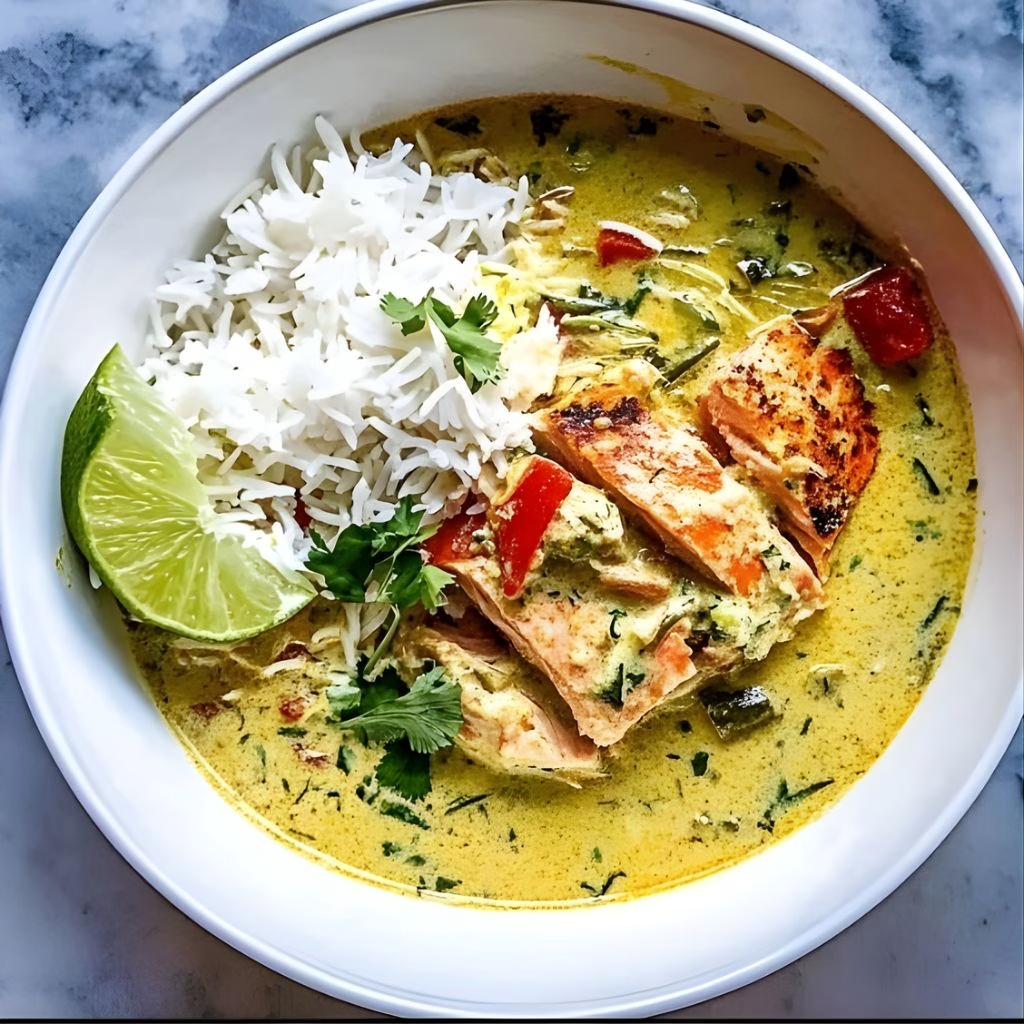
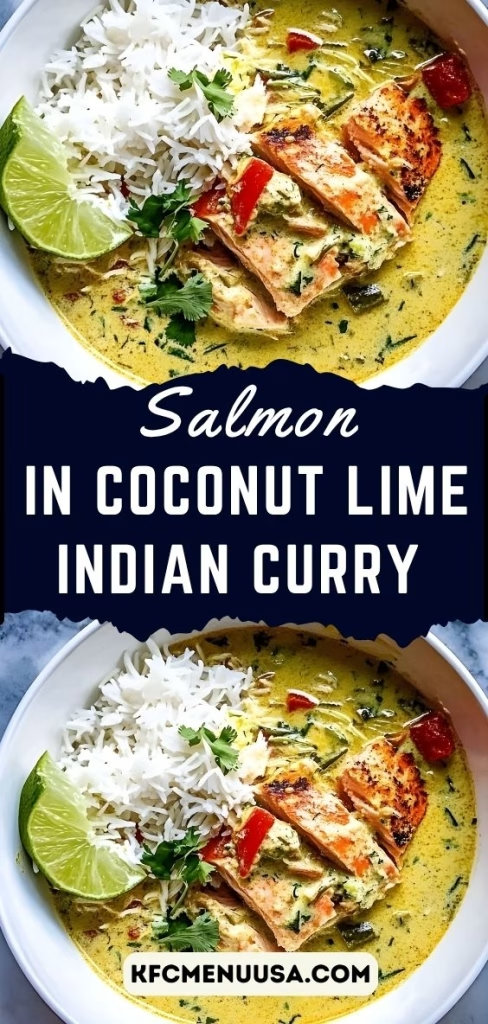
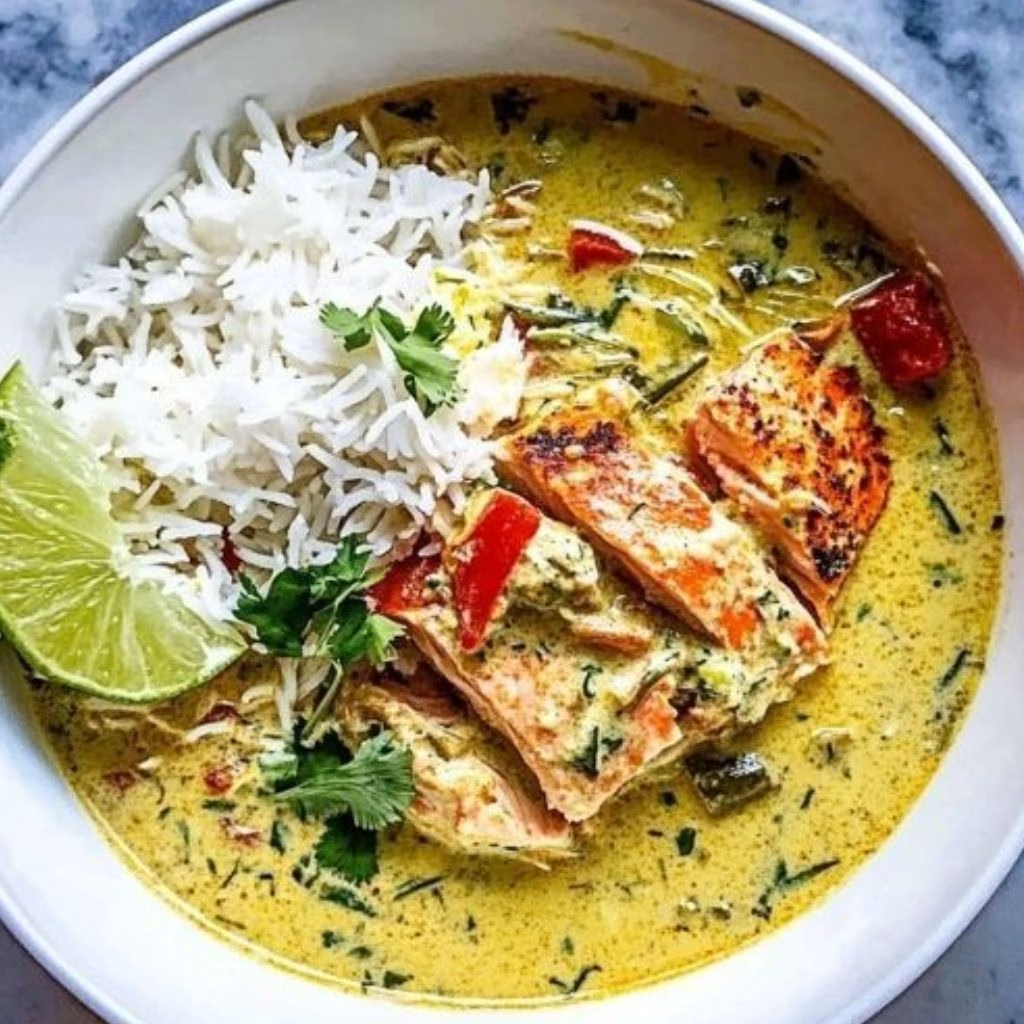
I recently tried this Salmon in Coconut Lime Indian Curry Recipe, and I have to say—it completely won me over. The creamy coconut sauce paired with the tangy lime and rich spices creates such a comforting yet vibrant dish.
I loved how quickly it came together without compromising on flavor. The salmon stays tender and flaky, soaking up all the delicious curry goodness.
If you’re looking for something easy yet impressive, this recipe is definitely worth trying. You can also enjoy similar flavors in a Honey Chipotle Chicken Rice Bowls recipe for a sweet and spicy twist.
Ingredients
Here’s everything you’ll need to create this flavorful dish, along with helpful tips for the best results:
- 2 salmon fillets – Fresh salmon works best for a tender, flaky texture; avoid overcooking.
- 1 tablespoon oil – Use neutral oil like vegetable or coconut oil for balanced flavor.
- 1 small onion, finely chopped – Adds sweetness and depth to the curry base.
- 3 cloves garlic, minced – Fresh garlic enhances the aroma and richness.
- 1 tablespoon ginger, grated – Gives a warm, slightly spicy kick.
- 1 teaspoon turmeric powder – Provides color and earthy flavor.
- 1 teaspoon cumin powder – Adds warmth and subtle nuttiness.
- 1 teaspoon coriander powder – Brings a citrusy, slightly sweet note.
- 1/2 teaspoon chili powder – Adjust based on your spice preference.
- 1 cup coconut milk – Use full-fat for a creamy, rich curry.
- 1 tablespoon tomato paste – Enhances depth and slight tanginess.
- Juice of 1 lime – Fresh lime juice brightens the entire dish.
- Salt to taste – Enhances all the flavors.
- Fresh cilantro for garnish – Adds freshness and color at the end.
Note: This recipe serves approximately 2–3 people, depending on portion size. You might also enjoy a hearty Chicken Enchilada Casserole Verde recipe as another flavorful dinner option.
Variations
You can easily customize this curry to suit your taste or dietary needs:
- Swap salmon with shrimp or tofu for a different protein option.
- Use light coconut milk for a lower-fat version.
- Add vegetables like spinach, bell peppers, or zucchini for extra nutrition.
- Skip chili powder or use paprika for a milder version.
- Add a pinch of garam masala at the end for deeper Indian flavor.
Cooking Time
Here’s how long it takes to prepare this delicious curry:
- Prep Time: 10 minutes
- Cooking Time: 20 minutes
- Total Time: 30 minutes
Equipment You Need
- Large skillet or pan – For cooking the curry evenly.
- Cutting board – To prep vegetables and salmon.
- Sharp knife – For precise chopping and slicing.
- Wooden spoon or spatula – To stir without breaking the salmon.
- Measuring spoons and cups – For accurate ingredient portions.
How to Make Salmon in Coconut Lime Indian Curry Recipe?
This recipe is simple yet incredibly flavorful, perfect for both beginners and experienced cooks. Follow these steps carefully to achieve a creamy and perfectly balanced curry. Each step builds layers of flavor, ensuring the salmon absorbs all the delicious spices. Let’s get started with the process.
Prepare the Ingredients
Start by chopping the onion finely and mincing the garlic and ginger. Cut the salmon into equal portions if needed, ensuring even cooking. Keep all spices measured and ready for quick use during cooking.
Sauté the Aromatics
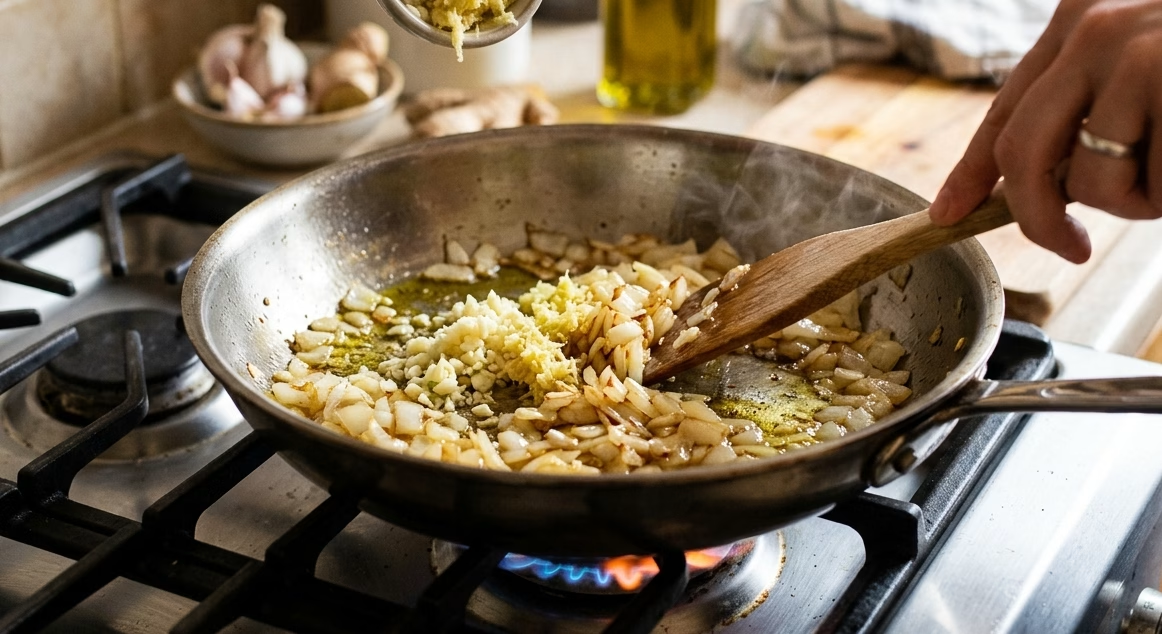
Heat oil in a pan over medium heat and add the chopped onions. Cook until they turn soft and slightly golden, then stir in garlic and ginger. Let them cook for a minute until fragrant and aromatic.
Add the Spices
Sprinkle in turmeric, cumin, coriander, and chili powder. Stir well to coat the onion mixture with spices evenly. Cooking the spices briefly helps release their essential flavors.
Build the Curry Base
Add tomato paste and mix thoroughly to combine with the spices. Pour in the coconut milk and stir until the mixture becomes smooth and creamy. Let it simmer gently to allow the flavors to blend.
Cook the Salmon
Place the salmon fillets into the curry sauce carefully. Let them cook for about 6–8 minutes, turning once if needed. The salmon should be tender and cooked through but not overdone.
Finish with Lime and Garnish
Squeeze fresh lime juice into the curry for a bright, tangy flavor. Taste and adjust salt if needed. Garnish with fresh cilantro before serving.
Additional Tips for Making this Recipe Better
From my experience, these tips really elevate the dish:
- I always use full-fat coconut milk because it makes the curry extra creamy and rich.
- Don’t overcook the salmon—I learned it becomes dry quickly if left too long.
- I like adding a little extra lime juice at the end for a fresh, zesty kick.
- Letting the curry sit for a few minutes before serving enhances the flavors.
- I sometimes add a pinch of sugar to balance the acidity if needed.
How to Serve Salmon in Coconut Lime Indian Curry Recipe?
This curry pairs beautifully with a variety of sides, making it a versatile meal option. Serve it over steamed basmati rice to soak up the creamy sauce. You can also enjoy it with warm naan or roti for a more traditional touch. Garnish with extra cilantro and lime wedges for a vibrant presentation that looks as good as it tastes.
Nutritional Information
Here’s a quick overview of the nutritional values per serving:
- Calories: Approximately 400–450 kcal
- Protein: Around 25–30g
- Carbohydrates: About 10–15g
- Fat: Roughly 25–30g
Make Ahead and Storage
Storing
Store leftover curry in an airtight container in the refrigerator. It stays fresh for up to 2 days while maintaining its flavor and texture. Make sure it cools completely before storing.
Freezing
You can freeze the curry, but it’s best without the salmon to maintain texture. Store in a freezer-safe container for up to 2 months. Thaw overnight in the fridge before reheating.
Reheating
Reheat gently on the stovetop over low heat to avoid overcooking the salmon. Add a splash of water or coconut milk if the sauce thickens too much. Stir carefully to keep the fish intact.
Why You’ll Love This Recipe?
This dish is a must-try for so many reasons:
- It’s quick and easy to prepare, making it perfect for busy days.
- The creamy coconut and zesty lime create a unique flavor combination.
- It’s versatile and can be customized with different proteins or veggies.
- The recipe uses simple ingredients that are easy to find.
- It feels like a restaurant-quality dish made right at home.
This Salmon in Coconut Lime Indian Curry is truly a comforting and flavorful dish that’s easy to fall in love with. Whether you’re cooking for yourself or guests, it’s guaranteed to impress with its rich taste and beautiful presentation.

Salmon in Coconut Lime Indian Curry Recipe
Ingredients
Method
- Start by chopping the onion finely and mincing the garlic and ginger. Cut the salmon into equal portions if needed, ensuring even cooking. Keep all spices measured and ready for quick use during cooking.
- Heat oil in a pan over medium heat and add the chopped onions. Cook until they turn soft and slightly golden, then stir in garlic and ginger. Let them cook for a minute until fragrant and aromatic.
- Sprinkle in turmeric, cumin, coriander, and chili powder. Stir well to coat the onion mixture with spices evenly. Cooking the spices briefly helps release their essential flavors.
- Add tomato paste and mix thoroughly to combine with the spices. Pour in the coconut milk and stir until the mixture becomes smooth and creamy. Let it simmer gently to allow the flavors to blend.
- Place the salmon fillets into the curry sauce carefully. Let them cook for about 6–8 minutes, turning once if needed. The salmon should be tender and cooked through but not overdone.
- Squeeze fresh lime juice into the curry for a bright, tangy flavor. Taste and adjust salt if needed. Garnish with fresh cilantro before serving.
Notes
- I always use full-fat coconut milk because it makes the curry extra creamy and rich.
- Don’t overcook the salmon—I learned it becomes dry quickly if left too long.
- I like adding a little extra lime juice at the end for a fresh, zesty kick.
- Letting the curry sit for a few minutes before serving enhances the flavors.
- I sometimes add a pinch of sugar to balance the acidity if needed.