
I recently made this haricot verts in Dijon mustard cream sauce recipe, and I have to say—it completely transformed a simple green bean dish into something restaurant-worthy. I love how the tender beans soak up the rich, tangy sauce without losing their freshness. The balance of creamy and slightly sharp Dijon flavor really stood out to me.
It felt elegant but was surprisingly easy to prepare at home, much like a greek style loaded hummus recipe when you want something simple yet flavorful. If you’re looking for a side dish that feels special without much effort, this is one I’d happily make again.
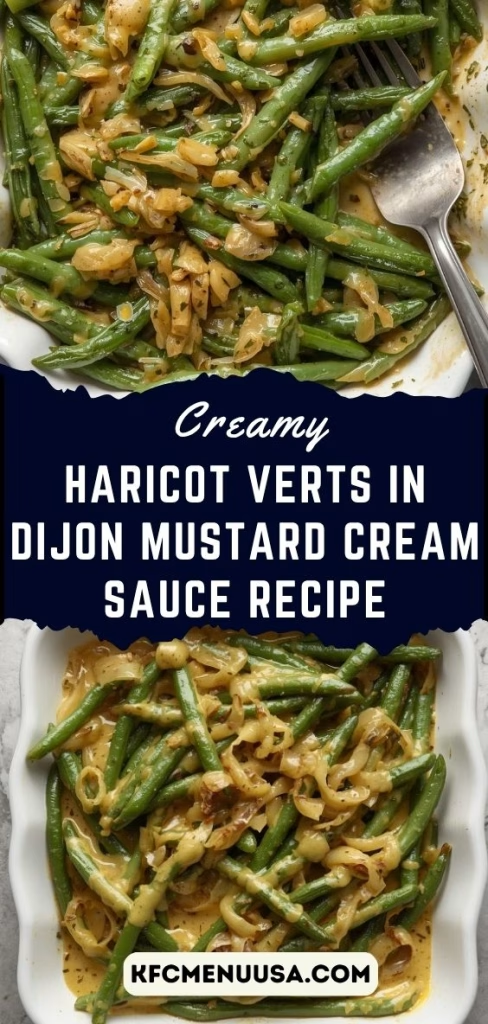
Ingredients
Here’s everything you’ll need, along with a few helpful tips to make the dish shine:
- 1 pound haricot verts (thin French green beans) – These are more tender and flavorful than regular green beans. Fresh is best for crisp texture.
- 1 tablespoon butter – Adds richness and helps sauté the aromatics beautifully.
- 1 small shallot, finely chopped – Shallots give a mild, slightly sweet onion flavor that blends well into the sauce.
- 2 cloves garlic, minced – Fresh garlic enhances the savory depth; avoid pre-minced for best flavor.
- ½ cup heavy cream – Creates a silky, luxurious sauce. Full-fat works best for thickness.
- 2 tablespoons Dijon mustard – This is the star ingredient; choose a good-quality Dijon for a balanced tang.
- ¼ cup chicken broth – Adds depth and thins the sauce slightly without losing flavor.
- Salt, to taste – Enhances all the flavors; adjust carefully.
- Black pepper, to taste – Adds a subtle warmth and spice.
- 1 tablespoon olive oil – Helps cook the beans evenly and prevents sticking.
Note: This recipe serves approximately 4 people as a side dish.
Variations
Want to tweak the recipe? Here are some easy and delicious variations:
- Use coconut cream instead of heavy cream for a dairy-free version.
- Swap chicken broth with vegetable broth to make it vegetarian-friendly.
- Add a sprinkle of grated Parmesan for extra richness and umami.
- Toss in toasted almonds or walnuts for added crunch and texture.
- Mix in a dash of lemon juice to brighten the overall flavor.
Cooking Time
Here’s how long it will take from start to finish:
- Prep Time: 10 minutes
- Cooking Time: 15 minutes
- Total Time: 25 minutes
Equipment You Need
- Large skillet – For sautéing and preparing the sauce evenly.
- Saucepan – Useful for blanching the green beans before sautéing.
- Colander – Helps drain the beans quickly after boiling.
- Knife – For chopping shallots and garlic finely.
- Cutting board – Provides a stable surface for prep work.
How to Make Haricot Verts in Dijon Mustard Cream Sauce Recipe?
Let me walk you through how I made this dish step by step—it’s simpler than it sounds and comes together quickly.
Prepare the Haricot Verts
Start by trimming the ends of the haricot verts and rinsing them well. Bring a pot of salted water to a boil and blanch the beans for a few minutes until they are just tender. Drain and immediately rinse under cold water to stop cooking and preserve their vibrant color.
Sauté the Aromatics
In a large skillet, heat butter and olive oil over medium heat. Add the finely chopped shallots and cook until they become soft and translucent. Stir in the minced garlic and cook briefly until fragrant, being careful not to burn it.
Make the Dijon Cream Sauce
Pour in the chicken broth and let it simmer for a minute to reduce slightly. Add the heavy cream and Dijon mustard, stirring continuously to combine everything into a smooth, creamy sauce. Let it simmer gently until it thickens.
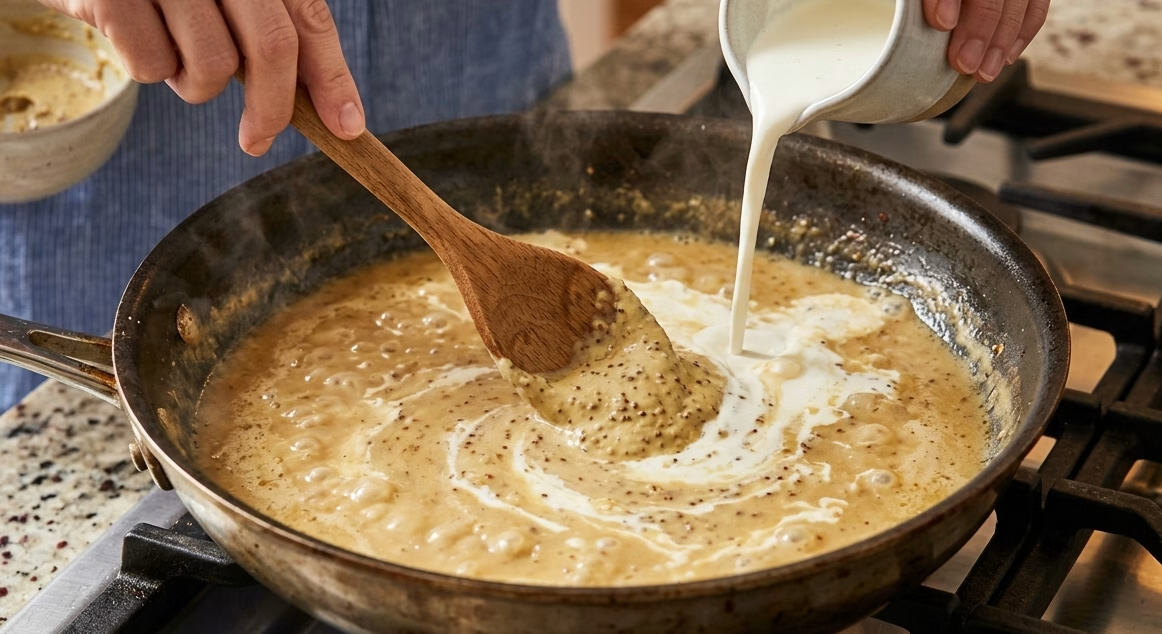
Combine Beans and Sauce
Add the blanched haricot verts to the skillet and toss them in the sauce. Make sure each bean is well coated with the creamy mixture. Allow them to cook together for a few minutes so the flavors fully blend.
Season and Serve
Taste the dish and adjust salt and pepper as needed. Once everything is heated through and well combined, remove from heat and transfer to a serving dish. Serve immediately while warm for the best flavor and texture.
Additional Tips for Making This Recipe Better
After making this dish myself, here are a few tricks that really helped elevate it:
- I always use fresh haricot verts instead of frozen—they stay crisp and taste brighter.
- Don’t overcook the beans; I like mine slightly crisp for better texture.
- I let the sauce simmer gently instead of boiling to avoid curdling the cream.
- Adding a tiny squeeze of lemon at the end made the flavors pop even more.
- I found that using high-quality Dijon mustard makes a noticeable difference in taste.
How to Serve Haricot Verts in Dijon Mustard Cream Sauce Recipe?
This dish pairs beautifully with a variety of main courses. I like serving it alongside roasted chicken, grilled steak, or baked salmon for a balanced meal, and it can complement rich dishes like a spanish chicken in creamy mustard sauce recipe for a complete dining experience.
For presentation, arrange the beans neatly on a platter and drizzle extra sauce over the top. Garnish with fresh herbs like parsley or thyme for a pop of color. It also works well as part of a holiday spread or dinner party menu.

Nutritional Information
Here’s a quick look at the nutritional breakdown per serving:
- Calories: Moderate, depending on cream quantity
- Protein: Low, mainly from beans and broth
- Carbohydrates: Low to moderate
- Fat: Higher due to cream and butter
Make Ahead and Storage
Storing
Store any leftovers in an airtight container in the refrigerator. The dish stays fresh for up to 3 days and maintains its flavor well.
Freezing
While you can freeze it, I personally don’t recommend it because the cream sauce may separate when thawed. Fresh is always best for this recipe.
Reheating
Reheat gently in a skillet over low heat, adding a splash of cream or broth to loosen the sauce. Avoid high heat to prevent the sauce from breaking.
Why You’ll Love This Recipe?
This recipe quickly became one of my favorites, and here’s why I think you’ll enjoy it too:
- It’s quick and easy to make, perfect for busy weeknights or last-minute dinners.
- The creamy Dijon sauce adds a gourmet touch without complicated steps.
- It’s versatile and pairs well with many main dishes.
- You can easily customize it with different ingredients or dietary needs.
- The balance of flavors—creamy, tangy, and fresh—is incredibly satisfying.
This haricot verts in Dijon mustard cream sauce recipe is a simple yet elegant way to elevate your vegetable side dish game. Once you try it, you might find yourself making it again and again just like I did!

Haricot Verts In Dijon Mustard Cream Sauce Recipe
Ingredients
Method
- Start by trimming the ends of the haricot verts and rinsing them well. Bring a pot of salted water to a boil and blanch the beans for a few minutes until they are just tender. Drain and immediately rinse under cold water to stop cooking and preserve their vibrant color.
- In a large skillet, heat butter and olive oil over medium heat. Add the finely chopped shallots and cook until they become soft and translucent. Stir in the minced garlic and cook briefly until fragrant, being careful not to burn it.
- Pour in the chicken broth and let it simmer for a minute to reduce slightly. Add the heavy cream and Dijon mustard, stirring continuously to combine everything into a smooth, creamy sauce. Let it simmer gently until it thickens.
- Add the blanched haricot verts to the skillet and toss them in the sauce. Make sure each bean is well coated with the creamy mixture. Allow them to cook together for a few minutes so the flavors fully blend.
- Taste the dish and adjust salt and pepper as needed. Once everything is heated through and well combined, remove from heat and transfer to a serving dish. Serve immediately while warm for the best flavor and texture.
Notes
- I always use fresh haricot verts instead of frozen—they stay crisp and taste brighter.
- Don’t overcook the beans; I like mine slightly crisp for better texture.
- I let the sauce simmer gently instead of boiling to avoid curdling the cream.
- Adding a tiny squeeze of lemon at the end made the flavors pop even more.
- I found that using high-quality Dijon mustard makes a noticeable difference in taste.