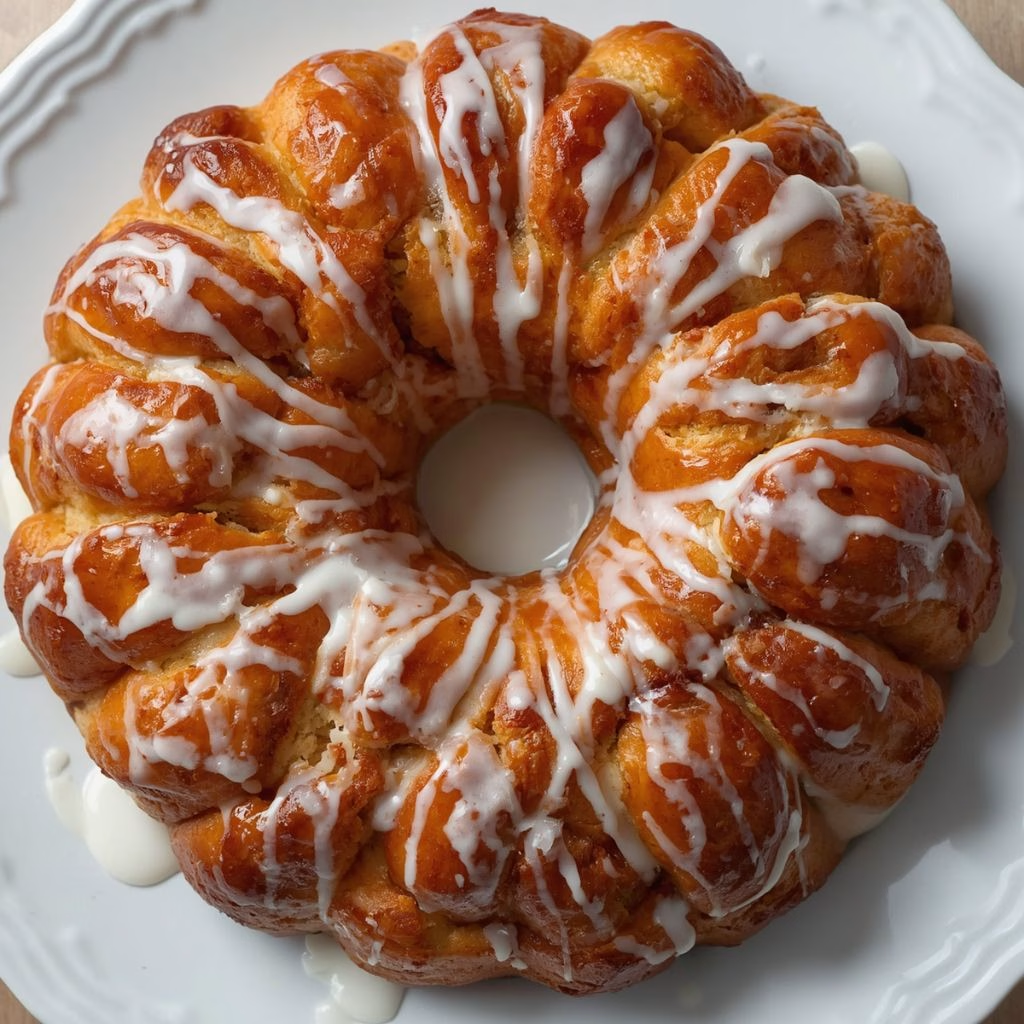
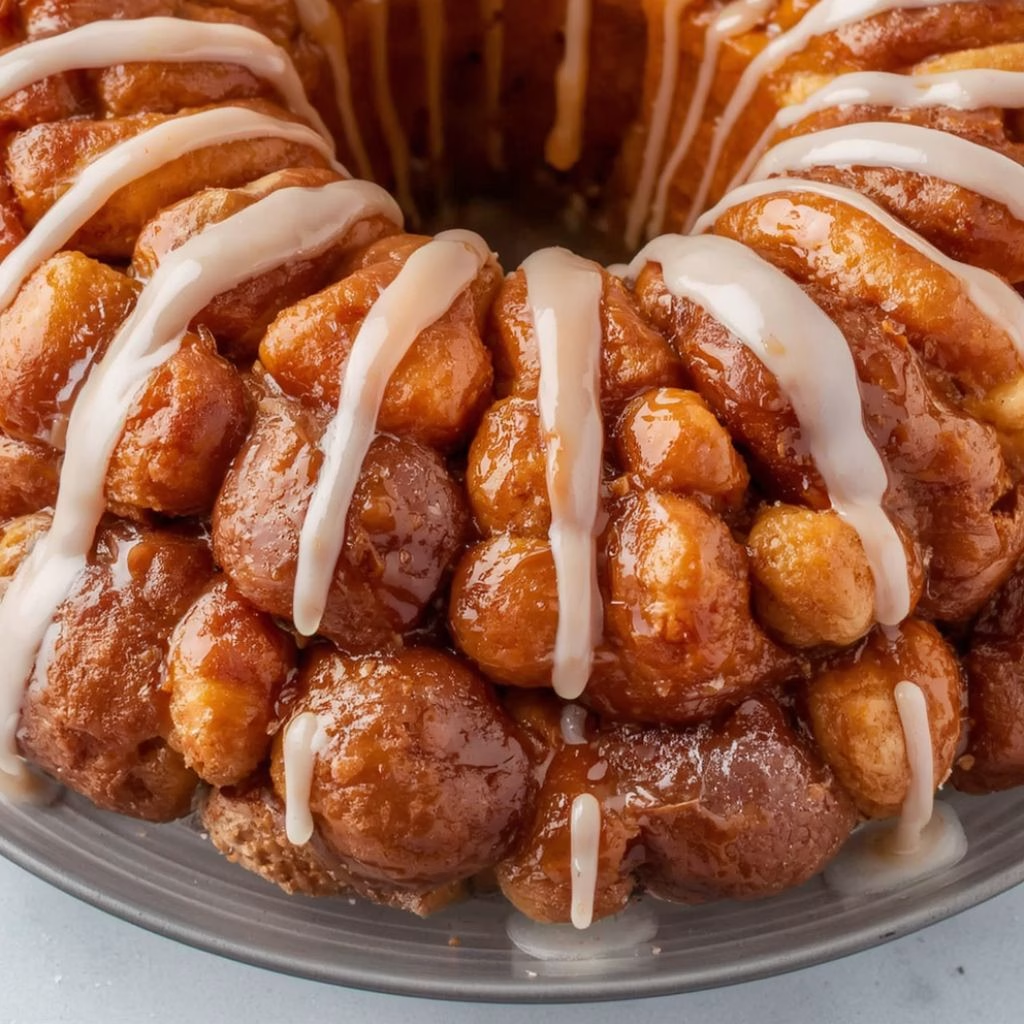
I still remember the first time I pulled a warm, caramel-drenched monkey bread out of the oven for my family. The smell of cinnamon and butter filled my whole kitchen, and everyone came running before I even set it on the table.
Nobody used a knife or a plate we just pulled pieces apart with our fingers, laughing as the gooey caramel stretched between us. That’s when I knew this Homemade Monkey Bread Recipe was going into permanent rotation. I’ve made it dozens of times since, and I’m sharing every trick I’ve picked up along the way.
Ingredients
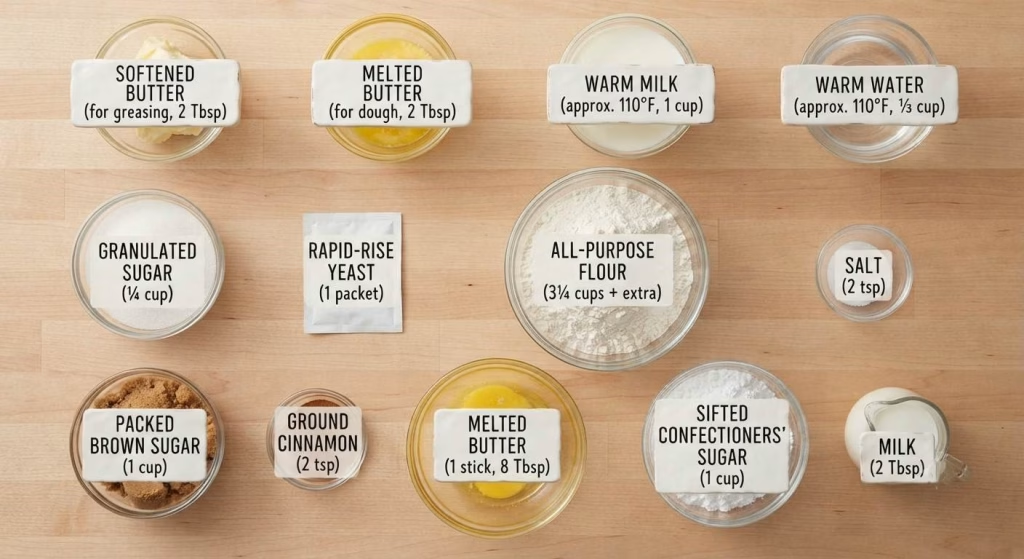
- 4 tablespoons butter, divided (2 tablespoons softened for greasing the pan, 2 tablespoons melted for the dough) — softened butter greases every groove of the pan so the bread releases cleanly.
- 1 cup warm milk, about 110°F — warm milk activates the yeast without killing it, so don’t let it get too hot.
- ⅓ cup warm water, about 110°F — helps dissolve the yeast evenly before it mixes into the dough.
- ¼ cup granulated sugar — feeds the yeast and adds a touch of sweetness to the dough itself.
- 1 packet rapid-rise or instant yeast — gives the dough a quicker, more reliable rise than active dry yeast.
- 3¼ cups all-purpose flour, plus extra for dusting — fresh, properly measured flour keeps the dough soft instead of dense.
- 2 teaspoons salt — balances the sweetness and strengthens the dough’s structure.
- 1 cup packed brown sugar — melts into that classic sticky caramel coating.
- 2 teaspoons ground cinnamon — use fresh, fragrant cinnamon for the best flavor punch.
- 8 tablespoons butter (1 stick), melted, for coating the dough balls.
- 1 cup confectioners’ sugar, sifted, for the optional glaze.
- 2 tablespoons milk, for the optional glaze.
Note: These ingredient amounts make enough monkey bread for 8 servings, so feel free to double everything if you’re feeding a bigger crowd or want extra for leftovers.
Variations
- Swap the whole milk for almond or oat milk to make this dairy-free, and use a plant-based butter alternative throughout.
- Cut the sugar in the coating by a third and add a splash of vanilla extract if you want a lighter, less-sweet version.
- Fold in a handful of chopped pecans or walnuts between the dough ball layers for extra crunch.
- Add a tablespoon of orange zest to the dough for a citrusy twist that pairs beautifully with the cinnamon.
- Drizzle melted chocolate instead of the powdered sugar glaze for a dessert-like finish, especially if you enjoy colorful dessert presentations like Best Glitter Drinks.
- Mix in a pinch of nutmeg or cardamom with the cinnamon for a warmer, spiced flavor profile.
Cooking Time
- Prep Time: 30 minutes
- Rising Time: 2 hours
- Cook Time: 35 minutes
- Total Time: 3 hours 5 minutes
Equipment You Need
- Bundt or tube pan with a solid bottom — prevents caramel from leaking into your oven.
- A stand mixer with a dough hook — makes kneading faster and easier on your arms.
- Large mixing bowls — one for rising dough, one for the cinnamon-sugar coating.
- Oven thermometer — helps you keep the proofing temperature accurate.
- Cooling rack — lets the bread rest before you flip it out.
- Whisk — for blending the smooth glaze.
How to Make a Monkey Bread Recipe?
Making monkey bread from scratch isn’t complicated, but it does take patience since the dough needs time to rise twice. I promise the process is simple once you break it into stages. Here’s exactly how I do it every time.
Prepare the Dough
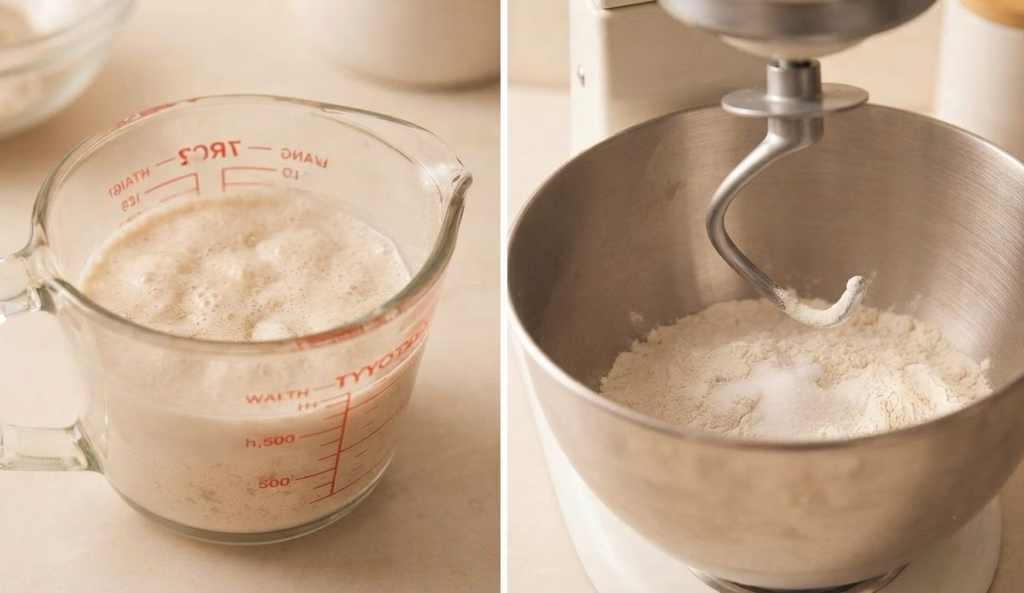
Warm your milk, water, and melted butter together, then stir in the sugar and yeast so it can activate. Combine the flour and salt in your mixer bowl, then slowly pour in the wet mixture while the dough hook runs on low speed. Increase to medium speed and knead for about six to seven minutes until the dough turns smooth and elastic.
Let the Dough Rise
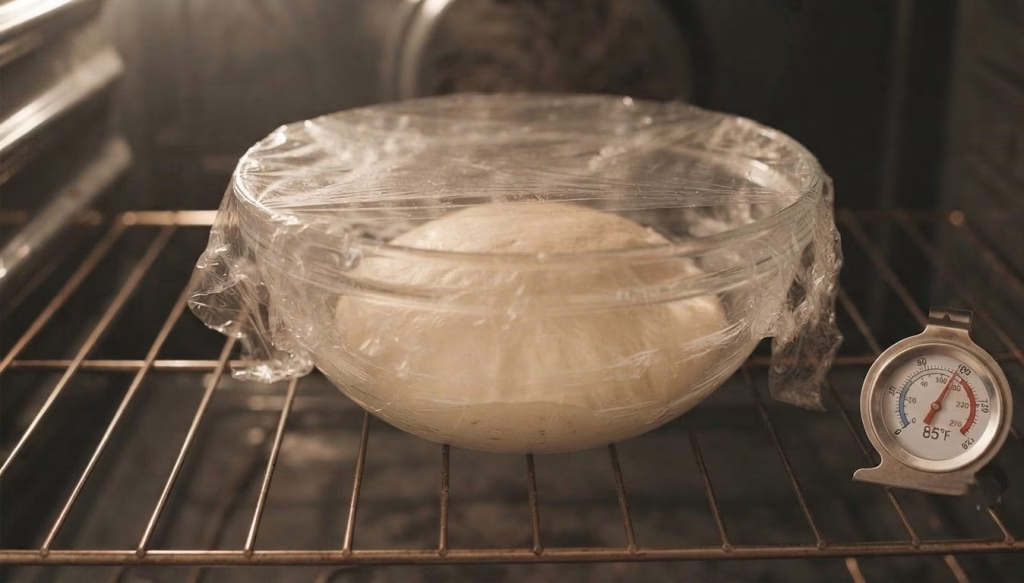
Transfer the dough to a greased bowl and cover it loosely with plastic wrap. Place it in a slightly warm oven, around 85°F, and let it rise until doubled in size, which usually takes about an hour. This first rise builds the soft, fluffy texture you want in the final bread.
Make the Cinnamon Coating
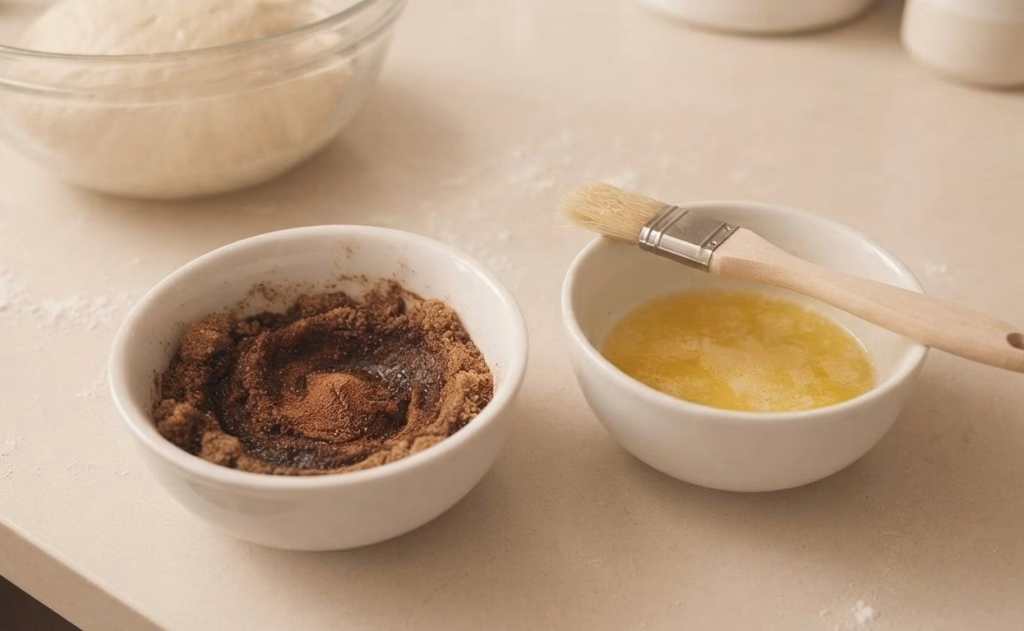
While the dough rises, stir the brown sugar and cinnamon together in one bowl and melt the remaining butter in another. Keep both within reach near your workstation. This coating is what turns simple dough balls into that sticky, irresistible monkey bread everyone loves.
Shape the Dough Balls
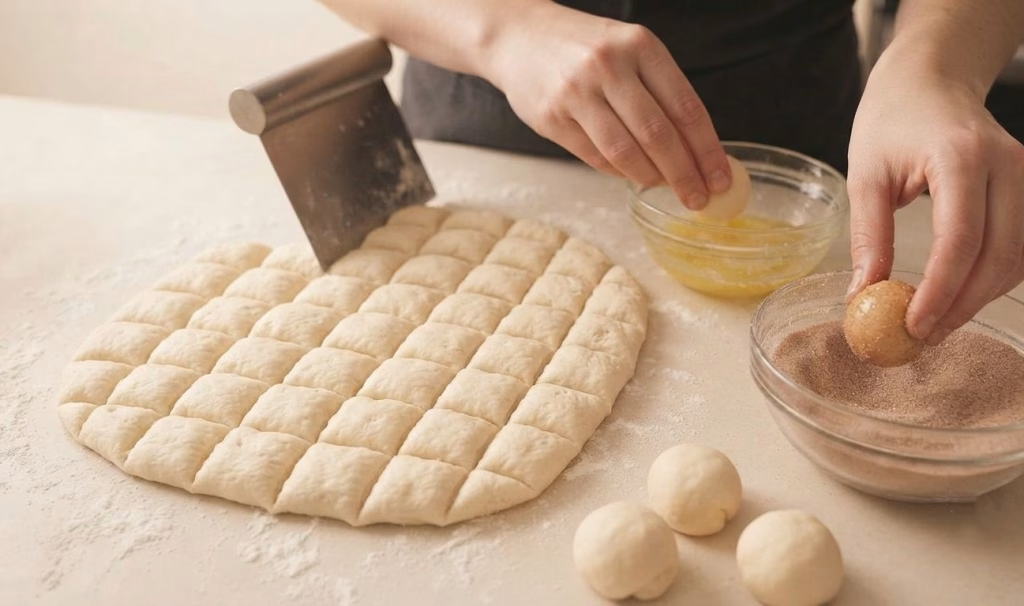
Pat the risen dough into an eight-inch square, then cut it into sixty-four small, even pieces. Roll each piece into a ball, dunk it in the melted butter, then roll it through the cinnamon-sugar mixture until fully coated.
Layer and Second Rise
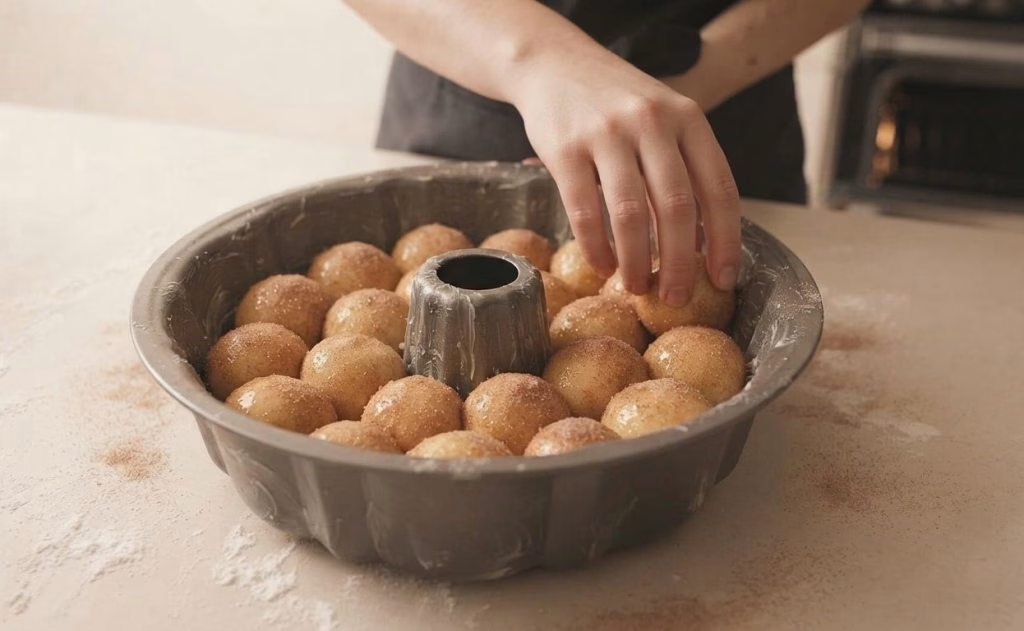
Arrange the coated dough balls in your greased Bundt pan, staggering the second layer over the seams of the first for a more even bake. Cover loosely and let the pan rise again in a warm spot for about an hour, until the dough peeks above the rim.
Bake to Golden Perfection
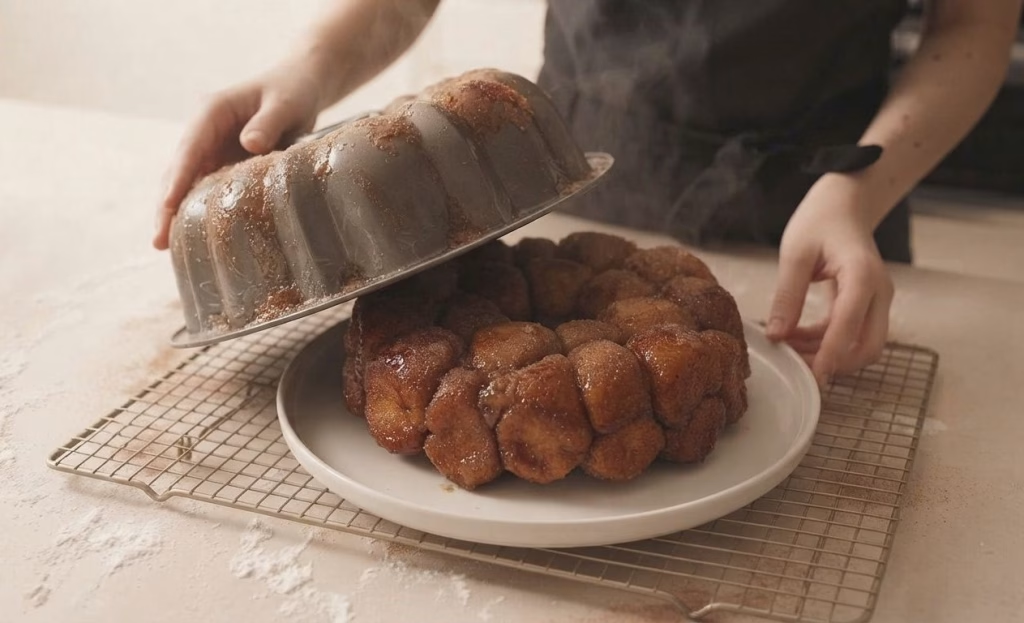
Preheat your oven to 350°F and bake the monkey bread for thirty to thirty-five minutes, until the top turns a deep golden brown. Let it rest in the pan for five minutes before flipping it onto a serving plate so the caramel has time to set slightly.
Add the Glaze
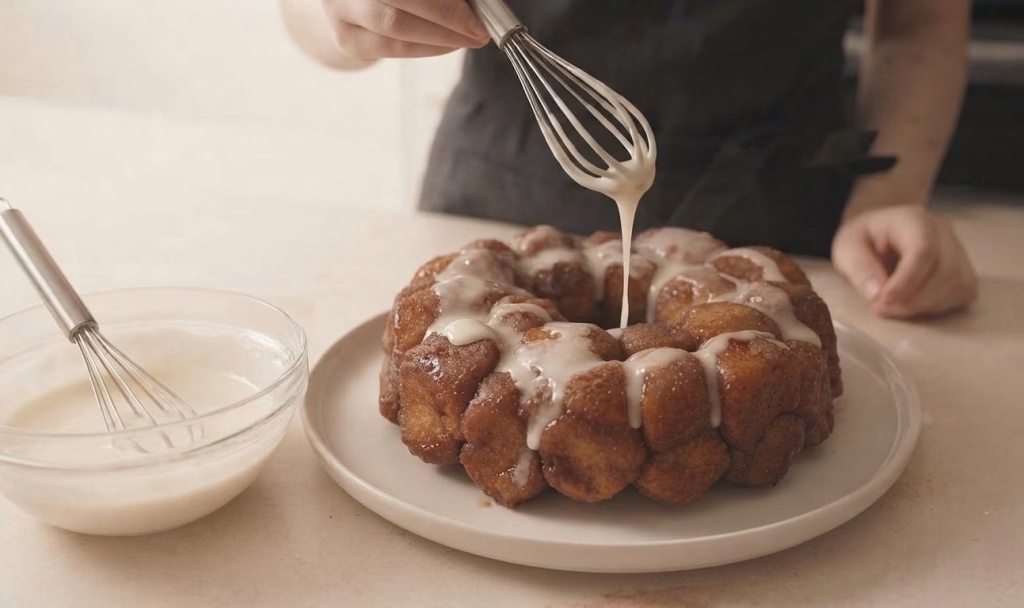
Whisk the confectioners’ sugar and milk together until smooth and pourable. Drizzle this glaze generously over the warm bread right before serving so it melts slightly into every crevice.
Additional Tips for Making This Recipe Better
I’ve made this recipe enough times to have picked up a few tricks that genuinely make a difference.
- I always use a one-piece Bundt pan since a removable-bottom pan can leak caramel straight into my oven — trust me, it’s a mess I don’t want to repeat.
- I like to check my dough’s rise with an oven thermometer, since ovens vary and forcing a faster rise with too much heat hurts the texture.
- I make sure my liquids never go above 120°F, or I risk killing the yeast before it even gets started.
- I cut my dough into evenly sized pieces so every ball bakes at the same rate and nothing turns out gummy or dry.
- I let the bread cool for a few minutes before flipping it, which keeps the caramel from sliding straight off the top.
How to Serve Monkey Bread Recipe?
I love serving monkey bread while it’s still warm, right in the Bundt pan shape on a large white platter so the caramel glaze pools around the base. A light dusting of extra cinnamon or a few extra drizzles of glaze right before guests arrive makes it look bakery-fresh.
Pair it with a hot cup of coffee or fresh fruit on the side for a full brunch spread, and set out small plates so everyone can pull off pieces without any mess. It also fits perfectly into cozy family gatherings inspired by TikTok Dinner Ideas.
Nutritional Information
Here’s a general breakdown per serving, based on eight servings from this recipe.
- Calories: approximately 520 per serving
- Protein: approximately 7 grams per serving
- Carbohydrates: approximately 84 grams per serving
- Fat: approximately 18 grams per serving
Make Ahead and Storage
Make Ahead: You can prepare the dough the night before and let it complete its first rise in the refrigerator overnight. Just bring it to room temperature before shaping and continuing with the recipe the next morning.
Storage: Keep leftover monkey bread covered at room temperature for up to two days, or refrigerate it for up to five days in an airtight container. The caramel coating helps keep it moist longer than a plain bread would stay fresh.
Freezing and Reheating: Wrap cooled monkey bread tightly in plastic and foil, then freeze for up to two months. Reheat individual pieces in the microwave for twenty to thirty seconds, or warm the whole loaf in a 300°F oven until heated through.
Why You’ll Love This Recipe?
This monkey bread has earned a permanent spot in my recipe box, and here’s why it might do the same for you.
- It’s genuinely fun to eat since everyone pulls their own piece straight from the pan, making it a great conversation starter at any brunch table.
- The homemade caramel coating tastes far richer than any shortcut version made with canned dough or pudding mix.
- It’s easy to customize with nuts, citrus zest, or a chocolate drizzle depending on what you’re craving that day.
- It works for both casual family breakfasts and special occasion brunches, since it always looks impressive despite being simple to make.
- The dough can be prepped the night before, which makes morning-of assembly quick and stress-free for busy weekends.

Homemade Monkey Bread Recipe
Ingredients
Method
- Warm your milk, water, and melted butter together, then stir in the sugar and yeast so it can activate. Combine the flour and salt in your mixer bowl, then slowly pour in the wet mixture while the dough hook runs on low speed. Increase to medium speed and knead for about six to seven minutes until the dough turns smooth and elastic.
- Transfer the dough to a greased bowl and cover it loosely with plastic wrap. Place it in a slightly warm oven, around 85°F, and let it rise until doubled in size, which usually takes about an hour. This first rise builds the soft, fluffy texture you want in the final bread.
- While the dough rises, stir the brown sugar and cinnamon together in one bowl and melt the remaining butter in another. Keep both within reach near your workstation. This coating is what turns simple dough balls into that sticky, irresistible monkey bread everyone loves.
- Pat the risen dough into an eight-inch square, then cut it into sixty-four small, even pieces. Roll each piece into a ball, dunk it in the melted butter, then roll it through the cinnamon-sugar mixture until fully coated.
- Arrange the coated dough balls in your greased Bundt pan, staggering the second layer over the seams of the first for a more even bake. Cover loosely and let the pan rise again in a warm spot for about an hour, until the dough peeks above the rim.
- Preheat your oven to 350°F and bake the monkey bread for thirty to thirty-five minutes, until the top turns a deep golden brown. Let it rest in the pan for five minutes before flipping it onto a serving plate so the caramel has time to set slightly.
- Whisk the confectioners’ sugar and milk together until smooth and pourable. Drizzle this glaze generously over the warm bread right before serving so it melts slightly into every crevice.
Notes
- I always use a one-piece Bundt pan since a removable-bottom pan can leak caramel straight into my oven. Trust me, it’s a mess I don’t want to repeat.
- I like to check my dough’s rise with an oven thermometer, since ovens vary and forcing a faster rise with too much heat hurts the texture.
- I make sure my liquids never go above 120°F, or I risk killing the yeast before it even gets started.
- I cut my dough into evenly sized pieces so every ball bakes at the same rate and nothing turns out gummy or dry.
- I let the bread cool for a few minutes before flipping it, which keeps the caramel from sliding straight off the top.