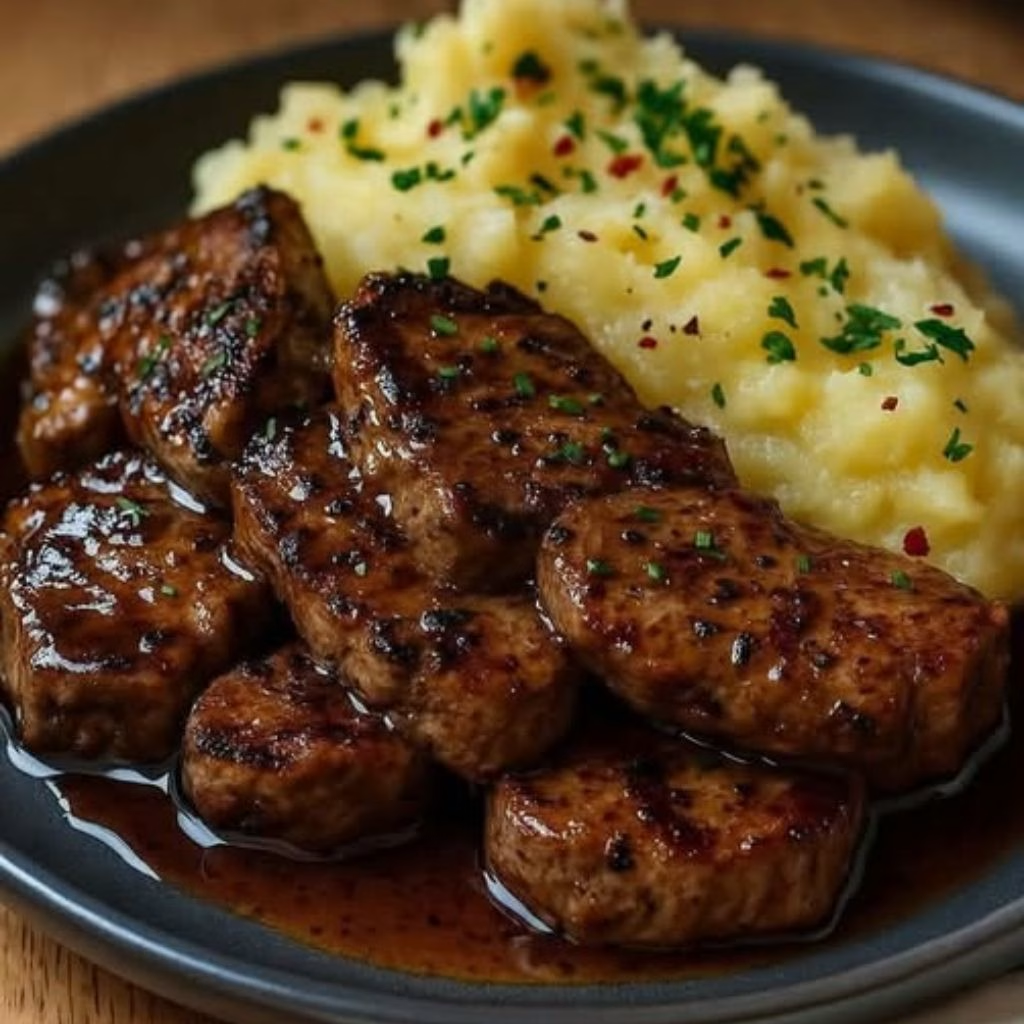
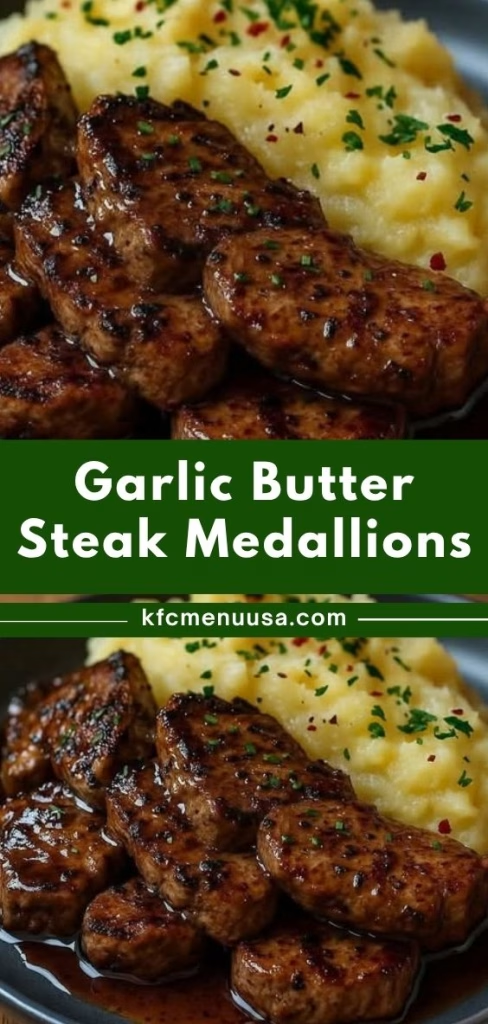
I made this dish on a random Tuesday night when I wanted something that felt fancy without the fuss, and it completely changed my weeknight dinner game. The steak medallions come out so tender and juicy, swimming in a garlicky, herby butter sauce that I could honestly drink with a spoon.
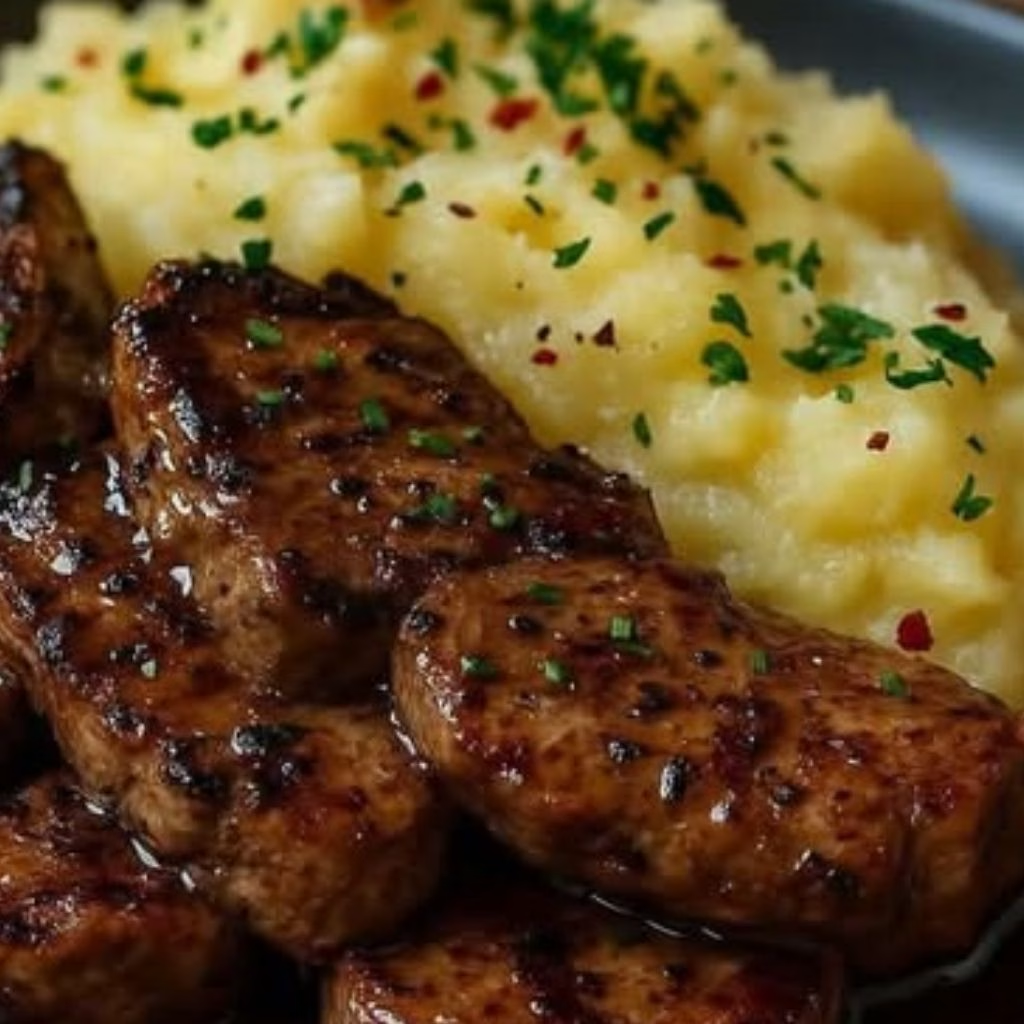
Underneath, the mashed potatoes soak up every drop of that butter, turning into the creamiest side dish I’ve ever made. It only takes about 35 minutes from start to finish, but it tastes like something I’d order at a steakhouse. Once you try this combo, I promise it’s going into your regular rotation too.
Ingredients
Here’s everything I use to make this recipe taste like a restaurant meal, plus a few notes on why each item matters.
- beef tenderloin or sirloin, cut into 1.5-inch medallions – 1.5 lbs (choose a cut with good marbling for the juiciest bites)
- salt – 1 tsp (season generously; steak needs more salt than you think)
- black pepper, freshly ground – ½ tsp (pre-ground pepper loses its punch fast, so grind it fresh if you can)
- olive oil – 2 tbsp (for searing; it handles high heat better than butter alone)
- unsalted butter, divided – 6 tbsp (unsalted lets you control the seasoning yourself)
- garlic cloves, minced – 4 (fresh garlic gives a rounder flavor than the jarred stuff)
- fresh thyme sprigs – 2 (dried thyme works in a pinch, but fresh smells so much better)
- fresh rosemary sprig – 1 (this is what makes the butter taste steakhouse-worthy)
- fresh parsley, chopped – 2 tbsp (adds a pop of color and freshness at the end)
- russet potatoes, peeled and cubed – 2 lbs (starchy potatoes mash up fluffier than waxy ones)
- whole milk, warmed – ½ cup (warming it first keeps the potatoes from turning gluey)
- unsalted butter, for the potatoes – 4 tbsp (don’t skimp here, this is where the creaminess comes from)
- sour cream – 2 tbsp (optional, but it adds a nice tang that balances the richness)
- salt and pepper, for the potatoes – to taste
Note: These measurements comfortably serve 4 people, so if you’re cooking for a smaller crowd, feel free to halve everything and it will still turn out just as creamy and flavorful.
Variations
I like switching this recipe up depending on what I’m craving or who I’m cooking for.
- Dairy-free option: swap the butter for a plant-based butter and use unsweetened oat milk instead of regular milk in the potatoes.
- Extra garlicky: add two more garlic cloves to the butter sauce if you’re a true garlic lover like me.
- Spicy kick: stir a pinch of red pepper flakes into the butter while it melts for a subtle heat.
- Cheesy mash: fold in ½ cup of grated parmesan or sharp cheddar for a richer potato side.
- Herb swap: rosemary and thyme are my go-to, but sage or oregano work beautifully too.
- Lighter version: use chicken or vegetable broth instead of half the butter for a slightly leaner sauce. If you’re planning a complete dinner spread, a Mediterranean Platter Feast also pairs nicely with a variety of side dishes and fresh flavors.
Cooking Time
Here’s how long this whole meal takes me from prepping to plating.
- Prep Time: 10 minutes
- Cooking Time: 25 minutes
- Total Time: 35 minutes
Equipment You Need
I use just a few basic tools to pull this whole dinner together.
- cast-iron skillet – gives the steak medallions the best golden sear
- meat thermometer – helps me hit the perfect doneness every time
- large pot – for boiling the potatoes until fork-tender
- potato masher or ricer – for smooth, lump-free mashed potatoes
- tongs – for flipping the steak without piercing it and losing juices
- small saucepan – for warming the milk before adding it to the potatoes
How to Make Garlic Butter Steak Medallions with Creamy Mashed Potatoes?
This recipe comes together in three easy stages: boiling and mashing the potatoes, searing the steak, and finishing everything in a rich garlic butter sauce. I like to start my potatoes first since they take the longest, then move on to the steak while they simmer. Follow these steps and you’ll have a steakhouse-style dinner on the table in well under an hour.
Boil the Potatoes
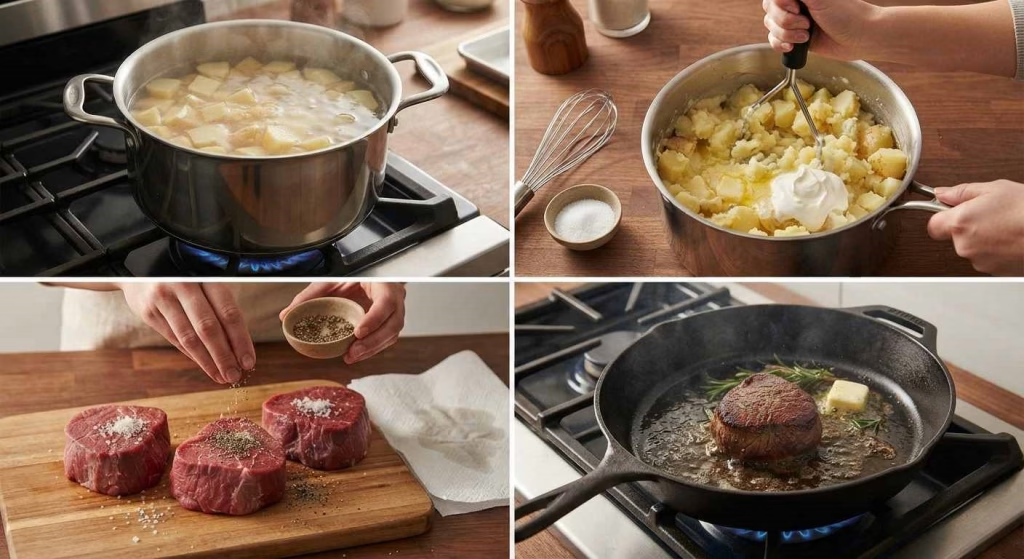
I start by placing my cubed potatoes into a large pot and covering them with cold, salted water. Bringing the water to a boil first before lowering the heat helps the potatoes cook evenly all the way through. I let them simmer for about 15 minutes, until a fork slides in with almost no resistance.
Mash the Potatoes
Once they’re tender, I drain the potatoes well and return them to the warm pot to let excess moisture evaporate. I add the warmed milk, butter, and sour cream, then mash everything until it’s smooth and creamy. A final taste test with salt and pepper makes sure the seasoning is just right before I set them aside.
Season the Steak
While the potatoes simmer, I pat my steak medallions completely dry with paper towels, since moisture prevents a good sear. I season both sides generously with salt and freshly ground pepper. Letting the meat sit at room temperature for a few minutes helps it cook more evenly once it hits the pan.
Sear the Medallions
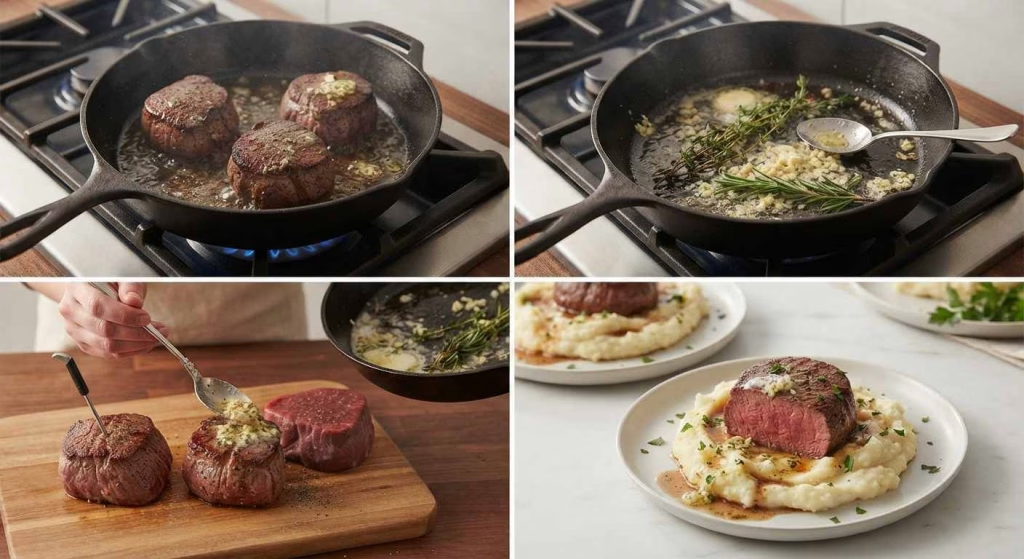
I heat olive oil in a cast-iron skillet over high heat until it’s shimmering and almost smoking. The medallions go in without crowding the pan, searing for about 3 minutes per side for a beautiful golden crust. I check the internal temperature with a meat thermometer to hit my preferred doneness before removing the steak to rest.
Make the Garlic Butter Sauce
In the same hot skillet, I lower the heat and add the remaining butter along with the minced garlic, thyme, and rosemary. The residual heat toasts the garlic just enough to release its aroma without burning it, which takes under a minute. I spoon this fragrant butter over the resting steak so it soaks in every bit of flavor.
Plate and Serve
I spread a generous bed of the creamy mashed potatoes onto each plate as the base. The rested steak medallions go right on top, drizzled with extra garlic butter from the pan.
A sprinkle of fresh chopped parsley finishes the dish with color and a burst of freshness. For dessert, a light Coconut Raffaello Chia Pudding Recipe makes a refreshing finish after this rich and savory meal.
Additional Tips for Making This Recipe Better
After making this a handful of times, here are the little things I’ve learned that make a real difference.
- I always let my steak rest for at least 5 minutes after searing, because cutting into it too soon lets all the juices run out onto the plate instead of staying in the meat.
- I’ve found that patting the steak bone-dry before seasoning gives a much deeper, crustier sear than skipping that step.
- I like to baste the steak with the garlic butter using a spoon right in the pan for an extra layer of flavor before it even hits the plate.
- I never boil my potatoes too vigorously, since a gentle simmer keeps them from breaking apart and getting waterlogged.
- I warm my milk before adding it to the potatoes because cold milk can make the mash gluey instead of silky.
How to Serve Garlic Butter Steak Medallions with Creamy Mashed Potatoes?
I love serving this dish family-style so everyone can see that golden garlic butter pooling over the top.
- Plate the mashed potatoes first, then place the steak medallions slightly overlapping on top for a restaurant-style presentation.
- Drizzle any leftover garlic butter from the skillet generously over both the steak and potatoes right before serving.
- Garnish with a sprinkle of fresh parsley and a few cracks of black pepper for color and aroma.
- Add a side of roasted asparagus or sautéed green beans to round out the plate with some green freshness.
- For a date-night touch, serve with a glass of red wine and a few edible flowers scattered on the plate.
Nutritional Information
Here’s a general idea of what one serving of this dish looks like nutritionally.
- Calories: approximately 520 kcal
- Protein: approximately 34g
- Carbohydrates: approximately 32g
- Fat: approximately 28g
Make Ahead and Storage
This recipe holds up well if you want to prep parts of it ahead of time or save leftovers for later.
Make Ahead: I often peel and cube my potatoes the night before and store them submerged in cold water in the fridge so they don’t brown. The steak can also be seasoned a few hours ahead of time and kept covered in the refrigerator until I’m ready to sear it.
Storage: Leftovers keep well in an airtight container in the fridge for up to 3 days. I store the steak and mashed potatoes separately so the potatoes don’t get soggy from the sauce.
Freezing: I don’t recommend freezing the mashed potatoes since the texture turns grainy once thawed. The cooked steak medallions, however, freeze fine for up to 2 months if wrapped tightly.
Reheating: I reheat the steak gently in a skillet over low heat with a splash of butter to keep it juicy instead of using the microwave. The mashed potatoes reheat well on the stovetop with a little extra milk stirred in to bring back their creamy texture.
Why You’ll Love This Recipe
There are so many reasons this dish has become one of my favorites to make when I want something special.
- It’s quick enough for a weeknight: the whole meal comes together in about 35 minutes, which is faster than most takeout orders.
- It feels fancy without the fuss: this tastes like something from a steakhouse menu, but it only uses one skillet and one pot.
- It’s easy to customize: swap the herbs, add cheese to the potatoes, or make it dairy-free depending on what you’re in the mood for.
- It’s naturally gluten-free: there’s no flour or breading involved, so it fits easily into a gluten-free diet.
- It’s perfect for any occasion: I’ve made this for casual weeknight dinners and for impressing guests, and it works beautifully either way.

Garlic Butter Steak Medallions with Creamy Mashed Potatoes
Ingredients
Method
- I start by placing my cubed potatoes into a large pot and covering them with cold, salted water. Bringing the water to a boil first before lowering the heat helps the potatoes cook evenly all the way through. I let them simmer for about 15 minutes, until a fork slides in with almost no resistance.
- Once they’re tender, I drain the potatoes well and return them to the warm pot to let excess moisture evaporate. I add the warmed milk, butter, and sour cream, then mash everything until it’s smooth and creamy. A final taste test with salt and pepper makes sure the seasoning is just right before I set them aside.
- While the potatoes simmer, I pat my steak medallions completely dry with paper towels, since moisture prevents a good sear. I season both sides generously with salt and freshly ground pepper. Letting the meat sit at room temperature for a few minutes helps it cook more evenly once it hits the pan.
- I heat olive oil in a cast-iron skillet over high heat until it’s shimmering and almost smoking. The medallions go in without crowding the pan, searing for about 3 minutes per side for a beautiful golden crust. I check the internal temperature with a meat thermometer to hit my preferred doneness before removing the steak to rest.
- In the same hot skillet, I lower the heat and add the remaining butter along with the minced garlic, thyme, and rosemary. The residual heat toasts the garlic just enough to release its aroma without burning it, which takes under a minute. I spoon this fragrant butter over the resting steak so it soaks in every bit of flavor.
- I spread a generous bed of the creamy mashed potatoes onto each plate as the base. The rested steak medallions go right on top, drizzled with extra garlic butter from the pan. A sprinkle of fresh chopped parsley finishes the dish with color and a burst of freshness.
Notes
- I always let my steak rest for at least 5 minutes after searing, because cutting into it too soon lets all the juices run out onto the plate instead of staying in the meat.
- I’ve found that patting the steak bone-dry before seasoning gives a much deeper, crustier sear than skipping that step.
- I like to baste the steak with the garlic butter using a spoon right in the pan for an extra layer of flavor before it even hits the plate.
- I never boil my potatoes too vigorously, since a gentle simmer keeps them from breaking apart and getting waterlogged.
- I warm my milk before adding it to the potatoes because cold milk can make the mash gluey instead of silky