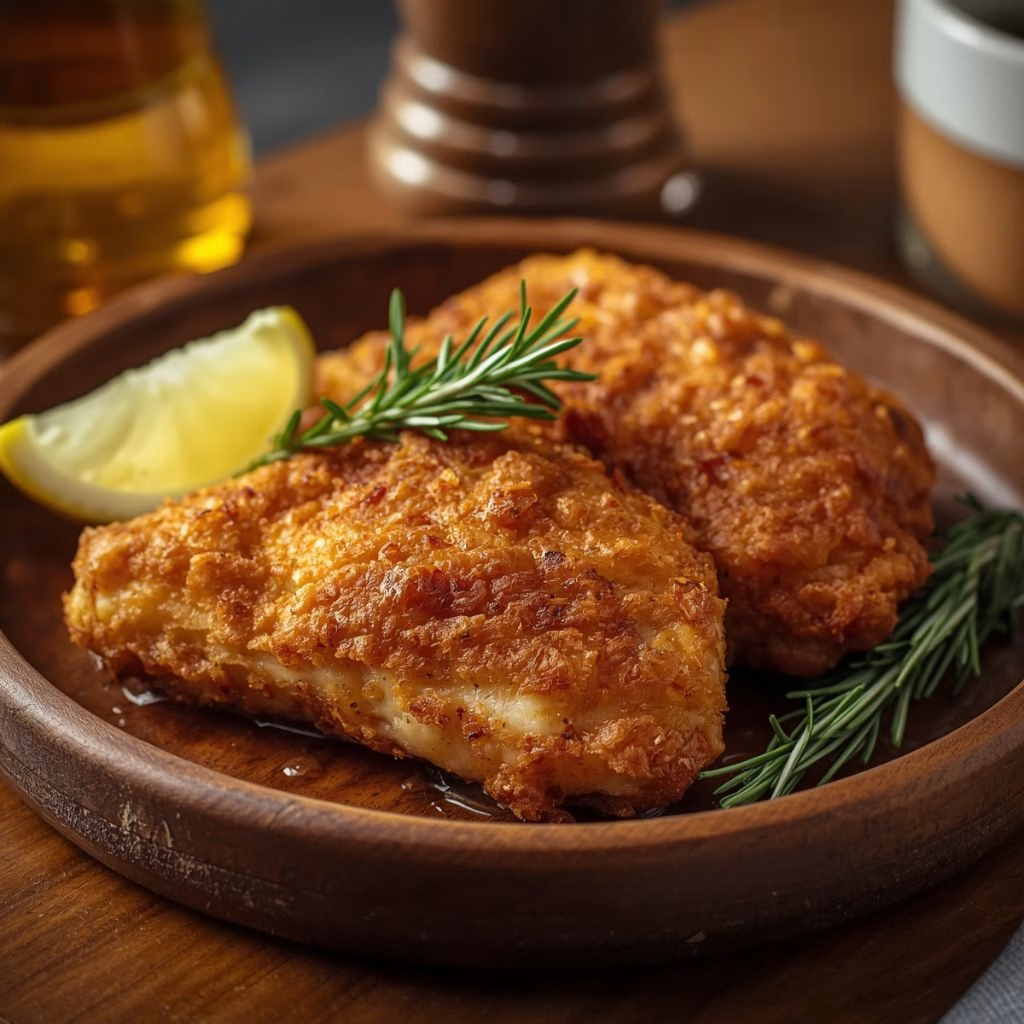
I still remember the first time I let chicken breasts soak overnight in a buttermilk bath. The difference in juiciness blew me away. Ever since then, this has become my weekend comfort-food staple whenever I want something crunchy on the outside and tender on the inside.
I love how a handful of pantry spices can turn plain flour into something so flavorful. Whether I’m stacking it into a sandwich or serving it beside mashed potatoes and gravy, this recipe never lets me down. Today I’m sharing exactly how I make it at home, step by step.
Cooking Time
- Prep Time: 1 hour 15 minutes (includes marinating)
- Cook Time: 15-20 minutes
- Total Time: 1 hour 30 minutes
Equipment You’ll Need
- Large mixing bowl – for whisking the buttermilk marinade
- Shallow dish or bowl – for mixing the seasoned flour coating
- Large heavy-bottomed pot or Dutch oven – for deep frying the chicken evenly
- Deep-fry thermometer – to keep the oil at a steady 350°F
- Instant-read kitchen thermometer – to confirm the chicken hits a safe internal temperature
- Wire rack and paper towels – to drain excess oil after frying
- Tongs – for safely flipping chicken in hot oil
Ingredients
- 1.5 lbs boneless, skinless chicken breasts – the star of the dish, pounded evenly for consistent cooking
- 1 cup buttermilk – tenderizes the meat and adds a subtle tang
- 1 large egg – helps the marinade cling and adds richness
- 1 tablespoon hot sauce – builds a gentle background heat, adjust to taste
- 3 teaspoons salt (for marinade) – seasons the chicken from the inside out
- 1 cup all-purpose flour – forms the crispy outer shell
- 3 teaspoons salt (for flour) – balances flavor in the coating
- 1/2 teaspoon celery salt – adds a savory, slightly herbal note
- 2 teaspoons granulated garlic – gives the coating a deep, savory backbone
- 2 teaspoons paprika powder – adds color and a mild smoky sweetness
- 1 teaspoon ground white pepper – milder and earthier than black pepper, keeps the coating light-colored
- Oil for frying (I use a high smoke-point oil) – choose one that can handle high heat without burning
- Fresh parsley for garnish – adds a fresh, colorful finishing touch
Note: This recipe serves 4 people.
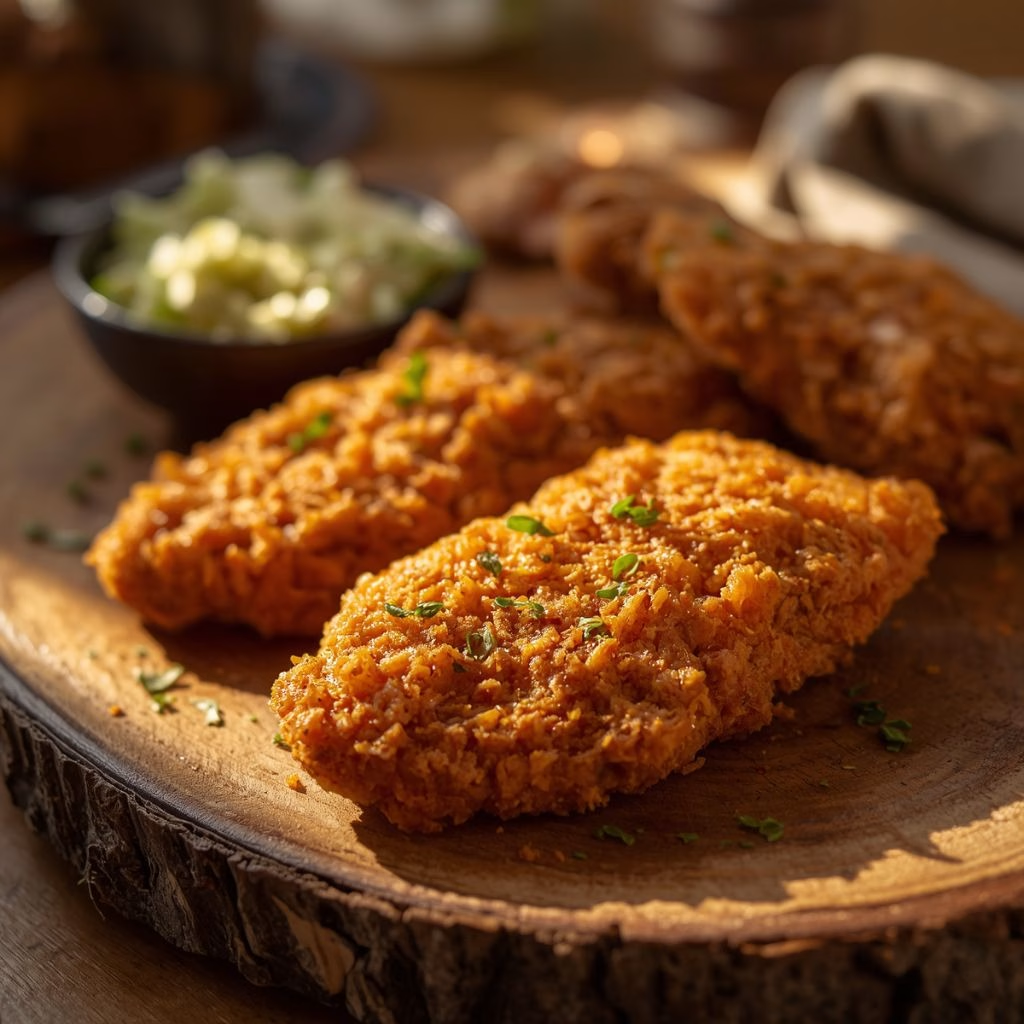
How to Make Buttermilk Fried Chicken Breast Recipe?
Making this at home is simpler than it looks, and most of the work happens while the chicken just sits in the fridge. Below I’ve broken the process into easy stages so nothing feels overwhelming. Follow along and you’ll have golden, crunchy chicken ready in no time.
Whisk Up the Buttermilk Marinade
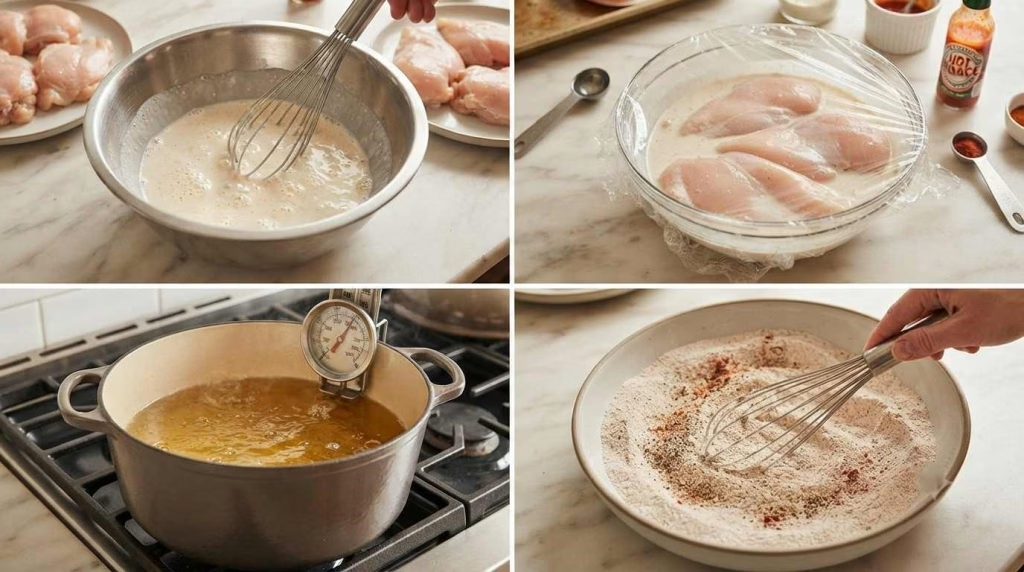
Grab a large bowl and whisk together the buttermilk, egg, salt, and hot sauce until fully combined. This mixture is what makes the chicken tender and flavorful all the way through. Make sure the egg is fully incorporated so the marinade coats evenly.
Let the Chicken Soak
Place the chicken breasts into the marinade, making sure each piece is fully submerged. Cover the bowl and refrigerate for at least one hour, though I often let mine sit longer. This resting time is what gives the chicken its signature juicy texture.
Heat the Oil
While the chicken marinates, pour at least two inches of oil into a large, heavy pot. Heat it to exactly 350°F using a deep-fry thermometer to check. Getting this temperature right is key so the outside doesn’t burn before the inside cooks through.
Mix the Seasoned Flour
In a separate bowl, whisk together the flour, salt, white pepper, celery salt, granulated garlic, and paprika. This blend is what gives the crust its bold, savory flavor. Stir it well so every spice is evenly distributed throughout the flour.
Coat the Chicken
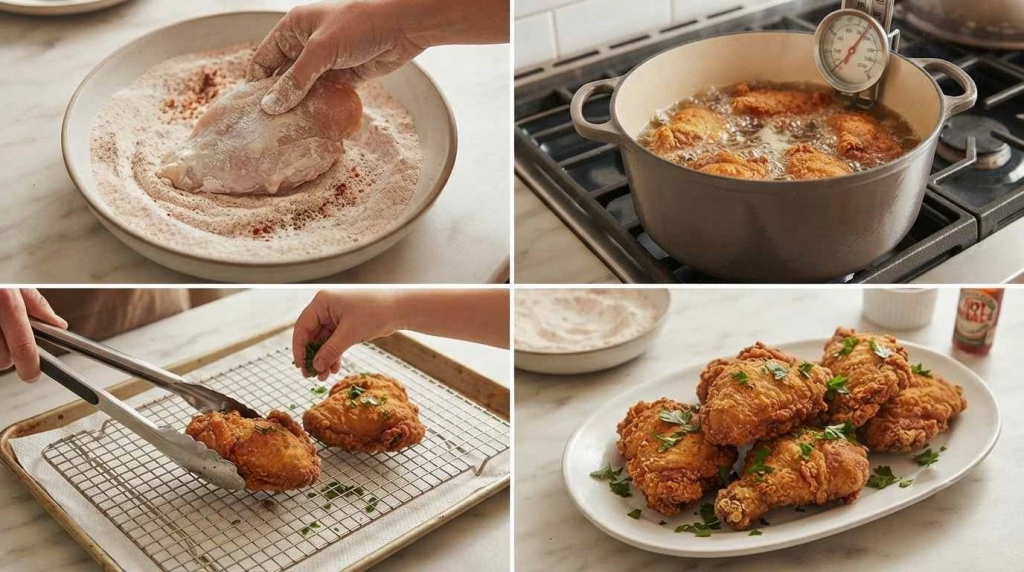
Lift each chicken breast out of the buttermilk, letting the excess drip off before pressing it into the seasoned flour. Coat every side thoroughly, pressing gently so the flour sticks well. A good, even coating is what creates that satisfying crunch.
Fry Until Golden
Carefully lower the coated chicken into the hot oil, frying for 15-20 minutes and flipping occasionally. I never crowd the pot, frying just two pieces at a time so the oil stays hot. Check that the internal temperature reaches at least 165°F before removing.
Drain and Garnish
Transfer the fried chicken to a wire rack or plate lined with paper towels to soak up extra oil. Blotting it this way keeps the crust crisp instead of soggy. Finish with a sprinkle of fresh parsley before serving. Slow Cooker Thai Peanut Chicken Recipe is another flavorful chicken dinner I enjoy making when I’m in the mood for something rich and comforting.
Additional Tips for Making This Recipe Better
I’ve made this dish more times than I can count, and here’s what actually makes a difference for me:
- I never skip the deep-fry thermometer — guessing the oil temperature almost always ends in either soggy or burnt chicken for me.
- I like marinating my chicken overnight when I have the time; it makes the inside noticeably more tender.
- I always blot my fried chicken with paper towels right after frying, which keeps the coating extra crispy.
- I press the flour onto the chicken firmly instead of just dredging it, since that gives me a thicker, crunchier crust.
- I keep my oil topped up between batches so the temperature doesn’t drop too much from one fry to the next.
Common Mistakes to Avoid
- I’ve crowded the pot before, and it dropped the oil temperature fast, leaving me with greasy, undercooked chicken I now fry just two pieces at a time.
- I used to skip checking the internal temperature, but eyeballing doneness led to dry or undercooked centers for me, so now I always use a thermometer.
- I once rushed the marinating step and the chicken turned out noticeably less juicy, so I try to give it the full hour minimum.
- I’ve let my oil get too hot in the past, which burned the coating before the chicken cooked through I keep it steady around 350°F.
- I forgot to let excess marinade drip off before coating once, and the flour clumped up instead of forming a crisp crust.
How to Serve Buttermilk Fried Chicken Breast?
I love serving this chicken sliced on a warm brioche bun with pickles and a drizzle of spicy mayo for an easy sandwich night. For a more classic dinner, I plate it whole alongside creamy mashed potatoes and a ladle of gravy, with a sprinkle of fresh parsley on top for color.
It also pairs beautifully with coleslaw, cornbread, or crispy onion rings if I’m going for a full comfort-food spread. 10 Minute Cream Cheese Pasta Recipe also makes a creamy side dish that fits perfectly with this crispy chicken. A few lemon wedges on the side add a nice bright contrast to the richness of the fried coating.
Variations
- Swap chicken breasts for boneless thighs if you prefer a juicier, more forgiving cut of meat.
- Use a dairy-free buttermilk substitute, like plant milk mixed with lemon juice, for a lactose-free version.
- Add cayenne pepper or extra hot sauce to the marinade for a spicier kick.
- Try an air fryer instead of deep frying for a lighter version with less oil.
- Bake the coated chicken in the oven at 400°F for a hands-off, lower-mess alternative.
- Mix in a teaspoon of smoked paprika instead of regular paprika for a deeper, smokier flavor.
Nutritional Information
Here’s a general breakdown per serving so you can plan your meal accordingly:
- Calories: 367 kcal
- Protein: 43g
- Carbohydrates: 28g
- Fat: 8g
Make Ahead and Storage
You can marinate the chicken in buttermilk for up to overnight in the fridge, though I wouldn’t leave it longer than that since the texture can start to break down. Cooked chicken keeps well in an airtight container in the refrigerator for up to 3-4 days.
To reheat, I pop leftovers in the oven or air fryer at 375°F for about 10 minutes to bring back the crispiness, since microwaving tends to make the coating soggy. Fried chicken also freezes well for up to 2 months; just thaw it in the fridge overnight before reheating.
Why You’ll Love This Recipe?
This buttermilk fried chicken breast recipe has earned a permanent spot in my kitchen rotation, and here’s why I think you’ll love it too:
- It’s incredibly juicy on the inside thanks to the buttermilk marinade, which really does make a noticeable difference in texture.
- The seasoned flour coating delivers a satisfying crunch with layers of savory, slightly smoky flavor in every bite.
- It’s versatile enough to serve as a sandwich, a dinner plate main, or even sliced over a salad.
- I can easily customize the spice level or swap ingredients to fit dietary needs without losing the flavor.
- It comes together with simple pantry ingredients, so I rarely need a special grocery trip to make it.
FAQs
Buttermilk chicken breast recipe – can I use it for meal prep?
Yes, I often make a batch ahead and store it in the fridge for quick lunches throughout the week.
KFC buttermilk fried chicken recipe – how close is this to KFC’s version?
It’s similar in spirit, using a buttermilk soak and seasoned flour, though exact spice blends differ from the original.
Simple buttermilk chicken recipe – can I simplify the seasoning?
Absolutely, just salt, pepper, and garlic powder still make a tasty, simplified version.
Grandma’s buttermilk fried chicken recipe – what makes it different?
Older versions often skip hot sauce and use simpler spices, relying mainly on buttermilk for flavor and tenderness.
Oven baked buttermilk chicken breast – can I bake instead of fry?
Yes, bake at 400°F for about 25-30 minutes until the internal temperature reaches 165°F.
Buttermilk fried chicken breast air fryer – does it work well?
Yes, air frying at 375°F for around 18-20 minutes gives a crispy result with much less oil.
Buttermilk marinade recipe – can I reuse leftover marinade?
No, I always discard used marinade since it’s been in contact with raw chicken.
Buttermilk fried chicken boneless thighs – can I substitute thighs for breasts?
Yes, thighs work great and tend to stay even juicier than breasts in this recipe.

Buttermilk Fried Chicken Breast
Ingredients
Method
- Grab a large bowl and whisk together the buttermilk, egg, salt, and hot sauce until fully combined. This mixture is what makes the chicken tender and flavorful all the way through. Make sure the egg is fully incorporated so the marinade coats evenly.
- Place the chicken breasts into the marinade, making sure each piece is fully submerged. Cover the bowl and refrigerate for at least one hour, though I often let mine sit longer. This resting time is what gives the chicken its signature juicy texture.
- While the chicken marinates, pour at least two inches of oil into a large, heavy pot. Heat it to exactly 350°F using a deep-fry thermometer to check. Getting this temperature right is key so the outside doesn’t burn before the inside cooks through.
- In a separate bowl, whisk together the flour, salt, white pepper, celery salt, granulated garlic, and paprika. This blend is what gives the crust its bold, savory flavor. Stir it well so every spice is evenly distributed throughout the flour.
- Lift each chicken breast out of the buttermilk, letting the excess drip off before pressing it into the seasoned flour. Coat every side thoroughly, pressing gently so the flour sticks well. A good, even coating is what creates that satisfying crunch.
- Carefully lower the coated chicken into the hot oil, frying for 15-20 minutes and flipping occasionally. I never crowd the pot, frying just two pieces at a time so the oil stays hot. Check that the internal temperature reaches at least 165°F before removing.
- Transfer the fried chicken to a wire rack or plate lined with paper towels to soak up extra oil. Blotting it this way keeps the crust crisp instead of soggy. Finish with a sprinkle of fresh parsley before serving.
Notes
- I never skip the deep-fry thermometer guessing the oil temperature almost always ends in either soggy or burnt chicken for me.
- I like marinating my chicken overnight when I have the time; it makes the inside noticeably more tender.
- I always blot my fried chicken with paper towels right after frying, which keeps the coating extra crispy.
- I press the flour onto the chicken firmly instead of just dredging it, since that gives me a thicker, crunchier crust.
- I keep my oil topped up between batches so the temperature doesn’t drop too much from one fry to the next.