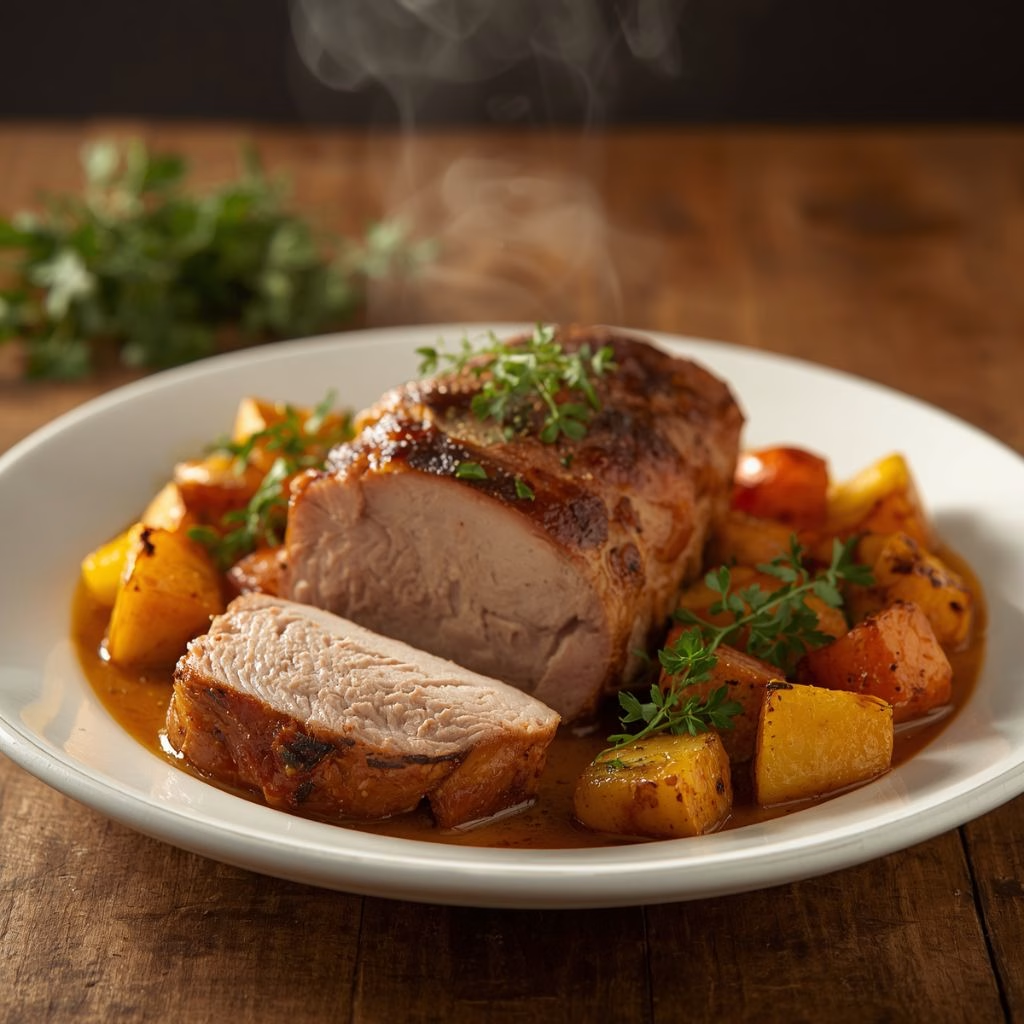
I still remember the first time I pulled this pan of Baked Apple Cider Pork Tenderloin with Roasted Veggies Recipe out of the oven the whole kitchen smelled like a fall market, part cozy apple orchard, part Sunday roast. I’d been looking for a dinner that felt special without demanding hours of my evening, and this one nailed it.
Everything cooks on a single sheet pan, so I wasn’t juggling four pots while my family waited at the table. The pork comes out so tender it practically falls apart with a fork, and the vegetables soak up all those savory-sweet juices.
Once you make this, I promise it’s going into your regular dinner rotation. It also pairs wonderfully with refreshing drinks like Sea Breeze Drink Recipe or Pineapple Cucumber Agua Fresca Recipe.

Cooking Time
- Prep Time: 20 minutes
- Marinate Time (optional): 20 minutes to 2 hours
- Cook Time: 40 minutes
- Total Time: About 1 hour (plus extra if you marinate longer)
Ingredients
For the Pork Tenderloin
- 1 pork tenderloin (about 1½ pounds) — this cut cooks fast and stays lean, so don’t swap it for a thicker pork loin without adjusting time
- 1 cup apple cider — go for real apple cider, not apple juice, for a deeper, more autumnal flavor
- 2 tablespoons Dijon mustard — adds tang and helps the marinade cling to the meat
- 2 tablespoons olive oil — keeps the pork moist and helps the herbs stick
- 3 garlic cloves, minced — fresh garlic beats the jarred stuff here, hands down
- 1 tablespoon fresh rosemary, chopped — fresh herbs give a brighter, less dusty flavor than dried
- 1 teaspoon fresh thyme — pairs beautifully with the rosemary and apple notes
- 1 teaspoon salt — essential for drawing out flavor in the marinade
- ½ teaspoon black pepper — just enough for a gentle kick
For the Roasted Vegetables
- 1 pound baby potatoes, halved — small potatoes roast faster and more evenly than large ones
- 3 large carrots, sliced — cut them close in size to your potato halves so everything finishes together
- 12 ounces Brussels sprouts, halved — halving lets the cut side caramelize instead of steaming
- 1 large red onion, cut into wedges — wedges hold together better on the pan than loose slices
- 2 tablespoons olive oil — helps everything crisp up instead of turning soggy
- 1 teaspoon garlic powder — an easy way to season the whole vegetable mix at once
- 1 teaspoon paprika — brings warmth and a nice color to the roasted veggies
- Salt and pepper to taste — season generously, vegetables need more than you’d think
Optional Garnish
- Fresh parsley — a scattering right before serving perks up the whole plate
- Extra rosemary — a sprig or two makes the presentation feel intentional
- Sliced apples — adds a fresh, sweet contrast to the savory pork
Note: This recipe serves 4.
Equipment You Need
- Large baking sheet or roasting pan — cooks the pork and vegetables together for easy cleanup
- Parchment paper — prevents sticking and cuts down on scrubbing later
- Mixing bowl — for whisking together the cider marinade
- Whisk or fork — blends the marinade ingredients smoothly
- Meat thermometer — the only reliable way to know your pork is done without drying it out
- Cutting board and sharp knife — for prepping vegetables and slicing the finished pork
- Pastry brush — for brushing the reserved marinade over the pork while it roasts
How to Make Baked Apple Cider Pork Tenderloin Recipe?
This recipe comes together in a handful of simple stages that don’t require any special skills. You’ll build a quick marinade, let the pork soak it up, then roast everything on one pan. Here’s exactly how I do it step by step.
1. Preheat the Oven
Set your oven to 400°F (200°C) so it’s fully heated by the time you’re ready to roast. Line a large baking sheet with parchment paper to make cleanup painless later. A hot oven from the start helps the vegetables caramelize instead of just steaming through.
2. Whisk Together the Marinade
In a mixing bowl, combine the apple cider, Dijon mustard, olive oil, garlic, rosemary, thyme, salt, and pepper. Whisk until it looks smooth and well blended. Set aside about a third of this mixture to brush on later, since you don’t want to reuse marinade that touched raw pork.
3. Coat and Marinate the Pork
Pat the tenderloin dry with paper towels first, since a dry surface helps the marinade stick and browns better in the oven. Coat it evenly in the remaining marinade and let it sit for at least 20 minutes. If your schedule allows, 2 hours in the fridge gives noticeably deeper flavor.
4. Toss the Vegetables
While the pork marinates, spread the potatoes, carrots, Brussels sprouts, and onion wedges across your lined baking sheet. Drizzle with olive oil, then sprinkle on the garlic powder, paprika, salt, and pepper. Toss everything by hand until each piece is coated.
5. Give the Vegetables a Head Start
Slide the pan into the oven and roast the vegetables alone for about 15 minutes. Potatoes and carrots simply need more time than the pork does. This head start means everything reaches perfect doneness at the same moment.
6. Add the Pork and Continue Roasting
Push the vegetables toward the edges of the pan to make room in the center. Place the marinated tenderloin in that space and brush it with your reserved marinade. Roast for another 20 to 25 minutes, checking with a meat thermometer until it reads 145°F (63°C).
7. Rest, Slice, and Serve
Pull the pan out and let the pork rest for 5 to 10 minutes before cutting into it. This short rest lets the juices settle back into the meat instead of spilling out onto the cutting board. Slice the pork and serve it right alongside the roasted vegetables, spooning any pan juices over the top.
Additional Tips for Making This Recipe Better
I’ve made this dish more times than I can count, and these are the small adjustments that made the biggest difference for me.
- I always use a meat thermometer. Now I overcooked the pork the first time by eyeballing it, and it turned rubbery.
- I cut all my vegetables to roughly the same size so nothing finishes too early or too late.
- I never crowd my baking sheet anymore when I do, everything steams instead of getting that golden, caramelized edge.
- I like to sear the pork in a hot skillet for a couple of minutes per side before it goes in the oven, since it builds extra flavor on the crust.
- I let the pork rest the full 10 minutes even when I’m hungry and impatient. It really does keep every slice juicier.
Common Mistakes to Avoid
- I used to pull the pork out the second it looked done, but color isn’t a reliable cue — I always check the internal temperature now.
- I once skipped drying the pork with paper towels, and the marinade just slid right off instead of forming a nice coating.
- I overcrowded my pan early on thinking it would save time, but the vegetables turned soft and pale instead of caramelized.
- I skipped resting the meat once because I was in a rush, and all the juices ran out onto the cutting board instead of staying in the pork.
- I tried starting the pork and vegetables at the same time, and the potatoes were still hard by the time the pork hit temperature giving vegetables a head start really matters.
How to Serve Baked Apple Cider Pork Tenderloin
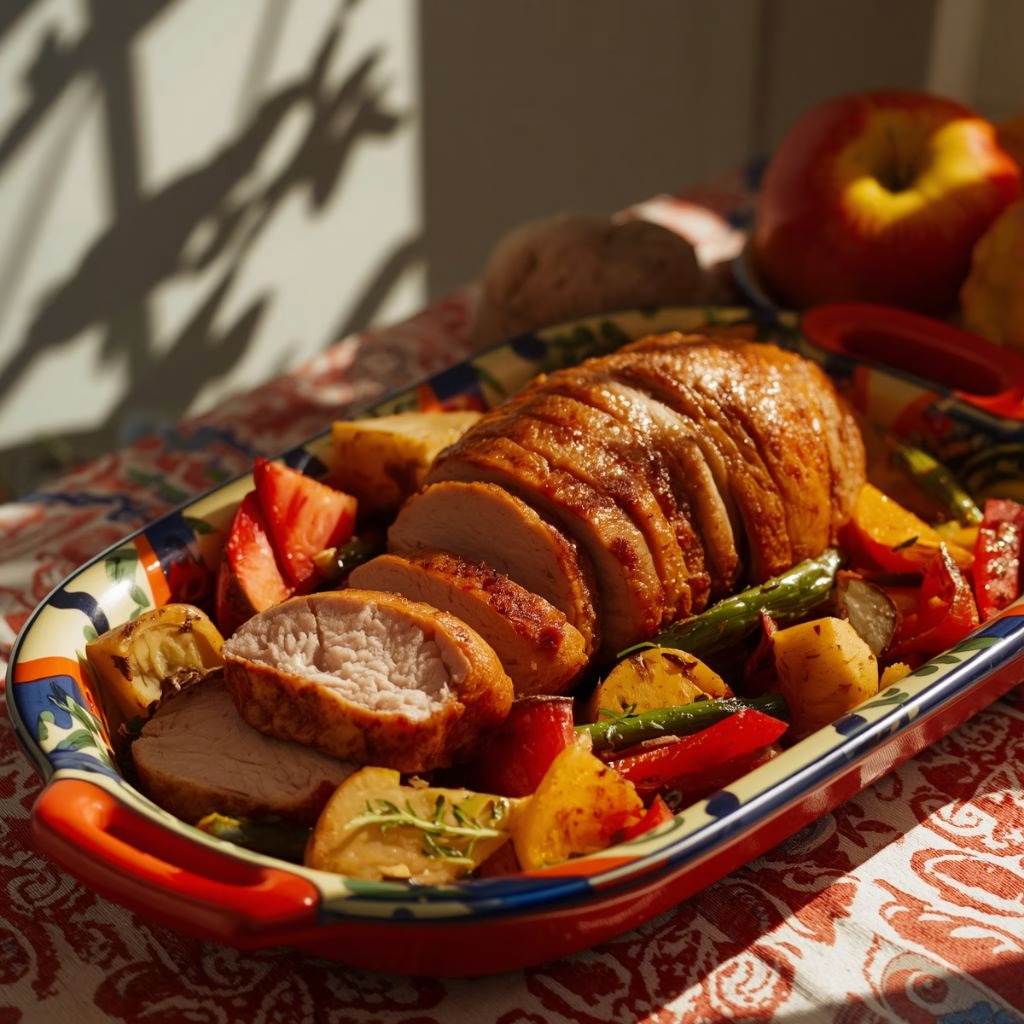
For a beautiful presentation, I like to fan the sliced pork out on a large platter with the roasted vegetables arranged around it. A scatter of chopped fresh parsley and a few rosemary sprigs on top instantly makes the dish look restaurant-worthy.
Thin apple slices tucked in among the vegetables add a pop of color and echo the cider flavor in the glaze. Spoon any extra pan juices over the top right before bringing it to the table so everything glistens. It’s an especially nice centerpiece for a Sunday dinner or a smaller holiday gathering.
Variations
- Swap Brussels sprouts for green beans, broccoli, or cubed butternut squash if you want a different vegetable mix.
- Add sliced Honeycrisp or Gala apples during the final 15 minutes of roasting for extra natural sweetness.
- Make a richer glaze by simmering a cup of apple cider until reduced by half, then whisking in a little Dijon mustard and maple syrup.
- Stir in fresh sage alongside the rosemary and thyme for a deeper, more autumnal herb profile.
- For a dairy-free approach, this recipe is already naturally dairy-free, so no swaps are needed there.
- Try a low-sugar version by using unsweetened apple cider and skipping any added maple syrup in the glaze.
Nutritional Information
Here’s a general breakdown per serving, though exact numbers will vary based on your specific ingredients and portion sizes.
- Calories: About 490 kcal
- Protein: Roughly 35–38 g
- Carbohydrates: Roughly 40–45 g
- Fat: Roughly 18–20 g
Make Ahead and Storage
You can marinate the pork up to a day ahead and chop all the vegetables in advance, storing them separately in the fridge until you’re ready to roast. This makes weeknight assembly nearly effortless.
Leftovers keep well in an airtight container in the refrigerator for up to four days. The flavors actually deepen a bit overnight, which I love.
To reheat, warm everything in a 325°F oven for 10 to 15 minutes so the vegetables stay crisp; the pork also freezes well for up to three months if thawed overnight in the fridge before reheating.
Why You’ll Love This Recipe?
This dish checks every box I look for in a weeknight-friendly yet special dinner.
- One pan, minimal cleanup: Everything roasts together on a single sheet pan, so I’m not stuck scrubbing multiple pots after dinner.
- Simple, everyday ingredients: Nothing here requires a special trip to a specialty store — it’s mostly pantry staples and produce.
- Naturally balanced flavor: The apple cider marinade brings sweetness while the herbs and mustard keep things savory and grounded.
- Great for any occasion: I’ve served this on busy Tuesdays and for holiday dinners, and it fits both settings comfortably.
- Easy to customize: Between vegetable swaps, glaze variations, and herb changes, I rarely make it exactly the same way twice.
FAQs
Can I use pork loin instead of pork tenderloin?
Yes, but pork loin is much larger and needs significantly more time in the oven. Always check the internal temperature rather than relying on the clock.
Can I substitute apple juice for apple cider?
You can, though apple cider gives a richer, more complex flavor. Apple juice will work in a pinch but tastes noticeably lighter.
Can I prepare this ahead of time?
Absolutely marinate the pork overnight and prep the vegetables a day ahead. When you’re ready, just assemble and roast.
Can I make this like a Barefoot Contessa-style apple cider pork tenderloin?
You can lean that direction by adding a splash of brandy or extra Dijon to the marinade for a more elegant, dinner-party flavor.
Can I braise this instead of roasting, like an apple cider braised pork loin?
Yes, braising in a covered pot with cider and broth works well for pork loin, though it needs longer, gentler cooking than tenderloin.
Does this work as an oven-roasted pork tenderloin and vegetables recipe for meal prep?
Definitely it reheats nicely and holds up well in the fridge, making it a solid option for prepping a few dinners in advance.
Can I add apples directly with the vegetables for a pork loin with apples and vegetables version?
Yes, tuck apple wedges in with the vegetables for the last 15 minutes so they soften without turning mushy.
Can I pair this with Brussels sprouts and apples for extra fall flavor?
Definitely adding apple wedges alongside the Brussels sprouts brings a nice sweet-savory contrast that fits the season well.

Baked Apple Cider Pork Tenderloin with Roasted Veggies
Ingredients
Method
- Set your oven to 400°F (200°C) so it’s fully heated by the time you’re ready to roast. Line a large baking sheet with parchment paper to make cleanup painless later. A hot oven from the start helps the vegetables caramelize instead of just steaming through.
- In a mixing bowl, combine the apple cider, Dijon mustard, olive oil, garlic, rosemary, thyme, salt, and pepper. Whisk until it looks smooth and well blended. Set aside about a third of this mixture to brush on later, since you don’t want to reuse marinade that touched raw pork.
- Pat the tenderloin dry with paper towels first, since a dry surface helps the marinade stick and browns better in the oven. Coat it evenly in the remaining marinade and let it sit for at least 20 minutes. If your schedule allows, 2 hours in the fridge gives noticeably deeper flavor.
- While the pork marinates, spread the potatoes, carrots, Brussels sprouts, and onion wedges across your lined baking sheet. Drizzle with olive oil, then sprinkle on the garlic powder, paprika, salt, and pepper. Toss everything by hand until each piece is coated.
- Slide the pan into the oven and roast the vegetables alone for about 15 minutes. Potatoes and carrots simply need more time than the pork does. This head start means everything reaches perfect doneness at the same moment.
- Push the vegetables toward the edges of the pan to make room in the center. Place the marinated tenderloin in that space and brush it with your reserved marinade. Roast for another 20 to 25 minutes, checking with a meat thermometer until it reads 145°F (63°C).
- Pull the pan out and let the pork rest for 5 to 10 minutes before cutting into it. This short rest lets the juices settle back into the meat instead of spilling out onto the cutting board. Slice the pork and serve it right alongside the roasted vegetables, spooning any pan juices over the top.
Notes
- I always use a meat thermometer. Now I overcooked the pork the first time by eyeballing it, and it turned rubbery.
- I cut all my vegetables to roughly the same size so nothing finishes too early or too late.
- I never crowd my baking sheet anymore when I do, everything steams instead of getting that golden, caramelized edge.
- I like to sear the pork in a hot skillet for a couple of minutes per side before it goes in the oven, since it builds extra flavor on the crust.
- I let the pork rest the full 10 minutes even when I’m hungry and impatient. It really does keep every slice juicier.