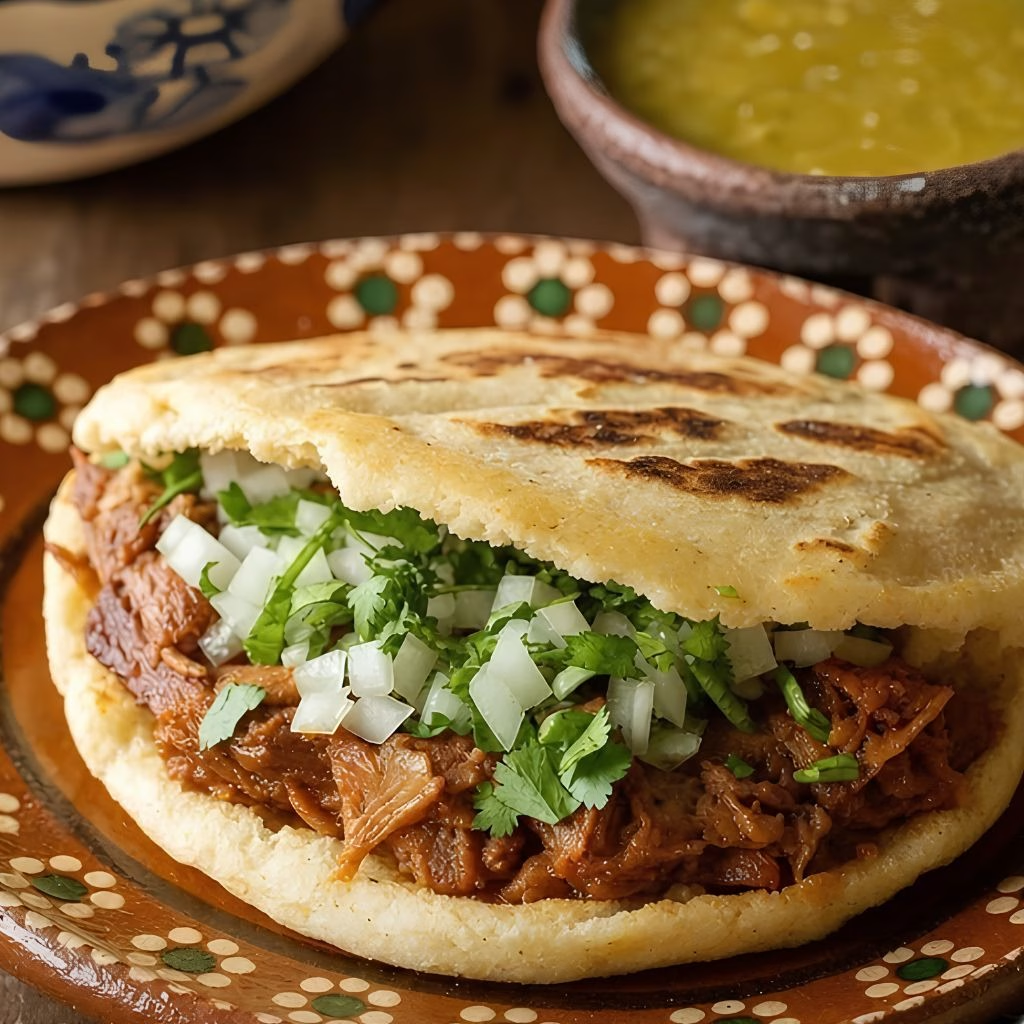
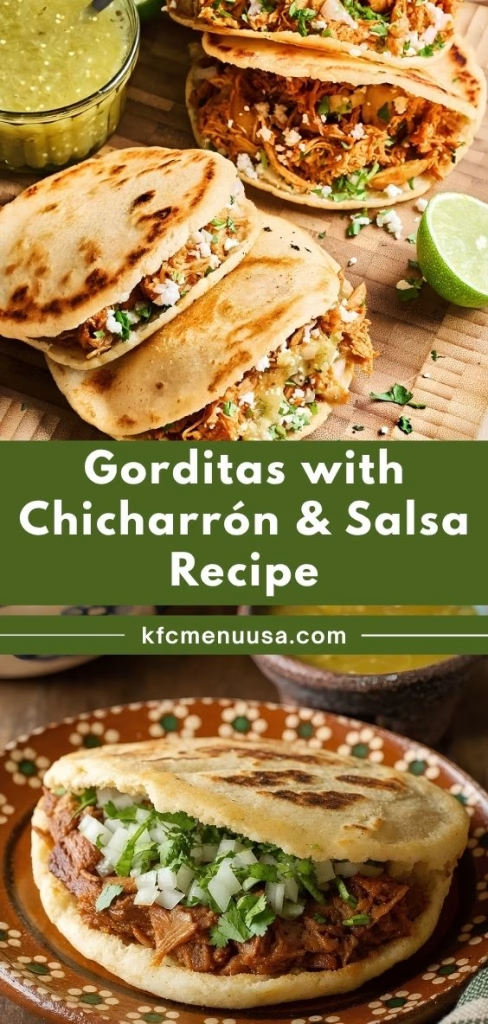
I still remember the first time I bit into a warm gordita straight off the comal, the masa crackling slightly on the outside and giving way to a rich, saucy chicharrón filling inside. I made this Gorditas with Chicharrón and Salsa on a lazy Sunday morning, and honestly, my kitchen has never smelled better.
There’s something about the smoky, tangy salsa verde soaking into that pressed pork filling that makes this dish so comforting. I’ve tweaked it a few times to get the balance just right, and now it’s become one of my go-to weekend breakfasts. If you’ve never made gorditas from scratch, I promise this recipe is far easier than it looks.
Cooking Time
- Prep Time: 30 minutes
- Cooking Time: 20 minutes
- Total Time: 50 minutes
Ingredients
- 2 cups corn masa (masa harina mixed with water) – this is the base of your gordita and gives it that authentic corn flavor
- 200 g chicharrón prensado (pressed pork rind) – the star of the filling, already seasoned so it cooks up fast and flavorful
- 4 tomatillos – these bring the tangy backbone to your salsa verde
- 2 serrano chiles – adjust the amount if you want a milder or spicier salsa
- 1 garlic clove – adds depth without overpowering the tomatillo flavor
- 1/4 onion – balances the acidity of the tomatillos in the salsa
- Oil and salt to taste – oil helps fry the chicharrón and salsa, salt ties every flavor together
Note: This recipe serves about 8 people.
Equipment You Need
- Blender – to puree the tomatillos, chiles, garlic, and onion into a smooth salsa
- Skillet or frying pan – for cooking the chicharrón and simmering the salsa into a thick filling
- Comal or griddle – essential for cooking the gorditas evenly on both sides
- Mixing bowl – for kneading the masa dough until smooth
- Small knife – to slice open the cooked gorditas before stuffing them
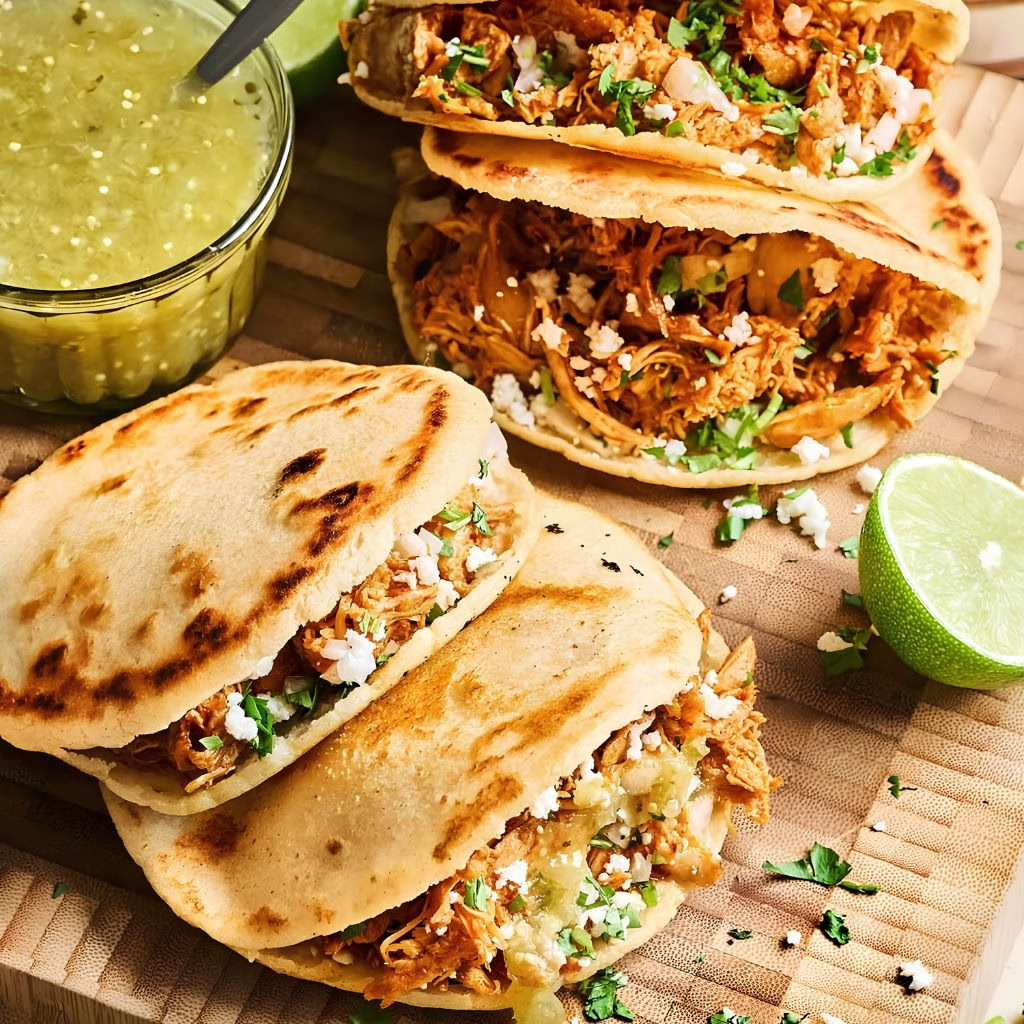
How to Make Gorditas with Chicharrón and Salsa Recipe?
Making gorditas at home might feel intimidating at first, but it really comes down to two simple parts: the salsa-chicharrón filling and the masa itself. Once you’ve got both ready, everything else is just assembly and cooking on the comal. Here’s exactly how I do it, step by step.
Prepare the Salsa Verde
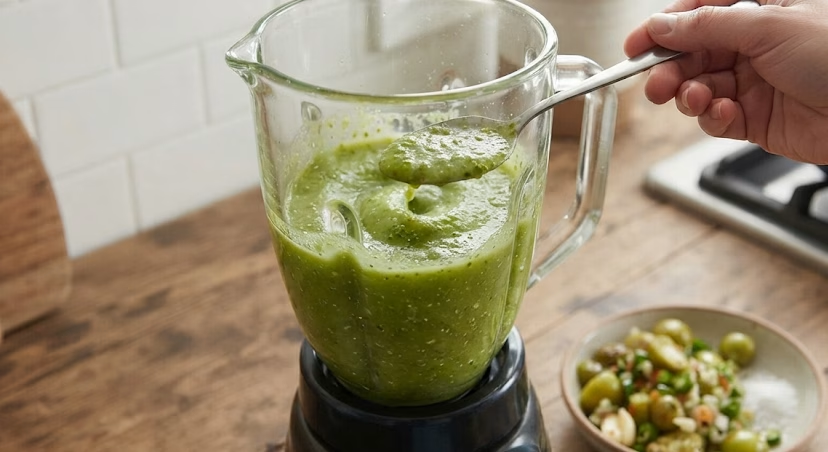
Start by blending your tomatillos, serrano chiles, garlic clove, and onion with a pinch of salt until smooth. You can use raw tomatillos for a brighter, tangier salsa or roast them first for a deeper, smokier flavor. I usually go with roasted tomatillos because the extra step is worth the flavor boost. Set this salsa aside while you prep the chicharrón.
Cook the Chicharrón Filling
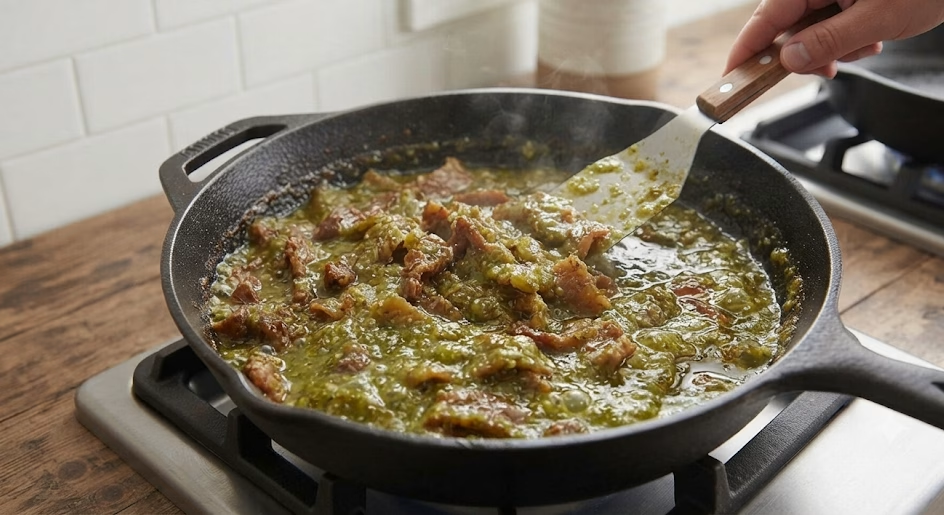
In a skillet with a little oil, fry the chicharrón prensado for about 2 minutes to wake up its flavor. Pour in the salsa verde and let everything simmer together for 8 to 10 minutes, stirring occasionally, until the mixture thickens into a rich guiso.
This filling is really the heart of the whole dish, so don’t rush this simmering step, much like the flavorful filling used in Crispy Salmon Sliders with Lemon Arugula Slaw Recipe.
Knead the Masa Dough
While the filling cooks, knead your corn masa with water and a pinch of salt until it turns smooth and pliable, similar to soft playdough. It shouldn’t stick to your hands or crack at the edges. If it feels too dry, add water a tablespoon at a time until it’s just right.
Shape the Gorditas
Divide the masa into small balls, roughly the size of a golf ball, then flatten them into thick discs about half an inch thick. If you want stuffed gorditas, place a spoonful of the chicharrón filling in the center before sealing the edges closed. Don’t overfill them or the guiso will leak out while cooking.
Cook on the Comal
Heat your comal or griddle over medium heat and cook the gorditas on both sides until they develop light golden spots and feel firm to the touch. This usually takes a few minutes per side. A properly hot comal is key here, since a lukewarm surface leaves the inside raw.
Fill and Serve
Once cooked, slice each gordita open with a small knife and spoon in extra chicharrón filling, or serve them open-faced sope-style topped with the guiso, chopped onion, and a drizzle of extra salsa.
They also pair wonderfully with Crab Toast with Yuzu Aioli Recipe when you’re putting together a seafood-inspired appetizer spread. Either way, serve them warm right away for the best texture.
Additional Tips for Making This Recipe Better
I’ve made this recipe enough times now to have picked up a few tricks that genuinely make a difference.
- I always taste my chicharrón prensado before adding extra salt, since most brands are already well-seasoned.
- I keep my comal on medium heat instead of high, because I’ve burned the outside while leaving the inside doughy more than once.
- I let my masa rest for a few minutes after kneading, which makes it much easier to shape without cracking.
- I make my salsa a little chunkier than smooth, since I like the texture it gives the finished guiso.
- I always have extra masa on hand in case a gordita tears while I’m sealing in the filling.
Common Mistakes to Avoid
- I used to overfill my gorditas with guiso, and they’d burst open on the comal, so now I stick to just a spoonful.
- I once used a barely-warm comal and ended up with raw masa in the center, so I always preheat it properly first.
- I made my gorditas too thin early on, and they dried out fast, so I keep them nice and thick now.
- I forgot to taste my salsa for salt balance once, and it made the whole dish bland, so I always adjust seasoning before cooking it down.
- I tried rushing the salsa simmering step, and it stayed too watery, so I now let it thicken properly for a good 8 to 10 minutes.
How to Serve Gorditas with Chicharrón and Salsa?
I love piling these gorditas onto a big platter lined with fresh lettuce, so the warm golden discs really pop against the green. A scattering of diced white onion and a few extra spoonfuls of salsa on top make them look freshly made straight from a street stand.
If I’m feeling fancy, I’ll crumble some cotija cheese over the top or add a dollop of Mexican crema for a creamy contrast. Serving them alongside a small bowl of extra salsa on the side lets everyone spice things up to their own taste.
Variations
- Swap the chicharrón for requesón, mashed potato, or refried beans for a lighter, budget-friendly filling.
- Use a roasted red salsa instead of salsa verde for a smokier, slightly sweeter flavor.
- Make them open-faced like sopes, topped with shredded lettuce and crema.
- Stir in chopped cooked nopales for a fresh, slightly tangy twist.
- Melt shredded Oaxaca cheese over the gordita right off the comal for a gooey finish.
- Add roasted red tomato, an avocado leaf, and a splash of chicken broth for a juicier, Veracruz-style filling.
- Lightly fry the finished gorditas and top with crema, lettuce, and chile de árbol salsa for a spicier, city-style version.
- Use Maseca corn flour mixed with warm water and salt if fresh masa isn’t available.
- Add a roasted chile de árbol salsa to the filling for a smokier, spicier kick.
Nutritional Information
Here’s a rough breakdown per serving, based on standard ingredient measurements.
- Calories: about 420 kcal
- Protein: about 25 g
- Carbohydrates: about 35 g
- Fat: about 22 g
Make Ahead and Storage
You can make the chicharrón salsa filling up to 3 days ahead and store it in an airtight container in the refrigerator. It actually tastes even better the next day once the flavors settle.
For the gorditas themselves, I recommend cooking the masa discs fresh and assembling them right before serving, since freshly cooked masa has the best texture.
To reheat, warm both the filling and the cooked gorditas on a hot comal or skillet for a couple of minutes per side, which helps restore that slightly crisp exterior.
Why You’ll Love This Recipe?
This recipe has earned a permanent spot in my rotation, and here’s why I think you’ll love it too.
- It’s budget-friendly: Chicharrón prensado is inexpensive, and the masa base means you don’t need many fancy ingredients to make a filling, satisfying meal.
- It’s endlessly customizable: You can swap the filling, change the salsa color, or serve them open or stuffed depending on your mood.
- It’s great for feeding a crowd: One batch of masa and filling easily serves eight people, making it perfect for family breakfasts or casual get-togethers.
- It brings authentic street-food flavor home: The smoky salsa and seasoned chicharrón taste just like the gorditas from a Mexican street stand, minus the trip.
- It’s beginner-friendly: Even if you’ve never worked with masa before, the dough is forgiving and easy to shape once you get the hang of it.
FAQs
What does “gordita” mean?
Gordita literally translates to “little fat one” in Spanish, referring to the thick, plump shape of the masa disc compared to a regular thin tortilla.
What are gordita chronicles?
“Gordita Chronicles” is actually the name of a popular TV sitcom inspired by a Dominican-American family’s life, unrelated to the recipe itself, though it shares the same playful name.
How do I find gorditas near me?
Check local Mexican restaurants, street food stands, or taquerias in your area, since gorditas are a common antojito found at many authentic Mexican eateries.
What exactly are chicharrones?
Chicharrones are fried pork rinds or pork belly pieces, and the pressed version used here (chicharrón prensado) is a softer, more compact style perfect for saucy fillings.
Can I use store-bought corn tortillas instead of fresh masa?
Yes, take a thick corn tortilla, cut a small slit in the center to form a pocket, stuff it with the filling, then toast it on the comal until crisp.
Why do my gorditas turn out raw inside?
This usually happens when the comal isn’t hot enough or the gordita is shaped too thick, so make sure your comal is properly preheated before cooking.
Can I freeze the filling for later?
Yes, the chicharrón salsa filling freezes well in an airtight container for up to a month; just thaw it in the fridge overnight before reheating.

Gorditas with Chicharrón and Salsa
Ingredients
Method
- Start by blending your tomatillos, serrano chiles, garlic clove, and onion with a pinch of salt until smooth. You can use raw tomatillos for a brighter, tangier salsa or roast them first for a deeper, smokier flavor. I usually go with roasted tomatillos because the extra step is worth the flavor boost. Set this salsa aside while you prep the chicharrón.
- In a skillet with a little oil, fry the chicharrón prensado for about 2 minutes to wake up its flavor. Pour in the salsa verde and let everything simmer together for 8 to 10 minutes, stirring occasionally, until the mixture thickens into a rich guiso. This filling is really the heart of the whole dish, so don’t rush this simmering step.
- While the filling cooks, knead your corn masa with water and a pinch of salt until it turns smooth and pliable, similar to soft playdough. It shouldn’t stick to your hands or crack at the edges. If it feels too dry, add water a tablespoon at a time until it’s just right.
- Divide the masa into small balls, roughly the size of a golf ball, then flatten them into thick discs about half an inch thick. If you want stuffed gorditas, place a spoonful of the chicharrón filling in the center before sealing the edges closed. Don’t overfill them or the guiso will leak out while cooking.
- Heat your comal or griddle over medium heat and cook the gorditas on both sides until they develop light golden spots and feel firm to the touch. This usually takes a few minutes per side. A properly hot comal is key here, since a lukewarm surface leaves the inside raw.
- Once cooked, slice each gordita open with a small knife and spoon in extra chicharrón filling, or serve them open-faced sope-style topped with the guiso, chopped onion, and a drizzle of extra salsa. Either way, serve them warm right away for the best texture.
Notes
- I always taste my chicharrón prensado before adding extra salt, since most brands are already well-seasoned.
- I keep my comal on medium heat instead of high, because I’ve burned the outside while leaving the inside doughy more than once.
- I let my masa rest for a few minutes after kneading, which makes it much easier to shape without cracking.
- I make my salsa a little chunkier than smooth, since I like the texture it gives the finished guiso.
- I always have extra masa on hand in case a gordita tears while I’m sealing in the filling.