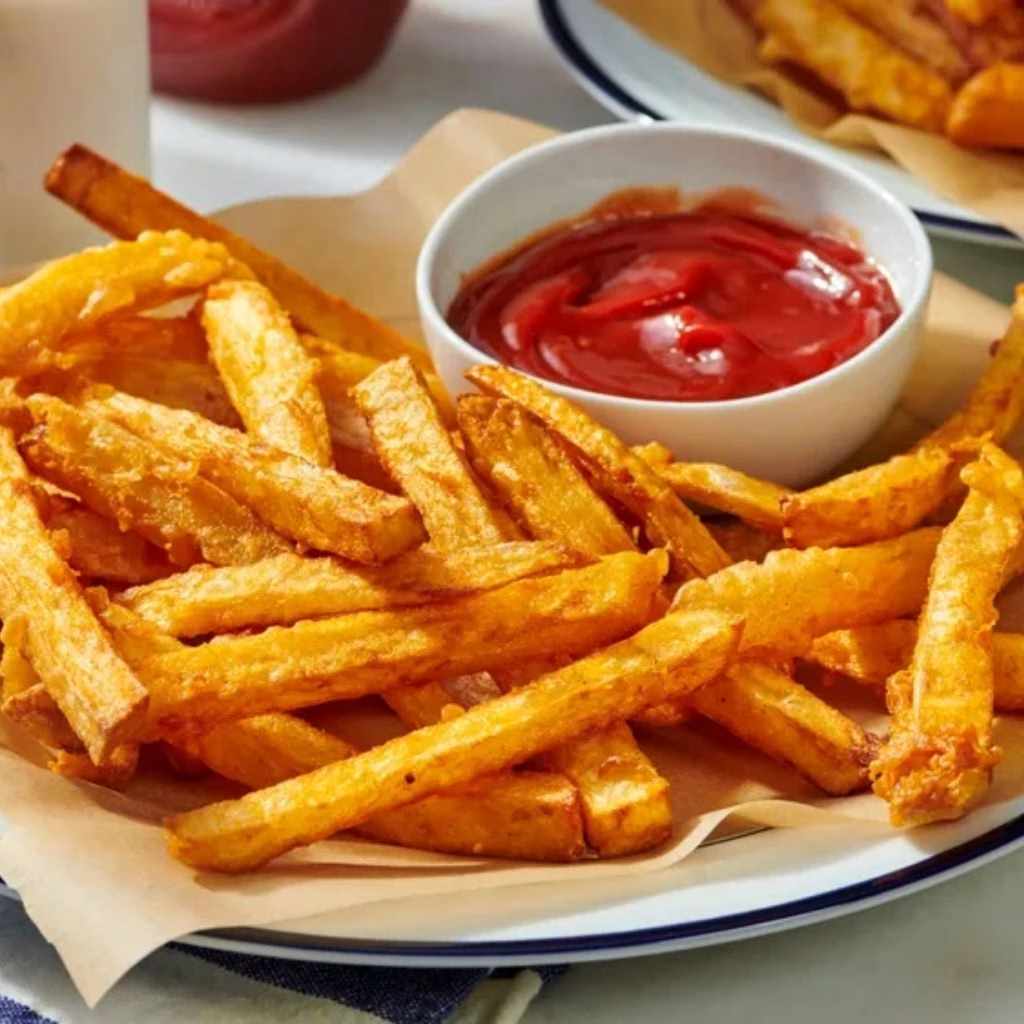
I stopped buying bagged fries the day I made these for the first time. My kids used to tear through a bag of store-bought fries in one sitting, and I got tired of watching the grocery bill climb for something so simple. So I pulled out russet potatoes, a basic seasoning powder mix, and a skillet of hot oil, and I haven’t looked back since.
These fries come out golden, crunchy on the outside, and soft in the middle, and they even reheat well the next day. If you’ve been searching for a simple french fries seasoning recipe that actually holds up, this is the one I keep coming back to.
Cooking Time
- Prep Time: 20 minutes
- Cooking Time: 30 minutes
- Total Time: 50 minutes
Ingredients
- 2 ½ pounds russet potatoes, peeled – russets have the right starch content for a crisp shell and fluffy center
- 1 cup all-purpose flour – this is the base of your french fries seasoning powder coating
- 1 teaspoon garlic salt – adds a savory backbone to the batter
- 1 teaspoon onion salt – rounds out the flavor without needing extra dried onion
- 1 teaspoon salt – balances the other seasoned salts so it isn’t one-note
- 1 teaspoon paprika – gives the fries their golden color and a mild smoky note
- ½ cup water, or as needed – thin the batter until it drizzles off a spoon easily
- 1 cup vegetable oil, for frying – a neutral oil with a high smoke point works best here
Note: this recipe serves 4 to 6 people, depending on portion size.
Equipment You Need
- Large skillet or deep pot – for frying the potatoes in hot oil
- Sharp knife – for cutting the potatoes into even fry-shaped sticks
- Mixing bowl – for whisking together the flour and seasoning batter
- Slotted spoon or spider strainer – for lifting fries out of the oil safely
- Paper towels or wire rack – for draining excess oil after frying
- Kitchen thermometer – for keeping the oil at a steady frying temperature
How to Make Homemade Seasoned Fries Recipe?
I know it looks like a lot of steps, but this recipe really just breaks down into four simple stages. You slice, you soak, you batter, and you fry. Once you’ve done it once, it becomes second nature and takes barely any real hands-on effort.
Prepping the Potatoes
I start by peeling the russet potatoes and slicing them into fry-shaped sticks, about a quarter-inch thick so they cook evenly. As soon as they’re cut, I drop them straight into a bowl of cold water. This keeps them from browning while I get everything else ready, and it also pulls out a little extra starch for a crisper finish.
Making the Seasoning Batter
While the potatoes are soaking, I sift the flour together with the garlic salt, onion salt, plain salt, and paprika in a mixing bowl. Then I gradually stir in the water, just enough that the batter is loose enough to drizzle off a spoon. This seasoned batter is what gives these fries their crunchy, flavorful shell once they hit the hot oil.
Heating the Oil
I heat the vegetable oil in a large skillet over medium-high heat while I finish the batter. Getting the temperature right matters here, since fries dropped into oil that isn’t hot enough will turn out greasy instead of crisp. I usually test with one potato stick first to see if it sizzles right away.
Coating and Frying the Fries
I drain the potato sticks and pat them mostly dry, then dip each one into the batter before placing it into the hot oil. I add them one at a time so they don’t clump together, working in small batches. I let them fry until they’re deeply golden and crisp on the outside, which usually takes just a few minutes per batch.
Draining and Serving
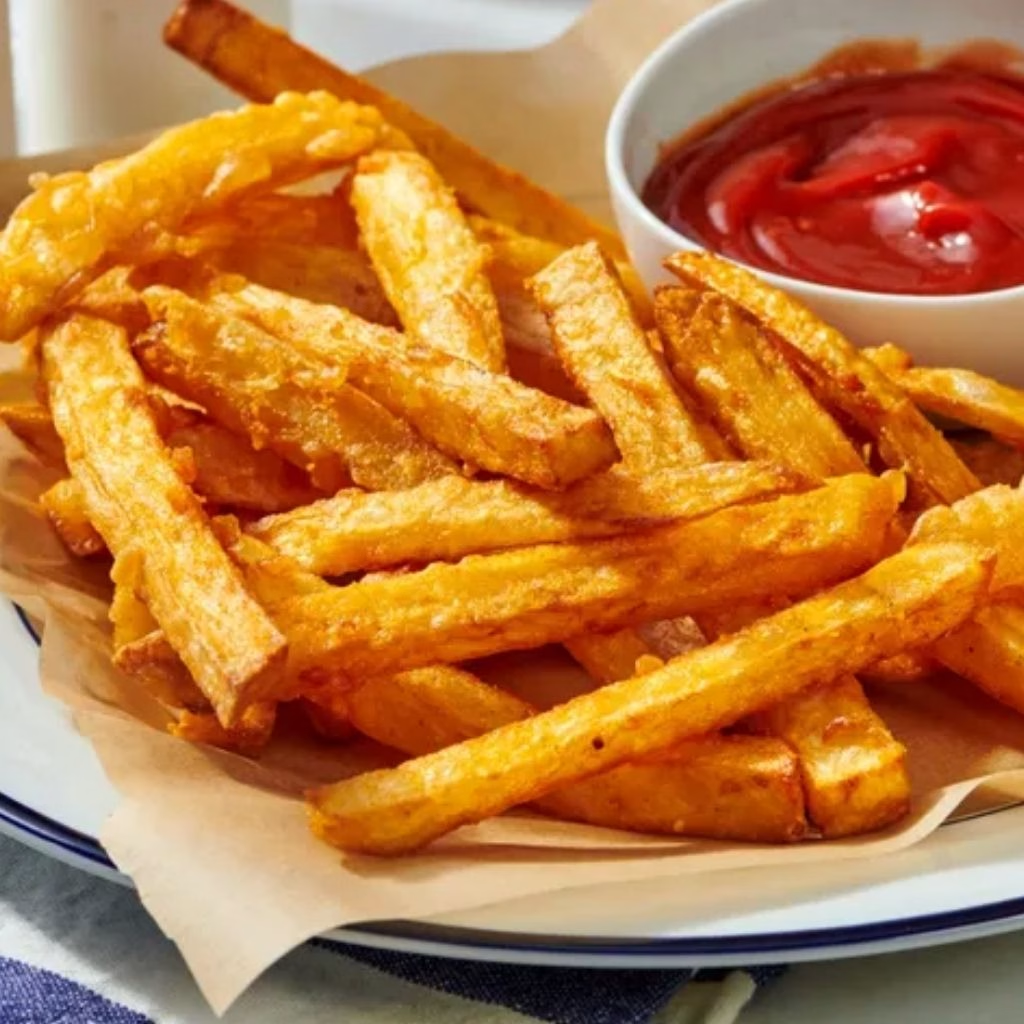
Once they’re golden brown, I lift the fries out with a slotted spoon and set them on paper towels to drain any extra oil. I give them a final light sprinkle of salt while they’re still hot, since seasoning sticks best right out of the fryer. From there, they’re ready to serve immediately while they’re at their crispiest.
Additional Tips for Making This Recipe Better
I’ve made this recipe more times than I can count, and here’s what actually makes a difference for me:
- I always cut my fries to a similar thickness so they all cook at the same rate.
- I never skip the cold water soak, since it noticeably improves how crisp the final fries turn out.
- I pat the potatoes dry before dipping them in batter so the coating actually sticks instead of sliding off.
- I fry in small batches instead of crowding the pan, which keeps the oil temperature steady.
- I salt the fries the moment they come out of the oil, while they’re still glistening from frying.
Common Mistakes to Avoid
- I’ve overcrowded the pan before, and it dropped the oil temperature so fast that my fries turned soggy instead of crisp.
- I once skipped soaking the potatoes when I was in a rush, and the fries browned unevenly and tasted starchy.
- I’ve let my batter get too thick, which left a heavy, doughy coating instead of a light, crunchy one.
- I’ve fried at too low a temperature, thinking it was safer, but it just meant the fries soaked up more oil.
- I’ve forgotten to dry the potatoes before dipping them, which made the batter slide right off in the oil.
How to Serve Homemade Seasoned Fries
I like piling these fries into a big bowl lined with parchment paper so they stay warm and look casual and inviting at the table. A light dusting of extra paprika or a sprinkle of chopped parsley on top makes them look more finished for guests.
I usually set out a couple of dipping sauces on the side, like ketchup, a garlic aioli, or a spicy mayo, so everyone can pick their favorite. These fries also work well piled next to a burger or alongside grilled chicken for a complete plate. For a different meal-prep pairing, they can also sit alongside Meal Prep Breakfast Bowls Recipe when you’re putting together a hearty spread.
Variations
- Swap the paprika and garlic salt for cayenne pepper and chili powder if you’re after a spicy fries seasoning recipe instead.
- Add a tablespoon of cornstarch to the flour if you want to know how to make crispy french fries with cornstarch for an even crunchier shell.
- Use gluten-free flour in place of all-purpose flour to make these fries suitable for a gluten-sensitive diet.
- Toss the finished fries with grated parmesan and fresh herbs right after frying for a loaded flavor upgrade.
- Try this same seasoned batter method on frozen fries if you’re short on time and want a seasoned frozen fries recipe shortcut.
Nutritional Information
Here’s a general breakdown per serving, though exact numbers will vary based on portion size and oil absorption.
- Calories: approximately 280 per serving
- Protein: approximately 4 grams per serving
- Carbohydrates: approximately 38 grams per serving
- Fat: approximately 12 grams per serving
Make Ahead and Storage
You can slice and soak the potatoes a few hours ahead of time, keeping them in cold water in the fridge until you’re ready to batter and fry them.
Leftover fries keep well in an airtight container in the refrigerator for up to 3 days. Reheat them in a hot oven or air fryer for a few minutes to bring back their crisp texture, since microwaving tends to make them soft.
For freezing, let the cooked fries cool completely before storing them in a freezer-safe bag for up to 2 months. Reheat straight from frozen in a hot oven until they’re heated through and crisp again.
Why You’ll Love This Recipe
This recipe has earned a permanent spot in my rotation, and here’s why I think it’ll do the same for you.
- It’s budget-friendly. Making these at home costs a fraction of what you’d spend on takeout or bagged fries, especially if you’re feeding a family.
- It’s easy to customize. You can adjust the seasoning blend to make it spicier, milder, or completely different depending on what you’re craving that day.
- It works with pantry staples. Every ingredient here is something most people already have in their kitchen, so there’s no special shopping trip required.
- It reheats beautifully. Unlike a lot of homemade fries, these hold their crunch even after sitting in the fridge and getting reheated the next day.
FAQs
Can I bake these instead of frying them?
This particular batter is built for frying, and baking tends to leave the coating soft instead of crisp, so I’d recommend sticking with the stovetop method for the best texture.
Where can I find french fries seasoning powder if I don’t want to make my own?
You can find pre-made french fries seasoning powder in the spice aisle of most grocery stores or through online spice retailers if you’d rather skip mixing your own blend.
Can I use a different type of potato?
Russet potatoes give the best texture because of their starch content, but Yukon Golds can work in a pinch if that’s what you have on hand.
How do I make sure my fries turn out crispy in oil every time?
Keeping the oil at a steady, hot temperature and frying in small batches are the two biggest factors in getting consistently crispy french fries in oil.
Can I double this recipe for a larger group?
Yes, you can double the ingredients easily, just make sure to fry in even smaller batches so the oil temperature doesn’t drop too much at once.

Homemade Seasoned Fries Recipe
Ingredients
Method
- I start by peeling the russet potatoes and slicing them into fry-shaped sticks, about a quarter-inch thick so they cook evenly. As soon as they’re cut, I drop them straight into a bowl of cold water. This keeps them from browning while I get everything else ready, and it also pulls out a little extra starch for a crisper finish.
- While the potatoes are soaking, I sift the flour together with the garlic salt, onion salt, plain salt, and paprika in a mixing bowl. Then I gradually stir in the water, just enough that the batter is loose enough to drizzle off a spoon. This seasoned batter is what gives these fries their crunchy, flavorful shell once they hit the hot oil.
- I heat the vegetable oil in a large skillet over medium-high heat while I finish the batter. Getting the temperature right matters here, since fries dropped into oil that isn’t hot enough will turn out greasy instead of crisp. I usually test with one potato stick first to see if it sizzles right away.
- I drain the potato sticks and pat them mostly dry, then dip each one into the batter before placing it into the hot oil. I add them one at a time so they don’t clump together, working in small batches. I let them fry until they’re deeply golden and crisp on the outside, which usually takes just a few minutes per batch.
- Once they’re golden brown, I lift the fries out with a slotted spoon and set them on paper towels to drain any extra oil. I give them a final light sprinkle of salt while they’re still hot, since seasoning sticks best right out of the fryer. From there, they’re ready to serve immediately while they’re at their crispiest.
Notes
- I always cut my fries to a similar thickness so they all cook at the same rate.
- I never skip the cold water soak, since it noticeably improves how crisp the final fries turn out.
- I pat the potatoes dry before dipping them in batter so the coating actually sticks instead of sliding off.
- I fry in small batches instead of crowding the pan, which keeps the oil temperature steady.
- I salt the fries the moment they come out of the oil, while they’re still glistening from frying.