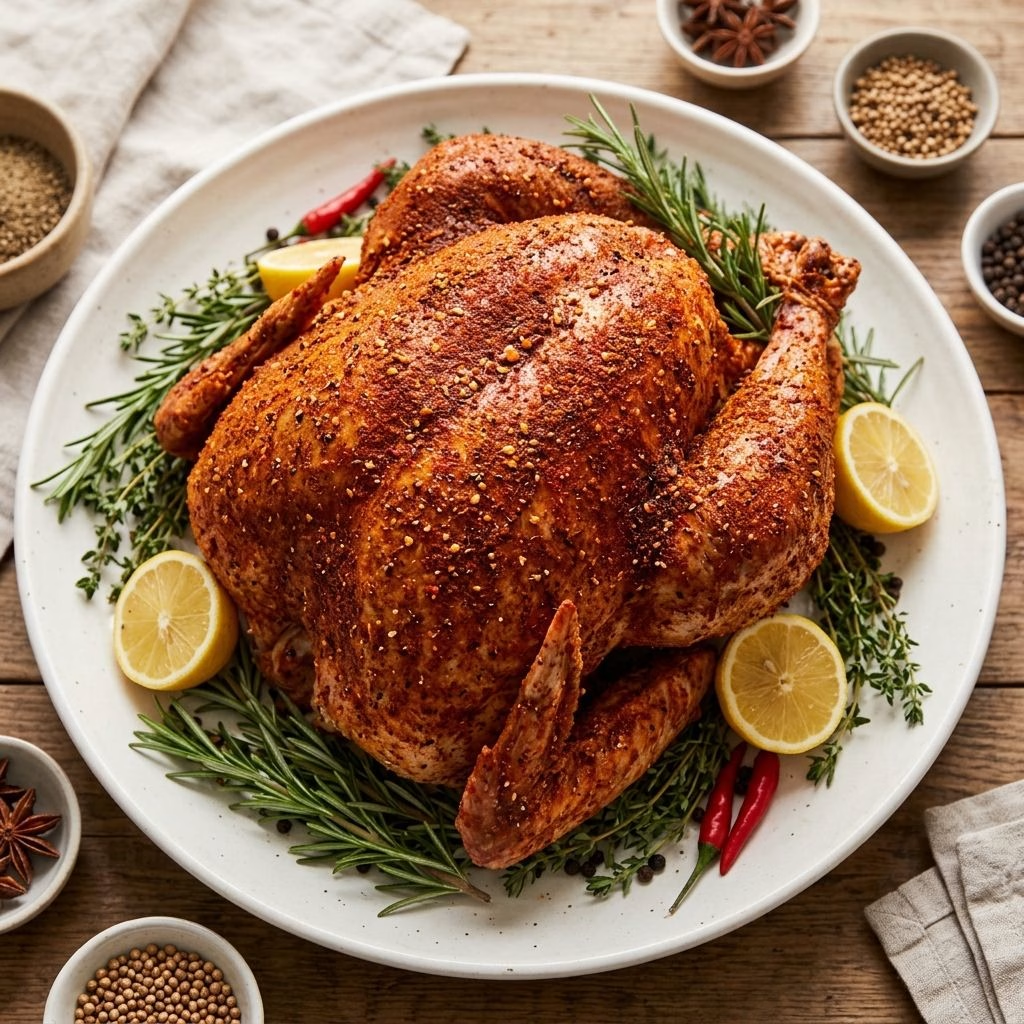
I still remember the first time I forgot to brine my turkey the night before Thanksgiving. Total panic. That’s when I threw together this homemade turkey rub recipe out of pure pantry desperation, and honestly, it turned out so good that I never went back to bringing every single year.
I keep a jar of this turkey seasoning in my spice cabinet now, and I reach for it on everything from a roast bird to a quick weeknight turkey breast. It takes five minutes, uses spices you probably already own, and it genuinely tastes like it came from a specialty butcher shop.
If you’ve been searching for the best turkey rub recipe that doesn’t require an overnight commitment, I think you’ll love this Homemade Turkey Rub Recipe as much as I do.
Cooking Time
- Prep Time: 5 minutes
- Cooking Time: 0 minutes (this is a no-cook spice blend — cooking time depends on your turkey method)
- Total Time: 5 minutes
Ingredients
- 1 tablespoon coarse Kosher salt – the backbone of the whole blend; it pulls moisture to the surface and helps every other spice stick
- 1 tablespoon chili powder – adds warmth and a subtle earthiness without making the rub spicy
- 1 tablespoon paprika – gives the skin that beautiful deep golden-brown color once roasted
- 1/2 tablespoon ground black pepper – adds a sharp, peppery bite that balances the sweetness of the paprika
- 1/2 tablespoon onion powder – builds a savory, almost broth-like depth of flavor
- 1/2 tablespoon garlic powder – rounds everything out with that classic roasted-garlic aroma
- A dash of cayenne pepper – just enough to wake up your taste buds without turning up the heat too much
Note: This batch makes about 4 1/2 tablespoons of rub, which is the right amount for a 10–14 pound turkey and will comfortably season a bird that serves 8–10 people.
Equipment You Need
- Small mixing bowl – to combine all the dry spices evenly
- Measuring spoons – for accurate, consistent seasoning every time
- Whisk or fork – to break up any clumps and blend the spices thoroughly
- Airtight glass jar or spice container – to store leftover rub so it stays fresh
- Paper towels – to pat the turkey dry before applying the rub so it adheres properly
How to Make Homemade Turkey Rub Recipe?
Making this turkey seasoning is almost embarrassingly simple, which is exactly why I love it so much. You’re basically just measuring and stirring, so there’s no real “cooking” skill required here. Let me walk you through exactly how I put mine together every single time.
Measure Your Spices
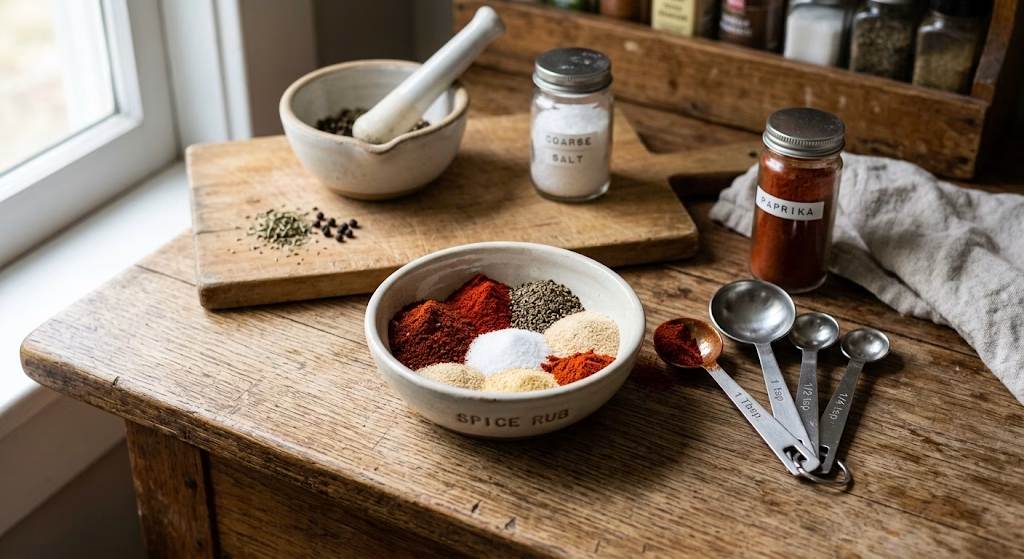
I always start by measuring out the salt, chili powder, paprika, black pepper, onion powder, garlic powder, and cayenne directly into a small bowl. Using measuring spoons here keeps the ratios consistent, so the rub tastes the same every time I make it. If I’m doubling the batch for a bigger turkey, I just scale every ingredient up proportionally.
Whisk Everything Together
Once everything is in the bowl, I grab a whisk or fork and stir until the spices are fully combined with no streaks of color. This step matters more than people think, because clumped spices mean uneven seasoning on the turkey. I usually whisk for about 30 seconds until the blend looks uniform and fragrant.
Choose Your Rub Style
Here’s where it gets fun. This blend works as either a dry rub or a wet rub. If I’m frying the turkey, I keep it dry and skip any oil or butter. If I’m roasting, I turn it into a turkey rub recipe with butter by mixing the spices with softened butter or olive oil first, which helps it cling to the skin.
Pat the Turkey Dry
Before applying anything, I always blot the turkey all over with paper towels. A dry surface means the rub sticks better and the skin crisps up beautifully in the oven or fryer instead of steaming.
Apply the Rub Generously
I rub the seasoning all over the outside of the turkey, then gently loosen the skin over the breast and work some underneath too that’s where the real flavor penetration happens. For extra flavor, I like to season the cavity as well before stuffing or trussing.
Cook As Desired
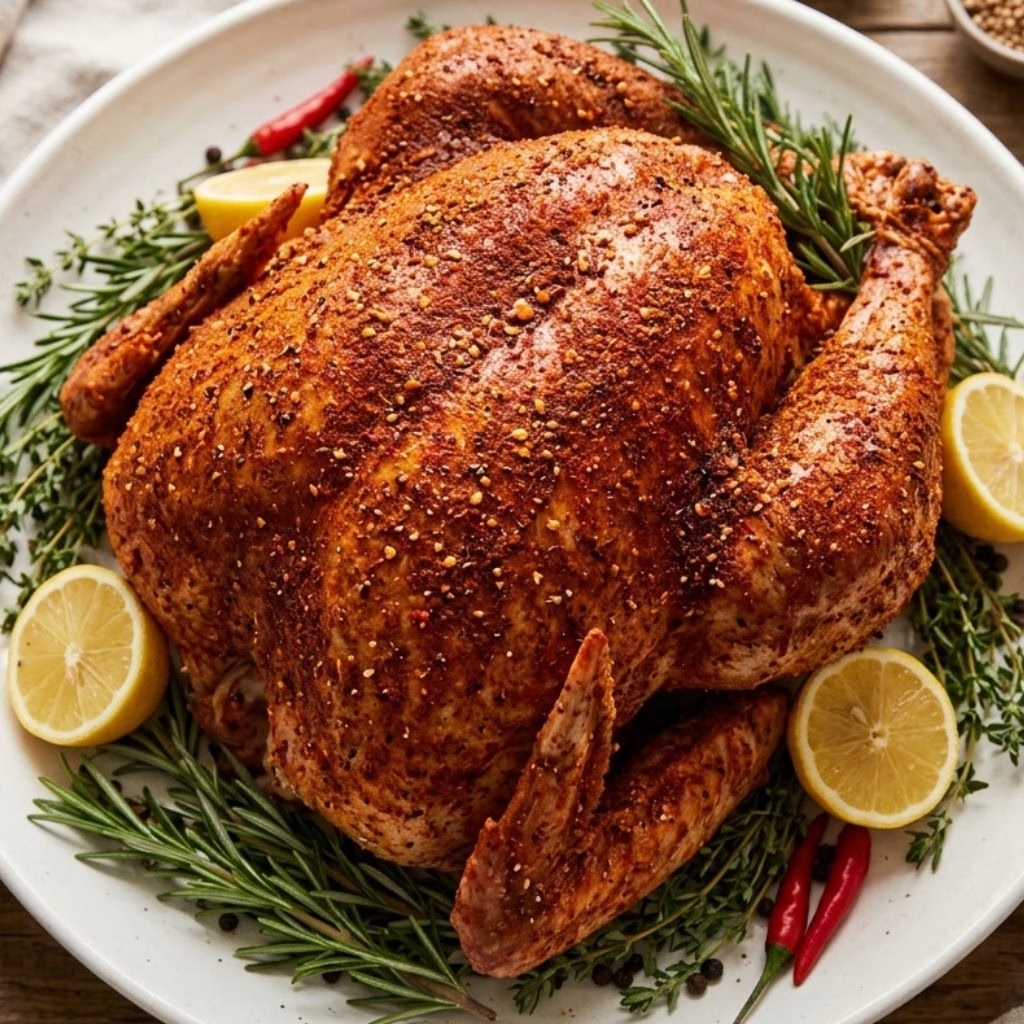
Once the turkey is fully coated, it’s ready to roast, smoke, fry, or even air fry. This happens to be one of my favorite turkey rub recipes for smoking because the spices form a gorgeous flavorful crust called bark as the smoke works its magic.
Additional Tips for Making This Recipe Better
I’ve made this rub more times than I can count, and here’s what I’ve picked up along the way:
- I always use coarse Kosher salt instead of table salt, because fine salt can make the blend taste overly salty in the same measurement.
- I like to make a double batch and store the extra in a labeled jar so I’m not scrambling on turkey day.
- When I want a low-sodium turkey rub, I simply cut the salt in half and add a touch more garlic and onion powder to keep the flavor bold.
- I always apply the rub at least 30 minutes before cooking so the flavors have time to settle into the skin.
- If I’m making a spicy turkey rub, I just double the cayenne or toss in a pinch of smoked chipotle powder.
Common Mistakes to Avoid
- I used to apply the rub on a wet turkey, and it just slid right off now I always pat the bird bone-dry first.
- I once used stale, old spices from the back of my cabinet, and the rub tasted flat; fresh spices really do make a noticeable difference.
- I learned the hard way that skipping the “under the skin” step means the breast meat ends up under-seasoned, so don’t skip it.
- I tend to over-salt when I eyeball it instead of measuring, so I stick to actual measuring spoons every time now.
- I made the mistake of using this as a dry rub while frying with oil still on the skin, which caused dangerous splattering that always keeps fried turkey rubs completely dry.
How to Serve Homemade Turkey Rub
Once your turkey is cooked and rested, I like to carve it right at the table so everyone can see that gorgeous, spice-crusted golden skin. A light dusting of fresh paprika or chopped parsley right before serving makes the color really pop on camera and on the plate.
I usually arrange the sliced turkey on a large platter with fresh herb sprigs like rosemary or thyme tucked around the edges for a holiday-worthy presentation. This rub also pairs beautifully with a side of homemade gravy, so if you want the full Thanksgiving spread, don’t miss this turkey gravy recipe to ladle right over your carved slices.
Variations
- Dairy-free version: skip the butter entirely and use olive oil or avocado oil instead for a wet rub that’s just as flavorful.
- Sugar-free version: this base recipe is naturally sugar-free, so it’s perfect if you’re watching added sugars during the holidays.
- Butterball turkey seasoning recipe style: add a teaspoon of dried sage and poultry seasoning for that classic, familiar holiday aroma.
- Herb-forward variation: mix in dried thyme and rosemary for a more herby, Thanksgiving turkey seasoning recipe feel.
- Sweet and smoky twist: add a teaspoon of brown sugar and smoked paprika for caramelized, deeply flavorful skin.
- Turkey breast rub recipe version: halve the batch if you’re only seasoning a turkey breast rather than a whole bird.
Nutritional Information
Here’s a quick look at what you’re getting per serving of this homemade turkey seasoning, based on an average serving size:
- Calories: 75 kcal
- Protein: 3 g
- Carbohydrates: 15 g
- Fat: 2 g
Make Ahead and Storage
I almost always make this rub ahead of time because it genuinely gets better as the spices meld together. You can mix it up to two weeks in advance and simply store it in a sealed container until you’re ready to use it.
Store the finished rub in an airtight jar in a cool, dry pantry away from direct sunlight, and it’ll stay fresh and fragrant for up to six months. There’s no reheating involved since this is a dry seasoning blend, not a cooked dish.
If you want to freeze it, you absolutely can just keep it in a freezer-safe bag with the air pressed out, and it’ll hold its flavor for up to a year, though I rarely need that long since I use mine so often.
Why You’ll Love This Recipe
This homemade turkey rub recipe has earned a permanent spot in my spice drawer, and here’s exactly why:
- It’s incredibly quick to make. Five minutes and seven pantry staples are all it takes, so there’s zero excuse to buy a pre-made packet again.
- It works for every cooking method. Whether you’re roasting, smoking, frying, or air frying, this blend adapts to whatever you’re making.
- It’s easy to customize. You can dial the salt down, the heat up, or add herbs to make it your own turkey rub recipe for roasting or smoking.
- It’s budget-friendly. You likely already have most of these spices at home, so there’s no need for a special grocery run.
- It’s great beyond turkey. I use leftover rub on chicken, pork, and even roasted vegetables all year round.
FAQs
Can I use this as a turkey breast rub recipe only?
Yes, absolutely just use about half the recipe for a single turkey breast instead of a whole bird, and apply it the same way under and over the skin.
How long does homemade turkey rub last?
Stored in an airtight container in a cool, dry spot, this turkey seasoning recipe stays fresh and flavorful for up to six months.
Do I need butter to use this rub?
No, butter is optional. Use it dry for frying, or mix it with butter or oil if you’re roasting and want a turkey seasoning butter rub for extra moisture and richness.
Can I make a low-sodium version?
Yes, simply reduce the Kosher salt by half and add a little extra garlic and onion powder so the flavor still stays bold.
Is this similar to a butterball turkey seasoning recipe?
It’s close! Adding a teaspoon of sage or poultry seasoning gets you very near that classic, familiar holiday flavor profile people expect from a Butterball-style bird.
Looking for the perfect bird to pair with this rub? Check out this oven roasted turkey recipe for the full step-by-step cooking method.

Homemade Turkey Rub Recipe
Ingredients
Method
- I always start by measuring out the salt, chili powder, paprika, black pepper, onion powder, garlic powder, and cayenne directly into a small bowl. Using measuring spoons here keeps the ratios consistent, so the rub tastes the same every time I make it. If I’m doubling the batch for a bigger turkey, I just scale every ingredient up proportionally.
- Once everything is in the bowl, I grab a whisk or fork and stir until the spices are fully combined with no streaks of color. This step matters more than people think, because clumped spices mean uneven seasoning on the turkey. I usually whisk for about 30 seconds until the blend looks uniform and fragrant.
- Here’s where it gets fun. This blend works as either a dry rub or a wet rub. If I’m frying the turkey, I keep it dry and skip any oil or butter. If I’m roasting, I turn it into a turkey rub recipe with butter by mixing the spices with softened butter or olive oil first, which helps it cling to the skin.
- Before applying anything, I always blot the turkey all over with paper towels. A dry surface means the rub sticks better and the skin crisps up beautifully in the oven or fryer instead of steaming.
- I rub the seasoning all over the outside of the turkey, then gently loosen the skin over the breast and work some underneath too that’s where the real flavor penetration happens. For extra flavor, I like to season the cavity as well before stuffing or trussing.
- Once the turkey is fully coated, it’s ready to roast, smoke, fry, or even air fry. This happens to be one of my favorite turkey rub recipes for smoking because the spices form a gorgeous flavorful crust called bark as the smoke works its magic.
Notes
- I always use coarse Kosher salt instead of table salt, because fine salt can make the blend taste overly salty in the same measurement.
- I like to make a double batch and store the extra in a labeled jar so I’m not scrambling on turkey day.
- When I want a low-sodium turkey rub, I simply cut the salt in half and add a touch more garlic and onion powder to keep the flavor bold.
- I always apply the rub at least 30 minutes before cooking so the flavors have time to settle into the skin.
- If I’m making a spicy turkey rub, I just double the cayenne or toss in a pinch of smoked chipotle powder.